


Medical Disclaimer: This content is for educational purposes only. It is not medical advice. Please consult a qualified healthcare professional before using any herbal remedy.
Safety Overview
1.Shikakai — Botanical Snapshot
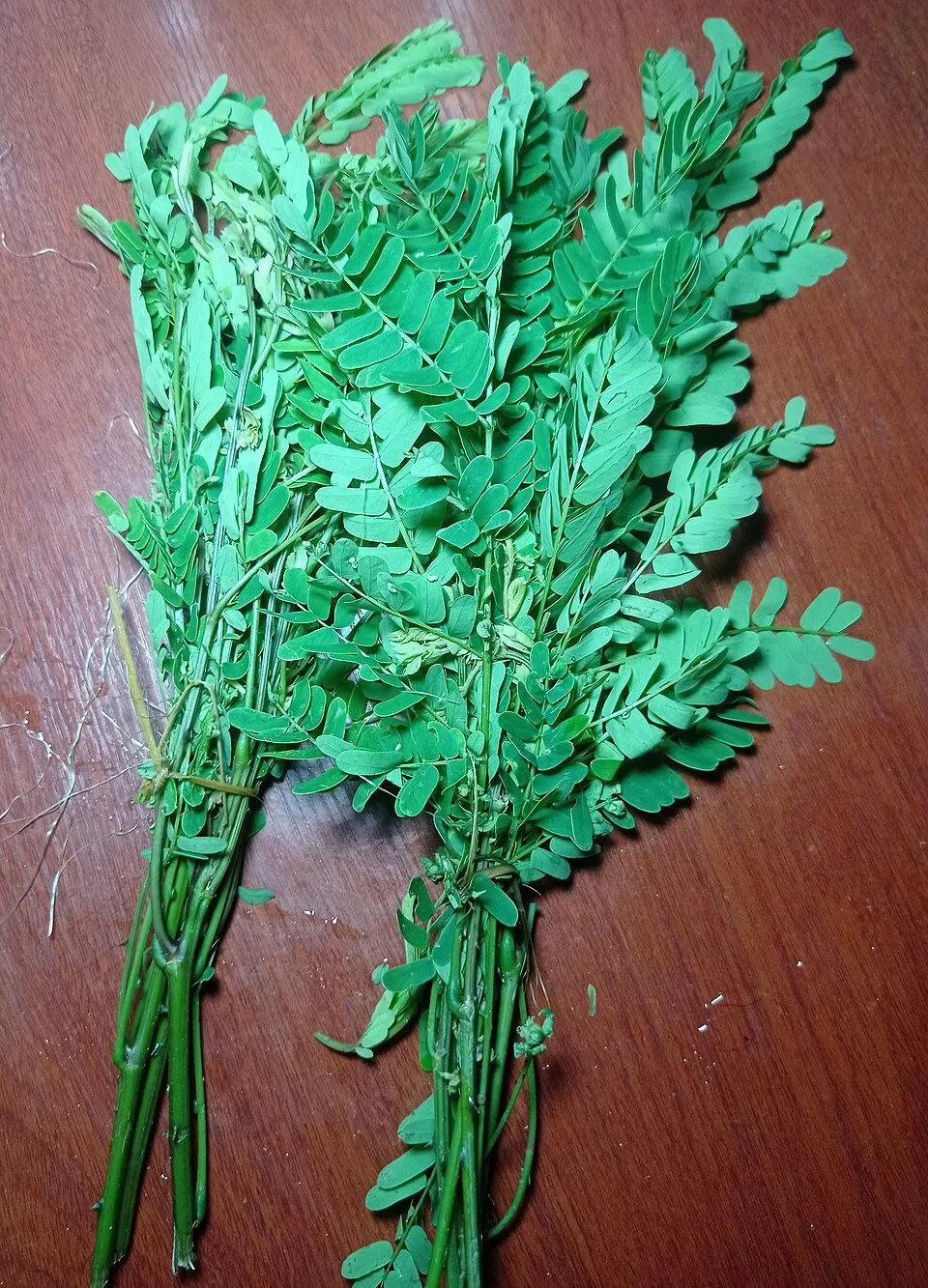
Shikakai, scientifically recognized as Acacia concinna, is a robust, perennial climbing shrub indigenous to tropical and subtropical regions of Asia, including India, Myanmar, and Thailand. This member of the extensive Fabaceae family typically reaches heights of 1 to 3 meters, characterized by its distinctive thorny branches and hooked prickles that aid its scandent growth habit. The plant features elegant bipinnate leaves, composed of numerous pairs of small, oval, bright green leaflets, each measuring approximately 10 to 20 centimeters in length, which exhibit a nyctinastic movement, folding inward at dusk.
Its bark presents a brownish-gray hue, relatively smooth yet punctuated by prominent lenticels facilitating gaseous exchange. During warmer months, Acacia concinna produces fragrant, globular flowers, predominantly in shades of yellow or pale cream, densely clustered in axillary heads. These blossoms mature into flat, oblong pods, typically 6 to 10 cm long, which transition to a dark brown upon drying and encapsulate several hard, dark seeds.
Shikakai thrives in mixed deciduous forests, scrublands, and along riverbanks, preferring well-drained, loamy to sandy soils in warm, humid climates. Its rich historical and cultural significance is deeply embedded in traditional medicinal practices, particularly in Ayurveda, where its profound benefits for hair and skin care have earned it the moniker 'fruit for hair.' Beyond personal care, Shikakai has been utilized for centuries in various traditional medicine systems, including Unani and Siddha, celebrated for its purifying and therapeutic properties. The ongoing taxonomic research, which has seen this species classified under both Acacia and Senegalia, underscores its ecological and ethnobotanical importance.
Trusted Scientific References
1. Authoritative external sources for Acacia concinna
1.1 Wikipedia — Acacia concinna
1.2 Kew POWO (Plants of the World Online)
1.3 PubMed — peer-reviewed research
1.4 NCBI Taxonomy Browser
1.5 GBIF — Global Biodiversity
1.1.Shikakai — Notable Characteristics
- ✓Natural Cleanser — Contains saponins for gentle, chemical-free cleansing.
- ✓Hair Growth Promoter — Strengthens roots and stimulates healthy hair growth.
- ✓Anti — Dandruff Properties — Combats scalp infections and reduces flaking.
- ✓Natural Conditioner — Leaves hair soft, shiny, and manageable.
- ✓Traditional Ayurvedic Herb — Deeply rooted in ancient Indian medicine.
- ✓Skin Soother — Alleviates skin irritations and promotes healthy skin.
- ✓Digestive Aid — Used as a traditional purgative for constipation.
- ✓Rich in Phytochemicals — Contains saponins, triterpenes, and organic acids.
- ✓Sustainable & Eco — Friendly — A natural alternative to synthetic personal care products.
- ✓Versatile Application — Used as powder, decoction, or infusion for hair and skin.
1.2.Shikakai — Quick Summary
- ✓Shikakai (Acacia concinna) is a tropical climbing shrub revered for its natural cleansing properties.
- ✓Rich in saponins, it's a traditional Ayurvedic hair and skin care ingredient, often called 'fruit for hair.'
- ✓Offers benefits like promoting hair growth, controlling dandruff, and conditioning hair naturally.
- ✓Also used internally in traditional medicine for digestive and liver support.
- ✓Key compounds include saponins, triterpenes, and organic acids.
- ✓Generally safe for external use, but oral consumption requires caution due to potential side effects.
2.Shikakai — Nomenclature & Classification
3.Shikakai — Vital Statistics
4.Shikakai — Botanical Features
5.Shikakai — Ecological Habitat
6.Shikakai — Traditional Uses
7.Shikakai — Key Phytochemicals
- ✓Saponins — Found primarily in the pods and bark, these triterpenoid glycosides (e.g., acacic acid, concinnin) are responsible for Shikakai's natural cleansing and foaming properties.
- ✓Triterpenes — Compounds like lupeol and spinasterol contribute to the plant's anti-inflammatory and potential anticarcinogenic activities.
- ✓Organic Acids — Contains oxalic acid, tartaric acid, citric acid, succinic acid, and ascorbic acid (Vitamin C), which contribute to its antioxidant and pH-balancing effects.
- ✓Sugars — Natural sugars such as glucose, arabinose, and rhamnose are present, providing moisturizing and conditioning benefits to hair and skin.
- ✓Alkaloids — Includes calyctomine and nicotine in trace amounts, which may contribute to some of its traditional medicinal effects.
- ✓Fatty Acids — Presence of hexacosanol, a long-chain fatty alcohol, contributes to emollient properties, aiding in hair conditioning.
- ✓Flavonoids — Although not explicitly listed in the source, as a Fabaceae member, Shikakai likely contains various flavonoids, known for their antioxidant and anti-inflammatory roles.
- ✓Sterols — Spinasterone is present, a phytosterol that may contribute to the plant's therapeutic actions.
8.Shikakai — Evidence-Based Benefits
- ✓Natural Hair Cleanser — Shikakai pods are rich in saponins, which generate a gentle lather that effectively cleanses the hair and scalp without stripping natural oils, offering a mild alternative to synthetic shampoos.
- ✓Promotes Hair Growth — Regular use of Shikakai strengthens hair roots and follicles, stimulating healthy hair growth and reducing hair fall.
- ✓Controls Dandruff — Its inherent antifungal and antimicrobial properties help combat dandruff-causing organisms like Malassezia furfur, alleviating scalp itching and flaking.
- ✓Conditions Hair — Shikakai acts as a natural conditioner, detangling hair, making it softer, shinier, and more manageable without the need for additional chemical products.
- ✓Soothes Scalp Irritations — The plant's anti-inflammatory properties help relieve scalp dryness, itching, and scaling, promoting overall scalp health.
- ✓Treats Skin Problems — Traditionally, the extract of Shikakai pods has been applied topically to address various skin ailments, including minor irritations and scaling.
- ✓Aids Digestion — In traditional medicine, decoctions of Shikakai pods have been used as a purgative to relieve constipation, abdominal pain, indigestion, and flatulence by stimulating bowel movements.
- ✓Liver Stimulant — Leaves of Shikakai are traditionally believed to act as a liver stimulant, aiding in bile secretion and supporting liver function, particularly in conditions like jaundice.
- ✓Antimicrobial and Anthelmintic — Studies suggest that aqueous extracts of Shikakai leaves possess significant antibacterial activity against various pathogens and also exhibit anthelmintic properties, useful against intestinal worms.
- ✓Wound Healing — Infusions of Shikakai have been traditionally applied to wounds to reduce swelling, inflammation, and exudation, facilitating the healing process.
8.1.Shikakai — Indications & Uses
9.Shikakai — Safety Considerations
9.1.Shikakai — Caution Notes
- ✓Stomach Irritation — High internal dosages or prolonged oral usage may lead to stomach discomfort or irritation.
- ✓Nausea — Excessive internal consumption of Shikakai preparations can induce feelings of nausea.
- ✓Loose Stools — As a purgative, high doses taken orally can result in loose stools or diarrhea.
- ✓Dryness (Hair) — When used alone, Shikakai can sometimes cause excessive dryness of the hair; this can be mitigated by combining it with moisturizing agents like Amla or yogurt.
- ✓Spermicidal Effect — The saponin content in Shikakai bark has a spermicidal effect, making its oral usage inadvisable for individuals undergoing infertility treatment.
- ✓Vomiting — In some traditional purgative applications, especially when combined with other herbs like black pepper, it can induce vomiting.
9.2.Shikakai — Safety Profile
- ✓Pregnancy & Lactation — Avoid oral use during pregnancy and lactation due to insufficient safety data and potential effects.
- ✓Infertility Treatment — Individuals undergoing treatment for infertility should avoid oral consumption due to its spermicidal properties.
- ✓Gastrointestinal Sensitivity — Use with caution in individuals with sensitive stomachs or pre-existing gastrointestinal conditions.
- ✓Allergic Reactions — Perform a patch test before topical application to check for any skin sensitivities or allergic reactions.
- ✓Children — Oral use in children should only be under strict medical supervision due to its purgative effects.
- ✓Drug Interactions — Consult a healthcare professional if taking other medications, especially those affecting digestion or fertility, to avoid potential interactions.
- ✓External Use Predominant — Primarily recommended for external use in hair and skin care; internal use should always be guided by an experienced practitioner.
10.Shikakai — Usage Guide
- ✓Hair Wash Powder — Dried Shikakai pods are ground into a fine powder, often mixed with water to form a paste for use as a natural shampoo and conditioner.
- ✓Decoction for Hair — Pods can be boiled in water to create a decoction, which is then cooled and used as a hair rinse to cleanse and strengthen hair.
- ✓Hair Pack Ingredient — Powdered Shikakai is commonly combined with other herbs like Amla, Reetha, and Henna, or with yogurt, to create nourishing hair masks.
- ✓Skin Cleansing — A paste or infusion of Shikakai bark or pods can be used as a bath powder or gentle cleanser for the skin to remove dirt and soothe irritation.
- ✓Internal Decoction for Constipation — A decoction of the pods may be consumed orally as a purgative, under professional guidance, to relieve constipation.
- ✓Wound Wash — An infusion of Shikakai pods or leaves can be used topically to wash wounds, helping to reduce inflammation and aid healing.
- ✓Suppository for Children — Traditionally, a wick dipped in pod decoction has been used as a suppository for children to relieve indigestion and constipation.
- ✓Head Lice Treatment — A strong decoction of Shikakai pods is used as a hair wash to eliminate head lice effectively.
11.Shikakai — Garden Cultivation
- ✓Climate Preference — Thrives in warm, humid tropical and subtropical climates, ideally with consistent moisture.
- ✓Soil Requirements — Prefers well-drained, loamy to sandy soils, but can adapt to a range of soil types.
- ✓Propagation — Primarily propagated from seeds, which can be scarified to improve germination rates.
- ✓Planting — Seeds are typically sown during the monsoon season for optimal growth conditions.
- ✓Support Structure — As a climbing shrub, Shikakai benefits from trellises or other support structures for optimal growth and pod yield.
- ✓Watering — Requires regular watering, especially during dry periods, to maintain soil moisture.
- ✓Sunlight — Prefers full sun exposure for robust growth and flowering.
- ✓Harvesting — Pods are harvested when they turn dark brown and are then dried for storage and processing.
Reviewed by the Flora Medical Global Botanical Review Panel
Multi-disciplinary editorial group · Botany · Ethnobotany · Herbal-medicine literature
Who reviewed this: This page was checked by the Flora Medical Global Botanical Review Panel — an in-house editorial group of botany graduates, ethnobotany researchers, and horticulture practitioners who collectively maintain our 7,000+ plant encyclopedia. Meet the team.
Our 4-step verification process
1. Taxonomic verification
Scientific names and synonyms cross-checked against Kew POWO, World Flora Online, and The Plant List.
2. Phytochemical & medicinal cross-reference
Active compounds, traditional uses, and reported activities are cross-referenced with PubMed, USDA Dr. Duke's database, and peer-reviewed ethnobotanical literature.
3. Conservation & distribution check
Distribution, ecology, and conservation status confirmed against GBIF occurrence records and the IUCN Red List.
4. Editorial & safety review
Every entry passes an editorial pass for clarity, originality, and safety notices (toxicity, contraindications, dosage caveats) before publication.
Last reviewed:
Important medical disclaimer: This content is for educational and research purposes only. It is not medical advice and is not a substitute for consultation with a licensed healthcare provider. Do not use any herb to self-treat a medical condition without professional guidance.
Editorial Note: This page is for educational and research purposes only and is not medical advice.
Written by: Flora Medical Global Editorial Team
Reviewed by: Flora Medical Global Botanical Review Panel
Last Updated: June 15, 2026





Shikakai — Comments & Community Reviews
Rate this plant