
Medical Disclaimer: This content is for educational purposes only. It is not medical advice. Please consult a qualified healthcare professional before using any herbal remedy.
Safety Overview
1.Red Aglaonema — Introduction & Highlights
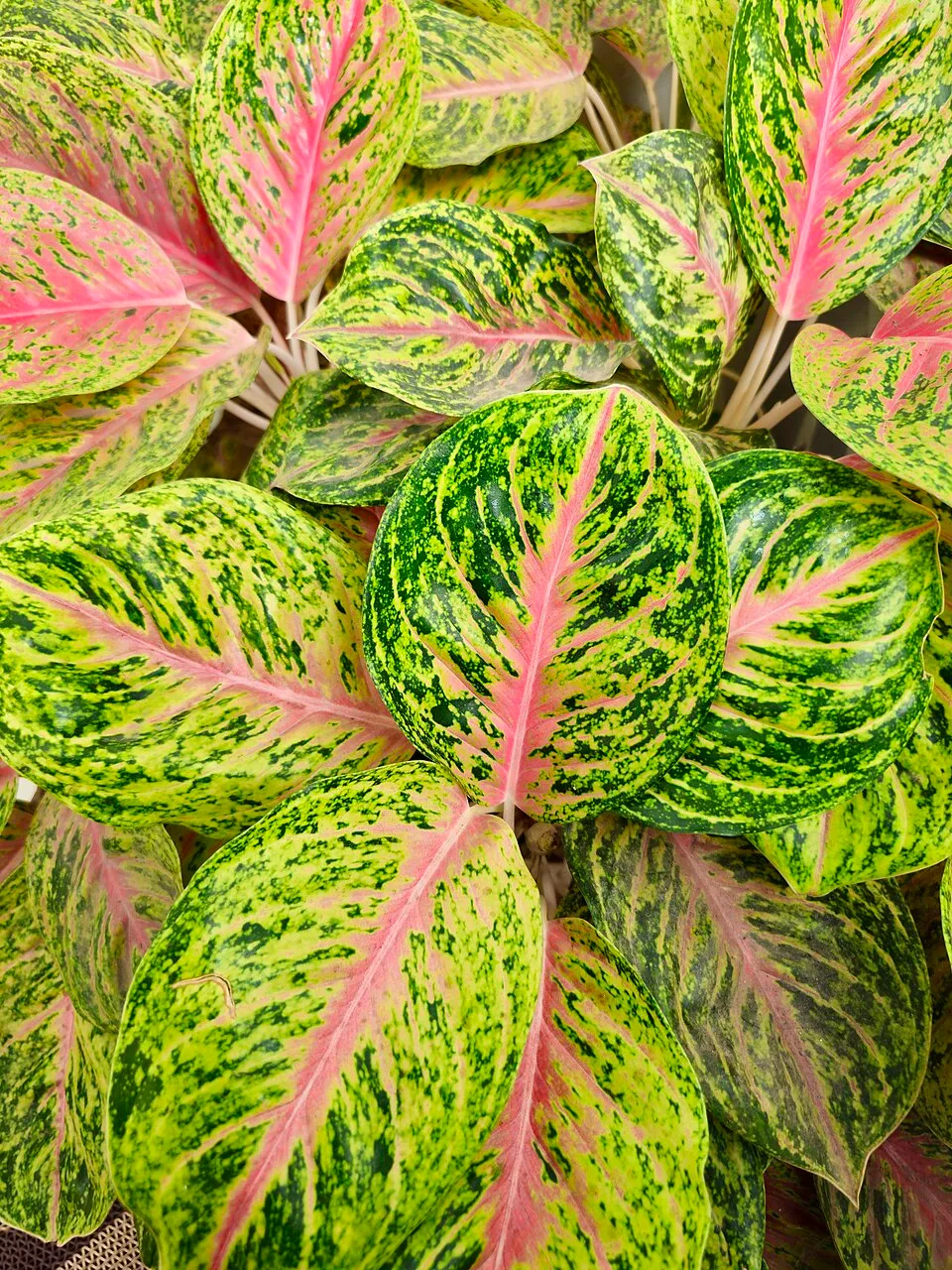
Aglaonema Siam Aurora, popularly known as Red Aglaonema or Red Chinese Evergreen, is a striking perennial herbaceous plant within the Araceae family, commonly referred to as the aroid family. This specific cultivar is highly prized for its captivating variegated foliage, which displays an intricate pattern of deep green, vibrant pink, and rich red hues, making it a favored choice for indoor ornamental cultivation. Typically, the plant achieves a mature height ranging from 30 to 90 centimeters, forming a dense, bushy habit.
Its broad, lanceolate to oblong-oval leaves are a defining characteristic, often measuring between 15 and 25 centimeters in length and 5 to 10 centimeters in width. The leaf surface possesses a notable gloss, which enhances its visual appeal and accentuates its vivid coloration. The stems are generally short and frequently concealed by the abundant leaf growth, though older specimens may develop a more visible, upright stem structure with pinkish undertones.
Originating from the humid, tropical understories of Southeast Asia, particularly regions within Thailand and Malaysia, Aglaonema Siam Aurora thrives in environments characterized by filtered light and consistently high humidity. In its natural setting, it forms part of the lower canopy strata of tropical forests, adapting effectively to indirect light conditions. This inherent adaptability to lower light makes it exceptionally well-suited for indoor environments, where intense, direct sunlight can often be detrimental, causing leaf scorch.
While primarily cultivated for its foliage, the plant does produce small, inconspicuous flowers characteristic of the Araceae family, known as a spathe and spadix. These flowers are usually green or cream-colored and are often hidden amidst the foliage, contributing less to its ornamental value than its leaves. Taxonomically, Aglaonema Siam Aurora is a cultivar of the genus Aglaonema, which encompasses approximately 20 species of evergreen perennial herbaceous plants, distinguished by their unique inflorescence structure.
Trusted Scientific References
1. Authoritative external sources for Aglaonema Siam Aurora
1.1 Wikipedia — Aglaonema Siam Aurora
1.2 Kew POWO (Plants of the World Online)
1.3 PubMed — peer-reviewed research
1.4 NCBI Taxonomy Browser
1.5 GBIF — Global Biodiversity
1.1.Red Aglaonema — Defining Traits
- ✓Vibrant Red and Green Variegation — Distinctive, eye-catching foliage with a mosaic of red, pink, and deep green hues.
- ✓Glossy, Lanceolate Leaves — Broad, shiny leaves that enhance visual appeal and light reflection.
- ✓Compact, Bushy Growth Habit — Forms a dense, upright clump, suitable for various indoor spaces.
- ✓Low — Light Adaptability — Thrives in indirect or low-light conditions, making it ideal for indoor environments.
- ✓Tropical Origin — Native to humid Southeast Asian understories, preferring warmth and moisture.
- ✓Easy Care Houseplant — Generally low-maintenance, making it popular for both novice and experienced plant enthusiasts.
- ✓Air Purifying Qualities (General Houseplant) — Contributes to minor indoor air toxin reduction and oxygen release.
- ✓Calcium Oxalate Presence (Toxicity) — Contains irritating calcium oxalate crystals, rendering it toxic if ingested.
- ✓Moderate Growth Rate — Grows at a steady pace, allowing for manageable maintenance and growth.
- ✓Ornamental Value — Primarily valued for its aesthetic contribution to interior decoration and biophilic design.
1.2.Red Aglaonema — Quick Summary
- ✓Common Names — Red Aglaonema, Red Chinese Evergreen, Siam Aurora.
- ✓Scientific Name — Aglaonema Siam Aurora.
- ✓Family — Araceae (Aroid Family).
- ✓Key Feature — Striking red and green variegated foliage, highly ornamental and adaptable to indoor conditions.
- ✓Primary Use — Exclusively cultivated as an ornamental houseplant for aesthetic enhancement and general indoor air quality.
- ✓Important Caution — All parts are toxic if ingested due to the presence of irritating calcium oxalate crystals.
2.Red Aglaonema — Systematic Position
3.Red Aglaonema — Quick Facts
4.Red Aglaonema — Morphological Account
5.Red Aglaonema — Habitat & Distribution
6.Red Aglaonema — Cultural & Traditional Roles
7.Red Aglaonema — Bioactive Constituents
- ✓Calcium Oxalate Raphides — These needle-like crystals (primarily calcium oxalate monohydrate) are abundant in all parts of Aglaonema species, acting as a defense mechanism against herbivores by causing mechanical irritation upon ingestion.
- ✓Anthocyanins — Responsible for the vibrant red and pink variegation in Aglaonema Siam Aurora, these water-soluble flavonoid pigments accumulate in vacuoles and provide antioxidant protection to the plant.
- ✓Carotenoids — These accessory pigments, including beta-carotene and lutein, contribute to the yellow, orange, and red tones in the foliage, playing a role in photosynthesis and photoprotection.
- ✓Chlorophylls — Present in the green parts of the leaves (chlorophyll a and b), these pigments are essential for photosynthesis, converting light energy into chemical energy.
- ✓Flavonoids — A diverse group of phenolic compounds, flavonoids (e.g., quercetin, kaempferol derivatives) are common in plants, offering antioxidant properties and protection against UV radiation and pathogens.
- ✓Phenolic Acids — Such as caffeic acid and ferulic acid, these compounds contribute to plant defense mechanisms, structural integrity, and have antioxidant activity.
- ✓Saponins — While not extensively studied in Aglaonema Siam Aurora, some Araceae members contain saponins, which can have surfactant properties and contribute to plant defense.
- ✓Terpenoids — Various monoterpenes and sesquiterpenes may be present, contributing to the plant's aroma (if any) and acting as signaling molecules or defense compounds.
- ✓Alkaloids — Although less prominent in Aglaonema compared to other plant families, some trace alkaloids might be present, potentially serving in plant defense.
- ✓Carbohydrates — Structural (cellulose, hemicellulose) and storage (starch) carbohydrates form the bulk of the plant's biomass, essential for growth and energy.
8.Red Aglaonema — Modern Studies
- ✓Indoor Air Quality Enhancement — Like many foliage plants, Aglaonema Siam Aurora contributes to indoor air purification by absorbing common volatile organic compounds (VOCs) and releasing oxygen, though its specific efficacy is subject to environmental variables and plant density.
- ✓Aesthetic and Psychological Well-being — The plant's vibrant red and green foliage provides significant ornamental value, which can reduce stress and improve mood by bringing natural beauty into living and working spaces.
- ✓Humidity Regulation — Through transpiration, Aglaonema Siam Aurora can slightly increase ambient humidity, which can be beneficial in dry indoor environments for human comfort and respiratory health.
- ✓Biophilic Design Integration — Incorporating this plant into interior design fosters a connection with nature, supporting biophilia and potentially enhancing cognitive function and creativity.
- ✓Low-Light Adaptability for Health — Its ability to thrive in low-light conditions makes it suitable for various indoor placements, ensuring that even dimly lit areas can benefit from plant presence without requiring intense light setups.
- ✓Visual Comfort and Focus — The rich, non-glaring colors of its leaves can offer visual respite and help reduce eye strain, contributing to a more comfortable and focused environment.
- ✓Non-Allergenic Properties — As a foliage plant, Aglaonema Siam Aurora typically produces minimal pollen, making it a suitable choice for individuals sensitive to airborne allergens.
- ✓Educational Value — Cultivating Aglaonema Siam Aurora offers an opportunity to learn about plant care, botanical diversity, and the Araceae family, fostering a deeper appreciation for botany.
- ✓Ecosystem Mimicry (Micro-environment) — By creating a small, living ecosystem indoors, it can contribute to a sense of vitality and natural balance within a confined space.
- ✓Space Greening for Urban Dwellers — For those without access to outdoor gardens, Aglaonema Siam Aurora provides a vital touch of nature, improving the quality of urban indoor living.
8.1.Red Aglaonema — Conditions Traditionally Used For
9.Red Aglaonema — Risk Profile
9.1.Red Aglaonema — Side Effects & Warnings
- ✓Oral Irritation upon Ingestion — All parts of Aglaonema Siam Aurora contain insoluble calcium oxalate crystals, which, if ingested, can cause immediate and intense burning, irritation, and swelling of the mouth, throat, and digestive tract.
- ✓Gastrointestinal Distress — Ingestion may lead to symptoms such as nausea, vomiting, excessive drooling, and difficulty swallowing, particularly in pets and young children.
- ✓Dermal Contact Irritation — Direct contact with the plant sap or broken tissues can cause mild skin irritation, redness, or itching in sensitive individuals.
- ✓Eye Irritation — Accidental contact of sap with eyes can result in pain, redness, and temporary visual disturbances; immediate rinsing is recommended.
- ✓Pet Toxicity — Highly toxic to cats and dogs if consumed, leading to severe oral irritation, swelling, and potential respiratory distress in extreme cases.
- ✓Allergic Reactions — While rare, some individuals may experience allergic contact dermatitis from repeated handling of the plant.
9.2.Red Aglaonema — Clinical Safety Notes
- ✓Keep Out of Reach — Always position Aglaonema Siam Aurora plants where they are inaccessible to young children and household pets to prevent accidental ingestion.
- ✓Avoid Ingestion — Emphasize that no part of the plant should be consumed by humans or animals due to the presence of irritating calcium oxalate crystals.
- ✓Protective Measures During Handling — Wear gloves when pruning or repotting to prevent skin contact with the sap, especially for individuals with sensitive skin.
- ✓Hand Hygiene — Thoroughly wash hands with soap and water immediately after handling the plant or any plant parts.
- ✓Eye Protection — Exercise caution to prevent sap from coming into contact with eyes; if exposure occurs, flush eyes immediately with plenty of water and seek medical attention.
- ✓Educate Household Members — Inform all household members about the plant's toxicity and the necessary precautions to ensure safety.
- ✓Emergency Protocol — In case of ingestion or severe contact, contact a poison control center or seek prompt medical/veterinary attention.
10.Red Aglaonema — Application Forms
- ✓Ornamental Houseplant Display — Primarily used as an indoor ornamental plant, Aglaonema Siam Aurora is ideal for tabletops, shelves, or as a low floor plant due to its striking foliage and compact growth habit.
- ✓Biophilic Interior Design — Integrate into living and working spaces to enhance aesthetic appeal, introduce natural elements, and contribute to a calming, productive environment.
- ✓Air Purification Agent (Indirect) — Place in rooms to passively contribute to indoor air quality improvement by absorbing minor airborne toxins and releasing oxygen, as is characteristic of many foliage plants.
- ✓Humidity Enhancement — Position in groups with other plants or near a humidifier to collectively increase local humidity levels, beneficial for both the plant and human comfort in dry climates.
- ✓Visual Interest in Low-Light Areas — Utilize its adaptability to lower light conditions to brighten and add color to less illuminated corners or rooms where other vibrant plants might struggle.
- ✓Gift and Decorative Item — Often selected as a thoughtful gift or a decorative element for various occasions due to its easy care and attractive appearance.
- ✓Propagation for New Plants — Stem cuttings can be rooted in water or soil to propagate new plants, allowing for expansion of collections or sharing with others.
11.Red Aglaonema — Growing Guide
- ✓Light — Provide bright, indirect sunlight; direct sun can scorch leaves, while insufficient light may diminish foliage color.
- ✓Watering — Water thoroughly when the top 2-3 inches of soil feel dry, allowing excess water to drain completely to prevent root rot.
- ✓Temperature — Maintain average room temperatures between 18-29°C (65-85°F); protect from cold drafts and sudden temperature fluctuations.
- ✓Humidity — Prefers high humidity; misting, using a pebble tray, or placing near a humidifier can be beneficial, especially in dry environments.
- ✓Soil — Use a well-draining, peat-based potting mix amended with perlite or pumice to enhance aeration and prevent compaction.
- ✓Fertilizing — Feed with a balanced liquid houseplant fertilizer diluted to half strength every 2-4 weeks during the active growing season (spring and summer).
- ✓Repotting — Repot every 2-4 years, or when root-bound, into a pot only slightly larger than the previous one, ideally during spring or early summer.
- ✓Pruning — Trim leggy stems or yellowing leaves to maintain a bushy shape and encourage new growth, using clean, sharp shears.
Reviewed by the Flora Medical Global Botanical Review Panel
Multi-disciplinary editorial group · Botany · Ethnobotany · Herbal-medicine literature
Who reviewed this: This page was checked by the Flora Medical Global Botanical Review Panel — an in-house editorial group of botany graduates, ethnobotany researchers, and horticulture practitioners who collectively maintain our 7,000+ plant encyclopedia. Meet the team.
Our 4-step verification process
1. Taxonomic verification
Scientific names and synonyms cross-checked against Kew POWO, World Flora Online, and The Plant List.
2. Phytochemical & medicinal cross-reference
Active compounds, traditional uses, and reported activities are cross-referenced with PubMed, USDA Dr. Duke's database, and peer-reviewed ethnobotanical literature.
3. Conservation & distribution check
Distribution, ecology, and conservation status confirmed against GBIF occurrence records and the IUCN Red List.
4. Editorial & safety review
Every entry passes an editorial pass for clarity, originality, and safety notices (toxicity, contraindications, dosage caveats) before publication.
Last reviewed:
Important medical disclaimer: This content is for educational and research purposes only. It is not medical advice and is not a substitute for consultation with a licensed healthcare provider. Do not use any herb to self-treat a medical condition without professional guidance.
Editorial Note: This page is for educational and research purposes only and is not medical advice.
Written by: Flora Medical Global Editorial Team
Reviewed by: Flora Medical Global Botanical Review Panel
Last Updated: June 15, 2026





Red Aglaonema — Comments & Community Reviews
Rate this plant