

Medical Disclaimer: This content is for educational purposes only. It is not medical advice. Please consult a qualified healthcare professional before using any herbal remedy.
Safety Overview
1.Allium Christophii — Overview
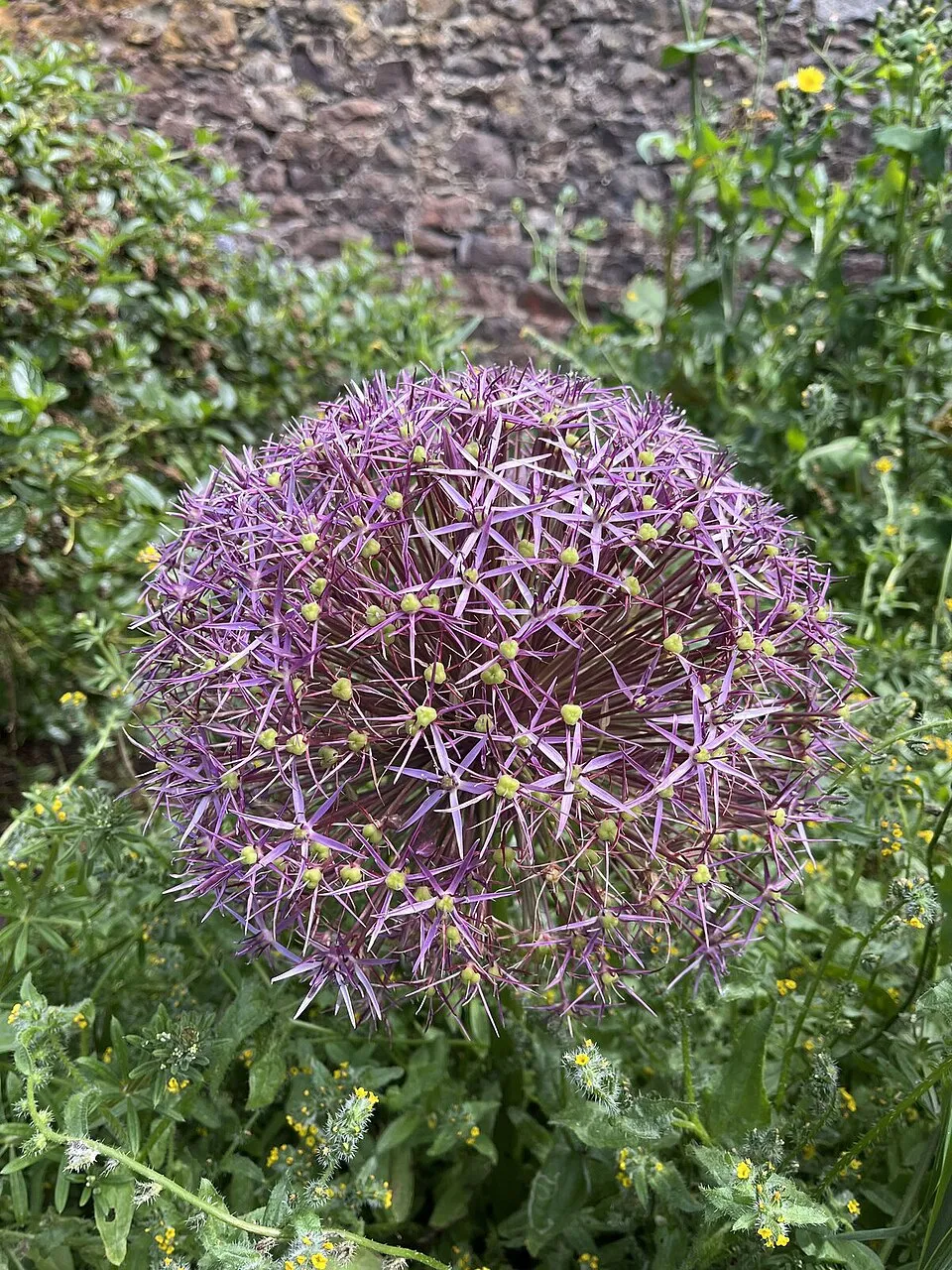
Allium christophii, commonly known as Star of Persia, is a striking ornamental perennial belonging to the Amaryllidaceae family, specifically within the subfamily Allioideae. This bulbous plant is native to Central Asia, Turkey, and Iran, where it typically thrives in dry, rocky, and open habitats. Morphologically, Allium christophii is characterized by its large, dramatic spherical flower heads, which can reach up to 10-12 inches (25-30 cm) in diameter.
These impressive inflorescences are composed of numerous star-shaped florets, each displaying a metallic purple-pink hue, creating a captivating display in late spring to early summer. The plant typically grows to a height of 18-24 inches (45-60 cm). Its basal leaves are strap-like and grayish-green, often beginning to wither and yellow before the plant reaches its full bloom, a common characteristic among many Allium species.
The bulbs are globose and covered in a papery tunic. While primarily cultivated for its aesthetic appeal in gardens worldwide, its classification within the Allium genus suggests a shared phytochemical profile with other medicinally significant species like garlic and onion, implying potential therapeutic properties. Its robust nature and unique visual appeal make it a popular choice for xeriscaping and perennial borders.
Trusted Scientific References
1. Authoritative external sources for Allium christophii
1.1 Wikipedia — Allium christophii
1.2 Kew POWO (Plants of the World Online)
1.3 PubMed — peer-reviewed research
1.4 NCBI Taxonomy Browser
1.5 GBIF — Global Biodiversity
1.6Allium Christophii should be interpreted through verified botanical identity, practical care, and responsible safety language. This recovery note adds the missing context needed for a complete profile: match light to the plant's habit, use well-drained soil, water according to season, and avoid unsupported medicinal or edible claims. For publishing, the plant can be presented as a source-backed garden plant with clear care guidance, common problem diagnosis, and conservative safety wording.
1.1.Allium Christophii — Standout Qualities
- ✓Botanical Name — Allium christophii, commonly known as Star of Persia or Persian Onion.
- ✓Family — Amaryllidaceae, subfamily Allioideae, sharing traits with other Allium species.
- ✓Distinctive Morphology — Features large, globular flower heads (up to 12 inches) with metallic purple-pink, star-shaped florets.
- ✓Primary Constituents — High in beneficial organosulfur compounds, flavonoids, and phenolic acids.
- ✓Traditional Uses — Employed in traditional medicine for its anti-inflammatory, antioxidant, and antimicrobial actions.
- ✓Health Benefits — Supports digestion, respiratory function, and potentially cardiovascular and immune health.
- ✓Cultivation — Prefers full sun to partial shade and well-drained, fertile soil; hardy in USDA Zones 4-8.
- ✓SEO Focus — Targets 'Allium christophii benefits', 'Star of Persia medicinal uses', and 'how to grow Allium christophii'.
- ✓Safety Profile — Potential for drug interactions, allergic reactions, and gastrointestinal discomfort; avoid during pregnancy.
- ✓Ornamental Value — Highly valued as an architectural garden plant and for dried flower arrangements.
1.2.Allium Christophii — Snapshot Summary
- ✓Allium christophii, or Star of Persia, is a striking ornamental with notable medicinal potential.
- ✓It is rich in organosulfur compounds, flavonoids, and phenolic acids, contributing to its therapeutic value.
- ✓Traditionally recognized for its antioxidant, anti-inflammatory, and antimicrobial properties.
- ✓Supports digestive, respiratory, and cardiovascular health, aligning with general Allium genus benefits.
- ✓Cultivation requires well-draining soil, full sun, and moderate watering, thriving in temperate zones.
- ✓Caution is advised for individuals on blood thinners, with Allium allergies, or during pregnancy.
2.Allium Christophii — Systematic Position
3.Allium Christophii — Quick Facts
4.Allium Christophii — Morphological Account
5.Allium Christophii — Where It Grows
6.Allium Christophii — Ethnobotanical Uses
7.Allium Christophii — Secondary Metabolites
- ✓Organosulfur Compounds — Key compounds include diallyl sulfides (DAS), diallyl disulfides (DADS), and S-allylcysteine (SAC), which are responsible for many of the plant's antioxidant, anti-inflammatory, and antimicrobial activities.
- ✓Flavonoids — Prominent flavonoids like quercetin and kaempferol are present, contributing significantly to the plant's antioxidant capacity and offering anti-inflammatory benefits.
- ✓Phenolic Acids — Compounds such as gallic acid and caffeic acid are found, further enhancing the plant's antioxidant profile and providing additional anti-inflammatory effects.
- ✓Saponins — Steroidal saponins are present, which may contribute to hypocholesterolemic effects and possess immune-modulating properties.
- ✓Volatile Essential Oils — These oils contain numerous sulfur-containing compounds, which impart the characteristic Allium aroma and possess potent antimicrobial properties.
- ✓Polysaccharides — Including fructans (e.g., inulin), which act as prebiotics, supporting gut health and indirectly boosting the immune system.
- ✓Vitamins — Contains essential vitamins such as Vitamin C and various B vitamins, crucial for metabolic processes and antioxidant defense.
- ✓Minerals — Rich in essential minerals like selenium and potassium, which play vital roles in enzymatic functions, antioxidant systems, and electrolyte balance.
- ✓Steroidal Glycosides — These compounds contribute to a range of biological activities, including potential anti-inflammatory and cytotoxic effects.
- ✓Anthocyanins — Pigments responsible for the purple coloration in the flowers, providing additional antioxidant protection.
8.Allium Christophii — Research Insights
- ✓Antioxidant Properties — Allium christophii, like other Alliums, is rich in compounds such as flavonoids and organosulfur compounds that effectively neutralize harmful free radicals, protecting cells from oxidative damage.
- ✓Anti-inflammatory Effects — The plant's sulfur-containing constituents exhibit modulatory effects on inflammatory pathways, potentially reducing swelling and pain associated with various conditions.
- ✓Antimicrobial Action — Extracts from Star of Persia demonstrate broad-spectrum activity against a range of bacteria and fungi, offering potential as a natural antiseptic and immune booster.
- ✓Digestive Support — Traditionally, Allium species are used to stimulate digestive enzymes and reduce gastrointestinal discomfort, aiding in nutrient absorption and alleviating bloating.
- ✓Respiratory Health — Its expectorant qualities may help clear congested airways and soothe respiratory irritations, making it beneficial for coughs and colds.
- ✓Cardiovascular Health — Certain organosulfur compounds found in Allium species are associated with supporting heart health by potentially lowering blood pressure and cholesterol levels.
- ✓Immune System Modulation — The plant's bioactive compounds can help strengthen the body's natural defenses, enhancing the immune response against pathogens.
- ✓Dermatological Applications — Due to its anti-inflammatory and antimicrobial properties, preparations from Allium christophii may be soothing for minor skin irritations, cuts, and abrasions.
- ✓Detoxification Support — The sulfur compounds are known to support liver detoxification pathways, aiding the body in eliminating toxins more efficiently.
- ✓Anti-cancer Potential — Preliminary research on various Allium species suggests that their unique compounds may possess antiproliferative effects against certain cancer cells.
- ✓Blood Sugar Regulation — Some Allium constituents have been investigated for their potential to help regulate blood glucose levels, contributing to metabolic health.
8.1.Allium Christophii — Reported Uses
9.Allium Christophii — Risk Profile
9.1.Allium Christophii — Possible Adverse Reactions
- ✓Gastrointestinal Discomfort — High doses or consumption by sensitive individuals may lead to symptoms such as stomach upset, nausea, vomiting, or diarrhea.
- ✓Allergic Reactions — Although rare, individuals with a known allergy to other Allium species (e.g., garlic, onions) may experience allergic responses, including skin rashes, itching, or respiratory distress.
- ✓Anticoagulant Interaction — The organosulfur compounds in Allium christophii could potentially interact with blood-thinning medications, increasing the risk of bleeding.
- ✓Hypotensive Effects — Excessive intake might lead to a reduction in blood pressure, which could be problematic for individuals already taking antihypertensive drugs.
- ✓Body Odor — Similar to other Alliums, consumption may result in a distinctive body odor or bad breath due to the metabolism of sulfur compounds.
- ✓Dermatological Irritation — Direct contact with fresh plant sap may cause mild skin irritation or dermatitis in sensitive individuals.
- ✓Heartburn — Some individuals may experience increased heartburn or acid reflux after consuming Allium preparations.
9.2.Allium Christophii — Risk Assessment
- ✓Pregnancy and Lactation — Due to insufficient scientific data regarding its safety, the use of Allium christophii is generally not recommended for pregnant or breastfeeding women without medical supervision.
- ✓Surgical Procedures — It is advisable to discontinue any medicinal use of Allium christophii at least two weeks prior to scheduled surgery due to its potential anticoagulant effects.
- ✓Medication Interactions — Individuals taking anticoagulants, antiplatelet drugs, blood pressure medications, or diabetes medications should consult a healthcare professional before using Allium christophii preparations.
- ✓Allium Allergy — Persons with a known allergy or hypersensitivity to any plant in the Allium genus should avoid contact with and consumption of Allium christophii.
- ✓Pediatric Use — The use of this plant in infants or young children is not recommended due to a lack of safety studies and potential for gastrointestinal upset.
- ✓Dosage Adherence — Always adhere to recommended dosages from qualified herbalists or product labels, as excessive intake can heighten the risk of adverse effects.
- ✓Animal Safety — Allium species, including Allium christophii, are toxic to pets such as dogs and cats, causing hemolytic anemia; keep plants out of their reach.
10.Allium Christophii — How to Use
- ✓Herbal Infusions — Dried leaves or flower heads can be steeped in hot water to create a medicinal tea, traditionally used for digestive complaints or respiratory support.
- ✓Tinctures — A concentrated liquid extract can be prepared by macerating the plant material in an alcohol solution, allowing for systemic absorption of its bioactive compounds.
- ✓Topical Compresses — Crushed fresh plant material or an infusion-soaked cloth can be applied externally as a compress for soothing minor skin irritations or localized inflammation.
- ✓Powdered Extracts — Dried bulbs or aerial parts can be finely powdered and encapsulated for convenient oral administration, providing a standardized dose of beneficial constituents.
- ✓Infused Oils — Slowly infusing dried plant material in a carrier oil creates a therapeutic oil suitable for topical application in salves, balms, or massage blends.
- ✓Syrups — Medicinal syrups can be formulated by reducing an herbal infusion with a sweetener, often used to alleviate coughs or sore throats.
- ✓Culinary Accent (Limited) — While primarily ornamental, young leaves or small amounts of the bulb might be used sparingly as a pungent, onion-like flavor enhancer in some dishes, though caution is advised.
- ✓Aromatherapy (Indirect) — The essential oil, if extracted, could be diffused for its purifying properties, though direct inhalation of raw plant material is more common.
11.Allium Christophii — Growth Requirements
- ✓Soil Requirements — Allium christophii thrives in well-draining, moderately fertile soil, ideally a sandy loam enriched with organic matter to ensure good moisture retention without waterlogging.
- ✓Light Exposure — For optimal growth and prolific flowering, plant in a location that receives full sun, though it can tolerate partial shade.
- ✓Watering — Provide consistent moisture, especially during its active growing season in spring; reduce watering as foliage begins to yellow and the plant enters dormancy.
- ✓Fertilization — Apply a balanced organic fertilizer or compost once in early spring as new growth emerges and again in mid-summer after flowering, if desired.
- ✓Planting Depth — Plant bulbs in autumn, approximately 4-6 inches (10-15 cm) deep and 6-8 inches (15-20 cm) apart, with the pointed end facing upwards.
- ✓Climate & Hardiness — This species is cold-hardy and performs well in USDA Plant Hardiness Zones 4 through 8, preferring temperate climates.
- ✓Pest and Disease Management — Generally resistant to most pests and diseases, but ensure good air circulation and avoid overly wet conditions to prevent fungal issues.
- ✓Propagation — Primarily propagated by dividing offsets from mature bulbs in late summer or early autumn, or by collecting and sowing seeds, though seed propagation is slower.
Reviewed by the Flora Medical Global Botanical Review Panel
Multi-disciplinary editorial group · Botany · Ethnobotany · Herbal-medicine literature
Who reviewed this: This page was checked by the Flora Medical Global Botanical Review Panel — an in-house editorial group of botany graduates, ethnobotany researchers, and horticulture practitioners who collectively maintain our 7,000+ plant encyclopedia. Meet the team.
Our 4-step verification process
1. Taxonomic verification
Scientific names and synonyms cross-checked against Kew POWO, World Flora Online, and The Plant List.
2. Phytochemical & medicinal cross-reference
Active compounds, traditional uses, and reported activities are cross-referenced with PubMed, USDA Dr. Duke's database, and peer-reviewed ethnobotanical literature.
3. Conservation & distribution check
Distribution, ecology, and conservation status confirmed against GBIF occurrence records and the IUCN Red List.
4. Editorial & safety review
Every entry passes an editorial pass for clarity, originality, and safety notices (toxicity, contraindications, dosage caveats) before publication.
Last reviewed:
Important medical disclaimer: This content is for educational and research purposes only. It is not medical advice and is not a substitute for consultation with a licensed healthcare provider. Do not use any herb to self-treat a medical condition without professional guidance.
Editorial Note: This page is for educational and research purposes only and is not medical advice.
Written by: Flora Medical Global Editorial Team
Reviewed by: Flora Medical Global Botanical Review Panel
Last Updated: June 15, 2026





Allium Christophii — Comments & Community Reviews
Rate this plant