


Medical Disclaimer: This content is for educational purposes only. It is not medical advice. Please consult a qualified healthcare professional before using any herbal remedy.
Safety Overview
1.Aloe Garden — Introduction & Highlights
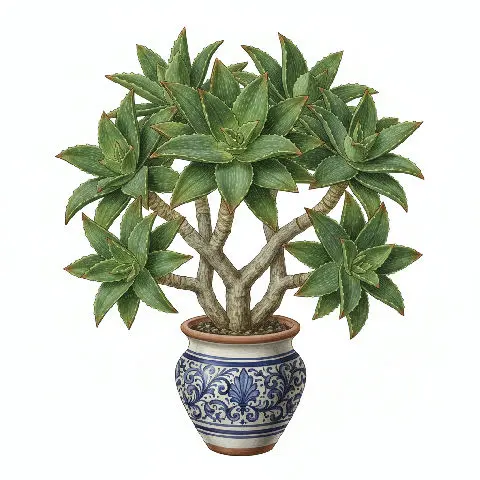
Aloe arborescens, widely recognized as Candelabra Aloe or Torch Aloe, is a magnificent succulent perennial belonging to the Asphodelaceae family, a classification that also encompasses the more common Aloe vera. Native to the rugged coastal regions of Southern Africa, particularly thriving in rocky outcrops and dry woodlands, its 'arborescens' epithet accurately describes its distinctive tree-like or shrubby growth habit. Unlike single-stemmed aloes, this species develops multiple branching stems, allowing it to form dense, expansive clumps that can reach impressive heights of 2 to 3 meters and similar widths, making it a prominent feature in its natural landscape.
Its robust architecture is complemented by rosettes of long, slender, lance-shaped leaves that are a vibrant green, often with a glaucous bloom, and characteristically lined with soft, serrated marginal teeth. The plant's most striking botanical display occurs during the cooler winter months when it produces towering, candelabra-like inflorescences. These unbranched or sparingly branched stalks bear dense racemes of brilliant orange-red, tubular flowers.
These vivid blossoms are not only visually captivating but also serve as a vital nectar source for indigenous sunbirds and other pollinators, playing a crucial ecological role in its native ecosystem. While primarily found in Southern Africa, its adaptability has led to its cultivation in various subtropical and tropical regions globally, including parts of China, for both its ornamental and esteemed medicinal properties.
Trusted Scientific References
1. Authoritative external sources for Aloe arborescens
1.1 Wikipedia — Aloe arborescens
1.2 Kew POWO (Plants of the World Online)
1.3 PubMed — peer-reviewed research
1.4 NCBI Taxonomy Browser
1.5 GBIF — Global Biodiversity
1.6Aloe Garden should be interpreted through verified botanical identity, practical care, and responsible safety language. This recovery note adds the missing context needed for a complete profile: match light to the plant's habit, use well-drained soil, water according to season, and avoid unsupported medicinal or edible claims. For publishing, the plant can be presented as a source-backed garden plant with clear care guidance, common problem diagnosis, and conservative safety wording.
1.1.Aloe Garden — Standout Qualities
- ✓Tree — like, multi-stemmed growth habit, reaching significant size.
- ✓Striking orange — red, candelabra-like winter flowers.
- ✓Thick, fleshy, serrated — Thick, fleshy, serrated leaves containing medicinal gel and bitter latex.
- ✓Indigenous to Southern — Indigenous to Southern African coastal regions.
- ✓Rich phytochemical profile — Rich phytochemical profile including polysaccharides, anthraquinones, and flavonoids.
- ✓Historically used in — Historically used in traditional African and global herbal medicine.
- ✓Known for its potent wound healing and anti — inflammatory properties.
- ✓Effective natural laxative — Effective natural laxative when the latex is consumed.
- ✓Drought — tolerant and relatively low maintenance in suitable climates.
- ✓Distinct botanical and — Distinct botanical and chemical composition compared to Aloe vera.
1.2.Aloe Garden — Snapshot Summary
- ✓Multi-stemmed succulent native to Southern Africa, known as Candelabra Aloe.
- ✓Valued in traditional medicine for skin healing, anti-inflammatory, and digestive properties.
- ✓Rich in polysaccharides, anthraquinones (aloin, aloe-emodin), and flavonoids.
- ✓Distinct from Aloe vera with its tree-like growth and vibrant orange-red winter flowers.
- ✓Requires warm climates and well-drained soil; sensitive to frost.
- ✓Internal use requires caution due to laxative effects and potential for adverse reactions.
2.Aloe Garden — Taxonomic Classification
3.Aloe Garden — Botanical Stats
4.Aloe Garden — Morphological Account
5.Aloe Garden — Where It Grows
6.Aloe Garden — Historical Applications
7.Aloe Garden — Active Compounds
- ✓Anthraquinones — Key compounds include Aloin A and B (barbaloin), Aloe-emodin, Chrysophanol, and Homonataloin. These contribute to the plant's potent laxative effects, antimicrobial activity, and have been studied for their potential anticancer properties, though genotoxicity concerns exist with high internal doses.
- ✓Polysaccharides — Notably glucomannans and acemannan, these complex carbohydrates are responsible for the gel's moisturizing, wound-healing, and immunomodulatory actions, promoting cell regeneration and anti-inflammatory responses.
- ✓Flavonoids — Compounds like Isovitexin, quercetin, and kaempferol provide significant antioxidant and anti-inflammatory benefits, protecting cells from oxidative stress and supporting overall cellular health.
- ✓Glycoproteins — These proteins are involved in promoting cell proliferation and differentiation, contributing to the plant's efficacy in wound healing and tissue repair.
- ✓Salicylic Acid Derivatives — Similar to aspirin, these compounds contribute to the plant's anti-inflammatory and analgesic properties, helping to reduce pain and swelling.
- ✓Vitamins and Minerals — Contains vitamins A (beta-carotene), C, E, and B-group vitamins, along with minerals such as calcium, magnesium, zinc, and selenium, which act as antioxidants and essential cofactors for various bodily functions.
- ✓Enzymes — Includes bradykinase, which helps reduce inflammation, and other enzymes like catalase and peroxidase, which have antioxidant functions.
- ✓Saponins — Natural soap-like compounds that possess cleansing and antiseptic properties, contributing to the plant's antimicrobial effects.
- ✓Phytosterols — Plant sterols such as beta-sitosterol and lupeol exhibit anti-inflammatory and analgesic activities, further enhancing the plant's therapeutic profile.
- ✓Fatty Acids — Essential fatty acids like linoleic and oleic acids are present, supporting skin barrier function and overall cellular health.
8.Aloe Garden — Modern Studies
- ✓Wound Healing — The gel contains polysaccharides and glycoproteins that promote cellular proliferation, collagen synthesis, and tissue repair, making it effective for minor cuts, abrasions, and surgical wounds.
- ✓Anti-inflammatory Action — Compounds like salicylic acid, anthraquinones, and plant sterols work synergistically to reduce inflammation, alleviating pain and swelling associated with various conditions, both topical and internal.
- ✓Skin Soothing and Hydration — Its mucilaginous gel provides deep hydration and forms a protective barrier, offering relief for burns, sunburns, eczema, psoriasis, and general skin irritations due to its emollient properties.
- ✓Antimicrobial Properties — Anthraquinones such as aloe-emodin exhibit antibacterial, antiviral, and antifungal activities, which can help prevent infections in wounds and mitigate certain skin conditions.
- ✓Digestive Aid and Laxative — The bitter yellow latex, rich in anthraquinone glycosides like aloin, acts as a potent stimulant laxative, promoting bowel movements and relieving occasional constipation.
- ✓Antioxidant Support — Flavonoids, vitamins (A, C, E), and other phenolic compounds in the plant scavenge free radicals, protecting cells from oxidative damage and contributing to overall cellular health.
- ✓Immune System Modulation — Certain polysaccharides, particularly glucomannans, are believed to have immunomodulatory effects, potentially enhancing the body's defense mechanisms.
- ✓Antimalarial Potential — Traditional uses and some preliminary research suggest antimalarial activity, though more robust clinical evidence is needed to confirm its efficacy in this context.
- ✓Anti-skin Wrinkling Effects — The plant's ability to promote cell regeneration, hydrate the skin, and provide antioxidant protection may contribute to reducing the appearance of fine lines and improving skin elasticity.
- ✓Emmenagogue Properties — Historically, Aloe arborescens has been used to stimulate menstrual flow, a traditional application linked to its purgative and circulatory effects, though caution is advised.
8.1.Aloe Garden — Health Applications
9.Aloe Garden — Adverse Effects
9.1.Aloe Garden — Warnings
- ✓Abdominal Cramps and Diarrhea — Excessive internal use, particularly of the latex-rich whole leaf, can cause severe gastrointestinal discomfort and dehydration.
- ✓Electrolyte Imbalance — Prolonged or high-dose internal use may lead to potassium depletion, impacting heart function and muscle control.
- ✓Allergic Reactions — Topical application can cause contact dermatitis, redness, itching, or hives in sensitive individuals; perform a patch test first.
- ✓Liver Toxicity — Rare cases of liver damage have been reported with long-term, high-dose oral intake of anthraquinone-containing aloe products.
- ✓Drug Interactions — May interact with diuretics, corticosteroids, digoxin, and anticoagulant medications, altering their effects or exacerbating side effects.
- ✓Genotoxicity Concerns — High concentrations of hydroxyanthracene derivatives found in the latex have raised genotoxicity concerns for long-term oral consumption.
- ✓Uterine Contractions — Internal use, especially of the latex, is contraindicated in pregnancy due to its potential to stimulate uterine contractions.
9.2.Aloe Garden — Risk Assessment
- ✓Pregnancy and Lactation — Contraindicated during pregnancy due to potential emmenagogue and abortifacient effects, and during breastfeeding as compounds may pass into breast milk.
- ✓Children — Internal use is not recommended for young children due to strong laxative effects and potential for electrolyte imbalance.
- ✓Chronic Conditions — Individuals with kidney disease, heart conditions, or gastrointestinal disorders like Crohn's disease or ulcerative colitis should avoid internal use.
- ✓Dosage and Duration — Internal use, especially of laxative preparations, should be short-term and at the lowest effective dose to prevent adverse effects and dependence.
- ✓Topical Use — Generally safe for external use, but a patch test on a small skin area is recommended to check for allergic reactions before widespread application.
- ✓Consult a Professional — Always consult a healthcare provider or qualified herbalist before using Aloe arborescens internally, especially if taking other medications or having pre-existing health conditions.
- ✓Sustainable Sourcing — Due to CITES listing for most Aloe species (excluding A. vera), ensure products are sourced sustainably and ethically to support conservation efforts.
10.Aloe Garden — Preparation & Dosage
- ✓Fresh Gel Topical Application — Slice a mature leaf, extract the clear gel, and apply directly to minor burns, cuts, insect bites, or irritated skin for soothing and healing.
- ✓Juice for Internal Use — Process the inner leaf gel into a juice, often diluted with water or other fruit juices, for digestive support, ensuring the yellow latex is mostly removed to minimize strong laxative effects.
- ✓Tinctures — Prepare by steeping fresh or dried leaves in alcohol to extract active compounds, used internally in small, diluted doses for targeted therapeutic effects.
- ✓Poultices — Crush fresh leaves or combine the gel with other herbs to create a poultice, applied to inflamed areas or deep-seated skin issues for prolonged contact and absorption.
- ✓Dried Leaf Powder — The dried, pulverized whole leaf, including the latex, is traditionally used as a strong laxative, taken orally in encapsulated form or mixed with liquids.
- ✓Ointments and Creams — Integrate Aloe arborescens gel or extracts into homemade or commercial skin care products for moisturization, anti-aging, and therapeutic skin treatment.
- ✓Decoctions — Boil chopped leaves or dried material in water to create a concentrated liquid, used for washes, compresses, or in very small, carefully measured doses internally.
11.Aloe Garden — Growth Requirements
- ✓Climate Preference — Thrives in warm, subtropical to tropical climates; highly intolerant of frost and cold temperatures, ideally maintained above 5°C.
- ✓Sun Exposure — Prefers full sun to partial shade for optimal growth and flowering; too much shade can lead to leggy growth.
- ✓Soil Requirements — Requires well-draining soil, ideally a sandy or gritty loam, to prevent root rot common in succulents. A slightly acidic to neutral pH is preferred.
- ✓Watering — As a succulent, it is drought-tolerant. Water deeply but infrequently, allowing the soil to dry out completely between waterings, especially during dormant periods.
- ✓Propagation — Easily propagated from stem cuttings or offsets (pups) that sprout from the base of the plant. Allow cuttings to callus for a few days before planting.
- ✓Fertilization — Benefits from light feeding with a balanced, slow-release fertilizer during the active growing season (spring and summer), but is generally not a heavy feeder.
- ✓Pruning — Prune to maintain shape, remove dead or damaged stems, and encourage bushier growth. Wear gloves due to potential skin irritants in the sap.
Reviewed by the Flora Medical Global Botanical Review Panel
Multi-disciplinary editorial group · Botany · Ethnobotany · Herbal-medicine literature
Who reviewed this: This page was checked by the Flora Medical Global Botanical Review Panel — an in-house editorial group of botany graduates, ethnobotany researchers, and horticulture practitioners who collectively maintain our 7,000+ plant encyclopedia. Meet the team.
Our 4-step verification process
1. Taxonomic verification
Scientific names and synonyms cross-checked against Kew POWO, World Flora Online, and The Plant List.
2. Phytochemical & medicinal cross-reference
Active compounds, traditional uses, and reported activities are cross-referenced with PubMed, USDA Dr. Duke's database, and peer-reviewed ethnobotanical literature.
3. Conservation & distribution check
Distribution, ecology, and conservation status confirmed against GBIF occurrence records and the IUCN Red List.
4. Editorial & safety review
Every entry passes an editorial pass for clarity, originality, and safety notices (toxicity, contraindications, dosage caveats) before publication.
Last reviewed:
Important medical disclaimer: This content is for educational and research purposes only. It is not medical advice and is not a substitute for consultation with a licensed healthcare provider. Do not use any herb to self-treat a medical condition without professional guidance.
Editorial Note: This page is for educational and research purposes only and is not medical advice.
Written by: Flora Medical Global Editorial Team
Reviewed by: Flora Medical Global Botanical Review Panel
Last Updated: June 15, 2026





Aloe Garden — Comments & Community Reviews
Rate this plant