


Medical Disclaimer: This content is for educational purposes only. It is not medical advice. Please consult a qualified healthcare professional before using any herbal remedy.
Safety Overview
1.Aloe Brevifolia — At a Glance
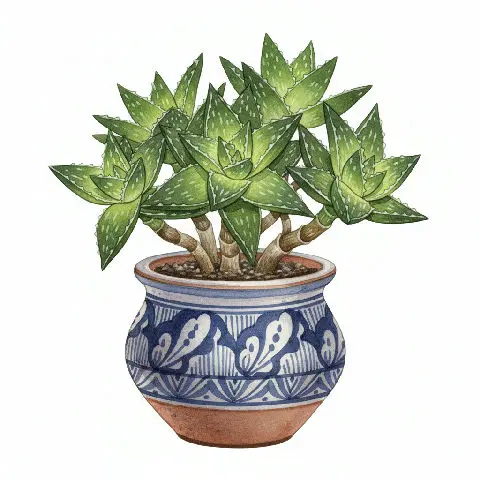
Aloe brevifolia, commonly known as the Short-leaved Aloe or Crocodile Tooth Aloe, is a charming, compact perennial succulent belonging to the Asphodelaceae family. Native to the Western Cape Province of South Africa, this species was first formally described by Philip Miller in 1768, with its scientific name 'brevifolia' aptly translating from Latin as 'short-leaved' to denote its distinctive foliage. The plant typically forms dense, clustering rosettes, distinguishing it from the larger, arboreal members of the Aloe genus.
Its leaves are a striking blue-green, often developing a reddish tint when exposed to direct sunlight or environmental stress, and are characterized by prominent white, cartilaginous teeth along their margins. While many aloes are globally recognized for their medicinal properties, Aloe brevifolia's primary recognition has historically been within horticultural circles due to its aesthetic appeal and relative ease of cultivation. In its natural habitat, Aloe brevifolia is critically endangered, primarily due to habitat loss from encroaching farmlands, underscoring its vulnerability despite its popularity in cultivation.
Modern scientific inquiry into this specific species is still limited compared to more widely studied relatives like Aloe vera or Aloe ferox, with research largely focusing on phytochemical screening. These studies consistently reveal the presence of various phenolic compounds, anthraquinones, and polysaccharides, which are characteristic constituents of the Aloe genus and contribute to its potential biological activities, such as anti-inflammatory and antioxidant effects. However, detailed pharmacological studies specifically isolating and testing compounds from Aloe brevifolia for therapeutic outcomes remain scarce.
Trusted Scientific References
1. Authoritative external sources for Aloe brevifolia
1.1 Wikipedia — Aloe brevifolia
1.2 Kew POWO (Plants of the World Online)
1.3 PubMed — peer-reviewed research
1.4 NCBI Taxonomy Browser
1.5 GBIF — Global Biodiversity
1.1.Aloe Brevifolia — Distinguishing Points
- ✓Compact, clustering rosette — Compact, clustering rosette growth habit.
- ✓Distinctive blue — green to reddish-tinged, short, thick leaves.
- ✓Prominent white, cartilaginous — Prominent white, cartilaginous teeth along leaf margins.
- ✓Exceptional drought tolerance, — Exceptional drought tolerance, ideal for xeriscaping.
- ✓Native to the — Native to the Western Cape Province of South Africa.
- ✓Listed as critically — Listed as critically endangered in its natural environment.
- ✓Produces vibrant pinkish — red flowers on tall, slender spikes in summer.
- ✓Contains characteristic Aloe — Contains characteristic Aloe genus phytochemicals with potential bioactivity.
- ✓Easily propagated through — Easily propagated through the separation of offsets or 'pups'.
- ✓Popular ornamental plant — Popular ornamental plant for rock gardens and container cultivation.
1.2.Aloe Brevifolia — Snapshot Summary
- ✓Compact, short-leaved succulent native to South Africa.
- ✓Critically endangered in its natural habitat due to agricultural expansion.
- ✓Primarily valued for its ornamental appeal rather than widespread traditional medicinal use.
- ✓Contains characteristic Aloe genus phytochemicals like anthraquinones, phenolics, and polysaccharides.
- ✓Oral ingestion is potentially toxic, causing severe gastrointestinal distress in humans and pets.
- ✓Requires bright sun, well-drained soil, and minimal watering, thriving in arid conditions.
2.Aloe Brevifolia — Botanical Identity
3.Aloe Brevifolia — Fact Sheet
4.Aloe Brevifolia — Botanical Features
5.Aloe Brevifolia — Ecological Habitat
6.Aloe Brevifolia — Folk Medicine Applications
7.Aloe Brevifolia — Chemical Profile
- ✓Anthraquinones — Key compounds like Aloin A and B, emodin, and barbaloin are found in the leaf exudate, primarily responsible for potential laxative and anti-inflammatory actions.
- ✓Polysaccharides — The leaf gel contains complex carbohydrates such as acemannan and glucomannans, which are known for their immunomodulatory, hydrating, and wound-healing properties.
- ✓Phenolic Compounds — Flavonoids (e.g., quercetin) and various phenolic acids (e.g., caffeic acid) are present, contributing to the plant's antioxidant and anti-inflammatory capacity.
- ✓Phytosterols — Compounds like beta-sitosterol and campesterol are found, which may offer anti-inflammatory and cholesterol-lowering potential, though specific to Aloe brevifolia, research is limited.
- ✓Vitamins — Contains trace amounts of vitamins, including Vitamin A (beta-carotene precursors), C, E, and B vitamins, contributing to its overall nutritional and antioxidant profile.
- ✓Minerals — Essential minerals such as calcium, magnesium, zinc, and selenium are present in trace amounts, acting as cofactors for various enzymatic and physiological processes.
- ✓Amino Acids — Both essential and non-essential amino acids are found, which are fundamental building blocks for proteins and contribute to skin health and tissue repair.
- ✓Enzymes — Enzymes like bradykinase and oxidase are present, potentially contributing to anti-inflammatory effects and other biochemical reactions.
- ✓Saponins — These glycosides are known for their cleansing and antiseptic properties, though their concentration and specific role in Aloe brevifolia are less studied.
- ✓Organic Acids — Salicylic acid, a known anti-inflammatory and exfoliating agent, may be present in trace amounts, contributing to topical benefits.
8.Aloe Brevifolia — Evidence-Based Benefits
- ✓Antioxidant Support — The presence of phenolic compounds and flavonoids in Aloe brevifolia suggests a potential for neutralizing free radicals, thereby protecting cells from oxidative damage and supporting overall cellular health.
- ✓Anti-inflammatory Properties — Anthraquinones and polysaccharides, characteristic of the Aloe genus, are known to exhibit anti-inflammatory effects, which could theoretically contribute to reducing swelling and discomfort, particularly in topical applications.
- ✓Skin Hydration — Like other aloes, the mucilaginous polysaccharides within the leaf gel of Aloe brevifolia possess humectant properties, potentially aiding in moisturizing and soothing the skin when applied externally.
- ✓Minor Wound Healing — While specific studies on Aloe brevifolia are limited, the general wound-healing properties attributed to the Aloe genus, primarily due to compounds like acemannan, suggest a potential for supporting the repair of minor skin abrasions.
- ✓Immune System Modulation — Polysaccharides, such as acemannan, found in Aloe species are recognized for their immunomodulatory effects, potentially supporting the body's natural defense mechanisms.
- ✓Cellular Protection — Various phytochemicals, including vitamins and minerals, contribute to cellular integrity and function, offering a protective role against environmental stressors.
- ✓Antimicrobial Potential (Topical) — Some compounds within the Aloe genus have demonstrated mild antimicrobial activity, suggesting a potential for external application to help cleanse and protect minor skin irritations.
- ✓Digestive Aid (Laxative Effect) — Anthraquinones, particularly aloin, found in the leaf exudate of many aloes, are known for their potent laxative effects; however, this specific property in Aloe brevifolia is associated with toxicity and is not recommended for internal use.
- ✓Sunburn Relief (External) — The cooling and hydrating properties, combined with potential anti-inflammatory action, could offer symptomatic relief for minor sunburn when applied topically, although caution is advised due to potential toxicity.
- ✓Detoxification Support (Caution Advised) — While anthraquinones can act as purgatives, potentially aiding in bowel cleansing, the internal use of Aloe brevifolia for detoxification is strongly discouraged due to its documented toxicity and adverse effects.
8.1.Aloe Brevifolia — Conditions Traditionally Used For
9.Aloe Brevifolia — Safety Considerations
9.1.Aloe Brevifolia — Caution Notes
- ✓Gastrointestinal Distress — Oral ingestion of Aloe brevifolia is potentially toxic, commonly leading to severe abdominal cramps, diarrhea, and nausea in humans and pets.
- ✓Dehydration — Prolonged or excessive laxative effect from anthraquinones can result in significant fluid loss and dehydration.
- ✓Electrolyte Imbalance — Severe diarrhea can disturb electrolyte balance, potentially leading to weakness, heart palpitations, and other serious health issues.
- ✓Allergic Contact Dermatitis — While rare, topical application of Aloe brevifolia gel may cause skin irritation, redness, itching, or allergic reactions in sensitive individuals.
- ✓Photosensitivity — Some anthraquinones can increase skin sensitivity to sunlight, potentially leading to phytophotodermatitis if applied topically before sun exposure.
- ✓Drug Interactions — Internal use could potentially interact with medications, particularly diuretics, corticosteroids, or cardiac glycosides, due to its influence on electrolyte levels.
- ✓Kidney Dysfunction — Long-term or high-dose oral consumption of anthraquinone-containing aloes has been associated with kidney damage.
9.2.Aloe Brevifolia — Safety Overview
- ✓Strictly for External Use — Aloe brevifolia is considered potentially toxic when ingested orally by humans and pets; internal consumption is strongly contraindicated.
- ✓Patch Test Recommended — Before topical application, always perform a small patch test on an inconspicuous area of skin to check for allergic reactions or sensitivity.
- ✓Avoid During Pregnancy & Lactation — Due to the presence of anthraquinones and potential for uterine stimulation or unknown effects on infants, pregnant and breastfeeding individuals should avoid use.
- ✓Keep Out of Reach of Children & Pets — Ensure the plant is inaccessible to prevent accidental ingestion, which can cause significant gastrointestinal distress.
- ✓Consult Healthcare Professional — Individuals with pre-existing medical conditions, especially kidney disease, heart conditions, or digestive disorders, should strictly avoid any internal use and consult a doctor before external application.
- ✓Monitor for Skin Reactions — Discontinue use immediately if any adverse skin reactions, such as redness, itching, or irritation, occur after topical application.
- ✓Proper Identification — Always confirm the correct identification of Aloe brevifolia to avoid confusion with other Aloe species that may have different safety profiles.
10.Aloe Brevifolia — Usage Guide
- ✓Ornamental Cultivation — Primarily grown as a decorative plant in rock gardens, xeriscape landscaping, or as a container plant due to its striking appearance and drought tolerance.
- ✓Ground Cover — Utilize its low-growing and spreading habit to create attractive, water-wise ground cover in suitable climates.
- ✓Topical Gel Extraction (with extreme caution) — For very minor, external skin irritations, a small amount of clear gel can be carefully extracted from a leaf; however, a patch test is crucial, and internal use is strictly contraindicated due to toxicity.
- ✓Propagation for New Plants — Separate offsets or 'pups' from the main rosette and plant them in well-draining soil to create new Aloe brevifolia plants.
- ✓Seed Sowing — Collect and sow seeds in a humid, consistently moist environment to germinate and grow new plants, primarily for horticultural purposes.
- ✓Photographic Subject — Its unique morphology and color variations make it a popular subject for botanical photography and art.
- ✓Educational Display — Used in botanical gardens and educational settings to showcase succulent diversity and adaptations to arid environments.
11.Aloe Brevifolia — Cultivation & Care
- ✓Sun Exposure — Provide several hours of bright, full sun daily, but offer partial shade during the harshest afternoon hours to prevent scorching.
- ✓Temperature & Humidity — Ideal temperatures range from 55-80°F (13-27°C); bring plants indoors if temperatures consistently drop below 40°F (4°C).
- ✓Watering Regime — Water thoroughly and deeply only when the soil has completely dried out during warm months; significantly reduce watering to about once every two months in cooler periods.
- ✓Soil Requirements — Use a gritty, well-drained mix specifically formulated for cacti or succulents, or amend regular potting soil with up to 50% pumice or coarse sand to enhance drainage.
- ✓Fertilization — Aloe brevifolia generally does not require fertilization; if desired, fertilize sparingly (no more than once a month) in summer with a balanced, half-strength, or succulent-specific fertilizer, never in winter.
- ✓Propagation — Easily propagated by separating new 'heads' or offsets that form on the outside of the cluster, ideally in summer; can also be grown from seed by maintaining even moisture and humidity until established.
- ✓Flowering — Produces pinkish-red flowers on a spike about 15 inches tall during summer, though flowering indoors is rare but possible with ample sunlight and heat.
- ✓Maintenance — Requires minimal maintenance; repot infrequently (every 2-3 years) into a container only slightly larger, as aloes prefer to be somewhat root-bound.
Reviewed by the Flora Medical Global Botanical Review Panel
Multi-disciplinary editorial group · Botany · Ethnobotany · Herbal-medicine literature
Who reviewed this: This page was checked by the Flora Medical Global Botanical Review Panel — an in-house editorial group of botany graduates, ethnobotany researchers, and horticulture practitioners who collectively maintain our 7,000+ plant encyclopedia. Meet the team.
Our 4-step verification process
1. Taxonomic verification
Scientific names and synonyms cross-checked against Kew POWO, World Flora Online, and The Plant List.
2. Phytochemical & medicinal cross-reference
Active compounds, traditional uses, and reported activities are cross-referenced with PubMed, USDA Dr. Duke's database, and peer-reviewed ethnobotanical literature.
3. Conservation & distribution check
Distribution, ecology, and conservation status confirmed against GBIF occurrence records and the IUCN Red List.
4. Editorial & safety review
Every entry passes an editorial pass for clarity, originality, and safety notices (toxicity, contraindications, dosage caveats) before publication.
Last reviewed:
Important medical disclaimer: This content is for educational and research purposes only. It is not medical advice and is not a substitute for consultation with a licensed healthcare provider. Do not use any herb to self-treat a medical condition without professional guidance.
Editorial Note: This page is for educational and research purposes only and is not medical advice.
Written by: Flora Medical Global Editorial Team
Reviewed by: Flora Medical Global Botanical Review Panel
Last Updated: June 15, 2026





Aloe Brevifolia — Comments & Community Reviews
Rate this plant