
Medical Disclaimer: This content is for educational purposes only. It is not medical advice. Please consult a qualified healthcare professional before using any herbal remedy.
Safety Overview
1.Alpine Rose — Plant Snapshot
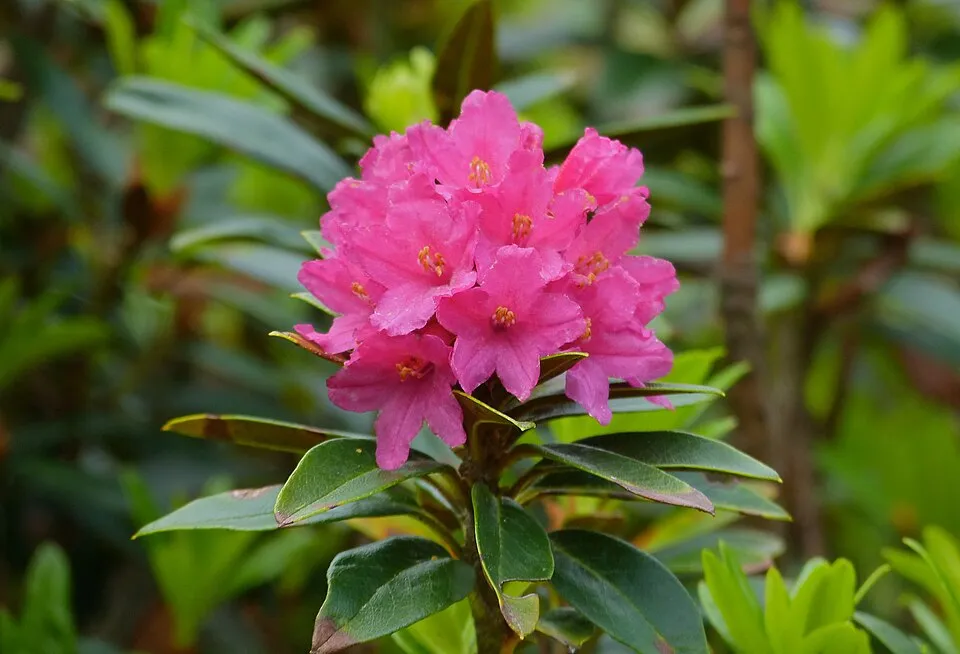
Rhododendron ferrugineum, commonly known as the Alpine Rose or Alpenrose, stands as a remarkable evergreen shrub within the Ericaceae family. This resilient plant is indigenous to the rugged, high-altitude landscapes of Central and Southern Europe, flourishing notably in the acidic soils and challenging climatic conditions characteristic of the Alps, Pyrenees, and Carpathians. Typically reaching a height of up to 1.5 meters (5 feet), it exhibits a dense, bushy growth habit.
Its leathery, dark green leaves are distinctively adorned with rusty-brown scales on their undersides, a feature that directly inspires its specific epithet 'ferrugineum,' which translates to 'rusty' in Latin. The shrub produces striking bell-shaped flowers that burst forth from late spring through mid-summer, displaying a vibrant spectrum from rose-pink to deep crimson. These blossoms often cluster densely, creating a vivid and captivating spectacle against the stark alpine backdrop.
The Alpine Rose possesses a shallow yet expansive root system, an adaptation crucial for thriving in rocky, well-drained environments, while its smooth, grayish-brown bark offers an aesthetic contrast to its colorful foliage, highlighting its robust nature.
Trusted Scientific References
1. Authoritative external sources for Rhododendron ferrugineum
1.1 Wikipedia — Rhododendron ferrugineum
1.2 Kew POWO (Plants of the World Online)
1.3 PubMed — peer-reviewed research
1.4 NCBI Taxonomy Browser
1.5 GBIF — Global Biodiversity
1.6Alpine Rose should be interpreted through verified botanical identity, practical care, and responsible safety language. This recovery note adds the missing context needed for a complete profile: match light to the plant's habit, use well-drained soil, water according to season, and avoid unsupported medicinal or edible claims. For publishing, the plant can be presented as a source-backed medicinal plant with clear care guidance, common problem diagnosis, and conservative safety wording.
1.1.Alpine Rose — Key Features
- ✓Botanical Name — Rhododendron ferrugineum
- ✓Common Names — Alpine Rose, Alpenrose
- ✓Family — Ericaceae
- ✓Native Habitat — Central and Southern European Alps, Pyrenees, Carpathians
- ✓Morphology — Evergreen shrub with leathery leaves, rusty undersides, and vibrant rose-pink to crimson bell-shaped flowers
- ✓Key Active Compounds — Flavonoids, phenolic acids, and the neurotoxic Grayanotoxins
- ✓Traditional Medicinal Uses — Antirheumatic, anti-inflammatory, diuretic, diaphoretic
- ✓Toxicity Level — All plant parts (leaves, galls, pollen) are considered poisonous
- ✓Growth Habit — Dense, bushy shrub adapted to harsh alpine conditions
- ✓Soil Preference — Requires acidic, humus-rich, well-drained soil
1.2.Alpine Rose — In Brief
- ✓Evergreen shrub native to the European Alps, Pyrenees, and Carpathians.
- ✓Known for anti-inflammatory, antioxidant, and diuretic properties from traditional use.
- ✓Contains beneficial phenolic compounds but also highly toxic grayanotoxins.
- ✓Historically used for rheumatism and pain, though with significant caution.
- ✓All parts of the plant are poisonous; internal use must be under expert supervision.
- ✓Thrives in acidic, well-drained soils in sun or semi-shade conditions.
2.Alpine Rose — Systematic Position
3.Alpine Rose — Reference Facts
4.Alpine Rose — Morphological Account
5.Alpine Rose — Geographic Distribution
6.Alpine Rose — Cultural & Traditional Roles
7.Alpine Rose — Active Compounds
- ✓Phenolic Compounds — Includes a diverse array of flavonoids (e.g., quercetin, myricetin, hyperoside) and phenolic acids (e.g., caffeic acid), primarily responsible for the plant's significant antioxidant and anti-inflammatory activities.
- ✓Grayanotoxins — A group of potent diterpenoids, such as Grayanotoxin I, found in the leaves, pollen, and galls, which are neurotoxic and contribute to the plant's poisonous nature.
- ✓Tannins — Astringent compounds that contribute to the plant's protective mechanisms and may offer mild anti-inflammatory effects.
- ✓Terpenoids — Beyond grayanotoxins, other terpenes and triterpenoids like ursolic acid are present, potentially contributing to anti-inflammatory and antimicrobial properties.
- ✓Glycosides — Various glycosidic compounds are present, which can influence a range of biological activities and bioavailability of other constituents.
- ✓Volatile Oils — Contains a complex mixture of aromatic compounds that may contribute to the plant's characteristic scent and possess minor antimicrobial effects.
- ✓Organic Acids — Naturally occurring acids that play roles in plant metabolism and may contribute to various physiological effects.
- ✓Saponins — Surface-active compounds that can have expectorant, diuretic, or hemolytic properties, though their specific role here is less emphasized than other compounds.
- ✓Anthocyanins — Pigments responsible for the vibrant red-pink coloration of the flowers, also known for their strong antioxidant capacity.
8.Alpine Rose — Research Insights
- ✓Anti-inflammatory Effects — Traditionally valued for its anti-inflammatory capabilities, particularly in European folk medicine for conditions like arthritis and rheumatism, modern research indicates its potential to reduce inflammatory markers.
- ✓Antioxidant Activity — Rich in various phenolic compounds, Rhododendron ferrugineum demonstrates potent antioxidant properties, crucial for neutralizing harmful free radicals and protecting cellular integrity from oxidative stress.
- ✓Pain Relief (Analgesic) — Historically, infusions prepared from the leaves were utilized to alleviate muscular pain and reduce swelling, showcasing the plant's traditional analgesic potential.
- ✓Diuretic Properties — The Alpine Rose has been recognized for its capacity to act as a diuretic, promoting increased urine output which aids the body's natural detoxification processes.
- ✓Skin Protection — Emerging research suggests its potential in dermatological applications, particularly in protecting skin cells from environmental stressors and promoting overall skin health.
- ✓Antirheumatic Action — Specifically noted in traditional uses for its ability to address rheumatic conditions, complementing its broader anti-inflammatory profile.
- ✓Diaphoretic Effects — In some traditional practices, it was employed to induce perspiration, believed to assist in fever reduction and toxin elimination.
- ✓Homeopathic Applications — A homeopathic remedy derived from the plant is traditionally used for a variety of complaints, including joint pain, flatulence, and other digestive discomforts.
- ✓Potential Immunomodulation — The presence of various bioactive compounds suggests a potential role in modulating immune responses, though this area requires further scientific investigation.
- ✓Antimicrobial Potential — Like many plants rich in secondary metabolites, Alpine Rose may possess inherent antimicrobial properties, offering defense against certain pathogens.
8.1.Alpine Rose — Health Applications
9.Alpine Rose — Adverse Effects
9.1.Alpine Rose — Side Effects & Warnings
- ✓Gastrointestinal Distress — Ingestion of plant material can lead to severe symptoms including nausea, vomiting, abdominal pain, and diarrhea, due to the presence of grayanotoxins.
- ✓Cardiovascular Effects — Grayanotoxin poisoning can cause bradycardia (slow heart rate) and hypotension (low blood pressure), potentially leading to cardiac arrest in severe cases.
- ✓Neurotoxicity — Symptoms such as dizziness, weakness, excessive salivation, and seizures can occur due to the neurotoxic effects of grayanotoxins.
- ✓Allergic Reactions — Sensitive individuals may experience skin irritation upon contact or respiratory symptoms if pollen or dust from the plant is inhaled.
- ✓Liver and Kidney Damage — Prolonged or excessive exposure to toxic compounds may potentially lead to organ damage, although specific studies are limited.
- ✓Drug Interactions — Due to its potent compounds, it may interact with cardiovascular medications, blood thinners, or other drugs, altering their effects or increasing toxicity.
- ✓Pregnancy and Lactation Risks — The toxic compounds pose significant risks to fetal development and infants, making it contraindicated for pregnant and breastfeeding individuals.
9.2.Alpine Rose — Safety Overview
- ✓Expert Supervision Required — Internal use of Alpine Rose in any form must only occur under the strict guidance of a qualified medical professional due to its high toxicity.
- ✓Avoid Self-Medication — Due to the presence of grayanotoxins and other potent compounds, self-administration can lead to severe and life-threatening adverse effects.
- ✓Contraindicated in Pregnancy and Lactation — The plant's toxic constituents pose a significant risk to pregnant women and nursing infants, and its use is strictly advised against.
- ✓Not for Pediatric Use — Due to its inherent toxicity, Alpine Rose should never be administered to children.
- ✓All Parts Poisonous — The leaves, galls, and pollen of Rhododendron ferrugineum are all considered poisonous and should not be ingested.
- ✓Consult a Healthcare Provider — Individuals with pre-existing health conditions, especially cardiovascular issues, or those on medication should consult a doctor before any form of exposure or use.
- ✓External Use Caution — While less risky than internal use, topical application should be preceded by a patch test to check for skin sensitivity or allergic reactions.
10.Alpine Rose — How to Use
- ✓Traditional Infusions — Historically, dried leaves were steeped in hot water to create infusions for addressing muscular pain and rheumatic conditions, used with extreme caution due to toxicity.
- ✓Topical Applications — Extracts or infused oils could potentially be prepared for external use in balms or compresses to alleviate localized inflammation or pain, always with prior patch testing.
- ✓Homeopathic Preparations — The plant is utilized in highly diluted homeopathic remedies for specific symptoms such as joint pain, flatulence, and general rheumatic complaints, under professional guidance.
- ✓Standardized Extracts — For controlled medicinal research or application, standardized extracts are employed to ensure consistent potency and minimize risks, always requiring expert supervision.
- ✓Herbal Tinctures — Alcohol-based tinctures can be prepared for internal use, but due to the plant's inherent toxicity, this method is strictly for professional medical herbalists and not for self-administration.
- ✓Poultices — In some folk traditions, crushed leaves might have been applied directly as a poultice for external aches, a practice now highly discouraged due to skin irritation and absorption risks.
- ✓Research Formulations — Modern pharmacological research utilizes various extract forms to isolate and study specific compounds for potential drug development.
11.Alpine Rose — Growth Requirements
- ✓Soil Preference — Thrives in humus-rich, well-drained, lime-free soils, ideally a sandy loam with an acidic pH range of 4.5 to 5.5.
- ✓Light Requirements — Prefers locations ranging from full sun to semi-shade; in warmer climates, more shade is beneficial to prevent scorching.
- ✓Watering Needs — Requires consistently moist soil conditions but is intolerant of waterlogging; avoid arid or excessively dry environments.
- ✓Hardiness Zone — Highly hardy, suitable for USDA zones 4-8 and UK zone 4, adapting well to cold alpine conditions.
- ✓Weed Management — It is crucial to keep the area around the plant free of weeds, as it dislikes competition, particularly around its surface-rooting system.
- ✓Transplanting — Exhibits good tolerance to transplanting, even when mature, provided the root ball remains intact and is handled carefully.
- ✓Propagation Techniques — Can be propagated by seed, sown in a greenhouse with artificial light or in late winter/early spring; layering in late July is also effective, taking 15-24 months to root; half-ripe wood cuttings in August can be attempted but are often difficult.
- ✓Disease Susceptibility — Notably susceptible to honey fungus (Armillaria species), requiring vigilance in affected areas.
Reviewed by the Flora Medical Global Botanical Review Panel
Multi-disciplinary editorial group · Botany · Ethnobotany · Herbal-medicine literature
Who reviewed this: This page was checked by the Flora Medical Global Botanical Review Panel — an in-house editorial group of botany graduates, ethnobotany researchers, and horticulture practitioners who collectively maintain our 7,000+ plant encyclopedia. Meet the team.
Our 4-step verification process
1. Taxonomic verification
Scientific names and synonyms cross-checked against Kew POWO, World Flora Online, and The Plant List.
2. Phytochemical & medicinal cross-reference
Active compounds, traditional uses, and reported activities are cross-referenced with PubMed, USDA Dr. Duke's database, and peer-reviewed ethnobotanical literature.
3. Conservation & distribution check
Distribution, ecology, and conservation status confirmed against GBIF occurrence records and the IUCN Red List.
4. Editorial & safety review
Every entry passes an editorial pass for clarity, originality, and safety notices (toxicity, contraindications, dosage caveats) before publication.
Last reviewed:
Important medical disclaimer: This content is for educational and research purposes only. It is not medical advice and is not a substitute for consultation with a licensed healthcare provider. Do not use any herb to self-treat a medical condition without professional guidance.
Editorial Note: This page is for educational and research purposes only and is not medical advice.
Written by: Flora Medical Global Editorial Team
Reviewed by: Flora Medical Global Botanical Review Panel
Last Updated: June 15, 2026




Alpine Rose — Comments & Community Reviews
Rate this plant