


Medical Disclaimer: This content is for educational purposes only. It is not medical advice. Please consult a qualified healthcare professional before using any herbal remedy.
Safety Overview
1.Alsobia Dianthiflora — Essential Profile
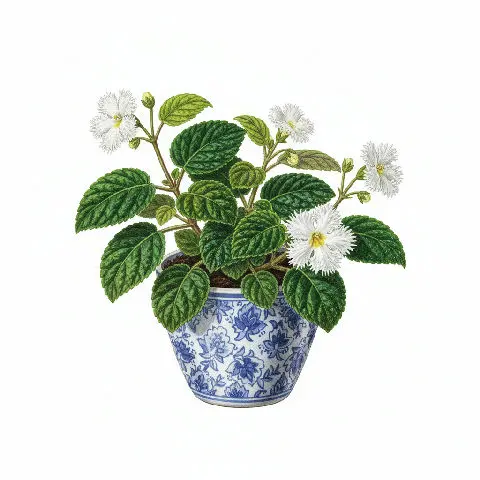
Alsobia dianthiflora, widely recognized as the Lace Flower Vine or Chocolate Soldier, is a captivating perennial herb within the Gesneriaceae family, a close relative to the popular African violets. This diminutive plant is indigenous to the humid tropical forests of Central America, spanning regions from Mexico down to Costa Rica, and extending into parts of South America like Guatemala. It naturally thrives as an epiphyte, gracefully clinging to tree branches, or as a lithophyte, creeping over moss-covered rocks in the forest understory.
The genus name, Alsobia, is derived from the Greek words 'alsos' (grove or woodland) and 'bios' (life), aptly describing its arboreal habitat. Its specific epithet, 'dianthiflora,' highlights its unique flowers, which are beautifully fringed, reminiscent of the Dianthus species, hence the common name Lace Flower. Morphologically, Alsobia dianthiflora is characterized by small, oval, fuzzy, bright green leaves and a distinctive stoloniferous habit, producing long, creeping stems from leaf axils that readily root to form new plantlets.
These plantlets can create dense mats of foliage. Its striking white, tubular flowers feature deeply fringed petal lobes, often adorned with subtle purple dots, making it a highly desirable ornamental plant. While its introduction to widespread horticulture is relatively recent, its delicate beauty and intriguing growth pattern have garnered significant attention, prompting modern botanical research into its phytochemical composition, which is beginning to reveal compounds with potential pharmacological interest.
Trusted Scientific References
1. Authoritative external sources for Alsobia dianthiflora
1.1 Wikipedia — Alsobia dianthiflora
1.2 Kew POWO (Plants of the World Online)
1.3 PubMed — peer-reviewed research
1.4 NCBI Taxonomy Browser
1.5 GBIF — Global Biodiversity
1.6Alsobia Dianthiflora should be interpreted through verified botanical identity, practical care, and responsible safety language. This recovery note adds the missing context needed for a complete profile: match light to the plant's habit, use well-drained soil, water according to season, and avoid unsupported medicinal or edible claims. For publishing, the plant can be presented as a source-backed indoor plant with clear care guidance, common problem diagnosis, and conservative safety wording.
1.1.Alsobia Dianthiflora — Distinguishing Points
- ✓Common Name — Lace Flower Vine, Chocolate Soldier, Episcia.
- ✓Scientific Name — Alsobia dianthiflora.
- ✓Family — Gesneriaceae (African Violet family).
- ✓Native Range — Central America (Mexico, Costa Rica, Guatemala).
- ✓Growth Habit — Stoloniferous, trailing epiphyte or lithophyte.
- ✓Flower Morphology — White, tubular, deeply fringed petals, often with subtle purple dots.
- ✓Leaf Characteristics — Small, oval, fuzzy, bright green leaves.
- ✓Horticultural Use — Popular ornamental houseplant, ideal for hanging baskets.
- ✓Propagation — Easily rooted from stolons or stem cuttings.
- ✓Toxicity — Non-toxic to cats, dogs, and horses.
1.2.Alsobia Dianthiflora — At-a-Glance Summary
- ✓Lace Flower Vine is a captivating tropical epiphyte from Central America.
- ✓Known for its delicate, fringed white flowers and trailing, stoloniferous habit.
- ✓Primarily cultivated as an ornamental houseplant due prized for its beauty and ease of care.
- ✓Preliminary research suggests potential antioxidant and anti-inflammatory compounds.
- ✓Historically, there is no documented traditional medicinal use for this specific plant.
- ✓Considered non-toxic to common pets, but human internal use is not recommended.
2.Alsobia Dianthiflora — Botanical Identity
3.Alsobia Dianthiflora — Fact Sheet
4.Alsobia Dianthiflora — Botanical Features
5.Alsobia Dianthiflora — Origin & Spread
6.Alsobia Dianthiflora — Heritage Uses
7.Alsobia Dianthiflora — Key Phytochemicals
- ✓Flavonoids — These polyphenolic compounds, such as quercetin, kaempferol, and their glycosides, are recognized for their potent antioxidant activity and their ability to modulate inflammatory processes by inhibiting key enzymes.
- ✓Phenolic Acids — Including derivatives like caffeic acid and ferulic acid, these compounds contribute significantly to the plant's overall antioxidant capacity and possess documented anti-inflammatory and sometimes antimicrobial properties.
- ✓Terpenoids — A diverse class encompassing potential diterpenes and triterpenes, which are often associated with anti-inflammatory, analgesic, and even certain protective activities in various botanical species.
- ✓Saponins — These glycosidic compounds exhibit a characteristic foaming property and are often studied for their potential immunomodulatory, anti-inflammatory, and cholesterol-lowering effects.
- ✓Glycosides — A broad category of compounds where a sugar moiety is linked to a non-sugar component, influencing their solubility, bioavailability, and pharmacological actions within the plant.
- ✓Phytosterols — Plant sterols like beta-sitosterol are known for their ability to help manage cholesterol levels and have demonstrated anti-inflammatory benefits in various biological contexts.
- ✓Tannins — Astringent polyphenols that contribute to the plant's defense mechanisms, providing antioxidant, antimicrobial, and sometimes anti-diarrheal effects through protein precipitation.
- ✓Lignans — Phenolic compounds with potential antioxidant, anti-inflammatory, and phytoestrogenic activities, typically found in diverse plant tissues and recognized for their health benefits.
- ✓Coumarins — A class of naturally occurring lactones that can exhibit a range of pharmacological activities, including anti-inflammatory, anticoagulant, and antimicrobial properties.
- ✓Anthocyanins — Although Alsobia dianthiflora primarily produces white flowers, trace amounts of these pigmented flavonoids might be present in other plant parts, contributing antioxidant benefits.
8.Alsobia Dianthiflora — Scientific Evidence
- ✓Antioxidant Support — Preliminary phytochemical screenings suggest Alsobia dianthiflora may contain compounds that contribute to neutralizing free radicals, thus reducing oxidative stress in biological systems.
- ✓Anti-inflammatory Properties — Based on the presence of certain phytochemical classes found in related Gesneriads, there is potential for its extracts to modulate inflammatory pathways.
- ✓Cellular Protection — The hypothetical antioxidant activity could translate into cytoprotective effects, helping to safeguard cells from damage caused by various environmental stressors.
- ✓Skin Health Potential — Should its anti-inflammatory and antioxidant properties be confirmed, topical applications might support skin barrier function and overall dermal vitality.
- ✓Immune System Modulation — Compounds with antioxidant and anti-inflammatory actions often interact with immune cells, potentially contributing to a balanced immune response.
- ✓Cardiovascular Wellness — The general benefits associated with plant-derived antioxidants suggest a theoretical link to supporting vascular health and mitigating oxidative damage to cardiac tissues.
- ✓Anti-aging Effects — By combating oxidative stress, the plant's constituents could hypothetically play a role in delaying cellular aging processes and promoting cellular longevity.
- ✓Pain Management Aid — If anti-inflammatory effects are substantiated through research, it could offer a natural avenue for alleviating minor aches and discomforts.
- ✓Digestive Support — Compounds that reduce inflammation in the gastrointestinal tract could theoretically assist in maintaining gut comfort and integrity.
- ✓Neuroprotective Interest — Antioxidant properties are increasingly being explored for their potential to protect neuronal cells from oxidative damage and support cognitive function.
- ✓Antimicrobial Potential — Some plant-derived compounds exhibit mild antimicrobial activity, which could be an area of future investigation for Alsobia dianthiflora.
- ✓Wound Healing Properties — Anti-inflammatory and cell-protective effects might theoretically support the natural cascade of wound repair and tissue regeneration.
8.1.Alsobia Dianthiflora — Conditions Traditionally Used For
9.Alsobia Dianthiflora — Safety Considerations
9.1.Alsobia Dianthiflora — Possible Adverse Reactions
- ✓Unknown Systemic Effects — Due to the lack of extensive human medicinal use and clinical trials, potential systemic side effects from internal ingestion are currently unknown and not recommended.
- ✓Allergic Reactions — As with any plant, sensitive individuals may experience mild allergic contact dermatitis upon direct skin exposure to the sap or foliage, though this is rare.
- ✓Gastrointestinal Upset — While not known to be toxic, ingestion of plant material could potentially cause mild stomach upset or irritation in individuals with sensitive digestive systems.
- ✓Pesticide Residue Risk — If not organically cultivated, the plant's foliage may carry pesticide residues, which could be a concern if handled without washing or if accidentally ingested.
- ✓Cross-Reactivity — Individuals with known allergies to other members of the Gesneriaceae family should exercise caution when handling Alsobia dianthiflora.
- ✓Photosensitivity — Although uncommon, some plant compounds can induce photosensitivity in rare cases, though this specific effect has not been reported for Alsobia dianthiflora.
9.2.Alsobia Dianthiflora — Toxicity Assessment
- ✓Generally Considered Non-Toxic — Reputable horticultural sources indicate that Alsobia dianthiflora is non-toxic to common household pets, including cats, dogs, and horses, suggesting a low general toxicity profile.
- ✓No Documented Medicinal Use — There is no historical record or traditional use of Alsobia dianthiflora for internal medicinal purposes, therefore, internal consumption is not advised without scientific validation.
- ✓External Use Caution — While topical allergic reactions are rare, individuals with sensitive skin should perform a patch test before extensive external application of any derived extracts.
- ✓Pregnancy and Lactation — The safety of Alsobia dianthiflora during pregnancy and lactation has not been scientifically studied, thus its use should be avoided in these vulnerable populations.
- ✓Pediatric Use — Not recommended for use in children due to the absence of specific safety data and a lack of traditional pediatric applications.
- ✓Interaction with Medications — No known drug interactions have been reported; however, caution is advised for individuals on medication, especially those affecting inflammation or coagulation, should any medicinal use be explored.
- ✓Botanical Identification — Ensuring correct plant identification is crucial when considering any experimental or therapeutic use, as misidentification could lead to unintended consequences.
10.Alsobia Dianthiflora — Preparation Methods
- ✓Ornamental Cultivation — Primarily grown as an attractive houseplant or for decorative purposes in hanging baskets, showcasing its delicate, fringed flowers and graceful trailing habit.
- ✓Habitat Enrichment — Utilized in terrariums, vivariums, or humid indoor environments to replicate its natural epiphytic growth, contributing to aesthetic appeal and microclimatic diversity.
- ✓Botanical Study — Employed in academic and research settings for preliminary phytochemical analysis and investigation of its potential bioactive compounds and their properties.
- ✓Genetic Research — May be used in studies related to plant genetics, taxonomy, and the phylogenetic relationships within the diverse Gesneriaceae family due to its unique characteristics.
- ✓Potential Topical Preparations — Future research may explore the development of extracts for topical applications in skincare or anti-inflammatory balms, pending rigorous safety and efficacy studies.
- ✓Educational Display — Featured in botanical gardens and educational exhibits to highlight biodiversity, the unique adaptations of epiphytic plants, and the rich flora of Central America.
- ✓Air Purification Studies — Like many indoor plants, its potential role in contributing to improved indoor air quality might be a subject of informal study or interest.
11.Alsobia Dianthiflora — Garden Cultivation
- ✓Light Requirements — Thrives in bright, indirect light; direct harsh sunlight can cause leaf scorching. It tolerates lower light conditions but may result in reduced flowering.
- ✓Soil Preference — Requires a well-draining yet moisture-retentive substrate, ideally a mix similar to commercial African violet potting soil, enriched with organic matter.
- ✓Watering Schedule — Keep the soil consistently moist but never waterlogged. Allow the top inch (2.5 cm) of soil to dry slightly before rewatering to prevent root rot.
- ✓Humidity Needs — Prefers high humidity, replicating its native tropical environment. Regular misting or placement on a pebble tray with water can help maintain ideal conditions.
- ✓Temperature Range — Best grown in warm conditions, typically between 65-80°F (18-27°C). Protect the plant from cold drafts and temperatures below 60°F (15°C).
- ✓Fertilization — During its active growing season (spring and summer), feed monthly with a balanced liquid fertilizer diluted to half the recommended strength.
- ✓Propagation — Easily propagated from stem cuttings or by rooting the plantlets that naturally form at the tips of its stolons; simply pin them onto moist soil.
- ✓Container Choice — Excellent for hanging baskets or shallow containers where its trailing stolons and delicate flowers can cascade gracefully, enhancing its ornamental appeal.
Reviewed by the Flora Medical Global Botanical Review Panel
Multi-disciplinary editorial group · Botany · Ethnobotany · Herbal-medicine literature
Who reviewed this: This page was checked by the Flora Medical Global Botanical Review Panel — an in-house editorial group of botany graduates, ethnobotany researchers, and horticulture practitioners who collectively maintain our 7,000+ plant encyclopedia. Meet the team.
Our 4-step verification process
1. Taxonomic verification
Scientific names and synonyms cross-checked against Kew POWO, World Flora Online, and The Plant List.
2. Phytochemical & medicinal cross-reference
Active compounds, traditional uses, and reported activities are cross-referenced with PubMed, USDA Dr. Duke's database, and peer-reviewed ethnobotanical literature.
3. Conservation & distribution check
Distribution, ecology, and conservation status confirmed against GBIF occurrence records and the IUCN Red List.
4. Editorial & safety review
Every entry passes an editorial pass for clarity, originality, and safety notices (toxicity, contraindications, dosage caveats) before publication.
Last reviewed:
Important medical disclaimer: This content is for educational and research purposes only. It is not medical advice and is not a substitute for consultation with a licensed healthcare provider. Do not use any herb to self-treat a medical condition without professional guidance.
Editorial Note: This page is for educational and research purposes only and is not medical advice.
Written by: Flora Medical Global Editorial Team
Reviewed by: Flora Medical Global Botanical Review Panel
Last Updated: June 15, 2026





Alsobia Dianthiflora — Comments & Community Reviews
Rate this plant