
Medical Disclaimer: This content is for educational purposes only. It is not medical advice. Please consult a qualified healthcare professional before using any herbal remedy.
Safety Overview
1.Aluminum Plant — Botanical Snapshot
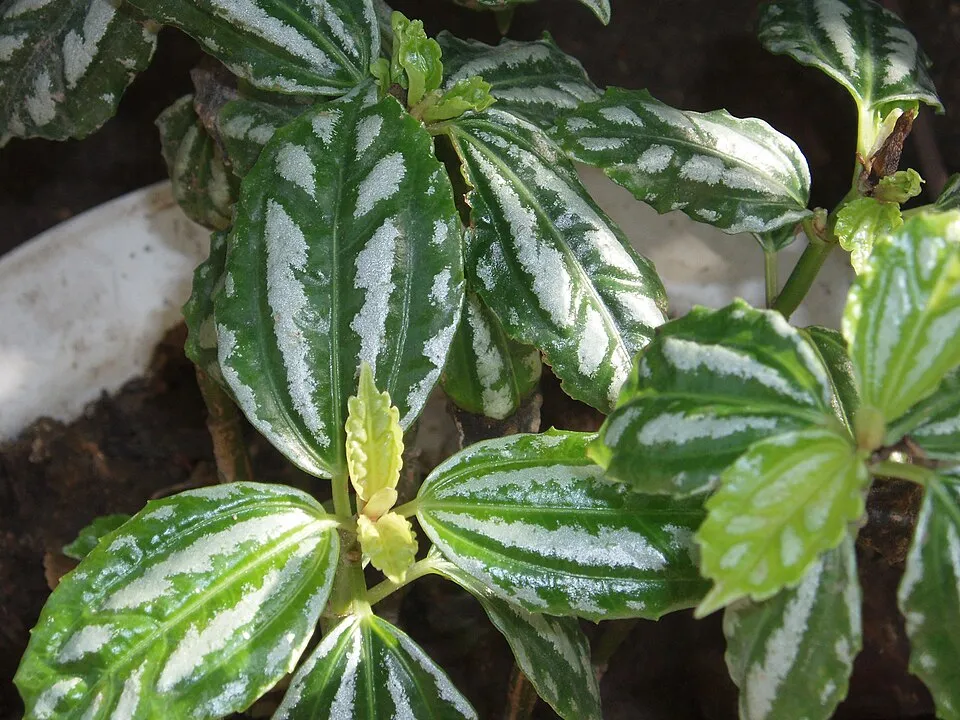
The Aluminum Plant, scientifically known as Pilea cadierei, is a captivating perennial herbaceous species belonging to the Urticaceae family, often admired for its striking foliage. Native to the tropical understory regions of Vietnam and Southern China, it thrives in warm, humid environments, typically growing as a ground cover in shady, moist conditions. This species derives its common name from the distinctive silvery-grey, metallic-looking splashes that adorn its olive-green, somewhat blistered leaves.
These unique markings are not due to actual metal but rather to intricate air pockets beneath the epidermal layer, which reflect light in a characteristic way. Discovered and introduced into cultivation during the mid-20th century, Pilea cadierei quickly became a favored houseplant globally due to its aesthetic appeal, compact growth habit, and relatively undemanding care requirements. It typically forms an upright, shrubby clump, reaching heights of 6 to 12 inches.
The elliptic to obovate leaves are serrated along the margins, presenting four prominent rows of the characteristic silver patches, which also give rise to its alternative common names like Watermelon Pilea or Watermelon Plant. While its tiny green cymes are rarely observed in indoor cultivation, its primary ornamental value lies in its vibrant and textured leaves, making it a popular choice for enhancing indoor air quality and contributing to biophilic design in homes and offices.
Trusted Scientific References
1. Authoritative external sources for Pilea cadierei
1.1 Wikipedia — Pilea cadierei
1.2 Kew POWO (Plants of the World Online)
1.3 PubMed — peer-reviewed research
1.4 NCBI Taxonomy Browser
1.5 GBIF — Global Biodiversity
1.6Aluminum Plant should be interpreted through verified botanical identity, practical care, and responsible safety language. This recovery note adds the missing context needed for a complete profile: match light to the plant's habit, use well-drained soil, water according to season, and avoid unsupported medicinal or edible claims. For publishing, the plant can be presented as a source-backed indoor plant with clear care guidance, common problem diagnosis, and conservative safety wording.
1.1.Aluminum Plant — Highlights
- ✓Distinctive silver — splashed, olive-green leaves that resemble brushed aluminum.
- ✓Compact, upright herbaceous — Compact, upright herbaceous perennial growth habit, typically 6-12 inches tall.
- ✓Belongs to the — Belongs to the Urticaceae family, native to tropical regions of Vietnam and Southern China.
- ✓Highly popular as — Highly popular as an indoor ornamental plant due to its unique aesthetic appeal.
- ✓Thrives in high — Thrives in high humidity and bright, indirect light, making it suitable for many indoor environments.
- ✓Contains beneficial phytochemicals — Contains beneficial phytochemicals such as flavonoids and phenolic acids, indicating antioxidant potential.
- ✓Relatively low maintenance — Relatively low maintenance and easy to care for, suitable for beginner plant enthusiasts.
- ✓Easily propagated from — Easily propagated from stem cuttings, allowing for simple plant replacement or expansion.
- ✓Contributes to indoor — Contributes to indoor air quality and enhances biophilic design in homes and offices.
- ✓Leaves have a — Leaves have a textured, somewhat blistered appearance, adding to their visual interest.
1.2.Aluminum Plant — Concise Overview
- ✓Aluminum Plant (Pilea cadierei) is a popular ornamental houseplant known for its distinctive silver-splashed foliage.
- ✓Native to tropical Vietnam, it thrives in warm, humid, indirect light conditions.
- ✓Its phytochemical profile includes flavonoids and phenolic compounds, suggesting potential antioxidant and anti-inflammatory activities.
- ✓Specific medicinal research on P. cadierei is nascent, with traditional uses more documented for its relatives within the Pilea genus.
- ✓Generally considered non-toxic for common household pets, but internal consumption by humans is not recommended due to limited safety data.
- ✓Easy to care for and propagate, making it a favorite for indoor gardening and biophilic design.
2.Aluminum Plant — Nomenclature & Classification
3.Aluminum Plant — Vital Statistics
4.Aluminum Plant — Botanical Features
5.Aluminum Plant — Ecological Habitat
6.Aluminum Plant — Traditional Uses
7.Aluminum Plant — Phytochemistry
- ✓Flavonoids — Key compounds like quercetin and kaempferol derivatives are present, contributing to antioxidant and anti-inflammatory actions.
- ✓Phenolic Acids — Includes caffeic acid, ferulic acid, gallic acid, and chlorogenic acid, recognized for their robust antioxidant and potential antimicrobial effects.
- ✓Tannins — These astringent compounds may contribute to potential wound-healing and anti-inflammatory properties through protein precipitation.
- ✓Saponins — Detected in some Pilea species, these compounds can have diverse biological activities, including immunomodulatory and hypocholesterolemic effects.
- ✓Terpenoids — Various monoterpenes and triterpenoids, such as ursolic acid, may be present, often associated with anti-inflammatory and antiproliferative activities.
- ✓Polysaccharides — Complex carbohydrates that can contribute to immune system support and have demulcent properties.
- ✓Plant Sterols — Compounds like beta-sitosterol, which are known for their cholesterol-lowering and anti-inflammatory potential.
- ✓Alkaloids — While less prominent in the Pilea genus compared to some other plant families, trace amounts of nitrogen-containing compounds may be present, warranting further investigation.
- ✓Vitamins and Minerals — Contains trace amounts of essential vitamins and minerals crucial for general plant health, which could theoretically transfer in extracts.
8.Aluminum Plant — Pharmacological Findings
- ✓Antioxidant Support — Pilea cadierei contains flavonoids and phenolic compounds, which are known to possess significant antioxidant properties, helping to neutralize free radicals in the body.
- ✓Anti-inflammatory Potential — The presence of various phytochemicals, particularly flavonoids, suggests a potential for anti-inflammatory effects, similar to those observed in other species within the Pilea genus.
- ✓Wound Healing Properties — While not extensively documented for P. cadierei specifically, its relatives in traditional Southeast Asian medicine have been used topically to aid in minor wound healing and skin repair.
- ✓Antimicrobial Activity — Phenolic compounds found in plants often exhibit antimicrobial actions, suggesting a potential role for Aluminum Plant extracts in inhibiting certain microbial growth.
- ✓Immune System Modulation — General plant constituents like polysaccharides and certain phytochemicals can contribute to supporting and modulating the body's immune responses.
- ✓Skin Health Enhancement — Antioxidant and anti-inflammatory properties could potentially contribute to maintaining healthy skin and alleviating minor skin irritations when applied topically.
- ✓Biophilic Stress Reduction — As a popular ornamental houseplant, its presence contributes to biophilic design, which has been linked to psychological benefits such as reduced stress and improved mood.
- ✓Cardiovascular Health Support — Flavonoids are often associated with positive effects on cardiovascular health, potentially contributing to the maintenance of healthy blood vessels and circulation.
- ✓Detoxification Pathways — Antioxidants can indirectly support the body's natural detoxification processes by protecting cells from oxidative damage.
- ✓General Tonic Properties — In some traditional systems, plants with similar phytochemical profiles are considered general tonics, promoting overall well-being, though this is speculative for P. cadierei.
8.1.Aluminum Plant — Reported Uses
9.Aluminum Plant — Cautions & Contraindications
9.1.Aluminum Plant — Caution Notes
- ✓Gastrointestinal Upset — Ingestion of Pilea cadierei can potentially cause mild gastrointestinal discomfort, including nausea or stomach upset.
- ✓Skin Irritation — Direct contact with the sap or plant material may cause mild skin irritation or allergic dermatitis in sensitive individuals.
- ✓Allergic Reactions — Although rare, individuals sensitive to plants in the Urticaceae family may experience allergic reactions upon contact or ingestion.
- ✓Mucous Membrane Irritation — Ingestion could lead to irritation of the mouth, throat, or digestive tract lining.
- ✓Toxicity Concerns — While generally considered non-toxic for common pets, human internal consumption is not recommended due to limited safety data and potential for mild toxicity.
- ✓Pests and Diseases — Overwatering can lead to root rot, and poor circulation can cause powdery mildew, affecting plant health.
9.2.Aluminum Plant — Toxicity Assessment
- ✓Not for Internal Consumption — Pilea cadierei is primarily an ornamental plant; internal consumption is strongly discouraged due to insufficient safety data and potential for mild irritation.
- ✓Topical Patch Test — For any topical application, perform a small patch test on the skin to check for sensitivity or allergic reactions before broader use.
- ✓Pregnancy and Lactation — Pregnant or breastfeeding individuals should avoid any medicinal use of Pilea cadierei due to a lack of safety research.
- ✓Children and Pets — Keep the plant out of reach of young children and pets to prevent accidental ingestion, despite its general non-toxic classification for common household animals.
- ✓Allergic Sensitivity — Individuals with known allergies to plants in the Urticaceae family should exercise extreme caution or avoid contact.
- ✓Medical Consultation — Always consult a healthcare professional before considering any medicinal use of this plant, especially if you have underlying health conditions or are taking other medications.
10.Aluminum Plant — Preparations & Uses
- ✓Topical Compress — For external use on minor skin irritations or superficial wounds, a poultice or compress made from crushed leaves could be applied, based on traditional uses of Pilea relatives.
- ✓Infused Oil — Leaves could be infused in a carrier oil to create a botanical oil for potential topical application for skin soothing, though specific efficacy for P. cadierei is unconfirmed.
- ✓Herbal Infusion (External) — A mild tea or infusion of the leaves might be prepared for use as a skin wash or rinse, strictly for external application.
- ✓Tincture (Research only) — For research purposes, an ethanolic tincture could be prepared to extract phytochemicals for further study of its antioxidant or anti-inflammatory properties.
- ✓Decoction (External) — A stronger decoction of plant parts could be made for external use in traditional practices for related Pilea species, focusing on skin conditions.
- ✓Ornamental Display — Primarily used as an ornamental houseplant to enhance indoor aesthetics, improve air quality, and provide biophilic benefits.
- ✓Botanical Specimen — Cultivated as a botanical specimen in educational and research settings to study its unique morphology and phytochemical composition.
11.Aluminum Plant — How to Grow
- ✓Indoor Environment — Thrives best indoors in a warm, humid environment, mimicking its native tropical understory habitat.
- ✓Light Requirements — Prefers bright, indirect light; direct full sun can scorch its delicate leaves.
- ✓Soil and Potting — Use a well-draining, peaty soil-based potting mix to ensure adequate moisture retention without waterlogging.
- ✓Watering Schedule — Water moderately during the active growing season, allowing the top inch of soil to dry out between waterings; reduce frequency in fall and winter.
- ✓Humidity Management — Benefits significantly from high humidity; consider placing on a bed of wet pebbles or using a room humidifier.
- ✓Pruning and Maintenance — Pinch stem tips regularly to encourage a bushier, more compact growth habit and prevent legginess.
- ✓Propagation — Easily propagated from stem cuttings in early spring or summer, allowing for annual replacement of older, less vibrant plants.
- ✓Pest and Disease Control — Monitor for common houseplant pests like mealybugs, aphids, and spider mites; ensure good air circulation to prevent powdery mildew.
Reviewed by the Flora Medical Global Botanical Review Panel
Multi-disciplinary editorial group · Botany · Ethnobotany · Herbal-medicine literature
Who reviewed this: This page was checked by the Flora Medical Global Botanical Review Panel — an in-house editorial group of botany graduates, ethnobotany researchers, and horticulture practitioners who collectively maintain our 7,000+ plant encyclopedia. Meet the team.
Our 4-step verification process
1. Taxonomic verification
Scientific names and synonyms cross-checked against Kew POWO, World Flora Online, and The Plant List.
2. Phytochemical & medicinal cross-reference
Active compounds, traditional uses, and reported activities are cross-referenced with PubMed, USDA Dr. Duke's database, and peer-reviewed ethnobotanical literature.
3. Conservation & distribution check
Distribution, ecology, and conservation status confirmed against GBIF occurrence records and the IUCN Red List.
4. Editorial & safety review
Every entry passes an editorial pass for clarity, originality, and safety notices (toxicity, contraindications, dosage caveats) before publication.
Last reviewed:
Important medical disclaimer: This content is for educational and research purposes only. It is not medical advice and is not a substitute for consultation with a licensed healthcare provider. Do not use any herb to self-treat a medical condition without professional guidance.
Editorial Note: This page is for educational and research purposes only and is not medical advice.
Written by: Flora Medical Global Editorial Team
Reviewed by: Flora Medical Global Botanical Review Panel
Last Updated: June 15, 2026





Aluminum Plant — Comments & Community Reviews
Rate this plant