


Medical Disclaimer: This content is for educational purposes only. It is not medical advice. Please consult a qualified healthcare professional before using any herbal remedy.
Safety Overview
1.Amaranthus Caudatus — At a Glance
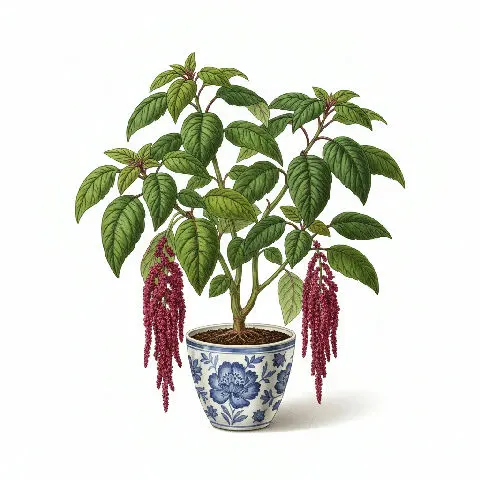
Amaranthus caudatus, widely recognized by its evocative common names Love-Lies-Bleeding, Tassel Flower, and Kiwicha, is a striking annual herbaceous plant within the Amaranthaceae family. Its origins trace back thousands of years to the high-altitude Andean regions of South America, particularly Peru and Ecuador, where it was a cornerstone crop and sacred plant for pre-Columbian civilizations such as the Incas, Aztecs, and Maya. Post-colonization, its remarkable adaptability and superior nutritional profile facilitated its global spread, establishing it as a significant food source in diverse climates. The plant is botanically distinguished by its unique, long, pendulous inflorescences, which can vary in color from deep crimson to green-yellow, resembling luxuriant tassels or ropes up to 60 cm in length.
These vibrant floral displays not only contribute to its ornamental appeal in gardens worldwide but also signify its bountiful seed production. As a pseudocereal, Amaranthus caudatus is not a true grass-derived grain but its seeds are consumed similarly, offering an exceptional gluten-free nutritional package. These seeds are celebrated for their high protein content, a complete profile of essential amino acids (notably rich in lysine, often scarce in conventional grains), substantial dietary fiber, and a broad spectrum of vital micronutrients. Beyond its renowned nutritive value, traditional healing systems have long revered its therapeutic attributes.
While not explicitly named in ancient Ayurvedic texts due to its non-native origin, similar Amaranthus species are referenced for their cooling and anti-inflammatory properties, principles that are applied to A. caudatus’s energetic profile. In Unani and traditional South American medicine, both its leaves and seeds have historically been utilized for their antipyretic, astringent, and anti-hemorrhagic qualities. Contemporary pharmacological investigations are increasingly substantiating these time-honored applications.
Trusted Scientific References
1. Authoritative external sources for Amaranthus caudatus
1.1 Wikipedia — Amaranthus caudatus
1.2 Kew POWO (Plants of the World Online)
1.3 PubMed — peer-reviewed research
1.4 NCBI Taxonomy Browser
1.5 GBIF — Global Biodiversity
1.1.Amaranthus Caudatus — Highlights
- ✓Pseudocereal Status — Not a true grain but cultivated for its highly nutritious, gluten-free seeds.
- ✓Complete Protein Source — Exceptional amino acid profile, including high levels of lysine.
- ✓Distinctive Morphology — Characterized by long, drooping, crimson or green-yellow inflorescences.
- ✓Rich in Bioactive Compounds — Contains betacyanins, tocopherols, squalene, and phenolic compounds.
- ✓Traditional Medicinal Uses — Employed for antipyretic, astringent, and anti-hemorrhagic effects.
- ✓High Nutritional Value — Packed with dietary fiber, essential minerals (calcium, iron), and vitamins.
- ✓Global Adaptability — Cultivated worldwide in diverse climates due to its hardiness.
- ✓Historical Significance — Staple food and ceremonial plant for ancient Andean civilizations.
- ✓Antioxidant Powerhouse — Potent free radical scavenging capabilities from its phytochemicals.
- ✓Culinary Versatility — Seeds are used as grain, flour, or popped; leaves as a nutritious vegetable.
1.2.Amaranthus Caudatus — At-a-Glance Summary
- ✓Ancient Andean pseudocereal, rich in complete protein and essential amino acids.
- ✓Known for striking, tassel-like crimson or green-yellow inflorescences.
- ✓Possesses significant antioxidant, anti-inflammatory, and antimicrobial properties.
- ✓Traditionally used for fevers, inflammation, and bleeding in various cultures.
- ✓Excellent gluten-free nutritional source, high in fiber, minerals, and squalene.
- ✓Culinary versatility includes seeds as grain and leaves as a vegetable.
2.Amaranthus Caudatus — Nomenclature & Classification
3.Amaranthus Caudatus — Vital Statistics
4.Amaranthus Caudatus — Physical Description
5.Amaranthus Caudatus — Native Range & Habitat
6.Amaranthus Caudatus — Heritage Uses
7.Amaranthus Caudatus — Chemical Profile
- ✓Betacyanins — These nitrogen-containing pigments, including amaranthine, isoamaranthine, betanin, and isobetanin, are responsible for the vibrant red-purple coloration of the flowers and possess potent antioxidant activities.
- ✓Tocopherols — Found in significant quantities, particularly β-tocopherol, these compounds are forms of Vitamin E, acting as powerful lipid-soluble antioxidants that protect cell membranes from oxidative damage.
- ✓Organic Acids — The plant contains various organic acids such as oxalic acid, shikimic acid, and fumaric acid, which contribute to its overall metabolic profile and potential physiological effects.
- ✓Squalene — A triterpene hydrocarbon, squalene is notably present in Amaranthus caudatus seeds and is recognized for its antioxidant, anti-inflammatory, and cholesterol-lowering properties.
- ✓Unsaturated Fatty Acids — The seeds are rich in beneficial unsaturated fatty acids, which play a critical role in cardiovascular health and cellular function.
- ✓Peptides — Specific peptides within Amaranthus caudatus have been identified with potential bioactive properties, including antihypertensive and anticancer effects.
- ✓Phenolics — A diverse group of compounds, phenolics contribute significantly to the plant's antioxidant capacity and protective effects against various diseases.
- ✓Flavonoids — These polyphenolic compounds are known for their antioxidant, anti-inflammatory, and immune-modulating properties.
- ✓Saponins — While present, some saponins in amaranth species have demonstrated cholesterol-lowering and immune-stimulating activities.
- ✓Dietary Fiber — Both soluble and insoluble fibers are abundant, crucial for digestive health, blood sugar regulation, and cholesterol management.
- ✓Essential Amino Acids — The seeds offer a complete protein profile, with particularly high levels of lysine, methionine, and cysteine, vital for human growth and repair.
- ✓Minerals — Significant levels of calcium, iron, magnesium, phosphorus, and zinc are present, supporting bone health, oxygen transport, and enzymatic functions.
8.Amaranthus Caudatus — Scientific Evidence
- ✓Antioxidant Support — Amaranthus caudatus flowers and seeds contain a rich array of bioactive compounds, including betacyanins and tocopherols, which effectively scavenge free radicals and mitigate oxidative stress throughout the body.
- ✓Anti-inflammatory Action — Traditional uses and modern research suggest that various compounds within the plant possess properties that help to reduce inflammation, potentially alleviating symptoms of inflammatory conditions.
- ✓Antimicrobial Properties — Extracts from Amaranthus caudatus have demonstrated inhibitory effects against several pathogenic bacteria, indicating its potential role in combating microbial infections.
- ✓Nutritional Enhancement — As a pseudocereal, Kiwicha seeds are a complete protein source, offering all essential amino acids, particularly lysine, which is crucial for nutrient absorption and muscle repair, thereby supporting overall health and preventing malnutrition.
- ✓Digestive Health Improvement — The high dietary fiber content in Amaranthus caudatus seeds promotes healthy digestion, aids in bowel regularity, and can contribute to gut microbiome balance.
- ✓Cardiovascular Wellness — The presence of squalene and unsaturated fatty acids in the seeds may help in managing cholesterol levels, thereby supporting heart health and reducing the risk of cardiovascular diseases.
- ✓Antipyretic Effects — In traditional South American and Unani medicine, the plant's leaves and seeds were historically employed to reduce fevers, acting as a natural fever-reducing agent.
- ✓Astringent Qualities — The plant has been traditionally used for its astringent properties, which can help to constrict body tissues, making it useful for managing minor wounds or excessive secretions.
- ✓Anti-hemorrhagic Applications — Historically, Amaranthus caudatus was applied to stop bleeding, indicating its traditional role in managing hemorrhages due to its potential coagulant or vessel-constricting properties.
- ✓Cytoprotective Activity — Studies indicate that extracts exhibit no toxicity to normal cells, suggesting a potential for selective action against harmful cells while protecting healthy tissues.
- ✓Blood Sugar Regulation — Its high fiber and protein content contribute to a slower release of glucose into the bloodstream, potentially aiding in blood sugar management.
- ✓Bone Health Support — Rich in minerals like calcium and magnesium, Amaranthus caudatus contributes to stronger bones and teeth, supporting skeletal integrity.
8.1.Amaranthus Caudatus — Indications & Uses
9.Amaranthus Caudatus — Cautions & Contraindications
9.1.Amaranthus Caudatus — Possible Adverse Reactions
- ✓Oxalate Content — Amaranthus leaves contain oxalates, which can interfere with mineral absorption and may be a concern for individuals prone to kidney stones if consumed in very large quantities raw.
- ✓Allergic Reactions — Although rare, some individuals may experience allergic reactions to amaranth, including skin rashes, digestive upset, or respiratory symptoms.
- ✓Digestive Discomfort — Overconsumption of raw or improperly cooked amaranth seeds or leaves, due to their high fiber content, might lead to bloating, gas, or stomach upset in sensitive individuals.
- ✓Nutrient Interactions — High fiber and phytate content in raw seeds can potentially inhibit the absorption of certain minerals if not properly prepared (e.g., soaking, sprouting, cooking).
- ✓Hypotensive Effect — While beneficial for some, individuals on blood pressure medication should monitor intake as amaranth may have a mild hypotensive effect.
- ✓Drug Interactions — Limited research exists on potential interactions with medications; caution is advised, especially with blood thinners or diabetes medications due to its potential effects on blood sugar and coagulation.
9.2.Amaranthus Caudatus — Risk Assessment
- ✓Pregnancy and Lactation — While traditionally consumed as food, pregnant and nursing individuals should consult a healthcare professional before using Amaranthus caudatus in medicinal quantities due to limited specific research on its safety during these periods.
- ✓Children — As a highly nutritious food, amaranth seeds and leaves are generally safe for children in culinary amounts; however, medicinal dosages should be avoided without professional guidance.
- ✓Kidney Stone History — Individuals with a history of kidney stones should consume raw amaranth leaves in moderation due to their oxalate content, or ensure proper cooking to reduce oxalates.
- ✓Allergy Sufferers — Those with known allergies to plants in the Amaranthaceae family or other pseudocereals should exercise caution.
- ✓Medication Interactions — Individuals taking chronic medications, particularly for blood pressure, diabetes, or blood thinning, should consult a doctor before incorporating large medicinal quantities of Amaranthus caudatus into their regimen.
- ✓Proper Preparation — Always ensure amaranth seeds are thoroughly cooked and leaves are blanched or cooked to reduce anti-nutrients like oxalates and phytates, enhancing nutrient bioavailability.
- ✓Dosage — Adhere to recommended dosages for supplemental forms; large quantities of raw plant material beyond typical food consumption may not be advisable without expert advice.
10.Amaranthus Caudatus — Usage Guide
- ✓Culinary Grain — The seeds of Amaranthus caudatus can be cooked like rice or quinoa, used in porridges, baked goods, or popped like popcorn for a nutritious snack.
- ✓Leafy Green Vegetable — Young, tender leaves can be harvested and cooked similarly to spinach or Swiss chard, adding a nutritious element to stir-fries, soups, and salads.
- ✓Traditional Decoction — For medicinal purposes, dried leaves or seeds can be steeped in hot water to create a decoction, traditionally consumed for fevers or inflammatory conditions.
- ✓Topical Poultice — Crushed fresh leaves can be applied as a poultice to minor wounds or skin irritations, leveraging its traditional astringent and anti-hemorrhagic properties.
- ✓Flour Production — The seeds can be ground into a gluten-free flour, suitable for baking breads, tortillas, and other gluten-sensitive recipes.
- ✓Tea Infusion — Dried flowers or leaves can be used to prepare a herbal tea, valued for its potential antioxidant and calming effects.
- ✓Seed Oil Extraction — The seeds can be pressed to extract amaranth oil, rich in squalene and unsaturated fatty acids, used in supplements and cosmetics.
- ✓Natural Food Coloring — The betacyanin-rich flowers can be used to extract natural red-purple food colorants for various culinary applications.
11.Amaranthus Caudatus — How to Grow
- ✓Climate Preference — Amaranthus caudatus thrives in warm temperate to tropical climates, preferring full sun exposure for optimal growth.
- ✓Soil Requirements — It adapts well to various soil types but flourishes in well-drained, fertile loamy soils with a pH range of 6.0 to 7.5.
- ✓Planting Season — Seeds are typically sown after the last frost, once soil temperatures have warmed sufficiently, usually in late spring or early summer.
- ✓Watering Needs — While drought-tolerant once established, consistent moisture is beneficial during germination and early growth stages; avoid waterlogging.
- ✓Spacing — Plants should be spaced 20-30 cm apart in rows 60-90 cm apart to allow for proper air circulation and growth.
- ✓Fertilization — Minimal fertilization is often required in fertile soils, but a balanced organic fertilizer can boost growth in poorer soils.
- ✓Pest and Disease Management — Generally robust, but watch for common garden pests like aphids and leaf miners, and ensure good air circulation to prevent fungal issues.
- ✓Harvesting — Leaves can be harvested young as greens, while seeds are collected when the flower heads dry and seeds begin to fall, typically late summer to early autumn.
Reviewed by the Flora Medical Global Botanical Review Panel
Multi-disciplinary editorial group · Botany · Ethnobotany · Herbal-medicine literature
Who reviewed this: This page was checked by the Flora Medical Global Botanical Review Panel — an in-house editorial group of botany graduates, ethnobotany researchers, and horticulture practitioners who collectively maintain our 7,000+ plant encyclopedia. Meet the team.
Our 4-step verification process
1. Taxonomic verification
Scientific names and synonyms cross-checked against Kew POWO, World Flora Online, and The Plant List.
2. Phytochemical & medicinal cross-reference
Active compounds, traditional uses, and reported activities are cross-referenced with PubMed, USDA Dr. Duke's database, and peer-reviewed ethnobotanical literature.
3. Conservation & distribution check
Distribution, ecology, and conservation status confirmed against GBIF occurrence records and the IUCN Red List.
4. Editorial & safety review
Every entry passes an editorial pass for clarity, originality, and safety notices (toxicity, contraindications, dosage caveats) before publication.
Last reviewed:
Important medical disclaimer: This content is for educational and research purposes only. It is not medical advice and is not a substitute for consultation with a licensed healthcare provider. Do not use any herb to self-treat a medical condition without professional guidance.
Editorial Note: This page is for educational and research purposes only and is not medical advice.
Written by: Flora Medical Global Editorial Team
Reviewed by: Flora Medical Global Botanical Review Panel
Last Updated: June 15, 2026





Amaranthus Caudatus — Comments & Community Reviews
Rate this plant