
Medical Disclaimer: This content is for educational purposes only. It is not medical advice. Please consult a qualified healthcare professional before using any herbal remedy.
Safety Overview
1.Ambrette — Introduction & Highlights
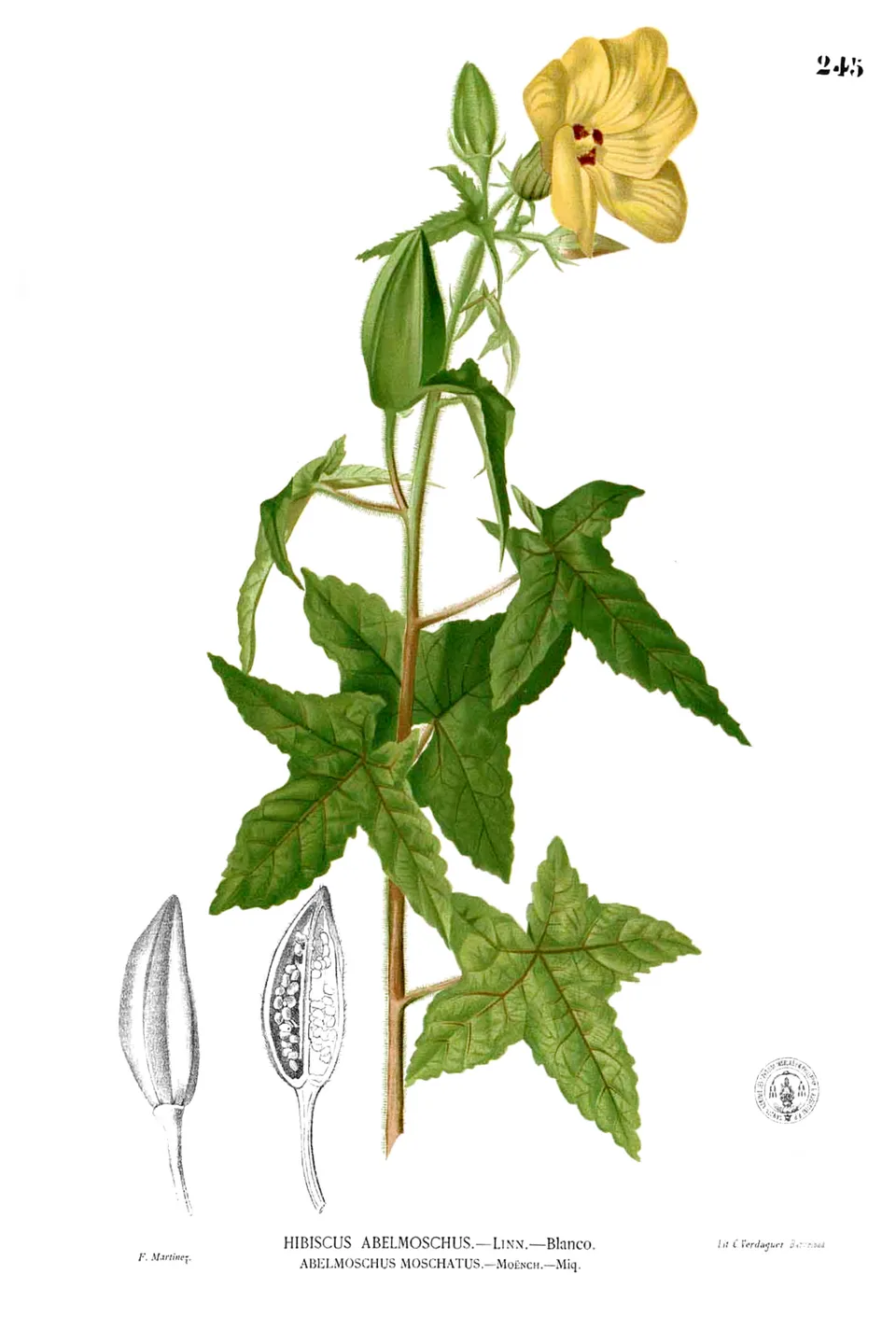
Abelmoschus moschatus, commonly known as Ambrette, is a captivating perennial flowering plant belonging to the Malvaceae family, a diverse group that also includes well-known species like hibiscus and okra. This tropical herb is indigenous to the Indian subcontinent, where its aromatic and medicinal properties have led to its extensive cultivation across various tropical and subtropical regions globally for centuries. Morphologically, Ambrette is characterized by its robust, erect stems, which are typically covered in fine hairs and can reach heights of 0.5 to 2 meters. Its distinctive leaves are palmate, featuring between 3 to 7 lobes, and possess a somewhat rough, textured surface, often drawing comparisons to the foliage of okra.
The plant produces striking solitary flowers, typically pale yellow with a pronounced dark purple or maroon center, reminiscent of hibiscus blooms. These ephemeral flowers usually last only a single day but are produced continuously under optimal growing conditions, adding to the plant's ornamental appeal. Following successful pollination, Ambrette develops elongated, hairy seed capsules containing numerous renal-shaped seeds. These seeds vary in color from greyish-brown to black and are the primary source of the plant’s highly valued musky aroma and medicinal compounds.
Historically, Ambrette seeds served as a crucial plant-based alternative to animal musk in high-end perfumery and cosmetics, driven by ethical considerations and economic factors. The plant's deep-rooted cultural significance extends to ancient medicinal systems, including Ayurveda and Unani medicine, where it is esteemed for its cooling and light qualities. Thriving in warm, humid climates and well-draining soils, Ambrette is often cultivated in gardens for both its aesthetic beauty and its fragrant, therapeutically valuable seeds.
Trusted Scientific References
1. Authoritative external sources for Abelmoschus moschatus
1.1 Wikipedia — Abelmoschus moschatus
1.2 Kew POWO (Plants of the World Online)
1.3 PubMed — peer-reviewed research
1.4 NCBI Taxonomy Browser
1.5 GBIF — Global Biodiversity
1.1.Ambrette — Key Features
- ✓Distinctive Musky Aroma — Seeds yield a unique, animal-like musk fragrance, highly prized in perfumery.
- ✓Malvaceae Family Member — Related to hibiscus and okra, sharing some morphological characteristics.
- ✓Tropical Origin — Native to the Indian subcontinent, cultivated globally in warm regions.
- ✓Traditional Medicinal Plant — Valued in Ayurveda and Unani systems for various ailments.
- ✓Rich in Myricetin — Contains the flavonoid myricetin, associated with antidiabetic and antioxidant effects.
- ✓Ornamental Value — Features striking pale yellow flowers with dark centers, suitable for gardens.
- ✓Versatile Usage — Used in fragrances, traditional medicine, and sparingly in culinary applications.
- ✓Seed as Primary Medicinal Part — Renal-shaped seeds are the main source of active compounds.
- ✓Potential for Diabetes and Kidney Health — Emerging research highlights its benefits for blood sugar and renal protection.
- ✓Natural Musk Alternative — Historically important for replacing animal-derived musk in perfumes.
1.2.Ambrette — Quick Summary
- ✓Abelmoschus moschatus, or Ambrette, is a tropical Malvaceae plant renowned for its fragrant, musky seeds.
- ✓Traditionally used in Ayurveda and Unani medicine for digestive, calming, and general wellness purposes.
- ✓Modern research investigates its antioxidant, antidiabetic, and renoprotective properties, particularly from compounds like myricetin.
- ✓The seeds are a key ingredient in perfumery, offering a natural alternative to animal musk.
- ✓Caution is advised for pregnant/breastfeeding individuals and those on diabetes medication due to potential interactions and safety concerns.
- ✓Primarily propagated from seeds, thriving in warm, humid climates with well-draining soil.
2.Ambrette — Scientific Profile
3.Ambrette — Reference Facts
4.Ambrette — Morphological Account
5.Ambrette — Where It Grows
6.Ambrette — Historical Applications
7.Ambrette — Secondary Metabolites
- ✓Volatile Oils — The characteristic musky aroma of Ambrette seeds is attributed to key compounds like ambrettolide, farnesyl acetate, and ambrettolic acid, which are lactones responsible for its unique fragrance.
- ✓Flavonoids — Myricetin is a prominent flavonoid identified in Ambrette, known for its potent antioxidant, antidiabetic, and anti-inflammatory properties through various cellular mechanisms.
- ✓Phenolic Compounds — Beyond flavonoids, the plant contains a range of other phenolic acids and compounds that contribute significantly to its overall antioxidant capacity.
- ✓Fatty Acids — The seeds are rich in various fatty acids, including linoleic acid, oleic acid, and palmitic acid, which are important for nutritional value and potential pharmacological activities.
- ✓Terpenoids — Various terpenoid compounds are present, contributing to the plant's aromatic profile and potentially exhibiting diverse biological activities such as antimicrobial effects.
- ✓Phytosterols — Compounds like beta-sitosterol are found, which are known for their potential cholesterol-lowering and anti-inflammatory effects.
- ✓Carbohydrates and Mucilage — The plant contains complex carbohydrates and mucilaginous substances, particularly in its leaves and stems, which can have demulcent properties.
- ✓Alkaloids — While not a primary class, some minor alkaloidal components might be present, contributing to the plant's overall traditional medicinal effects.
- ✓Coumarins — Certain coumarin derivatives might be found, which are known for their anticoagulant, anti-inflammatory, and antimicrobial activities.
8.Ambrette — Modern Studies
- ✓Antioxidant Activity — Ambrette seeds contain potent phenolic compounds and flavonoids, such as myricetin, which exhibit strong antioxidant properties, effectively neutralizing free radicals and protecting cellular structures from oxidative damage.
- ✓Antidiabetic Potential — Research indicates that compounds like myricetin found in Ambrette may help lower blood sugar levels and improve insulin sensitivity, making it a subject of interest for diabetes management.
- ✓Renoprotective Effects — Studies suggest that extracts from Ambrette leaves may offer protective benefits to the kidneys, potentially mitigating damage in models of acute kidney injury.
- ✓Antimicrobial Properties — Certain extracts from Ambrette seeds and leaves have demonstrated antibacterial and antifungal activities against various pathogens, supporting its traditional use in combating infections.
- ✓Digestive Aid — Traditionally, Ambrette has been utilized to alleviate various digestive discomforts, including indigestion, nausea, and constipation, promoting gastrointestinal well-being.
- ✓Anti-anxiety and Mood Support — In traditional medicine, Ambrette is employed for its calming effects, believed to help reduce anxiety and alleviate symptoms associated with depression.
- ✓Cardiovascular Support — Folk medicine suggests Ambrette may play a role in supporting heart health, though modern scientific evidence in this area is limited.
- ✓Anti-inflammatory Action — While not extensively studied, some traditional uses imply anti-inflammatory effects, contributing to pain relief and reduction of swelling.
- ✓Respiratory Health — Ambrette has been traditionally used to address certain respiratory conditions, possibly due to its aromatic compounds and expectorant properties.
- ✓Skin Health — Applied topically in some traditional practices, Ambrette oil is thought to promote skin health, though caution is advised due to potential photosensitivity.
8.1.Ambrette — Conditions Traditionally Used For
9.Ambrette — Risk Profile
9.1.Ambrette — Caution Notes
- ✓Skin Irritation — Topical application of Ambrette oil or extracts can cause skin irritation, redness, or allergic dermatitis in sensitive individuals.
- ✓Photosensitivity — Some individuals may experience increased sensitivity to sunlight (photodermatitis) when Ambrette is applied to the skin or, less commonly, ingested.
- ✓Allergic Reactions — As with any plant product, allergic reactions, though rare, can occur, manifesting as rashes, itching, or swelling.
- ✓Blood Sugar Fluctuations — Due to its potential to lower blood sugar, Ambrette may cause hypoglycemia, especially when combined with antidiabetic medications.
- ✓Gastrointestinal Upset — Ingesting large quantities of Ambrette, particularly concentrated extracts, may lead to mild gastrointestinal discomfort.
- ✓Pregnancy and Breastfeeding Concerns — Ambrette is considered possibly unsafe during pregnancy and breastfeeding due to insufficient research and potential for adverse effects.
9.2.Ambrette — Safety Profile
- ✓Pregnancy and Lactation — Ambrette is advised against during pregnancy and breastfeeding due to a lack of sufficient safety data and concerns about potential adverse effects.
- ✓Diabetes Management — Individuals with diabetes should use Ambrette with extreme caution and under medical supervision, as it may interact with blood sugar-lowering medications.
- ✓Pre-operative Discontinuation — It is recommended to discontinue Ambrette use at least two weeks before any scheduled surgery due to its potential influence on blood sugar levels.
- ✓Skin Sensitivity — Perform a patch test before topical application to check for skin irritation or allergic reactions, especially for individuals with sensitive skin.
- ✓Photosensitivity Risk — Be aware of the potential for increased sun sensitivity, particularly with topical use; consider protective clothing or sunscreen.
- ✓Dosage Uncertainty — There is insufficient reliable scientific information to determine an appropriate dosage for medicinal use; adhere strictly to traditional or professional guidance.
- ✓Drug Interactions — Potential interactions with antidiabetic drugs are known; consult a healthcare professional regarding other medications.
10.Ambrette — How to Use
- ✓Aromatic Seed Oil Extraction — The seeds are steam-distilled to yield a highly fragrant essential oil, widely used in perfumery, cosmetics, and aromatherapy.
- ✓Traditional Decoctions — Dried Ambrette seeds are often prepared as a decoction by boiling them in water, consumed for digestive and general well-being in traditional medicine.
- ✓Powdered Seed Concoctions — Finely powdered Ambrette seeds are mixed with warm milk or honey, a common Ayurvedic practice for various internal ailments.
- ✓Herbal Teas — Leaves and sometimes seeds can be infused to make a mild herbal tea, traditionally used for its calming and digestive properties.
- ✓Tinctures and Extracts — Alcoholic tinctures or standardized extracts of the seeds are prepared for concentrated medicinal applications, often under professional guidance.
- ✓Culinary Flavoring — The seeds are used sparingly as a spice to impart a musky, aromatic flavor to certain traditional dishes, sweets, and beverages.
- ✓Topical Applications — The essential oil is incorporated into massage oils, balms, and skincare products for external use, though patch testing is recommended.
- ✓Incense and Potpourri — Dried seeds are a popular component in traditional incense blends and potpourri for their natural musky fragrance.
11.Ambrette — Growing Guide
- ✓Seed Propagation — Ambrette is primarily propagated from seeds, which should be sown in warm, humid conditions after light scarification to aid germination.
- ✓Climate Requirements — Thrives in tropical and subtropical climates, requiring consistent warmth and high humidity, intolerant of frost.
- ✓Soil Preference — Prefers well-draining, fertile loamy soils with a neutral to slightly acidic pH, enriched with organic matter.
- ✓Sunlight Exposure — Requires full sun exposure for optimal growth and seed production, though it can tolerate partial shade in very hot climates.
- ✓Watering Regimen — Needs regular and ample watering, especially during dry spells and flowering, but avoid waterlogging to prevent root rot.
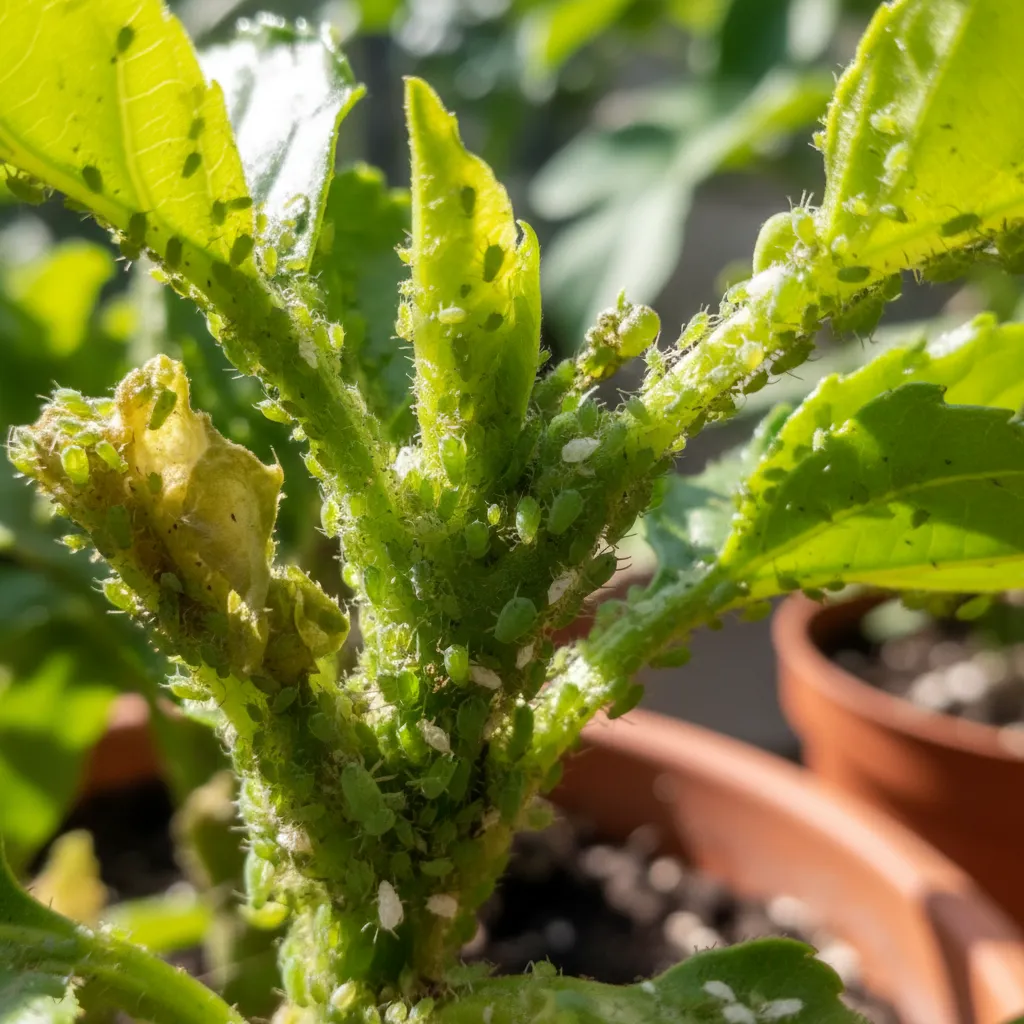
- ✓Pest and Disease Management — Generally robust, but can be susceptible to common garden pests like aphids and spider mites, and fungal diseases in overly wet conditions.
- ✓Harvesting Seeds — Seeds are harvested when the capsules turn yellowish-brown and begin to dry, typically 3-4 months after flowering.
- ✓Crop Rotation — Practicing crop rotation can help maintain soil health and reduce the incidence of soil-borne diseases for successive plantings.
Reviewed by the Flora Medical Global Botanical Review Panel
Multi-disciplinary editorial group · Botany · Ethnobotany · Herbal-medicine literature
Who reviewed this: This page was checked by the Flora Medical Global Botanical Review Panel — an in-house editorial group of botany graduates, ethnobotany researchers, and horticulture practitioners who collectively maintain our 7,000+ plant encyclopedia. Meet the team.
Our 4-step verification process
1. Taxonomic verification
Scientific names and synonyms cross-checked against Kew POWO, World Flora Online, and The Plant List.
2. Phytochemical & medicinal cross-reference
Active compounds, traditional uses, and reported activities are cross-referenced with PubMed, USDA Dr. Duke's database, and peer-reviewed ethnobotanical literature.
3. Conservation & distribution check
Distribution, ecology, and conservation status confirmed against GBIF occurrence records and the IUCN Red List.
4. Editorial & safety review
Every entry passes an editorial pass for clarity, originality, and safety notices (toxicity, contraindications, dosage caveats) before publication.
Last reviewed:
Important medical disclaimer: This content is for educational and research purposes only. It is not medical advice and is not a substitute for consultation with a licensed healthcare provider. Do not use any herb to self-treat a medical condition without professional guidance.
Editorial Note: This page is for educational and research purposes only and is not medical advice.
Written by: Flora Medical Global Editorial Team
Reviewed by: Flora Medical Global Botanical Review Panel
Last Updated: June 15, 2026





Ambrette — Comments & Community Reviews
Rate this plant