


Medical Disclaimer: This content is for educational purposes only. It is not medical advice. Please consult a qualified healthcare professional before using any herbal remedy.
Safety Overview
1.Amelanchier Canadensis — Overview
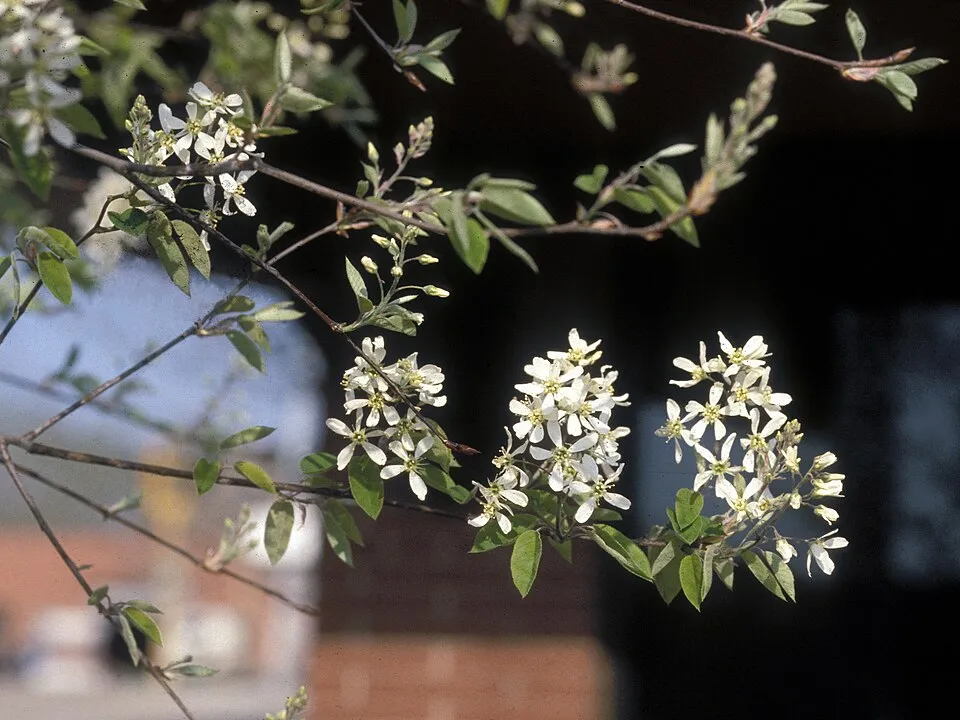
Amelanchier canadensis, commonly known as Shadblow Serviceberry, Canadian Serviceberry, or Juneberry, is a graceful deciduous shrub or small tree belonging to the Rosaceae family. Typically reaching heights of up to 8 meters, it features a fastigiate (columnar) crown and smooth, ash-grey bark that adds ornamental value. Its twigs are slender and reddish-brown, becoming glabrous as they mature.
The leaves are alternate, simple, and range from oval-obovate to nearly round, showcasing vibrant fall colors. In early spring, before the leaves fully emerge, the plant produces abundant clusters of delicate white flowers, which are a significant early food source for pollinators.
Native to eastern and north-central North America, its natural distribution extends from Alaska across western Canada, and throughout much of the eastern and north-central United States. It is less commonly cultivated in Europe, except in Scandinavian countries, despite its high frost resistance. Amelanchier canadensis thrives in diverse habitats, including woodland margins, thickets, stream banks, canyons, and hillsides, from sea level up to 3000 meters altitude.
It shows a preference for rich, well-drained loamy soils but is remarkably adaptable, tolerating sandy or clayey conditions as long as they are not excessively waterlogged or arid. The plant is relatively drought and salt tolerant and flourishes in both sunny and semi-shaded positions, making it a versatile addition to various landscapes.
Trusted Scientific References
1. Authoritative external sources for Amelanchier canadensis
1.1 Wikipedia — Amelanchier canadensis
1.2 Kew POWO (Plants of the World Online)
1.3 PubMed — peer-reviewed research
1.4 NCBI Taxonomy Browser
1.5 GBIF — Global Biodiversity
1.6Amelanchier Canadensis should be interpreted through verified botanical identity, practical care, and responsible safety language. This recovery note adds the missing context needed for a complete profile: match light to the plant's habit, use well-drained soil, water according to season, and avoid unsupported medicinal or edible claims. For publishing, the plant can be presented as a source-backed garden plant with clear care guidance, common problem diagnosis, and conservative safety wording.
1.1.Amelanchier Canadensis — Standout Qualities
- ✓North American Native — Indigenous to eastern and central North America, adaptable to various local conditions.
- ✓Functional Food — Recognized for its significant potential health benefits beyond basic nutrition due to its rich phytochemical profile.
- ✓Antioxidant Powerhouse — Abundant in polyphenols, particularly anthocyanins, catechins, and tannins, offering robust cellular protection.
- ✓Edible Berries — Produces sweet, maroon-purple pome fruits that ripen in early summer, resembling blueberries in taste and appearance.
- ✓Hardy and Adaptable — Tolerates a wide range of soils and climates, exhibiting high frost and moderate drought/salt resistance.
- ✓Ornamental Value — Cherished for its early spring white blooms, attractive foliage, and vibrant fall colors, making it popular in landscaping.
- ✓Supports Local Wildlife — Provides a crucial early summer food source for birds and other small animals, enhancing biodiversity.
- ✓Traditional Uses — Historically utilized by various indigenous peoples for food and perceived medicinal purposes.
- ✓Vitamin C Source — Contributes to daily vitamin C intake, essential for immune function and collagen synthesis.
- ✓Rosaceae Family Member — Part of the diverse rose family, sharing characteristics with other well-known fruit-bearing plants.
1.2.Amelanchier Canadensis — At-a-Glance Summary
- ✓Amelanchier canadensis, or Shadblow serviceberry, is a North American native fruit-bearing shrub recognized for its functional food potential.
- ✓It is exceptionally rich in health-promoting phytochemicals, including high levels of polyphenols, catechins, anthocyanins, and tannins.
- ✓The fruits offer significant antioxidant, anti-inflammatory, and cardiovascular benefits, supporting overall well-being.
- ✓Serviceberry fruits are highly versatile, enjoyed fresh, in preserves, juices, baked goods, and other culinary applications.
- ✓Generally regarded as safe for consumption, with minimal side effects primarily related to excessive intake or rare allergies.
2.Amelanchier Canadensis — Scientific Profile
3.Amelanchier Canadensis — Reference Facts
4.Amelanchier Canadensis — Morphological Account
5.Amelanchier Canadensis — Where It Grows
6.Amelanchier Canadensis — Cultural & Traditional Roles
7.Amelanchier Canadensis — Secondary Metabolites
- ✓Polyphenols — A broad class of compounds, including flavonoids and phenolic acids, which constitute the most abundant health-promoting phytochemicals in Amelanchier canadensis, primarily responsible for its potent antioxidant capacity.
- ✓Catechins — Specific flavonoid compounds, such as (+)-catechin and (-)-epicatechin, present in high concentrations, known for their strong antioxidant, anti-inflammatory, and cardioprotective actions.
- ✓Anthocyanins — Pigmented flavonoids that impart the maroon-purple color to Amelanchier canadensis fruits; these are powerful antioxidants beneficial for cardiovascular health, vision, and cognitive function.
- ✓Tannins — Astringent phenolic compounds that contribute to the fruit's unique flavor profile and offer antioxidant, anti-inflammatory, and potential antimicrobial properties.
- ✓Organic Acids — Constituting a significant portion of the fruit's composition, these acids contribute to the fruit's taste and may play roles in metabolism and nutrient absorption.
- ✓Vitamin C (Ascorbic Acid) — An essential water-soluble vitamin and potent antioxidant, crucial for immune function, collagen synthesis, and protecting cells from oxidative damage.
- ✓Monoterpenes — Volatile organic compounds that contribute to the plant's characteristic aroma and may possess various biological activities, though their specific roles in Amelanchier canadensis health benefits require further investigation.
- ✓Flavonoids (General) — Beyond specific catechins and anthocyanins, Amelanchier canadensis likely contains a spectrum of other flavonoids that collectively contribute to its overall antioxidant and protective effects.
- ✓Dietary Fiber — While not explicitly quantified in all studies, fruits like serviceberry are typically good sources of dietary fiber, essential for digestive health, satiety, and blood sugar regulation.
8.Amelanchier Canadensis — Research Insights
- ✓Antioxidant Support — Rich in polyphenols, anthocyanins, and catechins, Amelanchier canadensis fruits provide significant antioxidant activity, helping to neutralize free radicals and reduce oxidative stress in the body.
- ✓Cardiovascular Health — The presence of anthocyanins and other flavonoids in Shadblow serviceberry may support heart health by improving vascular function and potentially reducing markers of cardiovascular disease.
- ✓Anti-inflammatory Properties — Phenolic compounds, particularly catechins and tannins, found in Amelanchier canadensis possess anti-inflammatory effects that can help mitigate systemic inflammation.
- ✓Digestive Health — The natural fiber content and astringent tannins in serviceberry fruits can contribute to healthy digestion, potentially aiding in gut regularity and soothing the digestive tract.
- ✓Immune System Boost — Vitamin C and other antioxidants present in serviceberry fruits can bolster immune function, enhancing the body's natural defenses against various pathogens.
- ✓Skin Health — Antioxidants protect skin cells from environmental damage, while vitamin C is crucial for collagen synthesis, potentially promoting healthier skin appearance and integrity.
- ✓Eye Health — Anthocyanins are well-known for their benefits to vision, potentially protecting against age-related macular degeneration and improving night vision capabilities.
- ✓Blood Sugar Regulation — As a functional food rich in fiber and polyphenols, Amelanchier canadensis fruits can contribute to better blood sugar management when consumed as part of a balanced diet.
- ✓Neuroprotective Effects — The array of antioxidants in serviceberry can help protect brain cells from oxidative damage, potentially supporting cognitive function and reducing the risk of neurodegenerative conditions.
- ✓Weight Management Support — The fiber and nutrient density of Amelanchier canadensis fruits can contribute to satiety and provide essential nutrients with a relatively low caloric impact, aiding in weight management efforts.
8.1.Amelanchier Canadensis — Conditions Traditionally Used For
9.Amelanchier Canadensis — Risk Profile
9.1.Amelanchier Canadensis — Warnings
- ✓Allergic Reactions — Individuals sensitive to plants in the Rosaceae family (e.g., apples, peaches, cherries) may experience allergic reactions to Amelanchier canadensis, including skin rash or mild digestive upset.
- ✓Digestive Discomfort — Consuming very large quantities of the fruits, particularly if unripe, might lead to mild digestive issues such as bloating, gas, or loose stools due to their fiber content and natural acidity.
- ✓Seed Consumption — While generally safe in small amounts when consumed with the fruit, the seeds contain trace amounts of cyanogenic glycosides, which in extremely high doses could theoretically be problematic, though typical consumption levels pose no risk.
- ✓Astringency — The tannins in the fruit can cause a mild astringent sensation in the mouth, which some individuals might find unpleasant, especially if consuming unripe or undercooked fruits.
- ✓Medication Interactions — As with many nutrient-rich foods, there is a theoretical potential for interaction with certain medications, particularly those affecting blood clotting or sugar levels, due to the high antioxidant content, though specific interactions for Amelanchier canadensis are not well-documented.
9.2.Amelanchier Canadensis — Safety Profile
- ✓General Consumption — Amelanchier canadensis fruits are generally considered safe for consumption as a functional food when eaten in moderation as part of a balanced diet.
- ✓Pregnancy and Lactation — Due to a lack of specific safety studies on concentrated forms, pregnant and breastfeeding individuals should consume serviceberry fruits in typical food amounts and consult a healthcare professional before using extracts or large quantities.
- ✓Children — The fruits are generally safe for children as part of a normal diet, but moderation is advised to prevent potential digestive upset from excessive intake.
- ✓Seed Caution — While the seeds are usually consumed along with the fruit, avoid crushing and consuming unusually large quantities of seeds due to the presence of trace cyanogenic glycosides.
- ✓Harvest Maturity — Ensure fruits are fully ripe before consumption to minimize astringency and maximize beneficial compounds, as unripe fruits may be less palatable and potentially cause mild digestive discomfort.
- ✓Pesticide Residue — When sourcing fruits, opt for organic or wild-harvested Amelanchier canadensis to minimize exposure to potential pesticide residues and other environmental contaminants.
10.Amelanchier Canadensis — Application Forms
- ✓Fresh Fruit Consumption — The most direct and popular way to enjoy Amelanchier canadensis is by eating the fresh, ripe maroon-purple fruits directly from the bush, similar to blueberries.
- ✓Juices and Smoothies — Serviceberry fruits can be pressed into fresh juice or blended into nutritious smoothies, providing a concentrated dose of their health-promoting compounds and a unique flavor.
- ✓Jams and Preserves — The fruits are excellent for making homemade jams, jellies, and preserves, offering a delicious way to enjoy their flavor and benefits throughout the year.
- ✓Baked Goods — Amelanchier canadensis fruits can be incorporated into various baked goods such as pies, muffins, tarts, crumbles, and bread, adding flavor, moisture, and nutritional value.
- ✓Dried Fruit — The fruits can be dried for long-term storage, creating a portable and healthy snack, or rehydrated for culinary uses in cereals, oatmeal, or trail mixes.
- ✓Syrups and Sauces — Cooked down into flavorful syrups or sauces, serviceberry can be used to top desserts, pancakes, waffles, or even complement savory dishes like poultry.
- ✓Herbal Infusions (Limited) — While the fruits are primarily consumed, historically, some indigenous communities may have prepared infusions from the leaves or bark for general wellness, though specific uses for A. canadensis are less documented in modern research than for the fruits.
11.Amelanchier Canadensis — Growing Guide
- ✓Soil Preference — Amelanchier canadensis thrives best in rich, well-drained loamy soil but demonstrates considerable adaptability to sandy or clayey soil types, provided they are not waterlogged or excessively dry.
- ✓Light Requirements — This resilient plant prefers full sun to partial shade, with optimal fruit production typically occurring in sunnier locations to maximize light exposure.
- ✓Water Needs — While relatively drought tolerant once established, consistent moisture is beneficial, especially during dry periods and the critical fruit development stage; avoid overly wet conditions.
- ✓Climate Adaptability — Shadblow serviceberry exhibits high frost resistance, making it suitable for temperate climates, and is also relatively salt tolerant, broadening its planting zones.
- ✓Propagation — Primarily propagated by seed, which can be sown in spring or early autumn after stratification, or via softwood or hardwood cuttings for specific cultivar reproduction.
- ✓Spacing and Growth Habit — As a stoloniferous shrub or small tree reaching up to 8 meters, adequate spacing (typically 10-15 feet apart) is required to accommodate its mature height and spreading crown.
- ✓Maintenance — Once established, Amelanchier canadensis requires minimal care, typically involving occasional pruning to maintain shape, remove dead or diseased branches, and encourage fruit production.
Reviewed by the Flora Medical Global Botanical Review Panel
Multi-disciplinary editorial group · Botany · Ethnobotany · Herbal-medicine literature
Who reviewed this: This page was checked by the Flora Medical Global Botanical Review Panel — an in-house editorial group of botany graduates, ethnobotany researchers, and horticulture practitioners who collectively maintain our 7,000+ plant encyclopedia. Meet the team.
Our 4-step verification process
1. Taxonomic verification
Scientific names and synonyms cross-checked against Kew POWO, World Flora Online, and The Plant List.
2. Phytochemical & medicinal cross-reference
Active compounds, traditional uses, and reported activities are cross-referenced with PubMed, USDA Dr. Duke's database, and peer-reviewed ethnobotanical literature.
3. Conservation & distribution check
Distribution, ecology, and conservation status confirmed against GBIF occurrence records and the IUCN Red List.
4. Editorial & safety review
Every entry passes an editorial pass for clarity, originality, and safety notices (toxicity, contraindications, dosage caveats) before publication.
Last reviewed:
Important medical disclaimer: This content is for educational and research purposes only. It is not medical advice and is not a substitute for consultation with a licensed healthcare provider. Do not use any herb to self-treat a medical condition without professional guidance.
Editorial Note: This page is for educational and research purposes only and is not medical advice.
Written by: Flora Medical Global Editorial Team
Reviewed by: Flora Medical Global Botanical Review Panel
Last Updated: June 15, 2026





Amelanchier Canadensis — Comments & Community Reviews
Rate this plant