


Medical Disclaimer: This content is for educational purposes only. It is not medical advice. Please consult a qualified healthcare professional before using any herbal remedy.
Safety Overview
1.American Ginseng — Botanical Snapshot
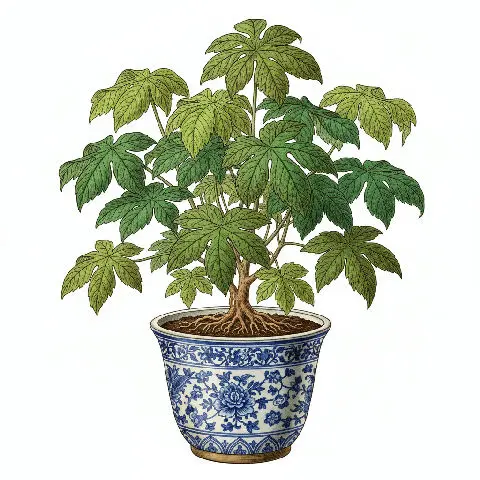
American Ginseng, scientifically known as Panax quinquefolius, is a revered perennial herbaceous plant native to the pristine, shaded deciduous forests of eastern North America. Belonging to the Araliaceae family, it is easily identified by its distinctive palmate leaves, typically arranged in whorls of three to five, with each leaf comprising five finely serrated leaflets—a characteristic reflected in its species name 'quinquefolius'. The plant typically reaches heights of 30 to 70 cm, featuring a reddish, unbranched stem that culminates in a cluster of delicate, pale green to white flowers. These blossoms eventually mature into vibrant bright red berries, which are dispersed by birds.
The most valuable part of American Ginseng is its fleshy, often bifurcated root, which can take a remarkable 3 to 10 years to reach a harvestable size, contributing to its significant economic and ecological value. Historically, Indigenous peoples of North America, including the Cherokee, Iroquois, and Algonquin tribes, extensively utilized this root for a wide array of medicinal purposes, from treating digestive complaints and headaches to serving as a general tonic for vitality and fertility. Its introduction to Traditional Chinese Medicine (TCM) in the 1700s, where it is known as 'Xi Yang Shen,' solidified its global recognition. In TCM, it is prized for its 'cooling' and 'calming' energetic properties, contrasting with the 'warming' effects of Asian ginseng, and is used to tonify Qi, nourish Yin, and clear heat.
Modern scientific inquiry continues to validate many of these traditional uses, focusing on the plant's active compounds, particularly ginsenosides, which are responsible for its adaptogenic, immunomodulatory, and metabolic benefits. Due to overharvesting and habitat destruction, American Ginseng is now a species of conservation concern, necessitating sustainable cultivation practices to protect its future.
Trusted Scientific References
1. Authoritative external sources for Panax quinquefolius
1.1 Wikipedia — Panax quinquefolius
1.2 Kew POWO (Plants of the World Online)
1.3 PubMed — peer-reviewed research
1.4 NCBI Taxonomy Browser
1.5 GBIF — Global Biodiversity
1.1.American Ginseng — Highlights
- ✓North American Native — Indigenous to the eastern deciduous forests of North America.
- ✓Adaptogenic Properties — Helps the body adapt to physical and mental stressors.
- ✓Rich in Ginsenosides — Primary active compounds responsible for its therapeutic effects.
- ✓Immune System Modulator — Enhances and balances immune responses.
- ✓Blood Sugar Regulation — Clinically shown to help lower postprandial glucose levels.
- ✓Stress and Fatigue Management — Contributes to increased energy and reduced fatigue.
- ✓'Cooling' in TCM — Valued in Traditional Chinese Medicine for its Yin-nourishing and heat-clearing effects.
- ✓Slow — Growing Perennial — Roots take 3-10 years to mature, contributing to its rarity.
- ✓Conservation Concern — Wild populations are endangered due to demand and habitat loss.
- ✓Historical Medicinal Use — Deeply rooted in Indigenous American and Traditional Chinese medicine.
1.2.American Ginseng — Snapshot Summary
- ✓Adaptogenic Herb — American Ginseng (Panax quinquefolius) is a potent adaptogen, helping the body manage stress and maintain balance.
- ✓Rich in Ginsenosides — Its medicinal roots are packed with unique ginsenosides responsible for its wide array of health benefits.
- ✓Immune & Metabolic Support — Known for boosting immune function and significantly aiding in blood sugar regulation.
- ✓Traditional & Modern Use — Valued by Indigenous peoples and in TCM for its cooling properties, now backed by scientific research.
- ✓Conservation Priority — A slow-growing plant facing habitat loss and overharvesting, requiring sustainable practices.
- ✓Medication Interactions — Important interactions with diabetes medications, MAOIs, warfarin, and immunosuppressants require caution.
2.American Ginseng — Nomenclature & Classification
3.American Ginseng — Fact Sheet
4.American Ginseng — Botanical Description
5.American Ginseng — Native Range & Habitat
6.American Ginseng — Heritage Uses
7.American Ginseng — Chemical Profile
- ✓Triterpenoid Saponins (Ginsenosides) — These are the primary active compounds, with key examples including Rb1, Re, Rg1, Rd, and Rc. They are responsible for most of American Ginseng's adaptogenic, immunomodulatory, neuroprotective, and hypoglycemic effects, acting on various physiological pathways.
- ✓Polysaccharides — High molecular weight carbohydrates that contribute significantly to the plant's immunomodulatory properties, enhancing immune cell function and host defense mechanisms.
- ✓Polyacetylenes — Compounds like panaxynol and panaxydol, which have demonstrated anti-inflammatory, antimicrobial, and cytotoxic activities, contributing to the plant's broader therapeutic spectrum.
- ✓Flavonoids — A diverse group of phenolic compounds known for their antioxidant and anti-inflammatory effects, helping to protect cells from oxidative damage.
- ✓Volatile Oils — Present in small quantities, these contribute to the plant's characteristic aroma and may possess mild antimicrobial or calming properties.
- ✓Peptides and Amino Acids — Essential building blocks that support various metabolic functions and contribute to the plant's overall nutritional and tonic effects.
- ✓Vitamins and Minerals — Contains trace amounts of essential vitamins (e.g., B vitamins) and minerals (e.g., potassium, calcium, magnesium) vital for cellular health and physiological processes.
- ✓Phytosterols — Plant sterols such as beta-sitosterol, which can contribute to cholesterol management and possess anti-inflammatory properties.
- ✓Fatty Acids — Various fatty acids are present, contributing to the plant's nutritional profile and potentially influencing cell membrane integrity and signaling pathways.
8.American Ginseng — Evidence-Based Benefits
- ✓Boosts Immune Function — American Ginseng enhances the body's natural defenses by modulating immune cell activity and cytokine production, helping to prevent and mitigate infections like the common cold and flu.
- ✓Regulates Blood Sugar Levels — Research indicates that Panax quinquefolius can significantly lower postprandial blood glucose in both individuals with type 2 diabetes and non-diabetic subjects by improving insulin sensitivity.
- ✓Acts as an Adaptogen — As an adaptogenic herb, American Ginseng helps the body adapt to various physical, environmental, and psychological stressors, promoting overall homeostasis and resilience.
- ✓Enhances Cognitive Function — Ginsenosides found in American Ginseng may support brain health by improving memory, concentration, and mental clarity, particularly under stressful conditions.
- ✓Reduces Stress and Fatigue — By influencing the hypothalamic-pituitary-adrenal (HPA) axis, it helps to alleviate symptoms of chronic stress, reduce mental and physical fatigue, and improve energy levels.
- ✓Offers Anti-inflammatory Effects — Specific ginsenosides exhibit potent anti-inflammatory properties, which can help reduce systemic inflammation and discomfort throughout the body.
- ✓Provides Antioxidant Protection — The plant's compounds scavenge free radicals, protecting cells from oxidative damage and contributing to overall cellular health and anti-aging processes.
- ✓Supports Cardiovascular Health — American Ginseng may contribute to cardiovascular wellness by improving circulation, supporting healthy blood pressure, and protecting against oxidative stress in blood vessels.
- ✓Promotes Digestive Health — Traditionally, it has been used to alleviate various digestive complaints, potentially due to its anti-inflammatory and tonic effects on the gastrointestinal tract.
- ✓Aids in Upper Airway Infection Prevention — A specific extract of American Ginseng (CVT-E002) has shown promise in preventing recurrent upper respiratory tract infections, particularly during flu season.
8.1.American Ginseng — Conditions Traditionally Used For
9.American Ginseng — Safety & Side Effects
9.1.American Ginseng — Possible Adverse Reactions
- ✓Headache — Mild headaches are the most commonly reported side effect, though American Ginseng is generally well-tolerated at recommended doses.
- ✓Insomnia — High doses of American Ginseng, particularly when taken late in the day, may cause difficulty sleeping or exacerbate existing insomnia.
- ✓Anxiousness or Restlessness — In sensitive individuals or when combined with certain medications (like MAOIs), high doses can lead to feelings of anxiety or increased restlessness.
- ✓Blood Sugar Drop (Hypoglycemia) — Due to its blood sugar-lowering effects, it can cause hypoglycemia, especially in individuals taking diabetes medications.
- ✓Estrogenic Effects — Some ginsenosides may exhibit weak estrogenic activity, which could potentially affect hormone-sensitive conditions.
- ✓Digestive Upset — Rarely, mild gastrointestinal disturbances such as nausea or diarrhea may occur, particularly with initial use or high doses.
- ✓Allergic Reactions — Although uncommon, individuals may experience allergic reactions, including skin rashes or itching.
9.2.American Ginseng — Risk Assessment
- ✓General Safety — American Ginseng is considered likely safe for most adults when used orally and short-term, typically up to 12 weeks.
- ✓Pregnancy — It is possibly unsafe during pregnancy. Compounds in related Panax species have been linked to potential birth defects in animal studies; therefore, use should be avoided.
- ✓Breast-feeding — There is insufficient reliable information regarding its safety during breast-feeding, so it is best to avoid use to err on the side of caution.
- ✓Children — A specific American Ginseng extract (CVT-E002) has been used safely in children aged 3-12 for short periods, but general use should be under medical guidance.
- ✓Hormone-Sensitive Conditions — Due to potential estrogenic effects of ginsenosides, individuals with hormone-sensitive conditions (e.g., breast cancer, endometriosis) should avoid products containing ginsenosides.
- ✓Surgery — American Ginseng can affect blood sugar levels and may interfere with blood sugar control during and after surgery. Discontinue use at least two weeks before any scheduled surgical procedure.
- ✓Schizophrenia — High doses might exacerbate symptoms like sleep problems and agitation in individuals with schizophrenia, necessitating caution or avoidance.
10.American Ginseng — Preparation Methods
- ✓Decoction — The dried American Ginseng root is commonly prepared as a decoction by simmering slices or chopped root in water for 20-30 minutes, creating a potent tea.
- ✓Tincture — An alcohol-based extract of American Ginseng root, typically taken in drops or small doses diluted in water, allowing for convenient and concentrated administration.
- ✓Capsules/Powder — Dried and powdered root is encapsulated or consumed directly as a powder, offering a standardized dose and ease of use, especially for regular supplementation.
- ✓Teas/Infusions — Finely cut or powdered root can be steeped in hot water for a simpler, milder tea, often combined with other herbs for synergistic effects.
- ✓Culinary Use — In some traditions, American Ginseng root slices are added to soups, stews, or broths as a tonic ingredient, particularly during periods of convalescence or general weakness.
- ✓Standardized Extracts — Modern formulations often involve standardized extracts, ensuring a consistent concentration of active ginsenosides for predictable therapeutic effects.
- ✓Dosage — Typical adult doses range from 200-400 mg of standardized extract twice daily, or 1-3 grams of dried root daily, adjusted based on individual needs and product concentration.
- ✓Administration Timing — Often taken in the morning or early afternoon to avoid potential sleep disturbances, especially when initiating use.
11.American Ginseng — How to Grow
- ✓Site Selection — American Ginseng thrives in deep shade (70-90% canopy cover) within well-drained, rich, moist, loamy forest soils, mimicking its natural woodland habitat.
- ✓Seed Stratification — Seeds require a lengthy cold stratification period (18-22 months) to break dormancy, often achieved by planting in fall for spring germination two years later.
- ✓Soil Preparation — Soil should be loose, high in organic matter, with a pH between 5.5 and 6.5, and free from competing weeds. Raised beds can improve drainage.
- ✓Planting — Seeds are typically sown 1-2 inches deep and 4-6 inches apart, often in wild-simulated or woods-cultivated systems to replicate natural conditions.
- ✓Growth Cycle — The plant is slow-growing, with roots taking 3 to 10 years to reach a marketable size, requiring patience and long-term commitment.
- ✓Pest and Disease Management — Vigilance against fungal diseases (e.g., damping-off, Alternaria blight) and pests (e.g., slugs, voles) is crucial, often requiring organic or integrated pest management strategies.
- ✓Harvesting — Roots are typically harvested in late fall after the leaves have died back, when the plants are mature. Careful hand-digging minimizes damage to the root and surrounding habitat.
- ✓Conservation — Sustainable harvesting practices and cultivation are vital to protect this endangered species, avoiding over-collection of wild populations.
Reviewed by the Flora Medical Global Botanical Review Panel
Multi-disciplinary editorial group · Botany · Ethnobotany · Herbal-medicine literature
Who reviewed this: This page was checked by the Flora Medical Global Botanical Review Panel — an in-house editorial group of botany graduates, ethnobotany researchers, and horticulture practitioners who collectively maintain our 7,000+ plant encyclopedia. Meet the team.
Our 4-step verification process
1. Taxonomic verification
Scientific names and synonyms cross-checked against Kew POWO, World Flora Online, and The Plant List.
2. Phytochemical & medicinal cross-reference
Active compounds, traditional uses, and reported activities are cross-referenced with PubMed, USDA Dr. Duke's database, and peer-reviewed ethnobotanical literature.
3. Conservation & distribution check
Distribution, ecology, and conservation status confirmed against GBIF occurrence records and the IUCN Red List.
4. Editorial & safety review
Every entry passes an editorial pass for clarity, originality, and safety notices (toxicity, contraindications, dosage caveats) before publication.
Last reviewed:
Important medical disclaimer: This content is for educational and research purposes only. It is not medical advice and is not a substitute for consultation with a licensed healthcare provider. Do not use any herb to self-treat a medical condition without professional guidance.
Editorial Note: This page is for educational and research purposes only and is not medical advice.
Written by: Flora Medical Global Editorial Team
Reviewed by: Flora Medical Global Botanical Review Panel
Last Updated: June 15, 2026





American Ginseng — Comments & Community Reviews
Rate this plant