
Medical Disclaimer: This content is for educational purposes only. It is not medical advice. Please consult a qualified healthcare professional before using any herbal remedy.
Safety Overview
1.Ammi Majus — At a Glance
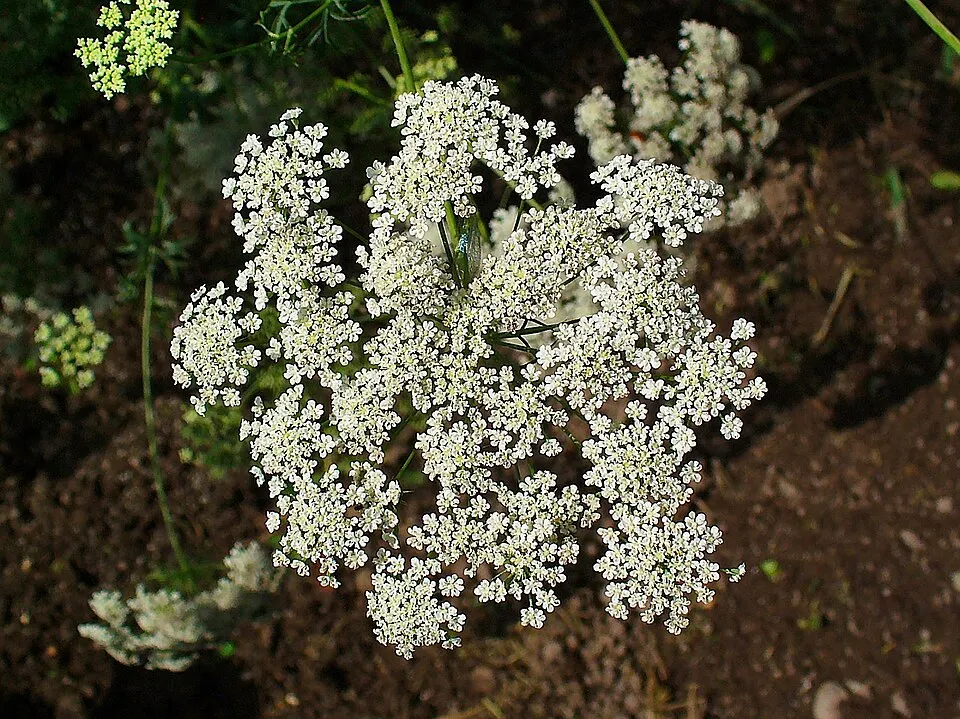
Ammi Majus, commonly known as Bishop's Weed or Greater Ammi, is a graceful annual herbaceous plant belonging to the Apiaceae family, which also includes carrots and parsley. Native to the Mediterranean basin and the Middle East, this species has naturalized across various temperate regions globally, thriving in disturbed soils, cultivated fields, and along roadsides. Morphologically, Ammi Majus typically grows as a slender, erect plant, reaching heights of 0.5 to 1.5 meters.
Its stems are often ribbed and branched, bearing pinnately compound leaves that are finely divided into lanceolate or linear segments, giving them a delicate, fern-like appearance. The most distinctive feature of Ammi Majus is its inflorescence—large, flat-topped compound umbels composed of numerous small, white flowers, closely resembling Queen Anne's Lace (Daucus carota). These elegant flower clusters bloom predominantly from late spring through summer, attracting a diverse range of pollinators.
Following successful pollination, the plant produces small, ovoid, ribbed seeds, which are the primary source of its notable medicinal compounds. Ammi Majus prefers well-drained, loamy or sandy soils and flourishes in full sun to partial shade, demonstrating a remarkable adaptability and drought resistance once established.
Trusted Scientific References
1. Authoritative external sources for Ammi Majus
1.1 Wikipedia — Ammi Majus
1.2 Kew POWO (Plants of the World Online)
1.3 PubMed — peer-reviewed research
1.4 NCBI Taxonomy Browser
1.5 GBIF — Global Biodiversity
1.6Ammi Majus should be interpreted through verified botanical identity, practical care, and responsible safety language. This recovery note adds the missing context needed for a complete profile: match light to the plant's habit, use well-drained soil, water according to season, and avoid unsupported medicinal or edible claims. For publishing, the plant can be presented as a source-backed garden plant with clear care guidance, common problem diagnosis, and conservative safety wording.
1.1.Ammi Majus — Highlights
- ✓Potent Photosensitizer — Contains furanocoumarins that enhance skin sensitivity to UV light.
- ✓Vitiligo and Psoriasis Treatment — A cornerstone in photochemotherapy (PUVA) for these skin conditions.
- ✓Rich in Furocoumarins — Key active compounds include 8-methoxypsoralen (xanthotoxin) and bergapten.
- ✓Apiaceae Family Member — Related to well-known culinary and medicinal plants like carrots and parsley.
- ✓White Umbelliferous Flowers — Distinctive flat-topped flower clusters, aesthetically similar to Queen Anne's Lace.
- ✓Traditional Skin Remedy — Historically used in various cultures for skin ailments.
- ✓Native to Mediterranean — Originates from the Mediterranean basin and Middle East.
- ✓Annual Herb — Completes its life cycle within one growing season.
- ✓Medicinal Seeds — The primary part of the plant utilized for its therapeutic properties.
- ✓Drought Tolerant — Exhibits resilience in drier conditions once established.
1.2.Ammi Majus — At-a-Glance Summary
- ✓Primary use in vitiligo and psoriasis treatment due to photosensitizing compounds.
- ✓Contains furanocoumarins like 8-methoxypsoralen, which react with UV light.
- ✓Requires strict medical supervision and sun avoidance due to high photosensitivity risk.
- ✓An annual herb of the Apiaceae family, native to the Mediterranean region.
- ✓Traditionally used for skin conditions and as a mild diuretic.
- ✓Not suitable for self-medication; potential for severe side effects.
2.Ammi Majus — Scientific Identity
3.Ammi Majus — Fact Sheet
4.Ammi Majus — Botanical Features
5.Ammi Majus — Origin & Spread
6.Ammi Majus — Folk Medicine Applications
7.Ammi Majus — Key Phytochemicals
- ✓Furanocoumarins — Key photosensitizing compounds including 8-methoxypsoralen (xanthotoxin), bergapten, imperatorin, and psoralen, which are crucial for melanogenesis and phototherapy.
- ✓Simple Coumarins — Such as umbelliferone, scopoletin, and daphnetin, which contribute to antioxidant and anti-inflammatory activities.
- ✓Flavonoids — A diverse group of polyphenolic compounds like quercetin and kaempferol derivatives, known for their antioxidant and anti-inflammatory properties.
- ✓Terpenoids — Including monoterpenes and sesquiterpenes, which are often found in the essential oils and contribute to the plant's aroma and potential antimicrobial effects.
- ✓Alkaloids — Nitrogen-containing organic compounds, present in trace amounts, with potential pharmacological activities yet to be fully elucidated.
- ✓Essential Oils — Primarily found in the seeds and aerial parts, containing a complex mixture of volatile compounds responsible for some of the plant's biological activities.
- ✓Fatty Acids — Present in the seeds, providing nutritional value and potentially contributing to cellular membrane health and various metabolic processes.
- ✓Sterols — Such as beta-sitosterol, which are plant-derived compounds with potential anti-inflammatory and cholesterol-lowering effects.
8.Ammi Majus — Evidence-Based Benefits
- ✓Vitiligo Treatment — The seeds of Ammi Majus contain potent furanocoumarins, notably 8-methoxypsoralen (8-MOP), which are vital in stimulating melanogenesis and repigmentation of depigmented skin areas when activated by UV light.
- ✓Psoriasis Management — Furocoumarins derived from Ammi Majus are utilized in photochemotherapy (PUVA) to slow the rapid proliferation of skin cells characteristic of psoriasis, promoting a reduction in plaque formation.
- ✓Photosensitizing Agent — Ammi Majus is a primary source of natural photosensitizers, specifically psoralens, which are medically employed to enhance the skin's sensitivity to ultraviolet A (UVA) light for therapeutic purposes.
- ✓Skin Repigmentation Support — Through its active compounds, the plant aids in the natural process of restoring melanin production in melanocytes, which is crucial for individuals with vitiligo.
- ✓Anti-inflammatory Properties — Traditionally, Ammi Majus has been noted for its potential to soothe inflammatory conditions, possibly by modulating inflammatory pathways, although direct research for this specific action is ongoing.
- ✓Antioxidant Activity — The presence of various phytochemicals contributes to the plant's antioxidant capacity, helping to neutralize free radicals and mitigate oxidative stress in the body.
- ✓Diuretic Effects — Traditional medicine systems, including Unani, have employed Ammi Majus for its mild diuretic properties, supporting urinary tract health and assisting in the body's natural detoxification processes.
- ✓Traditional Skin Soothing — Historically, topical applications or poultices made from Ammi Majus have been used to alleviate minor skin irritations and provide a calming effect due to its anti-inflammatory and soothing attributes.
- ✓Potential Antimicrobial Action — While primarily known for skin pigmentation, some constituents may exhibit mild antimicrobial effects, contributing to the plant's traditional use in various remedies.
8.1.Ammi Majus — Therapeutic Indications
9.Ammi Majus — Safety & Side Effects
9.1.Ammi Majus — Possible Adverse Reactions
- ✓Severe Photosensitivity — Significant risk of severe sunburn, blistering, and skin damage if exposed to sunlight or UV radiation after contact or ingestion.
- ✓Gastrointestinal Upset — Oral intake of Ammi Majus preparations may lead to nausea, vomiting, dizziness, or stomach discomfort.
- ✓Skin Irritation — Topical application can cause contact dermatitis, redness, itching, or allergic reactions in sensitive individuals.
- ✓Hyperpigmentation — Excessive or uncontrolled use can result in undesired darkening of healthy skin areas.
- ✓Ocular Damage — Long-term or improper use in PUVA therapy is associated with an increased risk of cataracts and other eye damage.
- ✓Increased Skin Cancer Risk — Prolonged and repeated PUVA therapy using psoralens from Ammi Majus can elevate the risk of developing skin cancers, including melanoma.
- ✓Hepatic Toxicity — High doses or prolonged internal use may potentially affect liver function, necessitating cautious administration.
9.2.Ammi Majus — Risk Assessment
- ✓Medical Supervision Required — Use, especially for PUVA therapy, must be strictly supervised by a qualified healthcare professional due to potent photosensitizing effects.
- ✓Avoid Direct Sun Exposure — Individuals using Ammi Majus, whether topically or internally, must stringently avoid natural sunlight and artificial UV radiation for extended periods.
- ✓Contraindicated in Pregnancy and Lactation — Due to insufficient safety data and potential harm, Ammi Majus should not be used by pregnant or breastfeeding women.
- ✓Not for Children — Usage in pediatric populations is not recommended due to the potent nature of its compounds and lack of safety studies.
- ✓Drug Interactions — May interact with other photosensitizing medications (e.g., tetracyclines, sulfonamides) or drugs affecting liver metabolism.
- ✓Patch Test Recommended — Before topical application, perform a patch test on a small skin area to check for adverse reactions.
- ✓Ocular Protection — When undergoing PUVA therapy, protective eyewear is essential to prevent eye damage from UV exposure.
10.Ammi Majus — Preparations & Uses
- ✓PUVA Therapy (Photochemotherapy) — Standardized extracts or isolated psoralens, particularly 8-MOP, are administered orally or topically before controlled exposure to UVA light for conditions like vitiligo and psoriasis.
- ✓Topical Preparations — Infusions or tinctures can be prepared and applied directly to affected skin areas for traditional soothing or mild repigmentation efforts, always with caution regarding sun exposure.
- ✓Seed Decoctions — Traditionally, dried Ammi Majus seeds are boiled to create a decoction, used internally for diuretic effects or externally as washes for skin conditions.
- ✓Herbal Infusions — Leaves and flowers can be steeped in hot water to make an infusion, sometimes used in traditional practices for general wellness, though less potent than seed preparations.
- ✓Tinctures — An alcoholic extract of the seeds can be made, allowing for a concentrated form of the active compounds for internal or external use, dosed carefully.
- ✓Poultices — Crushed fresh leaves or seeds mixed with a binder can be applied as a poultice to soothe minor skin irritations or wounds in traditional contexts.
- ✓Standardized Extracts — Modern herbal medicine often utilizes standardized extracts, ensuring consistent levels of active compounds like psoralens for therapeutic applications.
11.Ammi Majus — Cultivation & Care
- ✓Climate Preference — Thrives in warm temperate to subtropical climates, tolerating a range of conditions but preferring consistent warmth.
- ✓Sunlight Requirements — Best grown in full sun for optimal growth and furocoumarin production, though it can tolerate partial shade.
- ✓Soil Conditions — Prefers well-drained, fertile soil; loamy or sandy soil types are ideal for healthy development.
- ✓Propagation Method — Primarily propagated by seeds, which can be sown directly into the soil in spring after the last frost.
- ✓Watering Regimen — Requires moderate watering during establishment but becomes drought-tolerant once mature, needing less frequent irrigation.
- ✓Pest and Disease Management — Generally robust, but monitor for common garden pests like aphids and ensure good air circulation to prevent fungal issues.
- ✓Harvesting — Seeds are the primary medicinal part and should be harvested when fully mature and dry, typically in late summer to early autumn.
- ✓Maintenance — Low-maintenance plant; may benefit from occasional weeding and light fertilization in poor soils.
Reviewed by the Flora Medical Global Botanical Review Panel
Multi-disciplinary editorial group · Botany · Ethnobotany · Herbal-medicine literature
Who reviewed this: This page was checked by the Flora Medical Global Botanical Review Panel — an in-house editorial group of botany graduates, ethnobotany researchers, and horticulture practitioners who collectively maintain our 7,000+ plant encyclopedia. Meet the team.
Our 4-step verification process
1. Taxonomic verification
Scientific names and synonyms cross-checked against Kew POWO, World Flora Online, and The Plant List.
2. Phytochemical & medicinal cross-reference
Active compounds, traditional uses, and reported activities are cross-referenced with PubMed, USDA Dr. Duke's database, and peer-reviewed ethnobotanical literature.
3. Conservation & distribution check
Distribution, ecology, and conservation status confirmed against GBIF occurrence records and the IUCN Red List.
4. Editorial & safety review
Every entry passes an editorial pass for clarity, originality, and safety notices (toxicity, contraindications, dosage caveats) before publication.
Last reviewed:
Important medical disclaimer: This content is for educational and research purposes only. It is not medical advice and is not a substitute for consultation with a licensed healthcare provider. Do not use any herb to self-treat a medical condition without professional guidance.
Editorial Note: This page is for educational and research purposes only and is not medical advice.
Written by: Flora Medical Global Editorial Team
Reviewed by: Flora Medical Global Botanical Review Panel
Last Updated: June 15, 2026





Ammi Majus — Comments & Community Reviews
Rate this plant