
Medical Disclaimer: This content is for educational purposes only. It is not medical advice. Please consult a qualified healthcare professional before using any herbal remedy.
Safety Overview
1.Anantmool — Botanical Snapshot
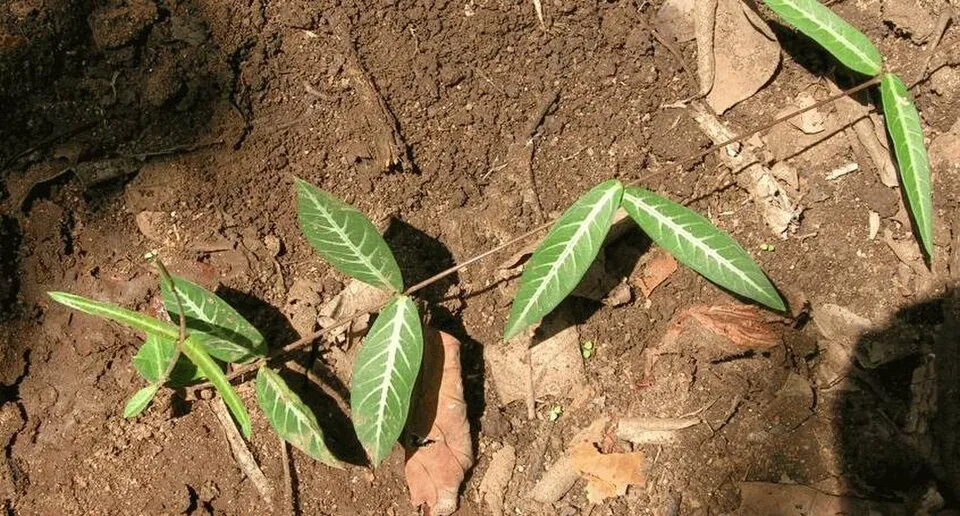
Hemidesmus indicus, universally known as Anantmool or Indian Sarsaparilla, is a fascinating perennial, twining shrub belonging to the diverse Apocynaceae family. This distinctive plant is recognized by its slender, wiry stems, which initially present a striking purplish-brown hue before gradually maturing into a more woody texture. Its leaves are arranged oppositely along the stem, featuring a glossy dark green upper surface that elegantly contrasts with a paler, whitish-green underside. Typically, these leaves are elliptic-oblong to linear-lanceolate in shape, contributing to the plant's overall aesthetic appeal. Anantmool produces small, inconspicuous flowers that range in color from greenish-yellow to purplish, clustered in axillary cymes. The blooming season generally occurs between October and January.
Following successful pollination, the plant develops long, divergent follicles as fruit, usually measuring between 2 to 4 inches in length. The most medicinally valued part of Hemidesmus indicus, however, resides beneath the soil: its roots. These roots are woody, highly aromatic, and emit a sweet, pleasant scent often likened to vanilla or coumarin, attributed to the presence of 2-hydroxy-4-methoxybenzaldehyde. Externally, the roots display a characteristic longitudinally fissured brownish-black surface, while their inner core reveals a yellowish-white coloration. Anantmool is indigenous to the Indian subcontinent, flourishing in tropical and subtropical climates. It is commonly found in a variety of habitats, including open forests, hedges, scrublands, and along roadsides, thriving at altitudes up to 600 meters.
Historically, Hemidesmus indicus has been a cornerstone in traditional Ayurvedic medicine, revered in ancient texts like the Charaka Samhita and Sushruta Samhita for its profound 'rakta shodhak' (blood purifying) and 'rasayana' (rejuvenating) attributes. Its traditional applications encompass treatments for various skin diseases, fevers, and as a potent general tonic. Beyond Ayurveda, Anantmool also holds a significant place in Unani medicine, where it is employed for conditions such as syphilis, leucorrhea, and urinary disorders. The escalating global demand for natural remedies has spurred increased cultivation efforts for Anantmool, although wild harvesting remains a common practice. Consequently, robust conservation initiatives are paramount to mitigate over-exploitation and ensure the long-term sustainability of this invaluable medicinal ...[CURRENT TEXT EXISTS: 2742 chars]
1.1.Anantmool — Highlights
- ✓Aromatic Roots — Possesses a distinctive, sweet, vanilla-like aroma from compounds like 2-hydroxy-4-methoxybenzaldehyde.
- ✓Twining Shrub — Characterized by its slender, purplish-brown stems that twine around supports.
- ✓Traditional Blood Purifier — Widely known in Ayurveda as 'rakta shodhak' for its detoxifying effects.
- ✓Rasayana Herb — Classified as a rejuvenating tonic, promoting overall health and longevity.
- ✓Adaptogenic Potential — May help the body adapt to stress and maintain homeostasis.
- ✓Anti — inflammatory Action — Contains triterpenes that contribute to its anti-inflammatory properties.
- ✓Digestive & Diuretic — Supports healthy digestion and promotes urinary function.
- ✓Skin Health Ally — Valued for its efficacy in treating various skin disorders and promoting clear skin.
- ✓Indigenous to Indian Subcontinent — Native to tropical and subtropical regions of India.
- ✓Distinctive Morphology — Features glossy dark green leaves with whitish undersides and small greenish-yellow flowers.
1.2.Anantmool — Quick Summary
- ✓Anantmool (Hemidesmus indicus) — A renowned Ayurvedic herb prized for its aromatic roots.
- ✓'Blood Purifier' & 'Rejuvenator' — Key traditional roles in detoxification and vitality.
- ✓Rich Phytochemistry — Contains coumarins, triterpenes, and sterols responsible for its therapeutic actions.
- ✓Diverse Benefits — Supports skin health, digestion, liver function, and acts as an anti-inflammatory.
- ✓Traditional & Modern Use — Integral to Ayurveda and Unani, with growing scientific validation.
- ✓Sustainability Concern — Wild harvesting pressures necessitate conservation efforts.
2.Anantmool — Nomenclature & Classification
3.Anantmool — Key Data
4.Anantmool — Botanical Description
5.Anantmool — Native Range & Habitat
6.Anantmool — Traditional Uses
7.Anantmool — Chemical Profile
- ✓Coumarins — Primarily 2-hydroxy-4-methoxybenzaldehyde (also known as Hemidesmin), responsible for the characteristic vanilla-like aroma and contributing to antioxidant activity.
- ✓Triterpenes — Including α-amyrin, β-amyrin, and lupeol, which are known for their anti-inflammatory and hepatoprotective properties.
- ✓Sterols — Such as β-sitosterol, a phytosterol recognized for its potential cholesterol-lowering and anti-inflammatory effects.
- ✓Glycosides — Various cardenolide glycosides that contribute to the plant's diverse pharmacological actions, including cardiac support and diuretic effects.
- ✓Tannins — Polyphenolic compounds that exhibit astringent properties, contributing to its anti-diarrheal and wound-healing capabilities.
- ✓Flavonoids — A class of polyphenols with strong antioxidant and anti-inflammatory activities, protecting cells from oxidative damage.
- ✓Saponins — Natural detergents that can have expectorant, anti-inflammatory, and immune-modulating effects, though specific types in Anantmool are still being researched.
- ✓Volatile Oils — Contributing to the plant's distinctive fragrance and possessing potential antimicrobial and carminative properties.
- ✓Resin Acids — Complex organic acids present in the root, which may contribute to its traditional uses in detoxification and anti-inflammatory responses.
- ✓Fatty Acids — Essential components for cell membrane integrity and various metabolic processes, found in the plant's root extracts.
- ✓Ketones — Specific ketone compounds, alongside other phytochemicals, contributing to the overall pharmacological profile of Hemidesmus indicus.
- ✓Organic Acids — Including 2-hydroxy-4-methoxy-benzoic acid, which may play a role in its antioxidant and antimicrobial activities.
8.Anantmool — Scientific Evidence
- ✓Blood Purifier — Anantmool is traditionally revered for its 'rakta shodhak' properties, effectively cleansing the blood and supporting overall circulatory health by removing toxins.
- ✓Anti-inflammatory Action — Scientific studies indicate that Hemidesmus indicus possesses anti-inflammatory capabilities, which can help alleviate swelling and pain associated with various inflammatory conditions.
- ✓Digestive Aid — Indian Sarsaparilla is known to improve digestive strength and has carminative properties, assisting in the relief of indigestion, loss of taste, and promoting healthy gut function.
- ✓Skin Health Support — Widely used in traditional medicine for skin disorders, Anantmool helps in managing conditions like eczema, psoriasis, and acne due to its detoxifying and anti-inflammatory effects.
- ✓Diuretic Properties — The plant acts as a natural diuretic, promoting healthy urinary flow and aiding in the elimination of excess fluids and toxins from the body, beneficial for urinary tract health.
- ✓Hepatoprotective Effects — Research suggests that Anantmool exhibits hepatoprotective activity, helping to protect the liver from damage and supporting its detoxification processes.
- ✓Antioxidant Activity — Hemidesmus indicus is rich in antioxidants, which combat free radicals, reduce oxidative stress, and protect cells from damage, contributing to anti-aging and overall wellness.
- ✓Reproductive Health — Traditionally used to improve semen quality and quantity, Anantmool may support male fertility and also helps cleanse breast milk in lactating mothers.
- ✓Rejuvenating (Rasayana) — In Ayurveda, it is classified as a 'rasayana' herb, implying its ability to promote longevity, vitality, and overall systemic rejuvenation.
- ✓Anti-microbial and Anti-bacterial — Extracts of Anantmool have demonstrated anti-microbial and anti-bacterial activity, suggesting its potential in fighting various infections.
- ✓Fever Management — Anantmool is traditionally employed to reduce fever, owing to its cooling potency and ability to help the body detoxify.
- ✓Respiratory Support — It can be beneficial in managing coughs, colds, asthma, and chronic respiratory problems by soothing inflammation and aiding in expectoration.
8.1.Anantmool — Indications & Uses
9.Anantmool — Safety & Side Effects
9.1.Anantmool — Caution Notes
- ✓Allergic Reactions — Some individuals may experience skin rashes, itching, or other allergic responses, especially if sensitive to plants in the Apocynaceae family.
- ✓Digestive Upset — High doses or sensitive individuals might report mild gastrointestinal discomfort, such as nausea or stomach irritation.
- ✓Drug Interactions — Anantmool may interact with certain medications, particularly those affecting blood clotting, blood pressure, or liver enzymes; consult a healthcare provider.
- ✓Hypotension Risk — Due to its potential diuretic properties, excessive consumption might lead to a drop in blood pressure in susceptible individuals.
- ✓Pregnancy and Lactation — Lack of sufficient safety data advises against its use during pregnancy and breastfeeding without professional medical supervision.
- ✓Blood Sugar Levels — While not extensively documented, large quantities might theoretically influence blood sugar, warranting caution for diabetics.
- ✓Sedation — In rare cases, some users might report mild sedative effects, particularly when combined with other central nervous system depressants.
9.2.Anantmool — Risk Assessment
- ✓Professional Consultation — Always consult a qualified medical herbalist or healthcare provider before using Anantmool, especially if you have pre-existing conditions or are on medication.
- ✓Dosage Adherence — Strictly follow recommended dosages from a qualified practitioner or product label to avoid potential adverse effects.
- ✓Pregnancy & Lactation — Avoid use during pregnancy and breastfeeding due to insufficient safety data, unless specifically advised by a healthcare professional.
- ✓Children — Use in children should be under strict medical supervision due to the lack of comprehensive safety studies in pediatric populations.
- ✓Allergic History — Individuals with known allergies to plants in the Apocynaceae family or other botanical allergens should exercise caution.
- ✓Chronic Conditions — Patients with chronic diseases, particularly kidney or liver conditions, should use Anantmool only under expert medical guidance.
- ✓Discontinue if Adverse Reactions Occur — Cease use immediately if any adverse symptoms or allergic reactions develop and seek medical advice.
10.Anantmool — Preparation Methods
- ✓Decoction (Kwatha) — Roots are boiled in water until reduced to a specific volume, then strained and consumed for systemic benefits like blood purification.
- ✓Powder (Churna) — Dried Anantmool roots are ground into a fine powder, which can be mixed with honey, water, or milk and taken orally.
- ✓Infusion (Phanta) — Crushed roots are steeped in hot water for a period, similar to making tea, often used for its cooling and digestive properties.
- ✓Topical Paste (Kalka) — A paste made from fresh or powdered roots mixed with water or other liquids, applied externally for skin conditions or inflammation.
- ✓Medicated Oil (Taila) — Anantmool root is infused into carrier oils like sesame or coconut oil, used for massage to relieve pain, inflammation, or improve skin.
- ✓Syrups and Avalehas — The root extract is incorporated into sweet syrups or jams (Avalehas) for ease of consumption, particularly for respiratory or general tonic purposes.
- ✓Formulations (Asava/Arishta) — Used as a key ingredient in traditional fermented Ayurvedic preparations like Sarivadya Asava for enhanced potency and bioavailability.
- ✓Herbal Baths — Decoctions of Anantmool can be added to bathwater to soothe skin irritations and provide a cooling, aromatic experience.
11.Anantmool — How to Grow
- ✓Climate — Thrives in tropical and subtropical regions with ample humidity and temperatures between 20-35°C.
- ✓Soil — Prefers well-drained, fertile loamy to sandy-loamy soils with a pH ranging from 6.0 to 7.5.
- ✓Propagation — Primarily propagated through root cuttings or seeds; root cuttings are more common for faster establishment.
- ✓Planting — Cuttings are planted at the onset of the monsoon season, ensuring adequate moisture for root development.
- ✓Watering — Requires moderate to consistent watering, especially during dry periods, but avoids waterlogging.
- ✓Sunlight — Grows best in partial shade to full sun, though young plants benefit from some protection from intense direct sunlight.
- ✓Fertilization — Benefits from organic fertilizers or well-rotted compost to enrich soil fertility and support robust root growth.
- ✓Harvesting — Roots are typically harvested after 2-3 years of growth, usually during the dry season when active compounds are concentrated.
Reviewed by the Flora Medical Global Botanical Review Panel
Multi-disciplinary editorial group · Botany · Ethnobotany · Herbal-medicine literature
Who reviewed this: This page was checked by the Flora Medical Global Botanical Review Panel — an in-house editorial group of botany graduates, ethnobotany researchers, and horticulture practitioners who collectively maintain our 7,000+ plant encyclopedia. Meet the team.
Our 4-step verification process
1. Taxonomic verification
Scientific names and synonyms cross-checked against Kew POWO, World Flora Online, and The Plant List.
2. Phytochemical & medicinal cross-reference
Active compounds, traditional uses, and reported activities are cross-referenced with PubMed, USDA Dr. Duke's database, and peer-reviewed ethnobotanical literature.
3. Conservation & distribution check
Distribution, ecology, and conservation status confirmed against GBIF occurrence records and the IUCN Red List.
4. Editorial & safety review
Every entry passes an editorial pass for clarity, originality, and safety notices (toxicity, contraindications, dosage caveats) before publication.
Last reviewed:
Important medical disclaimer: This content is for educational and research purposes only. It is not medical advice and is not a substitute for consultation with a licensed healthcare provider. Do not use any herb to self-treat a medical condition without professional guidance.
Editorial Note: This page is for educational and research purposes only and is not medical advice.
Written by: Flora Medical Global Editorial Team
Reviewed by: Flora Medical Global Botanical Review Panel
Last Updated: June 15, 2026





Anantmool — Comments & Community Reviews
Rate this plant