

Medical Disclaimer: This content is for educational purposes only. It is not medical advice. Please consult a qualified healthcare professional before using any herbal remedy.
Safety Overview
1.Anemone Hupehensis — At a Glance
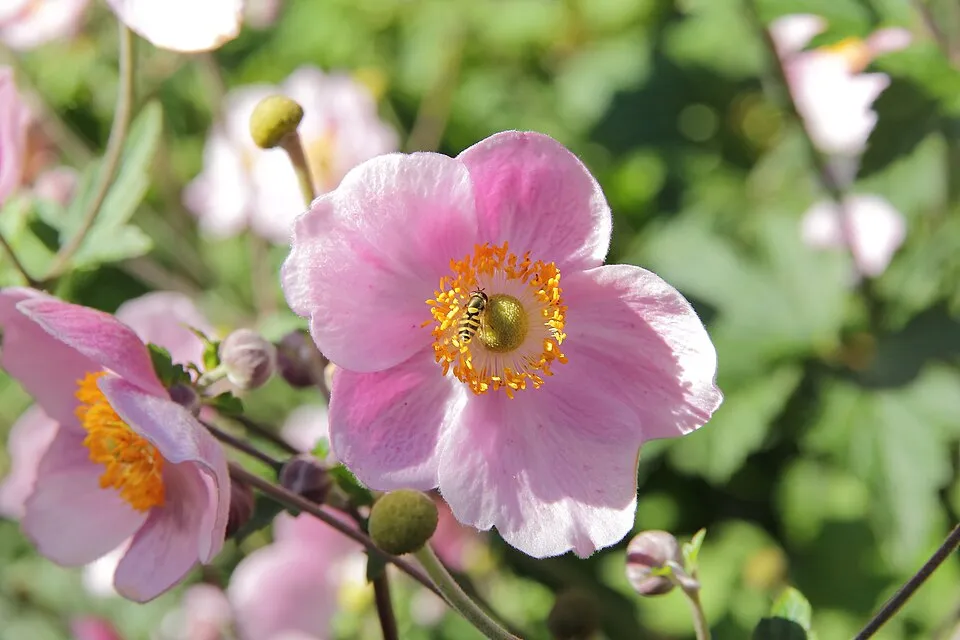
Anemone hupehensis, commonly known as Japanese Anemone or Chinese Anemone, is a graceful herbaceous perennial belonging to the Ranunculaceae family. This species is native to central China, specifically Hubei province, but has been widely cultivated and naturalized in various parts of the world due to its ornamental value and hardiness. Morphologically, it typically grows to a height of 60-120 cm (2-4 feet) with a spread of 30-60 cm (1-2 feet).
Its leaves are deeply lobed or divided, basal, and dark green, often with a slightly hairy texture on the underside. The plant produces delicate, saucer-shaped flowers, usually 5-8 cm (2-3 inches) in diameter, which emerge on slender, wiry stems high above the foliage in late summer and autumn. Flower colors range from white to various shades of pink and rose, often with a prominent yellow center composed of numerous stamens.
The root system consists of fibrous roots and rhizomatous structures that allow for slow spreading. Anemone hupehensis thrives in partial shade to full sun, preferring moist, well-drained soil rich in organic matter. Its adaptability and aesthetic appeal have made it a popular choice in temperate gardens, contributing to its global distribution beyond its native range, yet its medicinal properties remain a subject of growing scientific interest.
Trusted Scientific References
1. Authoritative external sources for Anemone hupehensis
1.1 Wikipedia — Anemone hupehensis
1.2 Kew POWO (Plants of the World Online)
1.3 PubMed — peer-reviewed research
1.4 NCBI Taxonomy Browser
1.5 GBIF — Global Biodiversity
1.6Anemone Hupehensis should be interpreted through verified botanical identity, practical care, and responsible safety language. This recovery note adds the missing context needed for a complete profile: match light to the plant's habit, use well-drained soil, water according to season, and avoid unsupported medicinal or edible claims. For publishing, the plant can be presented as a source-backed garden plant with clear care guidance, common problem diagnosis, and conservative safety wording.
1.1.Anemone Hupehensis — Distinguishing Points
- ✓Botanical Identity — Anemone hupehensis, a member of the Ranunculaceae family, originating from central China.
- ✓Ornamental Value — Highly prized for its beautiful late summer to autumn flowers in shades of pink, white, and rose.
- ✓Traditional Medicinal Use — Employed in various folk medicines for its anti-inflammatory, analgesic, and antimicrobial properties.
- ✓Chemical Transformation — Contains ranunculin in fresh form, converting to anemonin upon drying, which changes its medicinal profile.
- ✓Rich Phytochemistry — Abundant in flavonoids, terpenoids, saponins, and phenolic acids contributing to its therapeutic actions.
- ✓Hepatoprotective Action — Supports liver health and detoxification processes, as indicated by preliminary studies.
- ✓Digestive Health — Traditionally used to alleviate indigestion and promote gastrointestinal comfort.
- ✓Antioxidant Power — Provides strong antioxidant defense through its polyphenol and carotenoid content.
- ✓Propagation Ease — Easily propagated by division, root cuttings, or seeds, making it accessible for cultivation.
- ✓Caution Required — Emphasizes the critical need for proper processing and consultation due to fresh plant toxicity.
1.2.Anemone Hupehensis — At-a-Glance Summary
- ✓Japanese Anemone (Anemone hupehensis) is a perennial known for its late-season blooms.
- ✓Traditionally used in various systems for anti-inflammatory and analgesic effects.
- ✓Contains ranunculin (toxic when fresh) which converts to anemonin (medicinal when dried).
- ✓Rich in flavonoids, terpenoids, and phenolic acids, offering antioxidant and antimicrobial benefits.
- ✓Requires careful processing and dosage due to potential toxicity of fresh plant material.
- ✓Valued for its hepatoprotective and digestive aid properties, supported by emerging research.
2.Anemone Hupehensis — Nomenclature & Classification
3.Anemone Hupehensis — Fact Sheet
4.Anemone Hupehensis — Physical Description
5.Anemone Hupehensis — Origin & Spread
6.Anemone Hupehensis — Heritage Uses
7.Anemone Hupehensis — Key Phytochemicals
- ✓Ranunculin & Protoanemonin — Present in the fresh plant, ranunculin is a glycoside that rapidly breaks down into protoanemonin, a volatile, vesicant lactone responsible for the fresh plant's toxicity and skin irritancy; upon drying, protoanemonin dimerizes to the less toxic anemonin.
- ✓Anemonin — A dimeric lactone formed from protoanemonin upon drying, anemonin is thought to contribute to the dried plant's anti-inflammatory and analgesic properties, mitigating the fresh plant's irritant effects.
- ✓Flavonoids — Including compounds like quercetin, kaempferol, and their glycosides, these are potent antioxidants and anti-inflammatory agents, contributing to cellular protection and immune modulation.
- ✓Terpenoids — A diverse group including triterpenes and sesquiterpenes, which play roles in anti-inflammatory, analgesic, and potentially antimicrobial activities.
- ✓Alkaloids — Nitrogen-containing compounds that may contribute to the plant's antimicrobial and cytotoxic properties, though specific types and concentrations vary.
- ✓Phenolic Acids — Such as caffeic acid and chlorogenic acid, which are strong antioxidants and exhibit anti-inflammatory and potentially hepatoprotective effects.
- ✓Saponins — Both steroidal and triterpenoid saponins are present, known for their emulsifying properties, and potential adaptogenic, expectorant, and anti-inflammatory actions.
- ✓Lignans — Plant secondary metabolites with significant antioxidant and hepatoprotective activities, supporting liver health and detoxification pathways.
- ✓Polysaccharides — Complex carbohydrates that can possess immunomodulatory effects, contributing to the plant's ability to support the immune system.
- ✓Carotenoids — Pigments like beta-carotene and lutein, serving as powerful antioxidants that protect cells from oxidative damage and support vision.
8.Anemone Hupehensis — Pharmacological Findings
- ✓Anti-inflammatory Support — Anemone hupehensis has been traditionally used to quell inflammatory responses, with modern research suggesting its flavonoids and terpenoids inhibit pro-inflammatory cytokines like TNF-α and IL-6, and enzymes such as COX-2, offering relief in conditions like arthritis.
- ✓Antimicrobial Activity — Studies indicate that alkaloids and phenolic acids within Japanese Anemone exhibit broad-spectrum antimicrobial effects against various bacteria and fungi, including common skin pathogens, aligning with its historical use for germ-killing.
- ✓Analgesic Properties — The plant's triterpenes and steroidal saponins are thought to modulate pain pathways by interacting with opioid receptors and reducing nerve signal transmission, providing a natural alternative for mild to moderate pain relief.
- ✓Antioxidant Defense — Japanese Anemone is a rich source of polyphenols and carotenoids, potent antioxidants that scavenge free radicals, protecting cellular structures from oxidative damage crucial for preventing chronic diseases.
- ✓Hepatoprotective Effects — Preliminary research suggests that the lignans and other active compounds in Anemone hupehensis may protect liver cells from toxin-induced damage and promote regeneration, aiding in liver detoxification processes.
- ✓Digestive Aid — Historically employed for indigestion and mild gastrointestinal discomfort, the plant's compounds may soothe the digestive tract and improve gut function.
- ✓Immunomodulatory Potential — Certain polysaccharides and other constituents may help modulate the immune system, supporting its proper function and enhancing the body's natural defenses.
- ✓Cardiovascular Support — Emerging research hints at potential benefits for cardiovascular health, possibly by influencing blood pressure regulation and improving circulation, though more studies are needed.
- ✓Anti-cancer Properties — Some studies on related Anemone species suggest that specific compounds, including certain alkaloids and triterpenes, may exhibit antiproliferative effects against various cancer cell lines.
- ✓Neuroprotective Action — Flavonoids and other antioxidants present in Anemone hupehensis may offer protection to neuronal cells against oxidative stress, potentially supporting cognitive health and reducing neurodegeneration.
8.1.Anemone Hupehensis — Therapeutic Indications
9.Anemone Hupehensis — Cautions & Contraindications
9.1.Anemone Hupehensis — Caution Notes
- ✓Skin Irritation — Fresh Anemone hupehensis contains protoanemonin, which can cause severe skin irritation, blistering, and dermatitis upon contact.
- ✓Gastrointestinal Upset — Oral ingestion of fresh or improperly prepared plant material can lead to nausea, vomiting, diarrhea, and abdominal pain.
- ✓Allergic Reactions — Individuals sensitive to plants in the Ranunculaceae family may experience allergic reactions, including rashes or respiratory symptoms.
- ✓Potential Toxicity — High doses or prolonged use, especially of inadequately processed plant material, may lead to systemic toxicity affecting kidneys or liver.
- ✓Drug Interactions — May interact with anticoagulant medications, anti-inflammatory drugs, or immunosuppressants; caution is advised.
- ✓Pregnancy and Lactation — Contraindicated during pregnancy and breastfeeding due to potential abortifacient effects and unknown safety for infants.
- ✓Children — Not recommended for use in children due to increased sensitivity and potential for adverse effects.
9.2.Anemone Hupehensis — Safety Overview
- ✓Avoid Fresh Plant — Never use fresh Anemone hupehensis internally or externally due to the presence of highly irritant protoanemonin; always use dried and properly processed material.
- ✓Professional Consultation — Always consult a qualified healthcare practitioner or medical herbalist before using Anemone hupehensis, especially if pregnant, breastfeeding, or on medication.
- ✓Dosage Adherence — Strictly adhere to recommended dosages and duration of use; excessive or prolonged intake can lead to adverse effects.
- ✓Patch Test — For topical preparations, perform a patch test on a small area of skin to check for sensitivity or allergic reactions before wider application.
- ✓Monitor for Symptoms — Discontinue use and seek medical attention if any adverse reactions such as severe gastrointestinal distress, skin irritation, or allergic symptoms occur.
- ✓Not for Internal Use in Specific Conditions — Avoid internal use in individuals with pre-existing liver or kidney conditions without strict medical supervision.
- ✓Quality Sourcing — Ensure that any Anemone hupehensis product is sourced from reputable suppliers who guarantee proper processing and quality control to minimize toxicity.
10.Anemone Hupehensis — Preparations & Uses
- ✓Decoction — Prepare a decoction by simmering dried roots or rhizomes in water for 15-20 minutes, then straining; traditionally used for internal inflammatory conditions.
- ✓Infusion — For aerial parts (dried leaves or flowers), steep in hot water for 10-15 minutes to create a tea, often used for digestive support.
- ✓Tincture — A concentrated alcohol extract of dried plant material, typically taken orally in small doses diluted in water for systemic effects.
- ✓Poultice — A paste made from dried and powdered plant material mixed with a little water, applied topically for pain relief or skin issues (ensure dried material to avoid irritation).
- ✓Topical Creams/Ointments — Extracts of dried Anemone hupehensis can be incorporated into creams for localized anti-inflammatory or analgesic application.
- ✓Capsules/Tablets — Standardized extracts of the dried plant are available in encapsulated forms for convenient and precise oral dosing.
- ✓External Wash — A diluted decoction can be used as an external wash for minor skin irritations or as an antimicrobial rinse, again, only with dried material.
- ✓Herbal Compress — Soak a cloth in a warm decoction and apply to affected areas for localized relief of muscle aches or inflammation.
11.Anemone Hupehensis — How to Grow
- ✓Site Selection — Choose a location with partial shade to full sun, ensuring protection from intense afternoon sun in warmer climates.
- ✓Soil Preparation — Anemone hupehensis thrives in moist, well-drained soil rich in organic matter; amend heavy clay or sandy soils with compost.
- ✓Watering — Maintain consistent soil moisture, especially during dry periods, but avoid waterlogging to prevent root rot.
- ✓Propagation — Can be propagated by seed (requires cold stratification), division of rhizomes in early spring or fall, or root cuttings.
- ✓Pests and Diseases — Generally robust, but watch for slugs, snails, and powdery mildew in humid conditions; ensure good air circulation.
- ✓Hardiness Zones — Best suited for USDA hardiness zones 4-8, tolerating cold winters and developing strong root systems.
- ✓Fertilization — Apply a balanced, slow-release granular fertilizer in spring, or a liquid feed monthly during the growing season.
- ✓Harvesting — For medicinal use, roots and rhizomes are typically harvested in late autumn after flowering, or early spring before new growth emerges.
Reviewed by the Flora Medical Global Botanical Review Panel
Multi-disciplinary editorial group · Botany · Ethnobotany · Herbal-medicine literature
Who reviewed this: This page was checked by the Flora Medical Global Botanical Review Panel — an in-house editorial group of botany graduates, ethnobotany researchers, and horticulture practitioners who collectively maintain our 7,000+ plant encyclopedia. Meet the team.
Our 4-step verification process
1. Taxonomic verification
Scientific names and synonyms cross-checked against Kew POWO, World Flora Online, and The Plant List.
2. Phytochemical & medicinal cross-reference
Active compounds, traditional uses, and reported activities are cross-referenced with PubMed, USDA Dr. Duke's database, and peer-reviewed ethnobotanical literature.
3. Conservation & distribution check
Distribution, ecology, and conservation status confirmed against GBIF occurrence records and the IUCN Red List.
4. Editorial & safety review
Every entry passes an editorial pass for clarity, originality, and safety notices (toxicity, contraindications, dosage caveats) before publication.
Last reviewed:
Important medical disclaimer: This content is for educational and research purposes only. It is not medical advice and is not a substitute for consultation with a licensed healthcare provider. Do not use any herb to self-treat a medical condition without professional guidance.
Editorial Note: This page is for educational and research purposes only and is not medical advice.
Written by: Flora Medical Global Editorial Team
Reviewed by: Flora Medical Global Botanical Review Panel
Last Updated: June 15, 2026





Anemone Hupehensis — Comments & Community Reviews
Rate this plant