

Medical Disclaimer: This content is for educational purposes only. It is not medical advice. Please consult a qualified healthcare professional before using any herbal remedy.
Safety Overview
1.Anemone Sylvestris — Overview
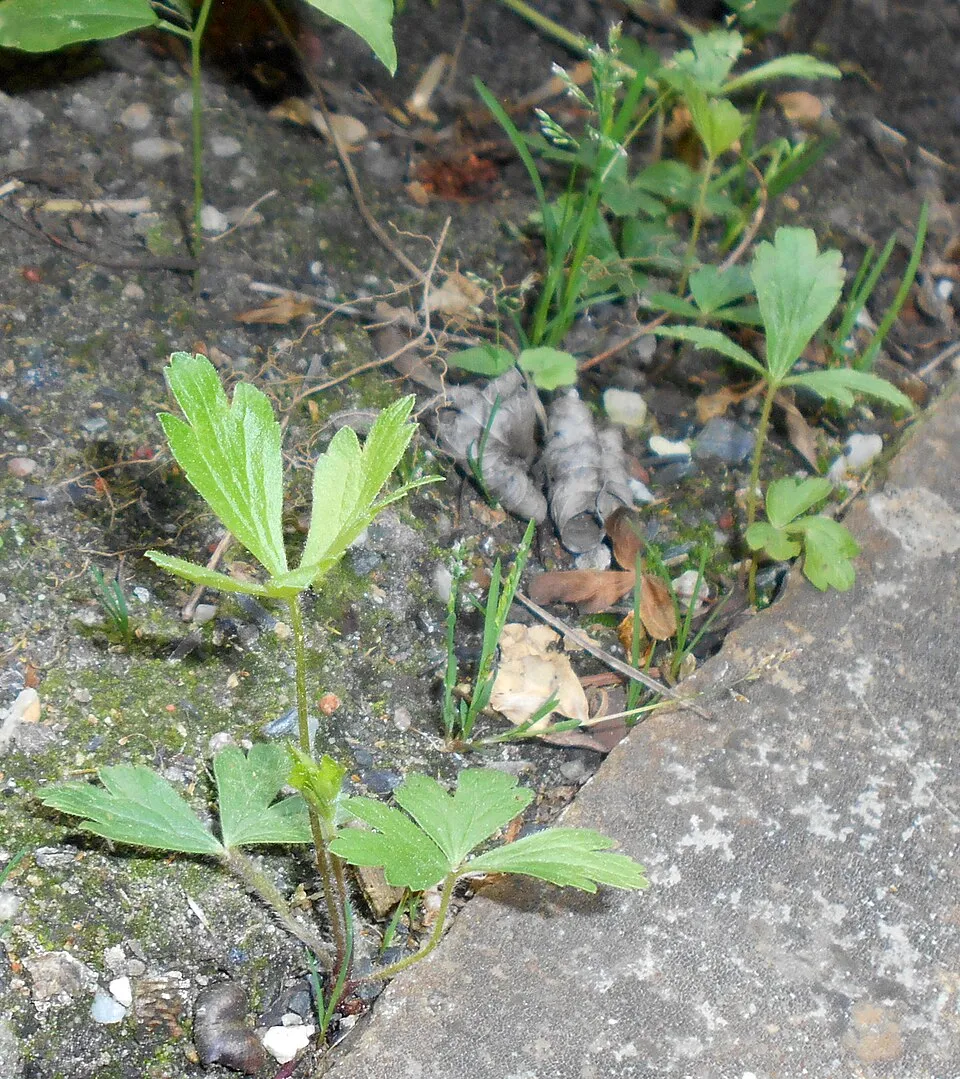
Anemone sylvestris, widely recognized as Snowdrop Anemone or Snowdrop Windflower, is a delightful herbaceous perennial belonging to the Ranunculaceae family, a group renowned for its diverse floral forms. This species typically establishes itself in robust clumps, attaining a height of 30 to 60 centimeters, characterized by an erect, graceful growth habit. Its distinctive foliage comprises deeply lobed, palmate basal leaves, often exhibiting a subtly hairy texture, which emerge from an extensive creeping rhizomatous rootstock. These dark green leaves maintain a vibrant, lush appearance throughout the growing season, contributing significantly to its ornamental appeal.
The most captivating feature of Anemone sylvestris is its solitary, often nodding, cup-shaped flowers. These blooms are pure white, occasionally displaying delicate pink or purple tinges on their exterior, and emit a subtle, pleasant fragrance. Each exquisite flower is formed by five prominent, petal-like sepals, which encircle a conspicuous central boss of bright yellow stamens, creating a striking visual contrast. These elegant blossoms typically grace the plant from late spring through early summer.
Post-pollination, the plant develops unique fuzzy, spherical seed heads, which encase numerous achenes often covered in woolly hairs, facilitating efficient wind dispersal. Anemone sylvestris thrives optimally in well-drained, humus-rich, and frequently calcareous soils. While it shows a preference for partial shade, it can tolerate full sun in regions with cooler ambient temperatures. Its native range extends across various parts of Europe and Western Asia, where it is commonly found inhabiting open woodlands, verdant meadows, and the transitional zones of forest margins.
Trusted Scientific References
1. Authoritative external sources for Anemone Sylvestris
1.1 Wikipedia — Anemone Sylvestris
1.2 Kew POWO (Plants of the World Online)
1.3 PubMed — peer-reviewed research
1.4 NCBI Taxonomy Browser
1.5 GBIF — Global Biodiversity
1.1.Anemone Sylvestris — Standout Qualities
- ✓Botanical Name — Anemone sylvestris.
- ✓Common Names — Snowdrop Anemone, Snowdrop Windflower.
- ✓Family — Ranunculaceae (Buttercup family).
- ✓Growth Habit — Clump-forming herbaceous perennial, 30-60 cm tall.
- ✓Flowers — Solitary, nodding, pure white (sometimes pink-tinged), cup-shaped with yellow stamens.
- ✓Foliage — Deeply lobed, palmate basal leaves, dark green, often hairy.
- ✓Medicinal Uses — Sedative, anxiolytic, anti-inflammatory, analgesic.
- ✓Key Constituents — Protoanemonin (fresh), Anemonin (dried), Flavonoids, Saponins.
- ✓Toxicity Warning — Fresh plant is toxic; only dried or processed forms are used medicinally.
- ✓Habitat — Open woodlands, meadows, forest margins in Europe and Western Asia.
1.2.Anemone Sylvestris — Concise Overview
- ✓Snowdrop Anemone (Anemone sylvestris) is a perennial herb from the Ranunculaceae family.
- ✓Traditionally used for its sedative, anxiolytic, and anti-inflammatory properties.
- ✓Contains protoanemonin (toxic when fresh) and anemonin (less toxic, medicinal when dried).
- ✓Crucially, only dried or properly processed plant material should be used medicinally.
- ✓Known to help calm the nervous system and alleviate mild pain and inflammation.
- ✓Contraindicated in pregnancy, lactation, and for children; always consult a healthcare professional.
2.Anemone Sylvestris — Taxonomic Classification
3.Anemone Sylvestris — Botanical Stats
4.Anemone Sylvestris — Plant Morphology
5.Anemone Sylvestris — Geographic Distribution
6.Anemone Sylvestris — Ethnobotanical Uses
7.Anemone Sylvestris — Bioactive Constituents
- ✓Protoanemonin — A volatile lactone, present in the fresh plant, responsible for the characteristic pungent taste and irritant properties; it dimerizes to anemonin upon drying, which is less toxic.
- ✓Anemonin — A dimeric lactone formed from protoanemonin upon drying or processing, showing reduced toxicity and potential anti-inflammatory and analgesic effects, often considered the active principle in dried preparations.
- ✓Saponins — Glycosides that produce foam in water, contributing to expectorant and anti-inflammatory actions, and potentially impacting membrane permeability.
- ✓Flavonoids — A diverse group of polyphenolic compounds such as quercetin and kaempferol derivatives, known for their antioxidant, anti-inflammatory, and neuroprotective properties.
- ✓Glycosides — Various sugar-bound compounds that may contribute to the plant's medicinal effects, including cardiac glycosides in some related species, though less prominent here.
- ✓Volatile Oils — A complex mixture of aromatic compounds present in small quantities, potentially contributing to the plant's fragrance and offering mild antiseptic or calming effects.
- ✓Tannins — Astringent compounds that can help to tone tissues, reduce inflammation, and possess mild antiseptic qualities, useful for topical applications.
- ✓Alkaloids — Nitrogen-containing organic compounds, though generally in low concentrations in Anemone sylvestris, may contribute to some of its pharmacological activities.
- ✓Polysaccharides — Complex carbohydrates that can have immune-modulating effects, supporting the body's natural defense mechanisms and overall health.
8.Anemone Sylvestris — Research Insights
- ✓Sedative Properties — Traditionally utilized to soothe the nervous system and alleviate symptoms of restlessness, possibly due to the presence of compounds that interact with central nervous system neurotransmitters, promoting a sense of calm.
- ✓Anxiolytic Effects — May assist in reducing feelings of anxiety and nervous tension, fostering mental relaxation without inducing pronounced drowsiness, making it useful for generalized stress relief.
- ✓Anti-inflammatory Action — Contains bioactive compounds capable of modulating various inflammatory pathways, potentially offering relief from diverse inflammatory conditions affecting joints, muscles, or skin.
- ✓Analgesic Potential — Exhibits mild pain-relieving properties, particularly effective for discomfort associated with inflammatory processes or nervous system overstimulation, such as tension headaches.
- ✓Antispasmodic Activity — The plant may help to relax smooth muscles, making it beneficial for alleviating spasms in the digestive tract or uterine cramps, contributing to overall comfort.
- ✓Diuretic Support — Traditional uses suggest a mild diuretic effect, aiding in the gentle removal of excess fluids from the body and supporting kidney function.
- ✓Immune Modulatory Effects — Some constituents could interact with immune cells, potentially supporting a balanced immune response and enhancing the body's natural defense mechanisms.
- ✓Topical Wound Healing — Applied externally, extracts might promote the healing of minor cuts, abrasions, and skin irritations due to its anti-inflammatory and antiseptic qualities.
- ✓Respiratory Relief — Historically employed to ease symptoms of coughs and mild respiratory congestion, possibly through its soothing and anti-inflammatory actions on mucous membranes.
- ✓Nervine Tonic — Beyond acute relief, regular, low-dose use has been suggested in traditional systems as a nervine tonic to strengthen and balance the nervous system over time.
8.1.Anemone Sylvestris — Conditions Traditionally Used For
9.Anemone Sylvestris — Adverse Effects
9.1.Anemone Sylvestris — Warnings
- ✓Skin Irritation — Fresh plant material contains protoanemonin, which can cause blistering, redness, and irritation upon direct skin contact.
- ✓Gastrointestinal Upset — Ingesting fresh or improperly prepared plant material can lead to nausea, vomiting, diarrhea, and abdominal pain due to irritant compounds.
- ✓Mucous Membrane Irritation — Contact with fresh plant extracts can irritate the mouth, throat, and digestive lining, causing burning sensations.
- ✓Allergic Reactions — Sensitive individuals may experience allergic responses such as skin rashes, itching, or respiratory symptoms.
- ✓Central Nervous System Depression — High doses, particularly of anemonin, could potentially lead to excessive sedation or drowsiness.
- ✓Renal Toxicity — In rare cases or with extremely high doses, there is a theoretical risk of kidney irritation or damage.
- ✓Oral Blistering — Chewing fresh leaves can cause severe blistering and irritation of the mouth and throat.
9.2.Anemone Sylvestris — Toxicity Assessment
- ✓Avoid Fresh Plant — Due to the presence of protoanemonin, fresh Anemone sylvestris is considered toxic and should not be ingested or applied directly to skin.
- ✓Use Dried/Processed Material — Medicinal preparations should only be made from dried or properly processed plant material, as drying converts protoanemonin to the less toxic anemonin.
- ✓Pregnancy and Lactation — Contraindicated during pregnancy and breastfeeding due to insufficient safety data and potential uterine stimulant effects.
- ✓Children — Not recommended for use in children due to potential toxicity and lack of specific pediatric dosing information.
- ✓Medical Supervision — Consult a qualified healthcare practitioner before use, especially if on medication or with pre-existing health conditions.
- ✓Dosage Adherence — Strictly adhere to recommended dosages for dried or prepared extracts to avoid adverse effects.
- ✓Wound Application Caution — Avoid applying even processed extracts to open wounds or broken skin unless specifically formulated and advised by an expert.
10.Anemone Sylvestris — Application Forms
- ✓Dried Herb Infusion — Prepare a tea by steeping 1-2 teaspoons of dried Anemone sylvestris herb in hot water for 10-15 minutes; consume 1-2 cups daily for calming effects.
- ✓Tincture Preparation — Macerate dried plant material in high-proof alcohol for several weeks, then strain; typical dosage is 1-2 ml, 2-3 times daily, diluted in water.
- ✓Poultice Application — For topical relief of minor inflammation or pain, crush dried or carefully processed fresh leaves and apply externally as a compress (avoid fresh plant directly on broken skin).
- ✓Decoction for External Use — Boil dried roots or rhizomes in water for 15-20 minutes to create a stronger extract, suitable for baths or washes for skin conditions, not for internal consumption.
- ✓Homeopathic Preparations — Anemone sylvestris is sometimes used in homeopathic remedies, prepared in highly diluted forms for specific constitutional indications.
- ✓Herbal Compress — Soak a cloth in a cooled infusion or decoction and apply to affected areas for localized anti-inflammatory or soothing effects.
- ✓Glycerite Extraction — For those avoiding alcohol, a glycerite can be prepared by extracting the herb in vegetable glycerin, offering a sweeter, non-alcoholic alternative for internal use.
- ✓Salve/Ointment — Infuse dried herb into a carrier oil, then combine with beeswax to create a topical salve for muscle aches or skin irritation, ensuring low concentration.
11.Anemone Sylvestris — Growth Requirements
- ✓Soil Preference — Thrives in well-drained, humus-rich, and slightly alkaline to neutral soils (pH 6.5-7.5), often favoring calcareous conditions.
- ✓Light Requirements — Prefers partial shade, especially in warmer climates, but can tolerate full sun in cooler regions where soil moisture is consistent.
- ✓Watering — Requires consistently moist soil, particularly during dry spells, but avoid waterlogging to prevent root rot.
- ✓Propagation — Primarily propagated by division of its rhizomatous rootstock in early spring or autumn, or from fresh seeds sown immediately after ripening.
- ✓Spacing — Plant individual specimens 30-45 cm apart to allow for mature clump development and adequate air circulation.
- ✓Fertilization — Benefits from an annual application of compost or a balanced slow-release fertilizer in early spring to support vigorous growth and flowering.
- ✓Pest and Disease Management — Generally robust, but watch for slugs and snails on new growth; ensure good air circulation to prevent fungal issues.
- ✓Winter Care — In colder zones, a protective layer of mulch can help insulate the rhizomes, though it is quite hardy.
Reviewed by the Flora Medical Global Botanical Review Panel
Multi-disciplinary editorial group · Botany · Ethnobotany · Herbal-medicine literature
Who reviewed this: This page was checked by the Flora Medical Global Botanical Review Panel — an in-house editorial group of botany graduates, ethnobotany researchers, and horticulture practitioners who collectively maintain our 7,000+ plant encyclopedia. Meet the team.
Our 4-step verification process
1. Taxonomic verification
Scientific names and synonyms cross-checked against Kew POWO, World Flora Online, and The Plant List.
2. Phytochemical & medicinal cross-reference
Active compounds, traditional uses, and reported activities are cross-referenced with PubMed, USDA Dr. Duke's database, and peer-reviewed ethnobotanical literature.
3. Conservation & distribution check
Distribution, ecology, and conservation status confirmed against GBIF occurrence records and the IUCN Red List.
4. Editorial & safety review
Every entry passes an editorial pass for clarity, originality, and safety notices (toxicity, contraindications, dosage caveats) before publication.
Last reviewed:
Important medical disclaimer: This content is for educational and research purposes only. It is not medical advice and is not a substitute for consultation with a licensed healthcare provider. Do not use any herb to self-treat a medical condition without professional guidance.
Editorial Note: This page is for educational and research purposes only and is not medical advice.
Written by: Flora Medical Global Editorial Team
Reviewed by: Flora Medical Global Botanical Review Panel
Last Updated: June 15, 2026





Anemone Sylvestris — Comments & Community Reviews
Rate this plant