
Medical Disclaimer: This content is for educational purposes only. It is not medical advice. Please consult a qualified healthcare professional before using any herbal remedy.
Safety Overview
1.Anemone Tomentosa — Botanical Snapshot
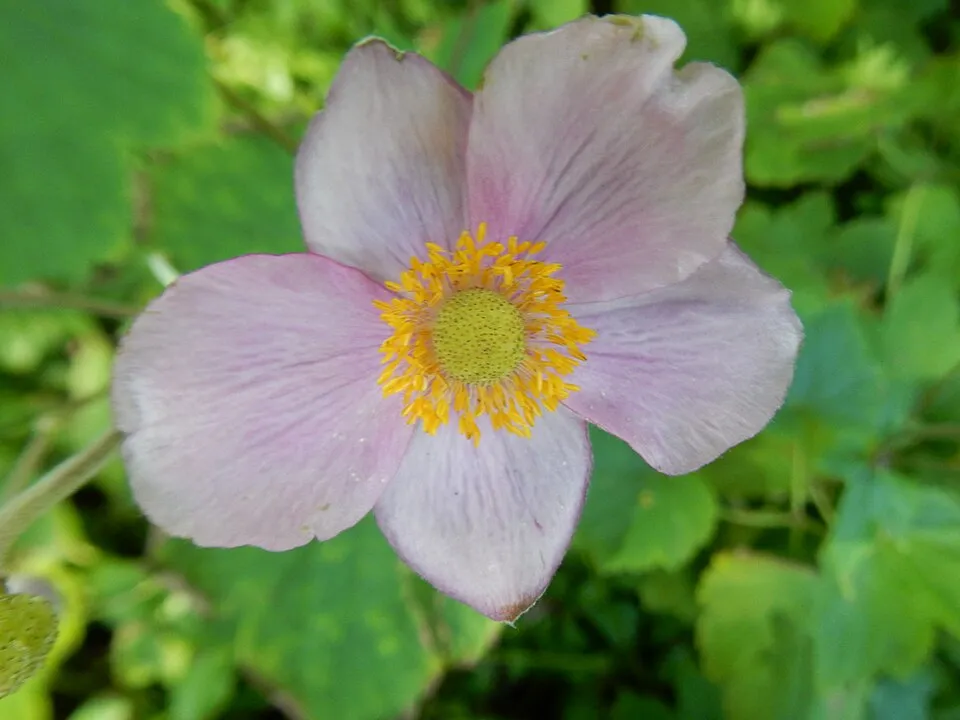
Anemone Tomentosa, commonly known as the Grapeleaf Anemone or Chinese Anemone, is a resilient perennial herb belonging to the Ranunculaceae family, often referred to as the buttercup family. This species is admired for its robust growth habit, forming dense clumps with deep green, glossy leaves that are typically broad and deeply lobed, reaching up to 15 cm in length. Its sturdy, erect stems can ascend to a height of 1 meter or more, presenting a prominent feature in garden landscapes.
During the late summer and fall, Anemone Tomentosa produces abundant clusters of small, delicate flowers, ranging in color from white to various shades of pink or purplish-pink, which lack true petals but instead feature petaloid sepals that attract pollinators. Following bloom, distinctive fuzzy, silver seed heads emerge, contributing to its ornamental appeal and aiding in wind dispersal. Native to temperate regions of China, Anemone Tomentosa thrives in open meadows, woodland edges, and cultivated gardens.
It prefers well-drained, organically rich soils but demonstrates adaptability to a range of soil types, including sandy and loamy blends. While it can tolerate full sun, it often benefits from partial shade, especially in hotter climates, ensuring at least six hours of direct or filtered sunlight daily. Notably, this plant is generally resistant to most common pests, making it a low-maintenance and long-lived addition to diverse horticultural settings.
Trusted Scientific References
1. Authoritative external sources for Anemone Tomentosa
1.1 Wikipedia — Anemone Tomentosa
1.2 Kew POWO (Plants of the World Online)
1.3 PubMed — peer-reviewed research
1.4 NCBI Taxonomy Browser
1.5 GBIF — Global Biodiversity
1.6Anemone Tomentosa should be interpreted through verified botanical identity, practical care, and responsible safety language. This recovery note adds the missing context needed for a complete profile: match light to the plant's habit, use well-drained soil, water according to season, and avoid unsupported medicinal or edible claims. For publishing, the plant can be presented as a source-backed garden plant with clear care guidance, common problem diagnosis, and conservative safety wording.
1.1.Anemone Tomentosa — Distinguishing Points
- ✓Botanical Name — Anemone Tomentosa
- ✓Common Names — Grapeleaf Anemone, Chinese Anemone, Windflower
- ✓Plant Family — Ranunculaceae (Buttercup Family)
- ✓Key Compounds — Protoanemonin, Anemonin, Flavonoids, Terpenes
- ✓Primary Actions — Nervine, Sedative, Anti-anxiety, Antispasmodic, Anti-inflammatory
- ✓Traditional Uses — Ayurvedic digestive aid, anti-inflammatory agent, calming nervine
- ✓Dosage Requirement — Strictly a very low-dose medicinal, typically 1-15 drops of tincture
- ✓Toxicity Profile — Caustic and potentially poisonous if not used correctly or in excess
- ✓Habitat — Native to China, thriving in well-drained soil and partial shade to full sun
- ✓Ornamental Value — Highly prized for its late-season, often pinkish-purple, delicate blooms and robust garden presence
1.2.Anemone Tomentosa — Snapshot Summary
- ✓Anemone Tomentosa is a potent medicinal plant from the Ranunculaceae family, also known as Chinese Anemone.
- ✓It exhibits nervine, sedative, anti-anxiety, and antispasmodic properties, making it valuable in herbal medicine.
- ✓Contains acrid compounds like protoanemonin, rendering it caustic and potentially toxic in higher doses or fresh form.
- ✓Traditionally used in Ayurvedic practices for digestive support and its anti-inflammatory actions.
- ✓Requires very low dosage and strict professional supervision for safe and effective therapeutic application.
- ✓Cultivated as a beautiful ornamental, it holds significant, yet cautious, potential as a low-dose botanical medicine.
2.Anemone Tomentosa — Nomenclature & Classification
3.Anemone Tomentosa — Vital Statistics
4.Anemone Tomentosa — Physical Description
5.Anemone Tomentosa — Native Range & Habitat
6.Anemone Tomentosa — Folk Medicine Applications
7.Anemone Tomentosa — Phytochemistry
- ✓Protoanemonin — A volatile, acrid, and highly caustic lactone characteristic of fresh Ranunculaceae plants, responsible for the plant's irritant and potentially toxic effects, converting to anemonin upon drying.
- ✓Anemonin — A less volatile and less toxic dilactone formed from the dimerization of protoanemonin when the plant material dries, possessing recognized anti-inflammatory, analgesic, and antispasmodic properties.
- ✓Flavonoids — A diverse group of polyphenolic compounds, including quercetin and kaempferol derivatives, known for their significant antioxidant, anti-inflammatory, and neuroprotective activities, contributing to cellular health.
- ✓Terpenes — Aromatic organic compounds that form a major part of the plant's essential oil profile, often exhibiting anti-inflammatory, antimicrobial, and anxiolytic effects, influencing the plant's aroma and therapeutic actions.
- ✓Saponins — Glycosides that can possess expectorant, anti-inflammatory, and immune-modulating properties, though some types can be toxic in higher concentrations, requiring careful consideration in preparations.
- ✓Alkaloids — Nitrogen-containing organic compounds that often display potent pharmacological activities, including potential analgesic and antispasmodic effects, necessitating precise dosing and expert supervision.
- ✓Volatile Oils — Complex mixtures of various aromatic compounds, primarily terpenes, that impart the plant's characteristic scent and contribute to its therapeutic actions such as sedation and antispasmodic relief.
- ✓Organic Acids — Naturally occurring acids that contribute to the plant's overall chemical profile and may offer mild antioxidant or antimicrobial properties.
8.Anemone Tomentosa — Pharmacological Findings
- ✓Digestive Support — Traditional Ayurvedic uses highlight Anemone Tomentosa's potential to alleviate gastrointestinal discomfort and promote overall digestive health, likely through its anti-inflammatory and antispasmodic actions.
- ✓Anti-inflammatory Action — The plant contains active compounds, such as anemonin, that may help reduce systemic inflammation, contributing to its traditional application in various inflammatory conditions.
- ✓Nervine Properties — Anemone Tomentosa is recognized for its nervine qualities, suggesting a calming effect on the nervous system that may aid in stress reduction and nervous tension.
- ✓Sedative Effects — Its mild sedative actions may contribute to promoting relaxation and improving sleep quality, particularly when administered in carefully controlled, very low dosages.
- ✓Anxiolytic Potential — Traditional practices and preliminary observations indicate an anti-anxiety effect, which could assist in managing states of anxiousness, restlessness, and general unease.
- ✓Antispasmodic Relief — The plant's antispasmodic properties may help in relaxing smooth muscles, offering relief from cramps and spasmodic pain, especially within the digestive and musculoskeletal systems.
- ✓Pain Management — Through a combination of its anti-inflammatory and antispasmodic actions, Anemone Tomentosa may offer a natural approach to alleviating mild to moderate pain.
- ✓Circulatory Stimulation — Some traditional uses suggest a mild stimulating effect on circulation, though this requires further scientific investigation and is linked to its potent nature.
- ✓Antimicrobial Activity — Certain constituents, notably protoanemonin, exhibit antimicrobial properties which, while requiring careful dosing, contribute to the plant's protective mechanisms.
8.1.Anemone Tomentosa — Health Applications
9.Anemone Tomentosa — Safety Considerations
9.1.Anemone Tomentosa — Warnings
- ✓Gastrointestinal Upset — Ingestion of Anemone Tomentosa, particularly in higher doses or from fresh plant material, can lead to severe nausea, vomiting, abdominal pain, and diarrhea.
- ✓Skin and Mucous Membrane Irritation — Direct contact with the fresh plant can cause dermatitis, blistering, and significant irritation of the skin or mucous membranes due to its protoanemonin content.
- ✓Central Nervous System Depression — Excessive doses may induce symptoms of central nervous system depression, including pronounced drowsiness, dizziness, lethargy, and potentially confusion.
- ✓Cardiac Effects — In rare and severe cases of overdose, cardiac irregularities, such as bradycardia or depressed heart function, may occur, necessitating immediate medical attention.
- ✓Allergic Reactions — Sensitive individuals may experience allergic reactions upon exposure or ingestion, manifesting as skin rashes, itching, swelling, or respiratory distress.
- ✓Oral and Throat Irritation — Consumption of fresh plant material can cause a burning sensation, swelling, and irritation in the mouth, throat, and esophagus due to its caustic properties.
- ✓Liver or Kidney Stress — While specific research is limited, the potent nature of its compounds suggests potential for liver or kidney stress with prolonged or inappropriate high-dose use.
9.2.Anemone Tomentosa — Safety Overview
- ✓Professional Supervision — Anemone Tomentosa should only be used under the direct guidance of a qualified medical herbalist or healthcare professional due to its potent and potentially toxic nature.
- ✓Contraindications for Pregnancy and Lactation — Avoid use during pregnancy and breastfeeding as its effects on fetal development and infants are unknown and potentially harmful.
- ✓Pediatric Contraindication — Not recommended for use in children due to their increased sensitivity to potent plant compounds and the lack of established safety data for this demographic.
- ✓Avoid Raw Plant Ingestion — Never consume fresh or raw Anemone Tomentosa plant material due to its highly caustic and toxic protoanemonin content, which can cause severe irritation and poisoning.
- ✓Drug Interactions — Exercise extreme caution when combining with sedative medications, anxiolytics, or other central nervous system depressants, as additive or synergistic effects may occur.
- ✓Allergy Precaution — Individuals with known allergies to plants in the Ranunculaceae family should avoid Anemone Tomentosa to prevent potential severe allergic reactions.
- ✓Hand Washing — Always wash hands thoroughly with soap and water immediately after handling any part of the Anemone Tomentosa plant to prevent skin irritation or accidental ingestion.
10.Anemone Tomentosa — Usage Guide
- ✓Tincture Preparation — Fresh leaves and flowers of Anemone Tomentosa are typically prepared as a 1:2 tincture in 95% ethanol to effectively extract its potent medicinal compounds while mitigating some toxicity.
- ✓Micro-Dosing Protocol — Due to its inherent toxicity, Anemone Tomentosa tincture must be used in very low doses, starting with 1-5 drops, not droppers full, and never exceeding 15 drops per dose.
- ✓Administration Frequency — Doses can be administered up to four times per day, always under the strict guidance and supervision of a qualified medical herbalist or healthcare professional.
- ✓Professional Guidance — Given its potent and potentially toxic nature, any therapeutic usage of Anemone Tomentosa should always be supervised by an experienced medical herbalist or practitioner.
- ✓External Use Caution — Direct contact with fresh plant material should be avoided due to its caustic nature; hands must be thoroughly washed with soap and water after handling.
- ✓Avoid Raw Ingestion — Never consume fresh or raw Anemone Tomentosa plant material as it contains high concentrations of the highly irritating and toxic protoanemonin.
- ✓Herbal Combinations — May be cautiously combined with other calming nervine or antispasmodic herbs to enhance synergistic effects, always with expert supervision to ensure safety and efficacy.
11.Anemone Tomentosa — Garden Cultivation
- ✓Soil Preference — Anemone Tomentosa thrives in well-drained, fertile soil generously amended with organic matter to support its vigorous root system and overall health.
- ✓Light Requirements — Position the plant in a location receiving partial shade to full sun; while it tolerates full sun, some afternoon shade is particularly beneficial in hotter climates to prevent leaf scorch.
- ✓Watering Schedule — Maintain consistent soil moisture, especially during dry spells, by watering regularly and allowing the top inch of soil to dry out between watering sessions to prevent root rot.
- ✓Pruning and Maintenance — Prune spent flower stalks after blooming and remove any damaged or yellowing foliage to encourage new growth, maintain plant vigor, and improve its aesthetic appeal.
- ✓Propagation Methods — Propagate Anemone Tomentosa effectively through division of its rhizomatous rootstock in early spring or fall, or by collecting and sowing its wind-dispersed seeds.
- ✓Pest and Disease Resistance — This species demonstrates notable resistance to most common garden pests and diseases, making it a resilient and relatively low-maintenance ornamental and medicinal plant.
- ✓Winter Hardiness — Anemone Tomentosa exhibits excellent cold hardiness, often enduring freezing temperatures, but applying a protective layer of mulch can provide additional insulation in extremely harsh winters.
Reviewed by the Flora Medical Global Botanical Review Panel
Multi-disciplinary editorial group · Botany · Ethnobotany · Herbal-medicine literature
Who reviewed this: This page was checked by the Flora Medical Global Botanical Review Panel — an in-house editorial group of botany graduates, ethnobotany researchers, and horticulture practitioners who collectively maintain our 7,000+ plant encyclopedia. Meet the team.
Our 4-step verification process
1. Taxonomic verification
Scientific names and synonyms cross-checked against Kew POWO, World Flora Online, and The Plant List.
2. Phytochemical & medicinal cross-reference
Active compounds, traditional uses, and reported activities are cross-referenced with PubMed, USDA Dr. Duke's database, and peer-reviewed ethnobotanical literature.
3. Conservation & distribution check
Distribution, ecology, and conservation status confirmed against GBIF occurrence records and the IUCN Red List.
4. Editorial & safety review
Every entry passes an editorial pass for clarity, originality, and safety notices (toxicity, contraindications, dosage caveats) before publication.
Last reviewed:
Important medical disclaimer: This content is for educational and research purposes only. It is not medical advice and is not a substitute for consultation with a licensed healthcare provider. Do not use any herb to self-treat a medical condition without professional guidance.
Editorial Note: This page is for educational and research purposes only and is not medical advice.
Written by: Flora Medical Global Editorial Team
Reviewed by: Flora Medical Global Botanical Review Panel
Last Updated: June 15, 2026





Anemone Tomentosa — Comments & Community Reviews
Rate this plant