
Medical Disclaimer: This content is for educational purposes only. It is not medical advice. Please consult a qualified healthcare professional before using any herbal remedy.
Safety Overview
1.Angelica Root — Overview
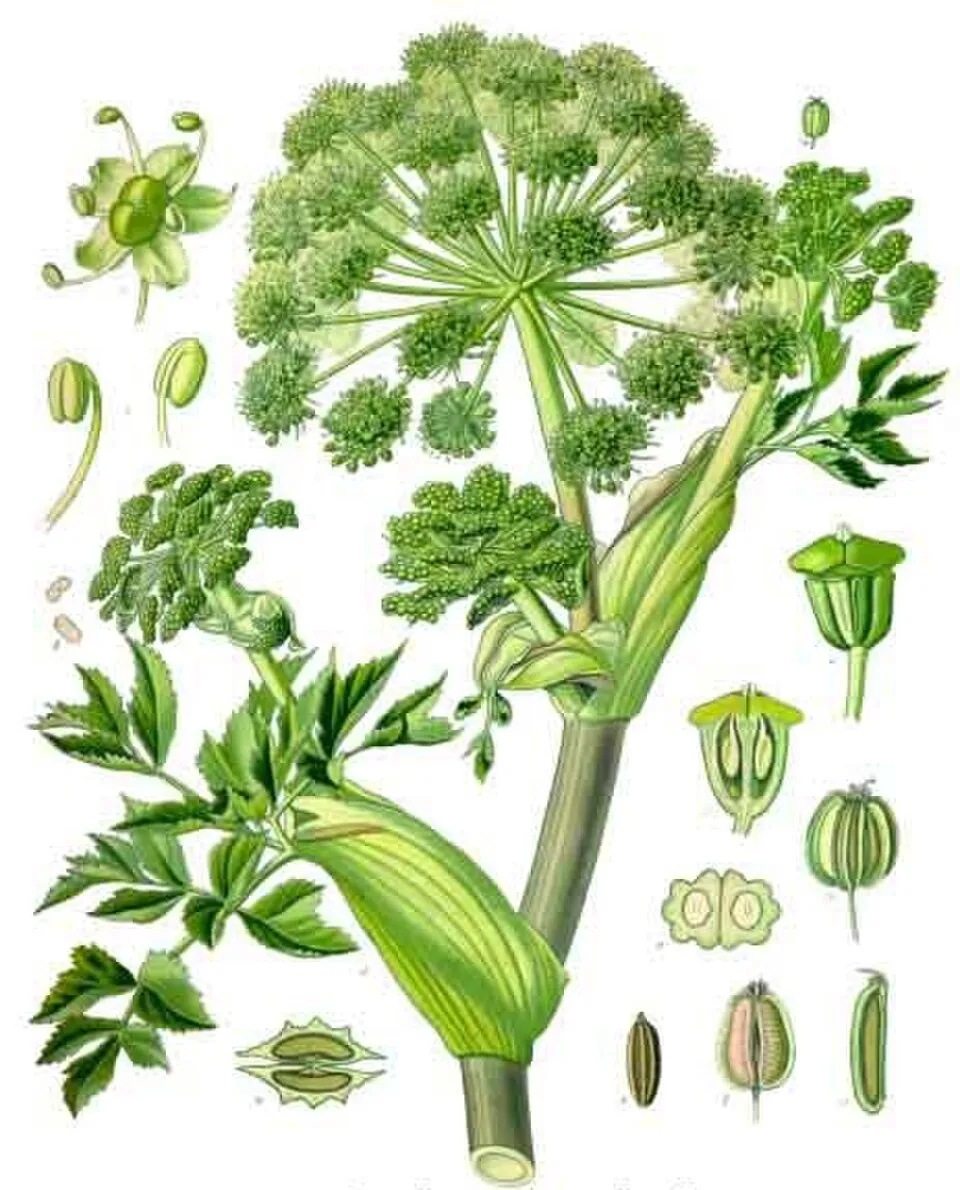
Angelica root is derived from two prominent species within the Apiaceae family: Angelica archangelica L., commonly known as European Angelica, and Angelica sinensis (Oliv.) Diels, recognized as Dong Quai. A. archangelica, a robust biennial or short-lived perennial herb, is native to the northern latitudes of Europe, Russia, and Greenland, thriving in damp, cool environments such as riverbanks and coastal areas. This impressive plant can reach heights of up to 2.5 meters, characterized by its hollow, grooved stems and large, compound leaves. It culminates in striking, umbrella-like clusters of greenish-white flowers.
The roots are thick, fleshy, and possess a highly aromatic profile, delivering a pungent, slightly bitter flavor. Historically, European Angelica has been revered as a protective herb, its very name 'archangelica' signifying its esteemed role in warding off maladies and evil, with medicinal use tracing back to Nordic sagas and medieval Europe, notably during efforts against the Black Death and as a general tonic for vitality. In stark contrast, A. sinensis, or Dong Quai, is indigenous to the mountainous regions of China, Japan, and Korea, preferring shadier, more humid conditions. This perennial herb typically grows to about 1 meter in height, producing delicate white flowers from late spring to early summer.
Its distinctively aromatic, yellowish-brown root, often described as having an earthy, musky, and sweet-bitter flavor, is a cornerstone in many Traditional Chinese Medicine (TCM) formulations, particularly those addressing women's health. Both species are primarily valued for their roots, which are harvested in the autumn when their medicinal potency is considered highest. Beyond medicine, Angelica symbolizes purity, protection, and strength in various cultures. Culinary applications include candied stems and leaves in liqueurs like Chartreuse, and its strong aroma made it a common ingredient in ancient perfumes and incense preparations. The cultivation of both species requires specific environmental conditions to flourish.
Trusted Scientific References
Authoritative external sources for Angelica archangelica L. (for European Angelica) / Angelica sinensis (Oliv.) Diels (for Dong Quai):
Wikipedia — Angelica archangelica L. (for European Angelica) / Angelica sinensis (Oliv.) Diels (for Dong Quai)
Kew POWO (Plants of the World Online)
PubMed — peer-reviewed research
NCBI Taxonomy Browser
GBIF — Global Biodiversity
1.1.Angelica Root — Key Features
- ✓Dual Botanical Identity — Derived from Angelica archangelica (European) and Angelica sinensis (Dong Quai), each with unique profiles.
- ✓Women's Health Powerhouse — Dong Quai is a primary herb for menstrual regulation, PMS, and menopausal symptoms in TCM.
- ✓Digestive Aid — European Angelica is a bitter, carminative herb, excellent for stimulating digestion and alleviating gas.
- ✓Rich Phytochemistry — Abundant in coumarins, furanocoumarins, and phthalides, including Z-ligustilide, responsible for diverse effects.
- ✓Historical and Cultural Significance — Deep roots in medieval European medicine and ancient Asian healing traditions.
- ✓Aromatic Root — Characterized by a strong, distinctive aroma and a pungent, sweet-bitter flavor, especially from the root.
- ✓Adaptable Cultivation — Thrives in specific environments, from cool, damp European climates to humid Asian mountains.
- ✓Safety Considerations — Known for photosensitivity, potential anticoagulant effects, and interactions with hormone-sensitive conditions.
- ✓Versatile Preparations — Utilized in teas, tinctures, powders, and as a flavoring agent in foods and liqueurs.
1.2.Angelica Root — Snapshot Summary
- ✓Dual Species — Angelica root refers to European Angelica (A. archangelica) and Dong Quai (A. sinensis), each with distinct traditional uses.
- ✓Key Benefits — Renowned for supporting women's health, aiding digestion, and offering anti-inflammatory and pain-relieving properties.
- ✓Active Compounds — Rich in coumarins, phthalides (like Z-ligustilide), and essential oils that drive its therapeutic actions.
- ✓Traditional Significance — Revered in European herbalism and a cornerstone of Traditional Chinese Medicine.
- ✓Important Safety — Potential for photosensitivity, anticoagulant effects, and uterine stimulation necessitate careful use.
- ✓Versatile Applications — Used in decoctions, tinctures, powders, and even culinary preparations.
2.Angelica Root — Systematic Position
3.Angelica Root — Reference Facts
4.Angelica Root — Morphological Account
5.Angelica Root — Geographic Distribution
6.Angelica Root — Ethnobotanical Uses
7.Angelica Root — Active Compounds
- ✓Coumarins and Furanocoumarins — Key compounds like imperatorin, psoralen, bergapten, and angelicin are responsible for anti-inflammatory, antispasmodic, and phototoxic effects, particularly prominent in A. archangelica.
- ✓Phthalides — Notably Z-ligustilide, butylidenephthalide, and senkyunolide, which are characteristic of A. sinensis (Dong Quai) and contribute to its antispasmodic, anti-inflammatory, and circulatory benefits.
- ✓Essential Oils — Composed of monoterpenes (e.g., alpha-pinene, limonene) and sesquiterpenes (e.g., beta-caryophyllene), providing the plant's distinctive aroma and contributing to its carminative and antimicrobial actions.
- ✓Flavonoids — Including quercetin and kaempferol derivatives, which offer antioxidant, anti-inflammatory, and potentially estrogenic-like activities.
- ✓Polysaccharides — Found in both species, these complex carbohydrates are associated with immunomodulatory effects and gut health benefits.
- ✓Fatty Acids — Such as linoleic acid and palmitic acid, which are components of the root and contribute to its nutritive value and overall therapeutic profile.
- ✓Phytosterols — Compounds like beta-sitosterol, which may have cholesterol-lowering and anti-inflammatory properties.
- ✓Organic Acids — Malic acid and other organic acids contribute to the plant's flavor profile and may play roles in metabolic processes.
- ✓Phenolic Acids — Including caffeic acid and ferulic acid, known for their antioxidant and anti-inflammatory properties.
8.Angelica Root — Modern Studies
- ✓Supports Women's Health — Dong Quai is widely used in TCM to regulate menstrual cycles, alleviate premenstrual syndrome (PMS) symptoms, and reduce menopausal discomforts like hot flashes, often attributed to its estrogenic-like compounds.
- ✓Aids Digestive Health — European Angelica acts as a carminative and bitter tonic, stimulating digestive juices, easing indigestion, bloating, and flatulence, and promoting appetite.
- ✓Provides Anti-inflammatory Effects — Both species contain coumarins and other compounds that exhibit anti-inflammatory properties, potentially reducing pain and swelling associated with conditions like arthritis.
- ✓Offers Pain Relief — Angelica root has traditional use as an analgesic, particularly for musculoskeletal pain, headaches, and menstrual cramps, through its antispasmodic and anti-inflammatory actions.
- ✓Boosts Circulatory Function — Dong Quai is often prescribed to improve blood circulation, warm the body, and address conditions related to 'blood deficiency' or 'stasis' in TCM, potentially through vasodilation.
- ✓Exerts Antispasmodic Action — Compounds in Angelica can help relax smooth muscles, making it beneficial for easing cramps, spasms, and tension in the digestive tract and uterus.
- ✓Supports Respiratory Health — European Angelica has been traditionally used as an expectorant and diaphoretic, aiding in the relief of coughs, colds, and bronchitis by promoting mucus clearance and sweating.
- ✓Acts as a Nervine Tonic — Historically, Angelica has been employed to calm the nervous system, reduce anxiety, and improve sleep quality, offering mild sedative effects.
- ✓Possesses Antioxidant Properties — The rich array of phenolic compounds and coumarins in Angelica roots provides potent antioxidant activity, helping to protect cells from oxidative stress and damage.
- ✓Enhances Immune Response — Traditional uses suggest Angelica root may support immune function, particularly in combating infections and promoting recovery from illness, possibly through immunomodulatory effects.
8.1.Angelica Root — Indications & Uses
9.Angelica Root — Adverse Effects
9.1.Angelica Root — Possible Adverse Reactions
- ✓Photosensitivity — Furanocoumarins, especially in A. archangelica, can increase skin sensitivity to sunlight, leading to sunburn, rashes, or phytophotodermatitis.
- ✓Anticoagulant Effects — Dong Quai, particularly, may have blood-thinning properties, increasing the risk of bleeding or bruising, especially when combined with anticoagulant medications.
- ✓Uterine Stimulation — High doses of Angelica root, especially Dong Quai, may stimulate uterine contractions, posing a risk during pregnancy.
- ✓Gastrointestinal Upset — Some individuals may experience mild digestive discomfort, nausea, or diarrhea, particularly with large doses.
- ✓Allergic Reactions — Rare allergic reactions, including skin rashes, itching, or swelling, can occur in sensitive individuals.
- ✓Blood Sugar Fluctuations — Preliminary research suggests potential effects on blood sugar levels, warranting caution for individuals with diabetes.
- ✓Estrogenic Effects — Dong Quai's estrogenic activity may interfere with hormone-sensitive conditions or medications.
9.2.Angelica Root — Safety Overview
- ✓Pregnancy and Lactation — Contraindicated in pregnancy due to potential uterine stimulating effects and should be avoided during lactation due to insufficient safety data.
- ✓Bleeding Disorders and Anticoagulants — Avoid use in individuals with bleeding disorders or those taking anticoagulant medications (e.g., warfarin) due to potential increased risk of bleeding.
- ✓Sun Exposure — Individuals using Angelica root, especially A. archangelica, should avoid prolonged sun exposure and use sunscreen due to photosensitizing furanocoumarins.
- ✓Hormone-Sensitive Conditions — Use with caution or avoid in individuals with hormone-sensitive cancers (e.g., breast cancer) or conditions due to potential estrogenic activity of Dong Quai.
- ✓Diabetes — Monitor blood glucose levels closely if using Angelica root while managing diabetes, as it may affect blood sugar.
- ✓Surgery — Discontinue use at least two weeks prior to any scheduled surgery due to potential anticoagulant effects.
- ✓Allergic Reactions — Discontinue use if allergic reactions such as skin rash or difficulty breathing occur; perform a patch test for topical applications.
10.Angelica Root — Preparation & Dosage
- ✓Decoction — Dried Angelica root is simmered in water to extract its beneficial compounds, commonly consumed as a medicinal tea for digestive or general tonic purposes.
- ✓Tincture — Alcohol-based extracts are prepared by steeping fresh or dried root in alcohol, offering a concentrated form for convenient dosing.
- ✓Powder — Dried Angelica root can be ground into a fine powder and encapsulated or mixed into foods, often used in traditional formulations.
- ✓Infusion — Leaves and stems of A. archangelica can be infused in hot water, though the root is the primary medicinal part.
- ✓Topical Application — Ointments or poultices made from Angelica root may be applied externally to soothe rheumatic pain or skin irritations.
- ✓Culinary Use — Candied stems of A. archangelica are used in confectionery, and its flavor enhances liqueurs like Chartreuse and Benedictine; the root can also flavor savory dishes.
- ✓Traditional Chinese Medicine (TCM) Formulations — Dong Quai is frequently combined with other herbs in complex prescriptions to address specific imbalances, particularly those related to 'blood' and 'qi' regulation.
- ✓Essential Oil — Essential oil distilled from A. archangelica root is used in aromatherapy for its calming and uplifting properties, though internal use requires caution and professional guidance.
11.Angelica Root — Growing Guide
- ✓Seed Propagation — Angelica is primarily propagated from fresh seeds, which require stratification for optimal germination; direct sowing in autumn or early spring is common.
- ✓Soil Preference — Both species thrive in rich, well-draining, moist soil; A. archangelica prefers neutral to slightly acidic pH, while A. sinensis tolerates slightly more acidic conditions.
- ✓Light Requirements — A. archangelica prefers full sun to partial shade, whereas A. sinensis thrives in shadier, more humid environments, mimicking its native woodland habitats.
- ✓Watering — Consistent moisture is crucial for both species, especially during dry periods; avoid waterlogging but ensure the soil does not dry out completely.
- ✓Temperature and Climate — A. archangelica is cold-hardy and prefers cool temperate climates, while A. sinensis prefers moderate temperatures and higher humidity.
- ✓Harvesting — Roots are typically harvested in the autumn of the first or second year, before the plant flowers, as this is when their medicinal constituent concentration is highest.
- ✓Pest and Disease Management — Generally robust, but watch for aphids and root rot in overly wet conditions; good air circulation helps prevent fungal issues.
Reviewed by the Flora Medical Global Botanical Review Panel
Multi-disciplinary editorial group · Botany · Ethnobotany · Herbal-medicine literature
Who reviewed this: This page was checked by the Flora Medical Global Botanical Review Panel — an in-house editorial group of botany graduates, ethnobotany researchers, and horticulture practitioners who collectively maintain our 7,000+ plant encyclopedia. Meet the team.
Our 4-step verification process
1. Taxonomic verification
Scientific names and synonyms cross-checked against Kew POWO, World Flora Online, and The Plant List.
2. Phytochemical & medicinal cross-reference
Active compounds, traditional uses, and reported activities are cross-referenced with PubMed, USDA Dr. Duke's database, and peer-reviewed ethnobotanical literature.
3. Conservation & distribution check
Distribution, ecology, and conservation status confirmed against GBIF occurrence records and the IUCN Red List.
4. Editorial & safety review
Every entry passes an editorial pass for clarity, originality, and safety notices (toxicity, contraindications, dosage caveats) before publication.
Last reviewed:
Important medical disclaimer: This content is for educational and research purposes only. It is not medical advice and is not a substitute for consultation with a licensed healthcare provider. Do not use any herb to self-treat a medical condition without professional guidance.
Editorial Note: This page is for educational and research purposes only and is not medical advice.
Written by: Flora Medical Global Editorial Team
Reviewed by: Flora Medical Global Botanical Review Panel
Last Updated: June 15, 2026





Angelica Root — Comments & Community Reviews
Rate this plant