
Medical Disclaimer: This content is for educational purposes only. It is not medical advice. Please consult a qualified healthcare professional before using any herbal remedy.
Safety Overview
1.Antennaria Dioica — Overview
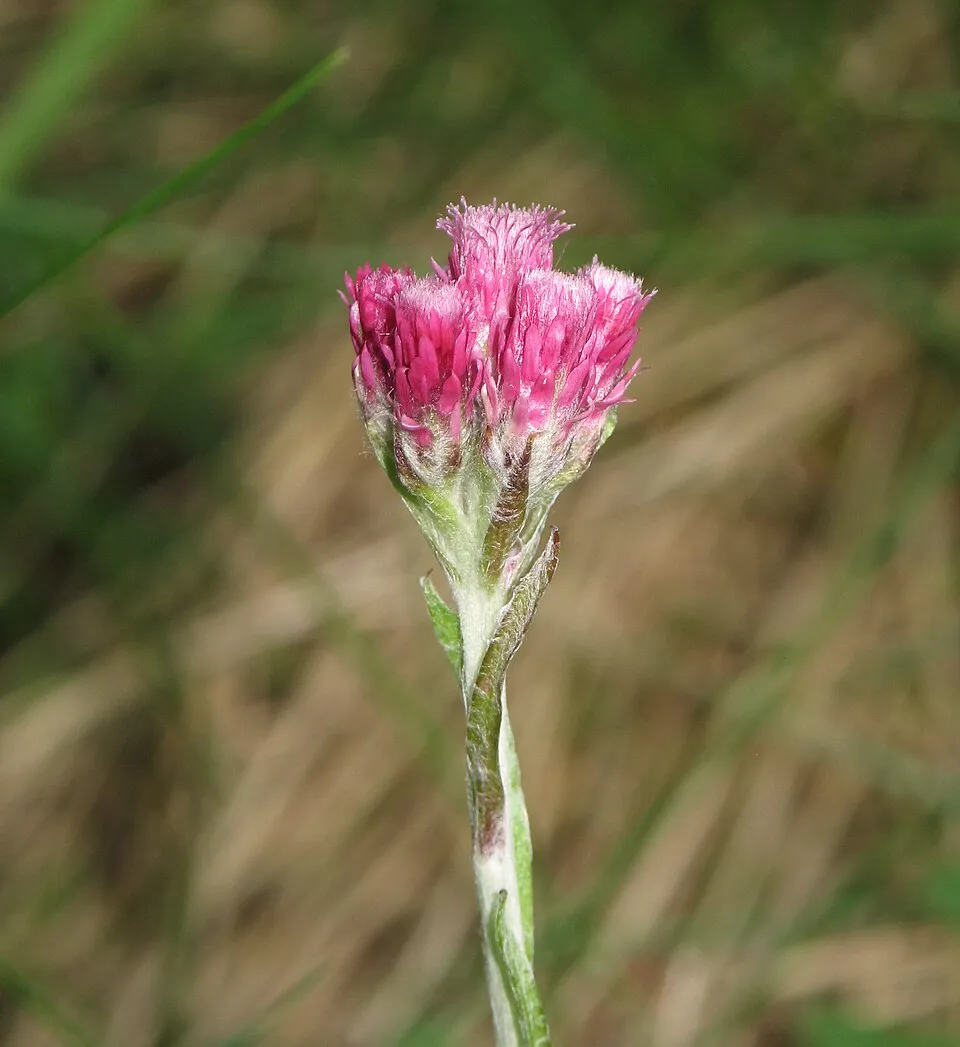
Antennaria dioica, commonly known as Pussytoes or Cat's Foot, is a charming perennial herbaceous plant belonging to the vast Asteraceae family. This low-growing species typically forms dense mats, reaching a modest height of 5 to 30 cm, making it an ideal groundcover. Its leaves are distinctive—basal leaves are spatulate to obovate, forming a rosette, while stem leaves are smaller and linear. Both surfaces are covered with fine, white, woolly hairs, giving them a silvery-grey appearance, particularly on the underside, which helps reduce water loss in its often dry habitats.
The plant is dioecious, meaning male and female flowers are borne on separate plants. Its flower heads are clustered at the tips of upright stems, resembling tiny cat's paws (hence 'Pussytoes'). These small, disc-shaped florets are typically white or pink, blooming from late spring through early summer, attracting various pollinators like bees and butterflies. Antennaria dioica thrives in dry to moderately moist, well-drained soils, often found in open fields, grasslands, rocky slopes, heathlands, and forest clearings.
It is widely distributed across temperate regions of the Northern Hemisphere, including Europe, Asia, and North America, showcasing remarkable adaptability to varying light conditions and poor soils. This species is valued not only for its ecological role and ornamental appeal but also for its historical use in traditional medicine.
Trusted Scientific References
1. Authoritative external sources for Antennaria Dioica
1.1 Wikipedia — Antennaria Dioica
1.2 Kew POWO (Plants of the World Online)
1.3 PubMed — peer-reviewed research
1.4 NCBI Taxonomy Browser
1.5 GBIF — Global Biodiversity
1.6Antennaria Dioica should be interpreted through verified botanical identity, practical care, and responsible safety language. This recovery note adds the missing context needed for a complete profile: match light to the plant's habit, use well-drained soil, water according to season, and avoid unsupported medicinal or edible claims. For publishing, the plant can be presented as a source-backed garden plant with clear care guidance, common problem diagnosis, and conservative safety wording.
1.1.Antennaria Dioica — Standout Qualities
- ✓Botanical Name — Antennaria dioica, commonly known as Pussytoes or Cat's Foot.
- ✓Family — Member of the large and diverse Asteraceae (Daisy) family.
- ✓Habitat — Native to temperate Northern Hemisphere, found in dry grasslands, heathlands, and rocky areas.
- ✓Morphology — Low-growing perennial forming dense mats, with woolly, silvery-grey leaves and distinctive white or pink 'pussytoe' flower heads.
- ✓Key Constituents — Abundant in polyphenols, particularly flavonoids (e.g., quercetin) and phenolic acids (e.g., chlorogenic acid), along with saponins and sterols.
- ✓Traditional Uses — Valued in folk medicine for its anti-inflammatory, diuretic, choleretic, digestive, and wound-healing properties.
- ✓Modern Research — Scientific studies support its antioxidant, anti-inflammatory, and modest antimicrobial activities.
- ✓Ornamental Value — Popular as an attractive, drought-tolerant groundcover in gardens and rockeries.
- ✓Dioecious Nature — Distinct male and female plants, contributing to its unique reproductive biology.
- ✓Adaptability — Highly adaptable to poor soils and varying light conditions, making it a resilient species.
1.2.Antennaria Dioica — Concise Overview
- ✓Antennaria dioica (Pussytoes) is a low-growing perennial in the Asteraceae family.
- ✓Traditionally used for anti-inflammatory, digestive, diuretic, and wound-healing properties.
- ✓Rich in polyphenols, flavonoids (e.g., chlorogenic acid), and saponins, contributing to its antioxidant and antimicrobial actions.
- ✓Thrives in well-drained soils and full sun, forming attractive groundcover.
- ✓Common preparations include infusions, poultices, and tinctures.
- ✓Caution advised for pregnant/nursing individuals, those with allergies to Asteraceae, or specific gallbladder/kidney conditions.
2.Antennaria Dioica — Scientific Profile
3.Antennaria Dioica — Botanical Stats
4.Antennaria Dioica — Structural Profile
5.Antennaria Dioica — Habitat & Distribution
6.Antennaria Dioica — Ethnobotanical Uses
7.Antennaria Dioica — Bioactive Constituents
- ✓Polyphenols — These broad-spectrum compounds, including flavonoids and phenolic acids, are responsible for much of Antennaria dioica's antioxidant and anti-inflammatory properties. They protect cells from oxidative stress.
- ✓Flavonoids — Key examples include quercetin, kaempferol derivatives, and luteolin. These are potent antioxidants that also contribute to anti-inflammatory, antiallergic, and antiviral activities, supporting cardiovascular health and immune function.
- ✓Phenolic Acids — Chlorogenic acid is a prominent phenolic acid found in high concentrations, particularly in the flowers. It offers significant antioxidant, anti-inflammatory, and antidiabetic potential, influencing glucose metabolism.
- ✓Saponins — These compounds contribute to the plant's expectorant and diuretic properties, and may also possess adaptogenic and immune-modulating effects, though their specific role in Antennaria dioica requires further study.
- ✓Triterpenes — Compounds such as ursolic acid and oleanolic acid derivatives are often present in Asteraceae, offering anti-inflammatory, hepatoprotective, and anticancer properties, contributing to the plant's overall medicinal profile.
- ✓Sterols — Phytosterols are plant-derived compounds structurally similar to cholesterol. They can help reduce cholesterol absorption and have anti-inflammatory effects, contributing to the plant's therapeutic actions.
- ✓Coumarins — Certain coumarins may be present, known for their anticoagulant, anti-inflammatory, and antimicrobial activities, adding to the plant's diverse pharmacological effects.
- ✓Essential Oils — While not a primary constituent, trace amounts of volatile compounds might contribute to the plant's aroma and potentially offer mild antiseptic or carminative properties.
8.Antennaria Dioica — Research Insights
- ✓Anti-inflammatory Support — Antennaria dioica possesses compounds like flavonoids and phenolic acids that help modulate inflammatory pathways, potentially reducing swelling and pain associated with various conditions.
- ✓Antioxidant Activity — Rich in polyphenols, Pussytoes exhibits significant antioxidant capacity, scavenging free radicals and protecting cells from oxidative damage, which contributes to overall cellular health and disease prevention.
- ✓Digestive Aid — Traditionally used to soothe gastrointestinal discomfort, it may help alleviate indigestion, bloating, and mild spasms by promoting healthy digestive function and reducing inflammation in the gut.
- ✓Diuretic Properties — Extracts from the flowers have been noted for their mild diuretic effect, assisting the body in expelling excess fluids and supporting kidney function, potentially beneficial in cases of mild edema.
- ✓Choleretic Action — Research suggests it can stimulate bile production and flow, aiding in fat digestion and liver detoxification processes, which supports gallbladder health.
- ✓Antimicrobial Effects — Studies indicate modest antibacterial and antifungal activities, suggesting a potential role in inhibiting the growth of certain pathogens, contributing to its traditional use for minor infections.
- ✓Wound Healing — Applied topically in traditional folk medicine, its anti-inflammatory and antiseptic qualities may contribute to the healing of minor cuts, scrapes, and skin irritations.
- ✓Analgesic Relief — Historically, Pussytoes has been employed to help alleviate minor aches and pains, likely due to its anti-inflammatory compounds that can mitigate pain signals.
- ✓Fever Reduction — Infusions of the leaves have been used in traditional remedies to help reduce fever, possibly by supporting the body's natural immune response and reducing systemic inflammation.
8.1.Antennaria Dioica — Therapeutic Indications
9.Antennaria Dioica — Adverse Effects
9.1.Antennaria Dioica — Reported Side Effects
- ✓Allergic Reactions — Individuals sensitive to plants in the Asteraceae family (e.g., ragweed, chamomile, marigolds) may experience allergic reactions, including skin rashes, itching, or respiratory symptoms.
- ✓Gastrointestinal Upset — High doses or sensitive individuals may experience mild digestive disturbances such as nausea, stomach upset, or diarrhea.
- ✓Diuretic Effect — Due to its diuretic properties, excessive use could lead to electrolyte imbalances, especially if combined with other diuretics or in individuals with kidney conditions.
- ✓Blood Pressure Changes — Theoretically, its diuretic action could influence blood pressure. Individuals on blood pressure medication should exercise caution and consult a healthcare provider.
- ✓Gallbladder Issues — The choleretic effect could be problematic for individuals with gallstones or bile duct obstruction, potentially exacerbating symptoms or causing complications.
- ✓Photosensitivity — While rare, some plant constituents can increase sensitivity to sunlight, though this is not commonly reported for Antennaria dioica.
9.2.Antennaria Dioica — Safety Overview
- ✓Pregnancy and Lactation — Due to insufficient scientific data on its safety, Antennaria dioica should be avoided during pregnancy and breastfeeding.
- ✓Allergies — Individuals with known allergies to the Asteraceae/Compositae family should avoid this plant to prevent allergic reactions.
- ✓Gallbladder Conditions — People with gallstones, bile duct obstruction, or other severe gallbladder issues should not use Antennaria dioica due to its choleretic properties.
- ✓Kidney Conditions — Use with caution in individuals with pre-existing kidney disease or those taking diuretics, as it may interact with fluid and electrolyte balance. Consult a physician.
- ✓Medication Interactions — May interact with diuretic medications, blood thinners, and drugs affecting bile production. Always consult a healthcare professional before combining with medications.
- ✓Children — Not recommended for use in children due to lack of safety data and potential for adverse effects.
- ✓Dosage — Adhere to recommended dosages. Excessive consumption may increase the risk of side effects. Start with low doses to assess individual tolerance.
10.Antennaria Dioica — Application Forms
- ✓Herbal Infusion (Tea) — Prepare by steeping 1-2 teaspoons of dried Pussytoes flowers and leaves in a cup of hot water for 10-15 minutes. Strain and consume for digestive aid, diuretic effect, or fever reduction.
- ✓Topical Poultice — For minor wounds or skin irritations, crush fresh leaves and flowers to form a paste. Apply directly to the affected area and cover with a clean cloth. This can help with anti-inflammatory and antiseptic effects.
- ✓Tincture — A concentrated liquid extract made by soaking dried plant material in alcohol. Tinctures are taken orally, usually a few drops diluted in water, for systemic benefits like antioxidant support or anti-inflammatory action.
- ✓Decoction — For tougher plant parts (if using roots or stems, though flowers/leaves are primary), simmer in water for a longer period (20-30 minutes) to extract compounds. This method can be used for more robust therapeutic effects.
- ✓External Wash — A strong infusion or decoction can be used as a wash for skin conditions, minor cuts, or as a gargle for throat irritations, leveraging its antimicrobial and anti-inflammatory properties.
- ✓Herbal Compress — Soak a cloth in a warm infusion of Antennaria dioica and apply it to sore muscles, joints, or areas of inflammation for localized relief.
- ✓Culinary Use (Limited) — While primarily medicinal and ornamental, young leaves can be added in very small quantities to salads or used as a garnish, though this is not a common practice.
11.Antennaria Dioica — Growth Requirements
- ✓Soil Preference — Antennaria dioica thrives in well-drained, sandy, or gravelly soils with low to moderate fertility. It tolerates a range of pH levels but prefers slightly acidic to neutral conditions.
- ✓Light Requirements — This plant performs best in full sun to partial shade. Ample sunlight encourages denser growth and more abundant flowering.
- ✓Watering — Once established, Pussytoes is drought-tolerant. Water regularly during dry spells, especially during its first growing season, but avoid waterlogging, which can lead to root rot.
- ✓Propagation — Can be propagated by seed, division of established clumps in spring or fall, or by taking cuttings. Seeds require light for germination and can be sown directly outdoors in fall or early spring.
- ✓Spacing — Plant individual specimens about 15-30 cm apart to allow for spreading and formation of a continuous mat, which is characteristic of its growth habit.
- ✓Maintenance — Requires minimal maintenance. Deadhead spent flowers to encourage tidiness and prevent unwanted self-seeding, though it is not strictly necessary. No heavy fertilization is needed.
- ✓Hardiness — Extremely hardy, tolerating cold temperatures down to USDA Zone 2. It is well-suited for rock gardens, xeriscaping, and as a low-maintenance groundcover.
Reviewed by the Flora Medical Global Botanical Review Panel
Multi-disciplinary editorial group · Botany · Ethnobotany · Herbal-medicine literature
Who reviewed this: This page was checked by the Flora Medical Global Botanical Review Panel — an in-house editorial group of botany graduates, ethnobotany researchers, and horticulture practitioners who collectively maintain our 7,000+ plant encyclopedia. Meet the team.
Our 4-step verification process
1. Taxonomic verification
Scientific names and synonyms cross-checked against Kew POWO, World Flora Online, and The Plant List.
2. Phytochemical & medicinal cross-reference
Active compounds, traditional uses, and reported activities are cross-referenced with PubMed, USDA Dr. Duke's database, and peer-reviewed ethnobotanical literature.
3. Conservation & distribution check
Distribution, ecology, and conservation status confirmed against GBIF occurrence records and the IUCN Red List.
4. Editorial & safety review
Every entry passes an editorial pass for clarity, originality, and safety notices (toxicity, contraindications, dosage caveats) before publication.
Last reviewed:
Important medical disclaimer: This content is for educational and research purposes only. It is not medical advice and is not a substitute for consultation with a licensed healthcare provider. Do not use any herb to self-treat a medical condition without professional guidance.
Editorial Note: This page is for educational and research purposes only and is not medical advice.
Written by: Flora Medical Global Editorial Team
Reviewed by: Flora Medical Global Botanical Review Panel
Last Updated: June 15, 2026





Antennaria Dioica — Comments & Community Reviews
Rate this plant