
Medical Disclaimer: This content is for educational purposes only. It is not medical advice. Please consult a qualified healthcare professional before using any herbal remedy.
Safety Overview
1.Antirrhinum Majus — At a Glance
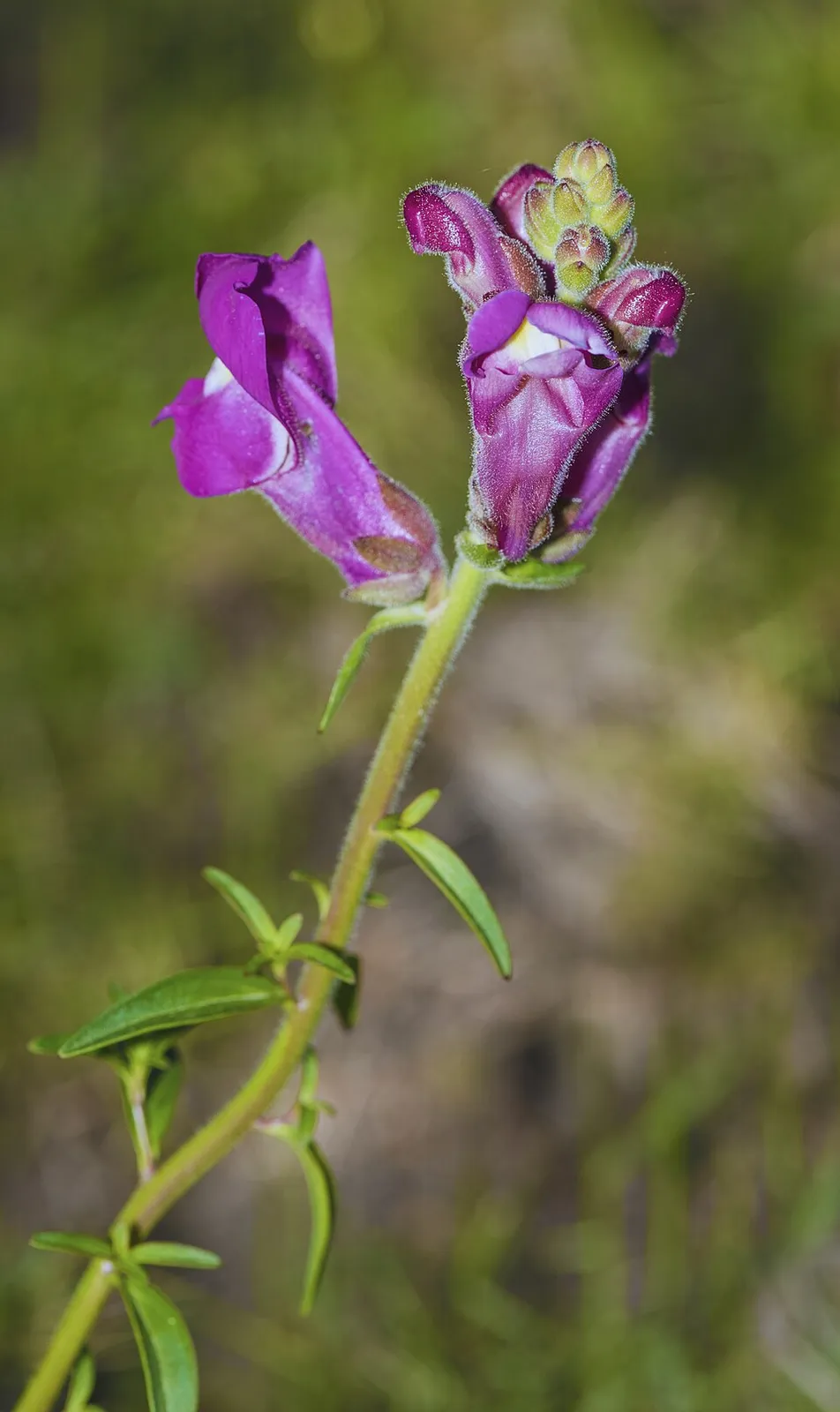
Antirrhinum majus, commonly known as Snapdragon, is a captivating herbaceous perennial often cultivated as an annual, belonging to the Plantaginaceae family, though historically placed in Scrophulariaceae. Native to rocky areas of southern Europe and northern Africa, this plant is celebrated for its distinctive, bilaterally symmetrical flowers that resemble a dragon's mouth when gently squeezed. The flowers, borne on tall spikes, exhibit an astonishing array of colors including white, yellow, pink, red, orange, and purple, often with intricate bicolors.
Its lance-shaped leaves are typically green, sometimes with a reddish tinge, and arranged spirally along erect, branching stems that can reach heights of 60-120 cm depending on the cultivar. Snapdragon thrives in full sun and well-drained, fertile soil, adapting to a range of temperate climates. Its unique floral structure not only makes it a popular ornamental but also facilitates pollination by larger bees.
The plant's lifecycle involves germination in spring, continuous blooming through summer and fall, and seed production before the onset of cold weather. Its widespread cultivation has led to numerous horticultural varieties, making it a staple in gardens globally, appreciated for both its aesthetic appeal and emerging medicinal interest.
Trusted Scientific References
1. Authoritative external sources for Antirrhinum majus
1.1 Wikipedia — Antirrhinum majus
1.2 Kew POWO (Plants of the World Online)
1.3 PubMed — peer-reviewed research
1.4 NCBI Taxonomy Browser
1.5 GBIF — Global Biodiversity
1.6Antirrhinum Majus should be interpreted through verified botanical identity, practical care, and responsible safety language. This recovery note adds the missing context needed for a complete profile: match light to the plant's habit, use well-drained soil, water according to season, and avoid unsupported medicinal or edible claims. For publishing, the plant can be presented as a source-backed garden plant with clear care guidance, common problem diagnosis, and conservative safety wording.
1.1.Antirrhinum Majus — Notable Characteristics
- ✓Distinctive Floral Morphology — Features unique 'dragon's mouth' flowers that are bilaterally symmetrical and come in a wide spectrum of colors.
- ✓Rich Phytochemical Profile — Contains a diverse array of bioactive compounds including flavonoids, iridoid glycosides, phenolic acids, and essential oils.
- ✓Traditional Medicinal Uses — Historically valued in various folk medicine systems for treating inflammation, digestive issues, and skin ailments.
- ✓Promising Anti — cancer Research — Recent studies indicate extracts may inhibit the growth and metastasis of certain cancer cells in vitro.
- ✓Ornamental and Edible Qualities — Widely cultivated as an attractive garden plant and its flowers are increasingly used as edible garnishes.
- ✓Antioxidant Powerhouse — Exhibits significant antioxidant activity, contributing to cellular protection against oxidative stress.
- ✓Antimicrobial Properties — Demonstrated efficacy against various microorganisms, suggesting potential as a natural antiseptic.
- ✓Adaptable Cultivation — Relatively easy to grow in temperate climates, preferring full sun and well-drained soil.
- ✓Non — Invasive Species — Generally considered safe for garden ecosystems without aggressive spreading tendencies.
- ✓Versatile Preparations — Can be prepared as infusions, tinctures, poultices, and infused oils for various therapeutic applications.
1.2.Antirrhinum Majus — At-a-Glance Summary
- ✓Snapdragon (Antirrhinum majus) is a vibrant ornamental with emerging medicinal properties.
- ✓Traditional uses include anti-inflammatory, digestive aid, and mild sedative effects.
- ✓Modern research highlights potential anti-cancer, antioxidant, and antimicrobial activities.
- ✓Rich in flavonoids, iridoid glycosides, and phenolic acids.
- ✓Cultivated for its beautiful flowers and relatively easy growth in sunny, well-drained soil.
- ✓Best used under professional guidance due to evolving research and potential interactions.
2.Antirrhinum Majus — Nomenclature & Classification
3.Antirrhinum Majus — Key Data
4.Antirrhinum Majus — Botanical Description
5.Antirrhinum Majus — Origin & Spread
6.Antirrhinum Majus — Heritage Uses
7.Antirrhinum Majus — Phytochemistry
- ✓Flavonoids — Key compounds include luteolin, apigenin, anthocyanins (e.g., cyanidin, delphinidin derivatives), and their glycosides, contributing to antioxidant, anti-inflammatory, and potentially anti-cancer activities.
- ✓Iridoid Glycosides — Such as antirrhinoside and other related compounds, which are characteristic of the Plantaginaceae family and may possess anti-inflammatory and bitter tonic properties.
- ✓Phenolic Acids — Including caffeic acid, chlorogenic acid, and ferulic acid, known for their potent antioxidant and free-radical scavenging capabilities.
- ✓Saponins — These triterpenoid glycosides may contribute to hemolytic activity and possess expectorant and anti-inflammatory effects.
- ✓Essential Oils — Containing a complex mixture of volatile compounds such as monoterpenes (e.g., alpha-pinene, limonene) and sesquiterpenes, imparting aromatic qualities and potential antimicrobial benefits.
- ✓Alkaloids — While less prominent, certain alkaloidal compounds may be present in trace amounts, potentially influencing neurological or physiological responses.
- ✓Triterpenes — Compounds like ursolic acid and oleanolic acid, often found in plant waxes and resins, known for their anti-inflammatory and hepatoprotective actions.
- ✓Phytosterols — Including beta-sitosterol, which can help in cholesterol management and possess anti-inflammatory properties.
- ✓Carotenoids — Pigments like beta-carotene, contributing to flower coloration and acting as antioxidants.
- ✓Polysaccharides — Complex carbohydrates that can offer immunomodulatory effects and support gut health.
8.Antirrhinum Majus — Evidence-Based Benefits
- ✓Anti-cancer Potential — Research indicates Antirrhinum majus flower extracts may inhibit cancer cell growth and metastasis in specific human colon and lung cancer cell lines by inducing apoptosis and cell cycle arrest.
- ✓Anti-inflammatory Properties — Traditionally, Antirrhinum majus has been recognized for its capacity to reduce inflammation, potentially aiding in the management of various inflammatory conditions.
- ✓Digestive Aid — The plant is traditionally utilized to support digestive health, alleviating minor gastrointestinal disturbances and promoting overall gut comfort.
- ✓Mild Sedative Effects — Folk medicine suggests Antirrhinum majus possesses mild sedative qualities, which could help in calming the nervous system and promoting relaxation.
- ✓Antioxidant Activity — Snapdragon flower extracts exhibit significant antioxidant properties, helping to neutralize free radicals and protect cells from oxidative damage.
- ✓Antimicrobial Action — Studies have shown Antirrhinum majus extracts to possess antimicrobial effects, potentially inhibiting the growth of certain bacteria and fungi.
- ✓Wound Healing Support — Traditional applications include the use of Antirrhinum majus for topical wound care, promoting tissue regeneration and faster healing of skin irritations.
- ✓Hemolytic Activity — Some studies indicate hemolytic properties, which could be relevant in specific biomedical applications, though this requires further investigation for therapeutic use.
- ✓Liver Support — In traditional systems, it has been noted for its potential role in supporting liver function and addressing liver disorders.
- ✓Anti-ulcer Properties — Historically, Antirrhinum majus has been applied topically for ulcers, suggesting a potential role in soothing and healing mucosal lesions.
8.1.Antirrhinum Majus — Indications & Uses
9.Antirrhinum Majus — Safety & Side Effects
9.1.Antirrhinum Majus — Caution Notes
- ✓Allergic Reactions — Individuals sensitive to plants in the Plantaginaceae family may experience skin irritation, rashes, or respiratory symptoms.
- ✓Digestive Upset — Ingesting large quantities of Antirrhinum majus may lead to mild gastrointestinal discomfort, including nausea or diarrhea.
- ✓Photosensitivity — Some phytochemicals might increase skin sensitivity to sunlight in susceptible individuals, though this is rare.
- ✓Hypotension Risk — Theoretical potential for blood pressure lowering, especially if used with antihypertensive medications, due to sedative properties.
- ✓Sedation — May cause drowsiness if consumed in large amounts, potentially interfering with driving or operating machinery.
- ✓Drug Interactions — Potential interactions with sedative medications, blood thinners, or drugs metabolized by the liver due to various plant constituents.
- ✓Skin Discoloration — Topical application of highly pigmented flowers may temporarily tint the skin.
9.2.Antirrhinum Majus — Clinical Safety Notes
- ✓Pregnancy and Lactation — Avoid use during pregnancy and breastfeeding due to insufficient safety data and potential effects on uterine contractions or infant health.
- ✓Children — Not recommended for use in young children without professional medical advice, as dosages and safety profiles are not well-established.
- ✓Pre-existing Conditions — Individuals with chronic health conditions, especially liver disease or bleeding disorders, should consult a healthcare provider before use.
- ✓Allergic History — Exercise caution if there is a known allergy to other plants in the Plantaginaceae family or a history of general plant allergies.
- ✓Dosage Adherence — Always follow recommended dosages for prepared remedies; excessive consumption can increase the risk of adverse effects.
- ✓External Use Precautions — Perform a patch test before extensive topical application to check for skin sensitivity or allergic reactions.
- ✓Professional Guidance — Seek advice from a qualified medical herbalist or healthcare professional for therapeutic use, especially for serious conditions.
10.Antirrhinum Majus — Usage Guide
- ✓Herbal Infusion (Tea) — Steep dried Antirrhinum majus flowers or leaves in hot water for 5-10 minutes to create a mild sedative or digestive tea.
- ✓Topical Poultice — Crush fresh flowers and leaves to form a paste, then apply directly to skin irritations, minor wounds, or inflammatory areas for soothing relief.
- ✓Tincture Preparation — Macerate fresh or dried plant material in alcohol to extract beneficial compounds, creating a potent liquid extract for internal or external use.
- ✓Culinary Decoration — Incorporate fresh, unsprayed Antirrhinum majus flowers into salads, desserts, or drinks for their vibrant color and mild, slightly bitter flavor.
- ✓Infused Oil — Gently heat dried flowers in a carrier oil (e.g., olive or almond oil) to create an infused oil suitable for massage or topical application on sore muscles or skin.
- ✓Floral Water (Hydrosol) — Distill fresh Antirrhinum majus flowers to produce a fragrant floral water, which can be used as a gentle skin toner or refreshing mist.
- ✓Herbal Compress — Soak a cloth in a strong Antirrhinum majus infusion and apply warm to affected areas for localized anti-inflammatory or pain-relieving effects.
11.Antirrhinum Majus — Garden Cultivation
- ✓Soil Preparation — Plant Antirrhinum majus seeds in nutrient-rich, well-drained soil amended with ample organic matter to ensure robust growth.
- ✓Sunlight Requirements — Choose a planting site that receives full sun exposure (at least 6-8 hours daily) for optimal flowering and plant vigor.
- ✓Watering Schedule — Water thoroughly and consistently, especially during dry periods, but allow the topsoil to dry slightly between watering sessions to prevent root rot.
- ✓Fertilization — Apply a balanced, all-purpose liquid fertilizer every 2-4 weeks during the active growing season to support vibrant foliage and prolific blooms.
- ✓Deadheading — Regularly remove spent blooms (deadhead) to encourage continuous flowering and prevent the plant from diverting energy into seed production.
- ✓Pruning — Pinch back young plants to promote bushier growth and prune older plants occasionally to maintain shape and stimulate new growth.
- ✓Pest and Disease Management — Monitor for common pests like aphids and powdery mildew; address issues promptly with appropriate organic or chemical treatments.
Reviewed by the Flora Medical Global Botanical Review Panel
Multi-disciplinary editorial group · Botany · Ethnobotany · Herbal-medicine literature
Who reviewed this: This page was checked by the Flora Medical Global Botanical Review Panel — an in-house editorial group of botany graduates, ethnobotany researchers, and horticulture practitioners who collectively maintain our 7,000+ plant encyclopedia. Meet the team.
Our 4-step verification process
1. Taxonomic verification
Scientific names and synonyms cross-checked against Kew POWO, World Flora Online, and The Plant List.
2. Phytochemical & medicinal cross-reference
Active compounds, traditional uses, and reported activities are cross-referenced with PubMed, USDA Dr. Duke's database, and peer-reviewed ethnobotanical literature.
3. Conservation & distribution check
Distribution, ecology, and conservation status confirmed against GBIF occurrence records and the IUCN Red List.
4. Editorial & safety review
Every entry passes an editorial pass for clarity, originality, and safety notices (toxicity, contraindications, dosage caveats) before publication.
Last reviewed:
Important medical disclaimer: This content is for educational and research purposes only. It is not medical advice and is not a substitute for consultation with a licensed healthcare provider. Do not use any herb to self-treat a medical condition without professional guidance.
Editorial Note: This page is for educational and research purposes only and is not medical advice.
Written by: Flora Medical Global Editorial Team
Reviewed by: Flora Medical Global Botanical Review Panel
Last Updated: June 15, 2026





Antirrhinum Majus — Comments & Community Reviews
Rate this plant