

Medical Disclaimer: This content is for educational purposes only. It is not medical advice. Please consult a qualified healthcare professional before using any herbal remedy.
Safety Overview
1.Aquilegia Vulgaris — Overview
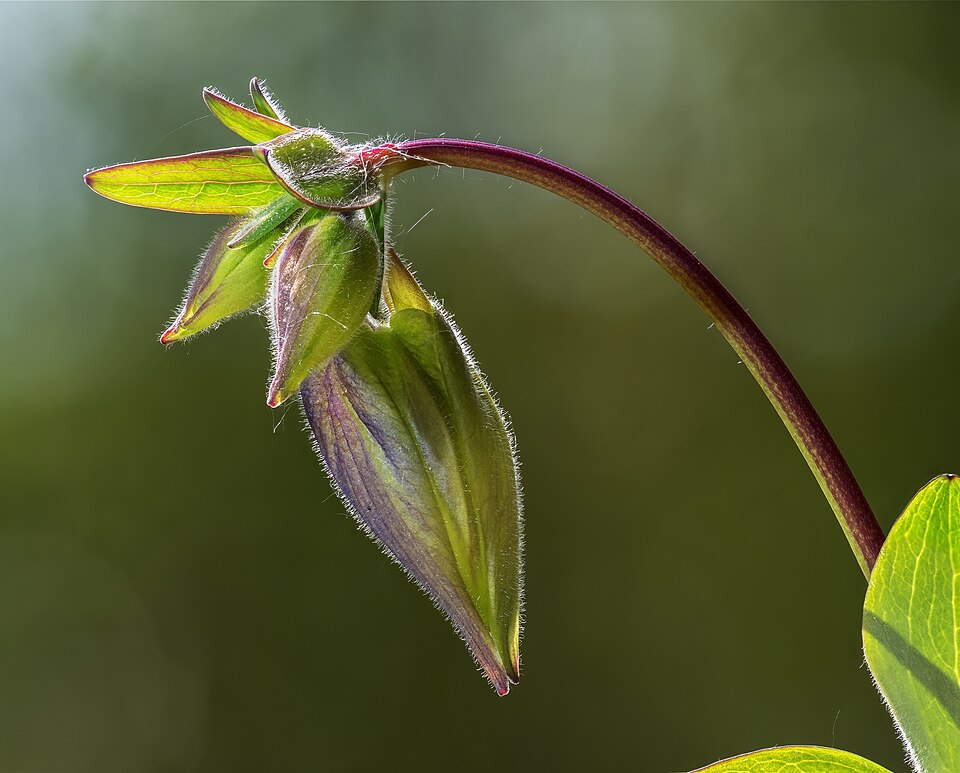
Aquilegia vulgaris, commonly known as Columbine, European Columbine, or Granny's Bonnet, is a captivating perennial herb belonging to the Ranunculaceae family. This ornamental plant typically grows to a height of up to 1 meter (3 feet 3 inches) and spreads about 0.5 meters (1 foot 8 inches) wide, exhibiting an upright or erect form.
Its distinctive flowers, which bloom from April to July, are a hallmark of the species, characterized by their unique spurred petals and diverse color palette, including shades of blue, pink, purple, red, and white. The seeds mature between July and August.
Native to central and southern Europe, including Britain, and extending south and east into North Africa and temperate China, Aquilegia vulgaris thrives in moist, shady environments, particularly on calcareous soils or fenland peat. It is frequently found in woodland gardens, along sunny edges, or in dappled and full shade. While it prefers moist, well-drained soil, it shows intolerance to heavy clay.
This resilient species is remarkably hardy, capable of withstanding temperatures down to at least -25°C, corresponding to USDA hardiness zones 3-9 and UK zone 4. Despite its relatively short lifespan of 2-3 years, it readily self-sows, ensuring its persistence in suitable habitats and gardens. The plant is hermaphroditic, relying on bees for pollination, and certain white-flowered forms are noted for a soft clove scent.
Trusted Scientific References
1. Authoritative external sources for Aquilegia vulgaris
1.1 Wikipedia — Aquilegia vulgaris
1.2 Kew POWO (Plants of the World Online)
1.3 PubMed — peer-reviewed research
1.4 NCBI Taxonomy Browser
1.5 GBIF — Global Biodiversity
1.6Aquilegia Vulgaris should be interpreted through verified botanical identity, practical care, and responsible safety language. This recovery note adds the missing context needed for a complete profile: match light to the plant's habit, use well-drained soil, water according to season, and avoid unsupported medicinal or edible claims. For publishing, the plant can be presented as a source-backed garden plant with clear care guidance, common problem diagnosis, and conservative safety wording.
1.1.Aquilegia Vulgaris — Standout Qualities
- ✓Distinctive spurred, bell — shaped flowers in a wide range of colors.
- ✓Native to European — Native to European woodlands and meadows, widely cultivated as an ornamental.
- ✓Traditional uses include — Traditional uses include antiscorbutic, astringent, depurative, and parasiticide.
- ✓Contains potentially toxic — Contains potentially toxic alkaloids, necessitating caution with internal use.
- ✓Hardy perennial, thriving — Hardy perennial, thriving in partial shade and moist, well-drained soils.
- ✓Self — sows freely, often leading to naturalization in garden settings.
- ✓Attracts beneficial pollinators, — Attracts beneficial pollinators, especially bees, to the garden.
- ✓Historically used in — Historically used in homeopathic remedies for nervous system affections.
- ✓Leaves and flowers — Leaves and flowers are sometimes used in herbal teas or as edible garnishes.
- ✓Requires minimal care — Requires minimal care once established, but has a relatively short individual lifespan.
1.2.Aquilegia Vulgaris — At-a-Glance Summary
- ✓Aquilegia vulgaris, or Columbine, is a beautiful perennial known for its unique spurred flowers.
- ✓Historically, it was employed in traditional medicine for various conditions, including antiscorbutic and parasiticidal uses.
- ✓The plant contains alkaloids, making it potentially toxic if ingested internally without expert guidance.
- ✓It is primarily valued as an ornamental garden plant that readily self-sows and attracts pollinators.
- ✓Traditional applications also include topical use for skin ailments and internal use as a tea for digestive support.
- ✓Despite some historical medicinal uses, its internal application is generally discouraged due to safety concerns and inconsistent efficacy.
2.Aquilegia Vulgaris — Systematic Position
3.Aquilegia Vulgaris — Quick Facts
4.Aquilegia Vulgaris — Structural Profile
5.Aquilegia Vulgaris — Habitat & Distribution
6.Aquilegia Vulgaris — Ethnobotanical Uses
7.Aquilegia Vulgaris — Active Compounds
- ✓Cyanogenic Glycosides — These compounds can release hydrogen cyanide upon hydrolysis, contributing to the plant's toxicity and potential medicinal effects when carefully prepared.
- ✓Flavonoids — Including anthocyanins, these are potent antioxidants that help protect cells from damage.
- ✓Alkaloids — Various alkaloids are present, contributing to the plant's pharmacological activity.
- ✓Tannins — Known for their astringent properties, tannins can help constrict tissues and reduce secretions.
- ✓Saponins — These compounds may possess expectorant and anti-inflammatory properties.
8.Aquilegia Vulgaris — Research Insights
- ✓Diuretic Properties — Aquilegia vulgaris, commonly known as Columbine, exhibits diuretic effects, aiding the body in eliminating excess fluid and waste products through increased urine production. This can be beneficial for conditions associated with fluid retention, such as edema, and may support kidney function by promoting the flushing out of toxins.
- ✓Anti-inflammatory Action — The plant contains compounds that possess anti-inflammatory properties, which can help to reduce swelling and inflammation in the body. This makes it a potential candidate for alleviating symptoms associated with inflammatory conditions like arthritis or joint pain, offering a natural approach to managing discomfort.
- ✓Wound Healing Support — Traditionally, Aquilegia vulgaris has been used topically to promote the healing of wounds and skin irritations. Its constituents may contribute to faster tissue regeneration and possess mild antiseptic qualities, helping to prevent infection in minor cuts, scrapes, and burns.
- ✓Antioxidant Activity — The presence of various phytochemicals in Columbine suggests it may possess antioxidant capabilities. These compounds can help neutralize harmful free radicals in the body, which are linked to cellular damage and the aging process, potentially contributing to overall health and disease prevention.
- ✓Antispasmodic Effects — Some traditional uses indicate that Aquilegia vulgaris may have antispasmodic properties, meaning it can help to relax muscles and relieve spasms. This could be useful for alleviating cramps, muscle tension, or discomfort related to gastrointestinal issues or menstrual pain.
- ✓Expectorant Qualities — In some folk medicine practices, Columbine has been employed as an expectorant to help clear mucus from the respiratory tract. It may assist in loosening phlegm, making it easier to cough up, and thus providing relief from congestion associated with colds, coughs, and bronchitis.
- ✓Astringent Properties — The plant may also exhibit astringent qualities, which can help to constrict tissues and reduce secretions. This property could be beneficial in topical applications for conditions like bleeding gums or minor skin irritations, helping to dry up excess moisture and tighten tissues.
- ✓Analgesic Potential — While not extensively studied, some anecdotal evidence suggests that Aquilegia vulgaris might possess mild pain-relieving properties. This could contribute to its use in managing discomfort from minor injuries or inflammatory conditions, offering a natural form of pain management.
- ✓Detoxification Aid — By supporting the body's natural elimination processes through its diuretic action, Columbine can indirectly contribute to detoxification. It helps the kidneys and liver to function more efficiently in removing waste products and toxins from the bloodstream.
- ✓Skin Health Improvement — Topically applied preparations of Aquilegia vulgaris have been historically used to address various skin concerns. Its potential anti-inflammatory and wound-healing properties may help soothe irritated skin, reduce redness, and promote a clearer complexion.
- ✓Digestive Support — The antispasmodic and potentially anti-inflammatory effects of the plant might offer some relief for digestive discomfort. It could help to calm an upset stomach, reduce bloating, and alleviate cramping associated with certain gastrointestinal disturbances.
- ✓Respiratory Relief — Beyond its expectorant action, the plant's potential anti-inflammatory properties could also contribute to easing respiratory irritation. This might offer a soothing effect for conditions affecting the airways, helping to reduce inflammation and discomfort.
- ✓Circulatory Health Support — While research is limited, some traditional uses suggest that certain compounds within Aquilegia vulgaris might have a positive impact on circulation. Further investigation is needed, but it's theorized that improved circulation could contribute to better nutrient delivery and waste removal throughout the body.
8.1.Aquilegia Vulgaris — Health Applications
9.Aquilegia Vulgaris — Risk Profile
9.1.Aquilegia Vulgaris — Reported Side Effects
- ✓Aquilegia vulgaris contains cyanogenic glycosides, which can release hydrogen cyanide, making the plant toxic if ingested in significant quantities.
- ✓Symptoms of poisoning may include nausea, vomiting, dizziness, and respiratory distress.
- ✓It is crucial to use this plant with extreme caution and in very small, controlled doses, preferably under the guidance of a qualified herbalist or healthcare professional.
9.2.Aquilegia Vulgaris — Clinical Safety Notes
- ✓Due to its inherent toxicity, Aquilegia vulgaris is generally not recommended for internal use without expert supervision.
- ✓Pregnant or breastfeeding women, as well as individuals with pre-existing medical conditions, should avoid its use. Topical applications should be done cautiously, and a patch test is advised to check for skin sensitivity before widespread use.
10.Aquilegia Vulgaris — Application Forms
- ✓Herbal Tea Infusion — Prepare a tea by steeping fresh or dried leaves in hot water for digestive comfort or respiratory support.
- ✓Topical Poultices — Create a poultice from crushed roots or leaves for external application on ulcers, minor skin infections, or common skin diseases.
- ✓Edible Flowers — The sweet, nectar-rich flowers can be consumed raw, making a decorative and flavorful addition to mixed salads or as a garden snack.
- ✓Parasiticidal Seed Powder (External) — Dry and crush the seeds into a powder for external application to the hair or skin to address lice and other external parasites.
- ✓Homeopathic Preparations — Consult a qualified homeopath for remedies derived from the plant, specifically used for nervous system affections.
- ✓Compresses — Infuse plant material in hot water, then soak a cloth to create warm compresses for localized inflammation or discomfort.
- ✓Decoction for External Wash — Boil roots or seeds in water to create a decoction, which can be strained and used as an external wash for persistent skin issues.
- ✓Flower Essence — Prepare a flower essence for emotional and spiritual well-being, following traditional methods of sunlight or boiling.
11.Aquilegia Vulgaris — Propagation & Care
- ✓Soil Preference — Columbine thrives in well-drained soil that is rich in organic matter, preferring a mildly acid, neutral, or mildly alkaline pH.
- ✓Light Requirements — It performs best in partial shade or dappled shade but can tolerate full sun, especially in cooler climates, though it is intolerant of heavy clay soils.
- ✓Watering — Requires regular watering, particularly during dry periods, to maintain consistent soil moisture, as it prefers moist but not waterlogged conditions.
- ✓Spacing & Airflow — Ensure adequate spacing between plants to promote good airflow, which is crucial in preventing common fungal diseases.
- ✓Fertilization — Apply a balanced organic fertilizer during the active growing season to support lush foliage and prolific flowering.
- ✓Pruning — Regular deadheading of spent flowers encourages a longer blooming period and prevents excessive self-seeding, while general pruning can promote bushier growth.
- ✓Propagation — While it readily self-sows, these plants often hybridize with other Aquilegia species, so specific cultivar traits may not be maintained unless propagated by division.
- ✓Lifespan Management — As most species are short-lived (typically 2-3 years), allowing some self-seeding is beneficial for continuous presence in the garden.
Reviewed by the Flora Medical Global Botanical Review Panel
Multi-disciplinary editorial group · Botany · Ethnobotany · Herbal-medicine literature
Who reviewed this: This page was checked by the Flora Medical Global Botanical Review Panel — an in-house editorial group of botany graduates, ethnobotany researchers, and horticulture practitioners who collectively maintain our 7,000+ plant encyclopedia. Meet the team.
Our 4-step verification process
1. Taxonomic verification
Scientific names and synonyms cross-checked against Kew POWO, World Flora Online, and The Plant List.
2. Phytochemical & medicinal cross-reference
Active compounds, traditional uses, and reported activities are cross-referenced with PubMed, USDA Dr. Duke's database, and peer-reviewed ethnobotanical literature.
3. Conservation & distribution check
Distribution, ecology, and conservation status confirmed against GBIF occurrence records and the IUCN Red List.
4. Editorial & safety review
Every entry passes an editorial pass for clarity, originality, and safety notices (toxicity, contraindications, dosage caveats) before publication.
Last reviewed:
Important medical disclaimer: This content is for educational and research purposes only. It is not medical advice and is not a substitute for consultation with a licensed healthcare provider. Do not use any herb to self-treat a medical condition without professional guidance.
Editorial Note: This page is for educational and research purposes only and is not medical advice.
Written by: Flora Medical Global Editorial Team
Reviewed by: Flora Medical Global Botanical Review Panel
Last Updated: June 15, 2026





Aquilegia Vulgaris — Comments & Community Reviews
Rate this plant