
Medical Disclaimer: This content is for educational purposes only. It is not medical advice. Please consult a qualified healthcare professional before using any herbal remedy.
Safety Overview
1.Arq Gulab — Plant Snapshot
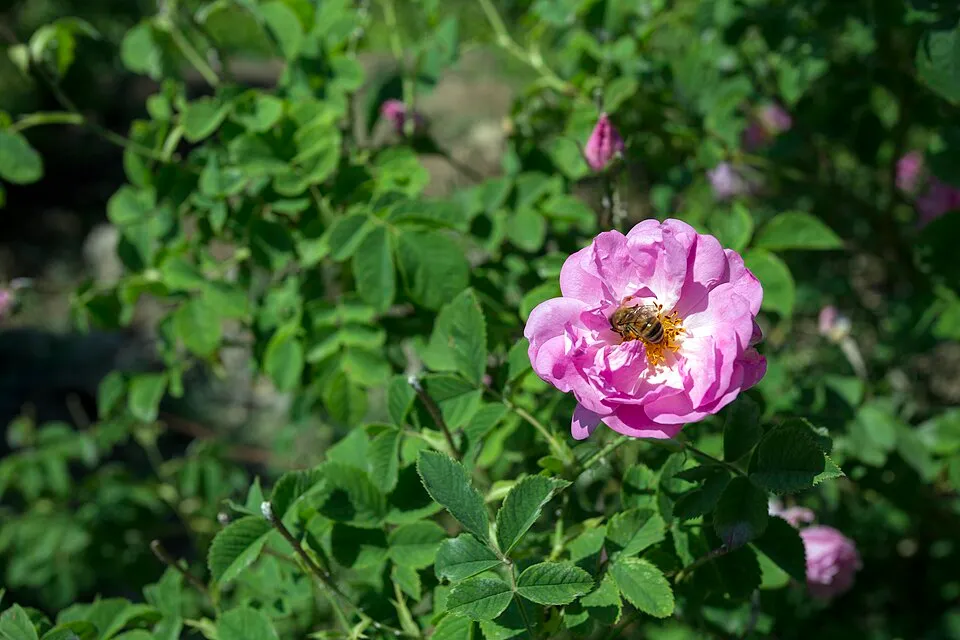
Arq Gulab, known scientifically as Rosa damascena, is a revered deciduous shrub celebrated for its exquisite fragrance and profound medicinal value. This species, a member of the diverse Rosaceae family, typically reaches a height of 1 to 2 meters. Its stems are often adorned with thorns, protecting its delicate, pinnate leaves, which are composed of 5 to 7 ovate leaflets.
The plant is most distinguished by its medium pink, intensely fragrant flowers that bloom in captivating clusters, primarily during late spring to early summer, creating a spectacular display. The root system of Rosa damascena is fibrous, enabling it to thrive in various soil conditions, though it shows a marked preference for well-drained, fertile loams. Its bark presents as smooth and greenish-brown, offering a subtle contrast to the vibrant floral hues.
Native to the ancient lands of the Middle East, particularly around Persia and Syria, the Damask rose boasts a cultivation history spanning millennia, deeply woven into the fabric of human civilization. The specific epithet 'damascena' hints at its historical association with Damascus, a key center for its propagation and trade. Beyond its ornamental appeal, this plant has long been a symbol of love, purity, and beauty across numerous cultures, featuring prominently in religious rites, culinary traditions, and perfumery.
The pioneering work of Avicenna, the 10th-century Persian physician and polymath, in distilling its petals to produce rose water and essential oil, solidified Rosa damascena’s indispensable role in both aromatic arts and traditional medicine. Today, its extensive cultivation flourishes in regions such as Iran (notably Kashan), Bulgaria, and Turkey, which are renowned for their high-quality rose products. Modern scientific inquiry continues to validate and expand upon the traditional applications of this botanical treasure, exploring its rich phytochemical profile and its efficacy in contemporary herbal practices.
Trusted Scientific References
1. Authoritative external sources for Rosa ×damascena
1.1 Wikipedia — Rosa ×damascena
1.2 Kew POWO (Plants of the World Online)
1.3 PubMed — peer-reviewed research
1.4 NCBI Taxonomy Browser
1.5 GBIF — Global Biodiversity
1.1.Arq Gulab — Standout Qualities
- ✓Exquisite Fragrance — Iconic, sweet, and deeply floral aroma highly valued in perfumery and aromatherapy.
- ✓Symbol of Beauty and Purity — Culturally significant across various civilizations, representing love and spiritual connection.
- ✓Rich in Antioxidants — High content of flavonoids, phenolic acids, and anthocyanins combats oxidative stress.
- ✓Anti — inflammatory Properties — Effectively reduces inflammation and soothes irritated tissues both internally and externally.
- ✓Antimicrobial Action — Demonstrates efficacy against a range of bacteria and fungi, supporting natural defense.
- ✓Mood — Uplifting Effects — Its aroma is known to promote emotional balance, reduce stress, and alleviate mild depressive symptoms.
- ✓Skin Tonic and Regenerator — Astringent, moisturizing, and cell-regenerating properties benefit various skin conditions.
- ✓Digestive Support — Aids in calming the digestive system and alleviating discomfort like bloating and indigestion.
- ✓Culinary Delicacy — Used globally in traditional sweets, beverages, and savory dishes for its unique flavor.
- ✓Global Economic Importance — A major crop in several countries for its highly valued essential oil and rose water.
1.2.Arq Gulab — At-a-Glance Summary
- ✓Arq Gulab, or Damask rose, is a fragrant shrub revered for centuries in traditional medicine.
- ✓It possesses potent antioxidant, anti-inflammatory, and antimicrobial properties.
- ✓Known for its calming effects, it helps alleviate anxiety, improve sleep, and uplift mood.
- ✓Widely used in skincare for its soothing and regenerative benefits.
- ✓Versatile in applications, from culinary delights to aromatherapy and herbal remedies.
- ✓Requires careful sourcing and proper dilution, especially for its potent essential oil.
2.Arq Gulab — Systematic Position
3.Arq Gulab — Reference Facts
4.Arq Gulab — Plant Morphology
5.Arq Gulab — Geographic Distribution
6.Arq Gulab — Cultural & Traditional Roles
7.Arq Gulab — Secondary Metabolites
- ✓Monoterpenes — Key components of the essential oil include Geraniol (15-22%), Citronellol (30-45%), and Nerol (5-10%), which are responsible for its characteristic aroma and contribute to its antimicrobial and anti-inflammatory activities.
- ✓Flavonoids — Compounds like Quercetin, Kaempferol, and their glycosides are present, offering potent antioxidant and anti-inflammatory benefits.
- ✓Anthocyanins — These pigments, such as Cyanidin glycosides, contribute to the rose's color and possess significant antioxidant capacities.
- ✓Tannins — Gallic acid and its derivatives are found, providing astringent properties useful in skin care and as mild antimicrobials.
- ✓Phenolic Acids — Ferulic acid, Caffeic acid, and Ellagic acid are present, contributing to the plant's overall antioxidant and protective effects.
- ✓Vitamins — Rose hips, in particular, are a rich source of Vitamin C (ascorbic acid), a powerful antioxidant vital for immune function and collagen synthesis.
- ✓Fatty Acids — Linoleic acid and Oleic acid are found in rose hip oil, beneficial for skin barrier function and anti-inflammatory responses.
- ✓Essential Oil Trace Components — Rose oxide, Eugenol, and Farnesol, though in smaller quantities, contribute to the complex fragrance profile and therapeutic effects of the essential oil.
- ✓Polysaccharides — Mucilaginous compounds are present, providing soothing and emollient properties, particularly beneficial for digestive and skin health.
- ✓Sterols — Beta-sitosterol and other phytosterols contribute to the plant's anti-inflammatory and cholesterol-lowering potential.
8.Arq Gulab — Research Insights
- ✓Antioxidant Properties — Rosa damascena is rich in phenolic compounds and flavonoids, which effectively scavenge free radicals, protecting cells from oxidative damage and supporting overall cellular health.
- ✓Anti-inflammatory Effects — Extracts of Damask rose have been shown to modulate inflammatory pathways, helping to reduce swelling and pain associated with various inflammatory conditions.
- ✓Antimicrobial Action — The essential oil and extracts exhibit significant antibacterial and antifungal activity, making them useful in combating a range of microbial infections.
- ✓Anxiolytic and Hypnotic Effects — Inhalation of Rosa damascena essential oil or consumption of its extracts can exert calming effects on the central nervous system, promoting relaxation, reducing anxiety, and improving sleep quality.
- ✓Cardioprotective Benefits — Traditionally used to strengthen the heart, modern research suggests Damask rose may support cardiovascular health through its antioxidant and anti-inflammatory actions.
- ✓Antitussive Activity — Rose preparations have demonstrated an ability to suppress cough reflexes and relax tracheal smooth muscles, offering relief from coughs and respiratory discomfort.
- ✓Antidiabetic Potential — Preliminary studies indicate that Rosa damascena may help in managing blood sugar levels, contributing to its potential as an adjunct in antidiabetic strategies.
- ✓Digestive Aid — Rose water and extracts can soothe the gastrointestinal tract, alleviating symptoms of indigestion, abdominal pain, and mild constipation.
- ✓Emmenagogue Properties — In traditional systems, it is used to regulate menstrual cycles and ease discomfort associated with menstruation.
- ✓Skin Health Enhancement — With its astringent, anti-inflammatory, and regenerative properties, Damask rose is excellent for soothing irritated skin, reducing redness, and promoting a healthy complexion.
- ✓Mood Uplifter — The delicate aroma of Arq Gulab is renowned for its uplifting and mood-enhancing effects, often used in aromatherapy to alleviate symptoms of stress and mild depression.
- ✓Wound Healing Support — Topical application of rose extracts can accelerate the healing process of minor wounds, cuts, and burns due to its antimicrobial and tissue-regenerating qualities.
8.1.Arq Gulab — Health Applications
9.Arq Gulab — Risk Profile
9.1.Arq Gulab — Caution Notes
- ✓Allergic Reactions — Rare, but individuals sensitive to roses may experience skin irritation, rash, or respiratory symptoms upon contact or inhalation.
- ✓Gastrointestinal Upset — Excessive internal consumption of rose water or extracts may lead to mild stomach upset or diarrhea in sensitive individuals.
- ✓Photosensitivity — While generally low risk, some components in highly concentrated rose essential oil might theoretically increase skin sensitivity to sunlight.
- ✓Drug Interactions — Limited data, but theoretical interactions with anticoagulant medications due to potential vitamin K content in rose hips, though minimal in petals.
- ✓Pregnancy and Lactation — Pregnant or breastfeeding individuals should consult a healthcare professional before therapeutic internal use, due to insufficient safety data.
- ✓Internal Essential Oil Use — Direct internal ingestion of rose essential oil is generally not recommended without expert guidance due to its high concentration.
- ✓Children — Use rose products with caution in young children, preferring highly diluted forms or rose water under professional advice.
9.2.Arq Gulab — Toxicity Assessment
- ✓Generally Recognized as Safe (GRAS) — Rose water and culinary preparations of petals are widely considered safe for most individuals when consumed in moderation.
- ✓Patch Testing Recommended — For topical application of rose essential oil or concentrated extracts, perform a patch test on a small skin area to check for sensitivity.
- ✓Essential Oil Dilution — Always dilute rose essential oil with a carrier oil before applying to the skin to prevent irritation.
- ✓Quality Sourcing — Ensure rose products, especially essential oil and rose water, are pure and free from synthetic additives or contaminants.
- ✓Professional Consultation — Individuals with pre-existing medical conditions, allergies, or those taking medications should consult a healthcare provider before using rose therapeutically.
- ✓Avoid Eye Contact — Direct contact of rose water or essential oil with eyes should be avoided; rinse thoroughly with water if contact occurs.
- ✓Proper Storage — Store rose water in the refrigerator after opening, and essential oils in cool, dark, airtight containers to maintain potency and prevent degradation.
10.Arq Gulab — Application Forms
- ✓Rose Water (Arq Gulab) — Produced by steam distillation of petals, used internally for digestive issues and mood, and externally as a facial toner or compress.
- ✓Essential Oil — Obtained via steam distillation, highly concentrated; used in aromatherapy for relaxation and mood upliftment, and diluted for topical application in skincare.
- ✓Herbal Tea — Dried rose petals steeped in hot water create a fragrant tea, consumed for its calming effects, digestive aid, and antioxidant benefits.
- ✓Infusion/Decoction — Stronger aqueous extracts of petals can be prepared for internal consumption as a general tonic or for specific ailments.
- ✓Tincture — Alcohol-based extracts of rose petals or hips are used internally, typically diluted, for concentrated therapeutic effects.
- ✓Culinary Applications — Rose petals are candied, added to jams, jellies, desserts, and beverages like sherbet, imparting a unique floral flavor.
- ✓Poultice/Compress — Crushed fresh petals or rose water soaked cloths can be applied topically to soothe skin irritations, minor burns, or inflamed areas.
- ✓Cosmetic Formulations — Incorporated into lotions, creams, serums, and facial masks for its skin-soothing, anti-aging, and aromatic properties.
11.Arq Gulab — Growing Guide
- ✓Propagation — Primarily propagated through cuttings or suckers, though micropropagation is gaining traction for efficient cultivation.
- ✓Soil Requirements — Thrives in well-drained, fertile loam soils with a slightly acidic to neutral pH (6.0-7.0) and rich organic matter.
- ✓Sunlight Exposure — Requires full sun exposure, ideally 6-8 hours daily, for optimal growth and abundant flower production.
- ✓Watering Regimen — Needs consistent and regular watering, especially during dry periods, but avoid waterlogging to prevent root rot.
- ✓Climate Preference — Best suited for temperate climates, tolerating mild winters and warm summers; some varieties exhibit good cold hardiness.
- ✓Pruning Practices — Annual pruning is essential to remove dead or weak wood, shape the plant, and encourage vigorous new growth and flowering.
- ✓Fertilization — Benefits from a balanced granular fertilizer in early spring and a liquid feed during the blooming season to support flower development.
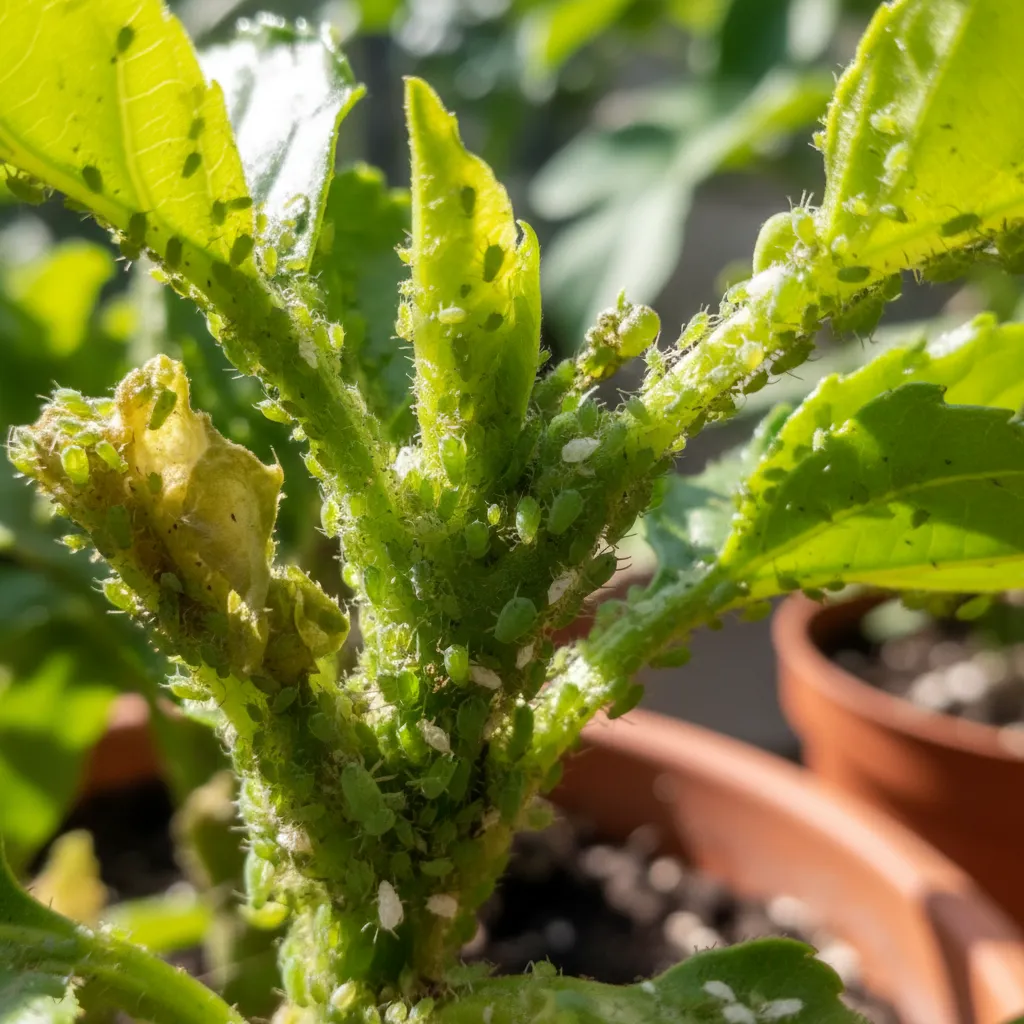
- ✓Pest and Disease Management — Monitor for common rose pests like aphids and spider mites, and diseases such as black spot and powdery mildew; use organic controls when possible.
Reviewed by the Flora Medical Global Botanical Review Panel
Multi-disciplinary editorial group · Botany · Ethnobotany · Herbal-medicine literature
Who reviewed this: This page was checked by the Flora Medical Global Botanical Review Panel — an in-house editorial group of botany graduates, ethnobotany researchers, and horticulture practitioners who collectively maintain our 7,000+ plant encyclopedia. Meet the team.
Our 4-step verification process
1. Taxonomic verification
Scientific names and synonyms cross-checked against Kew POWO, World Flora Online, and The Plant List.
2. Phytochemical & medicinal cross-reference
Active compounds, traditional uses, and reported activities are cross-referenced with PubMed, USDA Dr. Duke's database, and peer-reviewed ethnobotanical literature.
3. Conservation & distribution check
Distribution, ecology, and conservation status confirmed against GBIF occurrence records and the IUCN Red List.
4. Editorial & safety review
Every entry passes an editorial pass for clarity, originality, and safety notices (toxicity, contraindications, dosage caveats) before publication.
Last reviewed:
Important medical disclaimer: This content is for educational and research purposes only. It is not medical advice and is not a substitute for consultation with a licensed healthcare provider. Do not use any herb to self-treat a medical condition without professional guidance.
Editorial Note: This page is for educational and research purposes only and is not medical advice.
Written by: Flora Medical Global Editorial Team
Reviewed by: Flora Medical Global Botanical Review Panel
Last Updated: June 15, 2026





Arq Gulab — Comments & Community Reviews
Rate this plant