
Medical Disclaimer: This content is for educational purposes only. It is not medical advice. Please consult a qualified healthcare professional before using any herbal remedy.
Safety Overview
1.Asl-us-Soos — At a Glance
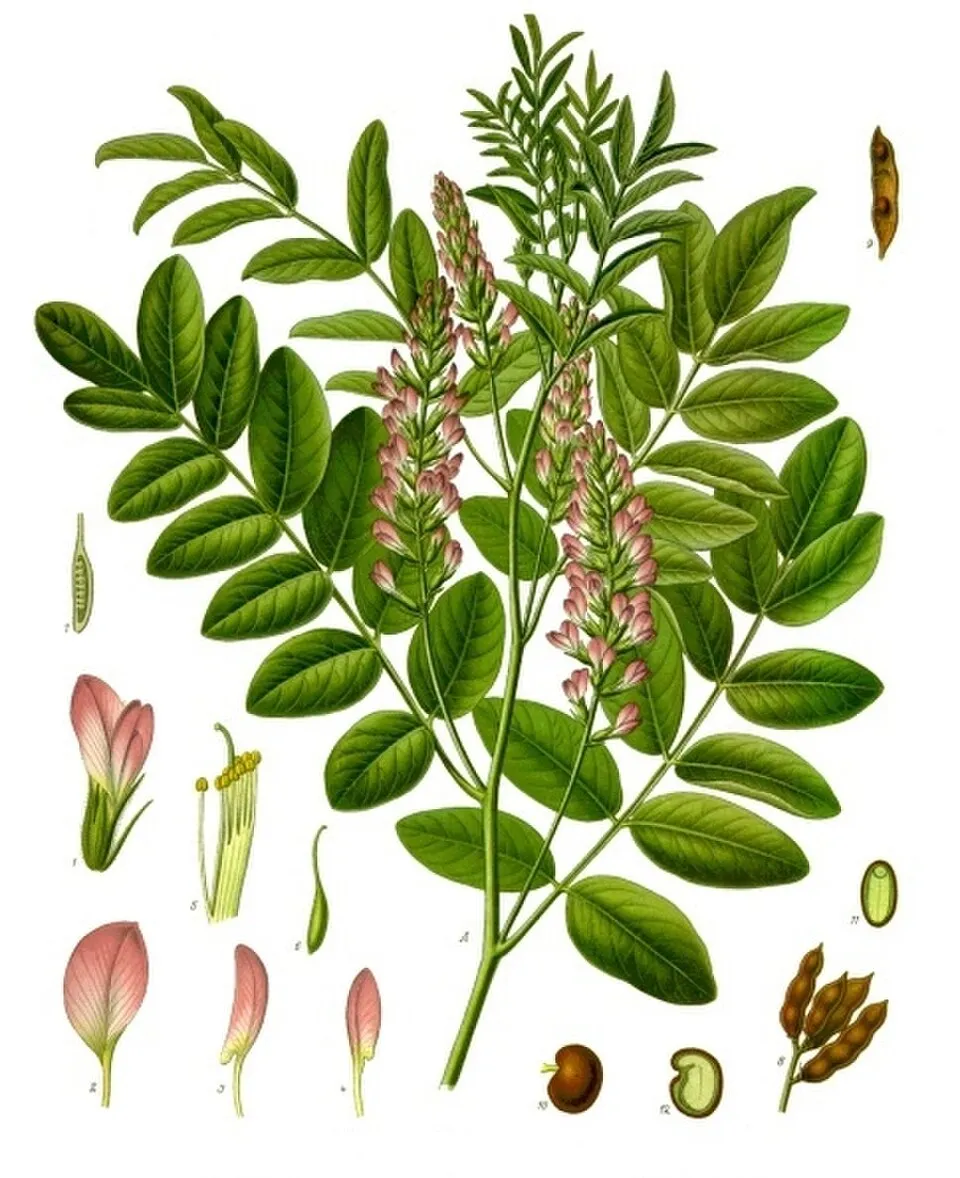
Asl-us-Soos, widely known as Licorice and scientifically classified as Glycyrrhiza glabra L., is a significant perennial herbaceous plant within the extensive Fabaceae family. This species is highly valued for its robust, deep-seated rhizomatous root system, which is the primary source of its celebrated medicinal and sweet compounds. The plant’s roots are resilient, often extending over a meter into the soil, and reveal a distinctive bright yellow interior when freshly cut, a characteristic hue attributed to secondary metabolites such as glycyrrhizin. Above ground, Glycyrrhiza glabra typically attains a height of 1 to 2 meters.
Its elegant foliage comprises pinnate leaves, each composed of 9 to 17 ovate to lanceolate leaflets that are glandular-punctate on their undersides, contributing to its subtle aromatic profile. The plant’s aesthetic appeal is further enhanced by its inflorescence, which features delicate pale purple to bluish-purple, pea-like flowers arranged in axillary racemes, typically blooming from late spring through early summer. Following successful pollination, these flowers develop into oblong, flattened pods, each containing 2 to 5 small, kidney-shaped seeds. Glycyrrhiza glabra thrives in specific environmental conditions, preferring deep, well-drained, sandy-loam soils that are uncompacted and rich in nutrients.
It is naturally distributed across semi-arid and subtropical regions of Southern Europe, North Africa, and Asia, particularly in countries like Italy, Spain, Turkey, Iran, Iraq, Turkmenistan, Uzbekistan, Syria, Afghanistan, India, and China. Its ecological importance is notable due to its capacity to fix atmospheric nitrogen through a symbiotic relationship with rhizobium bacteria in its root nodules, thereby enhancing soil fertility. The historical and cultural significance of Asl-us-Soos is profound, with its medicinal use documented for over 4,000 years, including archaeological evidence from Tutankhamun's tomb and mentions in ancient Sumerian texts.
Trusted Scientific References
1. Authoritative external sources for Glycyrrhiza glabra L.
1.1 Wikipedia — Glycyrrhiza glabra L.
1.2 Kew POWO (Plants of the World Online)
1.3 PubMed — peer-reviewed research
1.4 NCBI Taxonomy Browser
1.5 GBIF — Global Biodiversity
1.1.Asl-us-Soos — Notable Characteristics
- ✓Sweet Rhizomatous Root — The primary medicinal part, known for its distinctive sweetness and yellow interior.
- ✓Glycyrrhizin Content — Main active triterpenoid saponin responsible for most pharmacological effects.
- ✓Anti — inflammatory Action — Reduces inflammation through multiple mechanisms, including COX and LOX inhibition.
- ✓Demulcent Properties — Soothes irritated mucous membranes, beneficial for respiratory and digestive tracts.
- ✓Adaptogenic Qualities — Supports the body's response to stress, particularly through adrenal axis modulation.
- ✓Broad — Spectrum Antiviral — Effective against a range of viruses, including herpes and influenza.
- ✓Hepatoprotective — Protects and supports liver function, aiding in detoxification.
- ✓Traditional Medicine Staple — Integral to Ayurvedic, TCM, Unani, and Western herbal traditions for millennia.
- ✓Nitrogen Fixer — Enhances soil fertility through symbiotic relationships with root bacteria.
- ✓DGL Alternative — Availability of deglycyrrhizinated forms for safer long-term digestive support.
1.2.Asl-us-Soos — Snapshot Summary
- ✓Glycyrrhiza glabra, or Licorice, is a revered herb known for its sweet roots.
- ✓Its primary active compound, glycyrrhizin, offers significant anti-inflammatory, antiviral, and hepatoprotective benefits.
- ✓Traditionally used for respiratory, digestive, and adrenal support across various ancient medical systems.
- ✓High doses or prolonged use can lead to side effects like hypertension and hypokalemia.
- ✓DGL (Deglycyrrhizinated Licorice) provides gastric benefits with fewer systemic risks.
- ✓A versatile botanical with a rich history in global herbal medicine.
2.Asl-us-Soos — Nomenclature & Classification
3.Asl-us-Soos — Key Data
4.Asl-us-Soos — Physical Description
5.Asl-us-Soos — Origin & Spread
6.Asl-us-Soos — Traditional Uses
7.Asl-us-Soos — Key Phytochemicals
- ✓Triterpenoid Saponins — Primarily Glycyrrhizin (glycyrrhizic acid), which is responsible for the sweet taste and many pharmacological actions, including anti-inflammatory, antiviral, and hepatoprotective effects. It is a potent inhibitor of 11β-hydroxysteroid dehydrogenase.
- ✓Flavonoids — Key compounds include Glabridin, Isoliquiritigenin, Liquiritigenin, and Licochalcone A, which contribute to antioxidant, anti-inflammatory, estrogenic, and antimicrobial activities.
- ✓Coumarins — Such as Umbelliferone and Herniarin, which possess anti-inflammatory and antioxidant properties.
- ✓Polysaccharides — Contribute to immunomodulatory and demulcent effects, soothing mucous membranes.
- ✓Phytosterols — Including Beta-sitosterol, which may have anti-inflammatory and cholesterol-lowering properties.
- ✓Asparagines — An amino acid that may contribute to some of the plant's adaptogenic effects.
- ✓Volatile Oils — Present in small amounts, contributing to the aroma, including anethole.
- ✓Chalcones — Precursors to flavonoids, like Isoliquiritigenin, known for their anticancer and antioxidant potential.
- ✓Phenolic Acids — Such as Ferulic acid and Caffeic acid, which provide additional antioxidant benefits.
- ✓Glycosides — Various other glycosides are present, contributing to the complex pharmacological profile.
8.Asl-us-Soos — Pharmacological Findings
- ✓Anti-inflammatory — Glycyrrhizin and flavonoids like glabridin inhibit pro-inflammatory enzymes, reducing swelling and pain in conditions such as arthritis and skin irritations.
- ✓Expectorant and Antitussive — Licorice root helps to loosen and expel mucus from the respiratory tract, while also soothing coughs and sore throats due to its demulcent properties.
- ✓Antiviral Activity — Compounds like glycyrrhizin have demonstrated inhibitory effects against various viruses, including herpes simplex, influenza, and hepatitis viruses, by interfering with viral replication.
- ✓Hepatoprotective Effects — Flavonoids and triterpenoids in Licorice protect liver cells from damage, promote regeneration, and aid in detoxification processes, beneficial for liver diseases.
- ✓Gastric Ulcer and Digestive Support — DGL (deglycyrrhizinated licorice) specifically promotes healing of stomach and duodenal ulcers by stimulating mucus production and protecting the gastric lining without affecting blood pressure.
- ✓Adrenal Support — Licorice can help prolong the half-life of cortisol in the body, which may support adrenal function and aid in managing stress-related fatigue.
- ✓Antioxidant Properties — Flavonoids such as glabridin exhibit strong antioxidant activity, protecting cells from oxidative stress and free radical damage, which contributes to overall cellular health.
- ✓Antimicrobial Action — Licorice extracts possess antibacterial and antifungal properties, effective against various pathogens, including Helicobacter pylori, which is associated with stomach ulcers.
- ✓Immunomodulatory Effects — Certain polysaccharides and triterpenoids can modulate the immune system, enhancing its response against infections and potentially regulating autoimmune conditions.
- ✓Skin Health — Topical applications of Licorice can reduce hyperpigmentation, soothe irritated skin, and alleviate symptoms of eczema and psoriasis due to its anti-inflammatory and antioxidant compounds.
- ✓Estrogenic Activity — Some compounds in Licorice exhibit mild estrogenic effects, which may be beneficial for managing menopausal symptoms, though more research is needed.
- ✓Oral Health — Licorice has shown promise in preventing dental caries and gum disease by inhibiting the growth of oral bacteria and reducing plaque formation.
8.1.Asl-us-Soos — Therapeutic Indications
9.Asl-us-Soos — Safety Considerations
9.1.Asl-us-Soos — Side Effects & Warnings
- ✓Hypertension — High doses or prolonged use of glycyrrhizin can lead to elevated blood pressure by affecting mineralocorticoid receptors.
- ✓Hypokalemia — Can cause a decrease in potassium levels in the blood due to its mineralocorticoid-like effects, leading to muscle weakness and cardiac issues.
- ✓Fluid Retention and Edema — Accumulation of fluid in tissues, resulting in swelling, particularly in the ankles and face, often accompanied by weight gain.
- ✓Headaches — Some individuals may experience headaches, especially when consuming large amounts or experiencing fluid retention.
- ✓Cardiac Arrhythmias — Severe hypokalemia can lead to irregular heart rhythms, which can be dangerous for individuals with pre-existing heart conditions.
- ✓Muscle Weakness — A symptom of hypokalemia, ranging from mild to severe, impacting daily activities.
- ✓Hormonal Imbalances — May interfere with estrogen and testosterone levels, potentially affecting reproductive health or exacerbating hormone-sensitive conditions.
9.2.Asl-us-Soos — Clinical Safety Notes
- ✓Contraindications — Avoid in individuals with hypertension, heart failure, kidney disease, liver disease (cholestatic), hypokalemia, or hormone-sensitive cancers.
- ✓Pregnancy and Lactation — Not recommended during pregnancy due to potential hormonal effects and risk of preterm labor. Avoid during lactation as safety is not established.
- ✓Drug Interactions — Can interact with diuretics, corticosteroids, oral contraceptives, digoxin, and blood pressure medications, potentially altering their effects or increasing side effects.
- ✓Dosage Limitations — Long-term use or high doses should be avoided. DGL products are a safer alternative for digestive issues as they lack glycyrrhizin.
- ✓Monitor Symptoms — Users should be aware of symptoms like swelling, muscle weakness, or irregular heartbeats and discontinue use if they occur.
- ✓Professional Consultation — Always consult a healthcare professional before using licorice, especially if you have pre-existing medical conditions or are on medication.
- ✓Duration of Use — Typically, licorice root should not be used for more than 4-6 consecutive weeks without medical supervision to prevent adverse effects.
10.Asl-us-Soos — Usage Guide
- ✓Decoction — Dried licorice root is simmered in water for 10-20 minutes to extract medicinal compounds, commonly used for respiratory issues and digestive support.
- ✓Infusion (Tea) — Sliced or powdered root is steeped in hot water for 5-10 minutes, often for soothing sore throats or as a general tonic.
- ✓Tincture — Alcohol-based extracts of licorice root, offering a concentrated form for systemic effects and easier dosage control. Taken orally in drops.
- ✓Powder — Dried licorice root is ground into a fine powder, which can be encapsulated, mixed with water, or added to foods. Often used for gastric support or as a sweetener.
- ✓Deglycyrrhizinated Licorice (DGL) — A specialized extract where glycyrrhizin is removed to minimize side effects, primarily used for healing gastric ulcers and acid reflux.
- ✓Topical Application — Extracts or pastes can be applied directly to the skin to alleviate inflammation, irritation, or hyperpigmentation, such as in creams or salves.
- ✓Lozenges/Pastilles — Processed licorice preparations designed to slowly dissolve in the mouth, providing local relief for sore throats and coughs.
- ✓Syrups — Often combined with other herbs, licorice syrup is a traditional remedy for coughs, bronchitis, and as a natural sweetener in herbal formulations.
11.Asl-us-Soos — How to Grow
- ✓Soil Preparation — Prefers deep, well-drained, sandy-loam soils with a pH between 6.0 and 8.2, rich in organic matter. Avoid compacted or waterlogged conditions.
- ✓Propagation — Can be propagated from seeds, rhizome cuttings, or root divisions. Rhizome cuttings are most common for commercial cultivation, ensuring genetic consistency.
- ✓Planting — Plant rhizome cuttings 30-45 cm apart in rows, about 5-10 cm deep, usually in early spring after the last frost.
- ✓Watering — Requires consistent moisture, especially during establishment, but is relatively drought-tolerant once mature. Overwatering should be avoided to prevent root rot.
- ✓Climate — Thrives in semi-arid to subtropical climates with full sun exposure. It tolerates a wide range of temperatures but prefers warm conditions for optimal growth.
- ✓Fertilization — Benefits from moderate fertilization with balanced nutrients, particularly phosphorus and potassium, and a nitrogen-fixing cover crop or compost due to its legume nature.
- ✓Pest and Disease Management — Generally robust, but can be susceptible to root rot in poorly drained soils and occasional insect pests. Integrated pest management practices are recommended.
- ✓Harvesting — Roots are typically harvested after 3-5 years of growth, when active compounds are at their peak. Harvesting usually occurs in autumn after the leaves have died back. Roots are dug, cleaned, and dried.
Reviewed by the Flora Medical Global Botanical Review Panel
Multi-disciplinary editorial group · Botany · Ethnobotany · Herbal-medicine literature
Who reviewed this: This page was checked by the Flora Medical Global Botanical Review Panel — an in-house editorial group of botany graduates, ethnobotany researchers, and horticulture practitioners who collectively maintain our 7,000+ plant encyclopedia. Meet the team.
Our 4-step verification process
1. Taxonomic verification
Scientific names and synonyms cross-checked against Kew POWO, World Flora Online, and The Plant List.
2. Phytochemical & medicinal cross-reference
Active compounds, traditional uses, and reported activities are cross-referenced with PubMed, USDA Dr. Duke's database, and peer-reviewed ethnobotanical literature.
3. Conservation & distribution check
Distribution, ecology, and conservation status confirmed against GBIF occurrence records and the IUCN Red List.
4. Editorial & safety review
Every entry passes an editorial pass for clarity, originality, and safety notices (toxicity, contraindications, dosage caveats) before publication.
Last reviewed:
Important medical disclaimer: This content is for educational and research purposes only. It is not medical advice and is not a substitute for consultation with a licensed healthcare provider. Do not use any herb to self-treat a medical condition without professional guidance.
Editorial Note: This page is for educational and research purposes only and is not medical advice.
Written by: Flora Medical Global Editorial Team
Reviewed by: Flora Medical Global Botanical Review Panel
Last Updated: June 15, 2026





Asl-us-Soos — Comments & Community Reviews
Rate this plant