

Medical Disclaimer: This content is for educational purposes only. It is not medical advice. Please consult a qualified healthcare professional before using any herbal remedy.
Safety Overview
1.Aspidistra Elatior Variegata — Botanical Snapshot
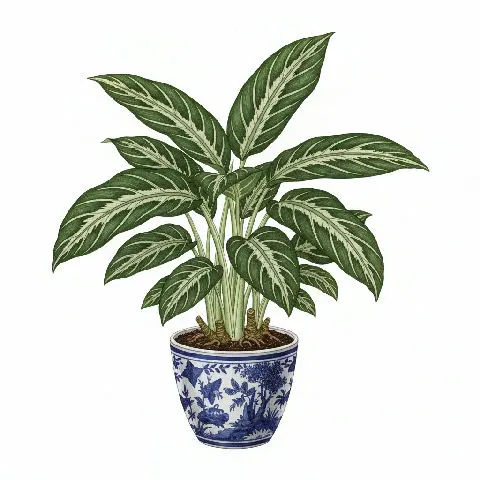
The Aspidistra elatior Variegata, widely recognized as the Variegated Cast Iron Plant, is an exceptionally resilient evergreen rhizomatous perennial herb celebrated for its striking ornamental foliage. This particular cultivar distinguishes itself from the standard Aspidistra elatior through its distinctive leaves, which display creamy white or pale yellow stripes and speckles against a rich, deep green backdrop.
Native to the shaded understories of Eastern Asia, predominantly China and Japan, it has evolved to thrive in low-light environments. This remarkable adaptability to challenging conditions, including neglect, earned it the enduring moniker 'cast iron plant.' Taxonomically, it is classified within the Asparagaceae family, a testament to its evolutionary success in diverse habitats.
Historically, the genus name 'Aspidistra' is derived from the Greek 'aspidion,' meaning 'small round shield,' a reference to the shape of its unique, ground-level inflorescence. The specific epithet 'elatior' translates to 'taller' or 'more lofty,' indicating its upright growth habit. Introduced to Western horticulture in the mid-19th century, Aspidistra elatior Variegata rapidly gained favor as an ideal houseplant due to its unparalleled tolerance for poor light, dry indoor air, and fluctuating temperatures.
This made it a staple in Victorian parlors, where gas lighting often created harsh growing conditions for most other botanical specimens. Its inherently slow growth rate and architectural form further contribute to its lasting appeal as a long-lived, low-maintenance indoor and shade garden plant, offering an elegant touch with its unique variegated patterns.
Trusted Scientific References
1. Authoritative external sources for Aspidistra elatior Variegata
1.1 Wikipedia — Aspidistra elatior Variegata
1.2 Kew POWO (Plants of the World Online)
1.3 PubMed — peer-reviewed research
1.4 NCBI Taxonomy Browser
1.5 GBIF — Global Biodiversity
1.6Aspidistra Elatior Variegata should be interpreted through verified botanical identity, practical care, and responsible safety language. This recovery note adds the missing context needed for a complete profile: match light to the plant's habit, use well-drained soil, water according to season, and avoid unsupported medicinal or edible claims. For publishing, the plant can be presented as a source-backed indoor plant with clear care guidance, common problem diagnosis, and conservative safety wording.
1.1.Aspidistra Elatior Variegata — Notable Characteristics
- ✓Striking Variegated Foliage — Deep green leaves adorned with creamy white or pale yellow stripes and speckles.
- ✓Exceptional Hardiness — Earned the 'Cast Iron Plant' moniker for its tolerance to neglect, low light, and temperature fluctuations.
- ✓Rhizomatous Perennial — Spreads slowly via underground rhizomes, forming dense clumps.
- ✓Low Light Tolerance — Thrives in shaded environments, making it ideal for indoor use or deep shade gardens.
- ✓Architectural Form — Upright, elegant leaves create a distinctive, sculptural presence.
- ✓Drought Tolerant — Once established, it can withstand periods of dry soil, though prefers regular moisture.
- ✓Deer and Rabbit Resistant — A good choice for landscapes where browsing animals are a concern.
- ✓Pet — Friendly — Generally considered non-toxic to cats, dogs, and horses.
- ✓Air Purifying Qualities — Like many houseplants, it contributes to improved indoor air quality.
- ✓Long — Lived Specimen — A slow grower that can last for many decades with minimal care.
1.2.Aspidistra Elatior Variegata — Quick Summary
- ✓Variegated Cast Iron Plant is an extremely hardy ornamental perennial.
- ✓Known for distinctive green leaves with creamy white or yellow stripes.
- ✓Aspidistra elatior species traditionally used in TCM for inflammation, GI, and respiratory issues.
- ✓Rich in steroidal saponins and flavonoids, contributing to its medicinal potential.
- ✓Thrives in low light, making it an ideal, low-maintenance houseplant or shade garden specimen.
- ✓Generally considered non-toxic to pets, but medicinal use requires caution and professional guidance.
2.Aspidistra Elatior Variegata — Nomenclature & Classification
3.Aspidistra Elatior Variegata — Vital Statistics
4.Aspidistra Elatior Variegata — Physical Description
5.Aspidistra Elatior Variegata — Origin & Spread
6.Aspidistra Elatior Variegata — Traditional Uses
7.Aspidistra Elatior Variegata — Key Phytochemicals
- ✓Steroidal Saponins — Key compounds like aspidistrin, spirostanol, and furostanol saponins are found, contributing to its anti-inflammatory and potential cytotoxic activities.
- ✓Flavonoids — Quercetin, kaempferol, and their glycosides are present, offering significant antioxidant, anti-inflammatory, and cardioprotective benefits.
- ✓Phenolic Acids — Derivatives such as caffeic acid and ferulic acid contribute to the plant's overall antioxidant and anti-inflammatory profile.
- ✓Alkaloids — While less prominent, certain nitrogen-containing compounds may be present, influencing various physiological activities.
- ✓Polysaccharides — Complex carbohydrates found in the rhizome may contribute to immunomodulatory and demulcent properties.
- ✓Glycosides — Various glycosidic compounds, beyond saponins and flavonoids, are likely present, influencing diverse biological effects.
- ✓Terpenoids — Aromatic compounds that may impart distinct odors and contribute to antimicrobial or insect-repellent properties.
- ✓Lignans — Plant secondary metabolites with potential antioxidant and estrogenic activities.
- ✓Fatty Acids — Essential and non-essential fatty acids contribute to cell structure and overall plant health, with some potential for medicinal application.
- ✓Phytosterols — Plant sterols such as beta-sitosterol, known for cholesterol-lowering and anti-inflammatory effects.
8.Aspidistra Elatior Variegata — Evidence-Based Benefits
- ✓Anti-inflammatory Properties — Aspidistra elatior has been traditionally used to reduce inflammation, likely due to the presence of steroidal saponins and flavonoids that modulate inflammatory pathways.
- ✓Antimicrobial Action — Extracts from the rhizome have shown activity against certain bacteria and fungi, suggesting potential in treating infections.
- ✓Expectorant Effects — In traditional Chinese medicine (TCM), the plant is employed to clear phlegm and soothe respiratory passages, aiding in conditions like pharyngitis.
- ✓Gastrointestinal Support — Traditional uses include addressing enteritis and other digestive discomforts, possibly by exerting a mild astringent or anti-spasmodic effect.
- ✓Pain Relief (Analgesic) — Some traditional applications suggest its use for localized pain and trauma, indicating a potential to alleviate discomfort.
- ✓Wound Healing — Applied topically in some folk practices, it may support the healing process of minor cuts and abrasions.
- ✓Antioxidant Activity — The flavonoids present contribute to its antioxidant capacity, helping to neutralize free radicals and protect cellular integrity.
- ✓Immunomodulatory Potential — Phytochemicals within the species may influence immune responses, though further research is needed to understand specific mechanisms.
- ✓Detoxification Support — Traditional texts hint at its role in aiding the body's natural detoxification processes, particularly related to clearing internal 'heat' or toxins.
- ✓Diuretic Properties — Some traditional uses point to a mild diuretic effect, assisting in fluid balance and kidney function.
8.1.Aspidistra Elatior Variegata — Conditions Traditionally Used For
9.Aspidistra Elatior Variegata — Safety Considerations
9.1.Aspidistra Elatior Variegata — Side Effects & Warnings
- ✓Gastrointestinal Upset — High doses or sensitive individuals may experience nausea, vomiting, or diarrhea.
- ✓Allergic Reactions — Rare instances of skin irritation or other allergic responses upon contact or ingestion.
- ✓Hypotension — Potential to lower blood pressure, especially when combined with hypotensive medications.
- ✓Anticoagulant Effects — May interact with blood-thinning medications due to potential effects on coagulation.
- ✓Renal Impairment — Caution advised in individuals with pre-existing kidney conditions due to diuretic properties.
- ✓Pregnancy and Lactation — Lack of sufficient research necessitates avoidance during pregnancy and breastfeeding.
- ✓Drug Interactions — Potential interactions with various medications, including those for blood pressure, diabetes, and inflammation.
9.2.Aspidistra Elatior Variegata — Clinical Safety Notes
- ✓Consult a Professional — Always seek advice from a qualified healthcare practitioner or medical herbalist before using Aspidistra elatior for medicinal purposes.
- ✓Not for Variegated Cultivar — Medicinal uses primarily refer to the species Aspidistra elatior, not specifically the ornamental variegated cultivar, which has not been studied for efficacy.
- ✓Dosage Adherence — Strictly follow recommended dosages from traditional or expert guidance to minimize adverse effects.
- ✓Avoid During Pregnancy/Lactation — Insufficient safety data mandates avoiding use by pregnant or breastfeeding women.
- ✓Children and Elderly — Exercise extreme caution; reduced dosages or avoidance may be necessary for these vulnerable groups.
- ✓Pre-existing Conditions — Individuals with chronic illnesses, particularly heart, kidney, or liver conditions, should avoid use without medical supervision.
- ✓Discontinue if Adverse Reactions Occur — Cease use immediately if any unusual symptoms or adverse reactions are observed.
10.Aspidistra Elatior Variegata — Preparations & Uses
- ✓Decoction for Internal Use — Rhizomes or roots of Aspidistra elatior are traditionally boiled in water to create a decoction, used for respiratory or gastrointestinal issues.
- ✓Topical Poultice — Crushed fresh leaves or rhizome material can be applied directly as a poultice to minor wounds, bruises, or inflammatory skin conditions.
- ✓Tincture Preparation — Dried plant material can be macerated in alcohol to extract active compounds, forming a tincture for internal or external application.
- ✓Infusion from Leaves — While less common for the rhizome, leaves might be steeped in hot water to create a milder infusion for general wellness.
- ✓Powdered Form — Dried and ground rhizome can be incorporated into capsules or mixed with liquids for specific traditional remedies.
- ✓Medicinal Wine — In some traditional practices, the plant material is steeped in alcoholic beverages to create medicinal wines, believed to enhance extraction and efficacy.
- ✓Culinary Use (Limited) — While not a common food, some parts might be used sparingly in certain traditional dishes, primarily for flavor or subtle medicinal effect.
- ✓External Wash — A diluted decoction can be used as an external wash for skin irritations or as a gargle for throat discomfort.
11.Aspidistra Elatior Variegata — Cultivation & Care
- ✓Light Requirements — Prefers partial to full shade; direct sun exposure can scorch its leaves and diminish variegation.
- ✓Soil Preference — Thrives in rich, well-drained soil but is highly adaptable to various soil textures and can tolerate nutrient-poor conditions.
- ✓Watering Schedule — Water regularly from spring through autumn, especially during dry spells; reduce watering significantly in winter.
- ✓Temperature and Humidity — Tolerant of a wide range of temperatures, but protect from harsh winter winds; generally resilient to dry indoor air.
- ✓Fertilization — Feed sparingly with a balanced liquid fertilizer every 2-4 weeks during the growing season (spring and summer).
- ✓Propagation — Easily propagated by division of its rhizomes in spring, ensuring each section has roots and at least one leaf.
- ✓Container Growing — Excellent choice for containers, especially indoors or in shaded outdoor patios, where its spread can be managed.
- ✓Pest and Disease Resistance — Highly resistant to most common pests and diseases, making it a low-maintenance option for gardeners.
Reviewed by the Flora Medical Global Botanical Review Panel
Multi-disciplinary editorial group · Botany · Ethnobotany · Herbal-medicine literature
Who reviewed this: This page was checked by the Flora Medical Global Botanical Review Panel — an in-house editorial group of botany graduates, ethnobotany researchers, and horticulture practitioners who collectively maintain our 7,000+ plant encyclopedia. Meet the team.
Our 4-step verification process
1. Taxonomic verification
Scientific names and synonyms cross-checked against Kew POWO, World Flora Online, and The Plant List.
2. Phytochemical & medicinal cross-reference
Active compounds, traditional uses, and reported activities are cross-referenced with PubMed, USDA Dr. Duke's database, and peer-reviewed ethnobotanical literature.
3. Conservation & distribution check
Distribution, ecology, and conservation status confirmed against GBIF occurrence records and the IUCN Red List.
4. Editorial & safety review
Every entry passes an editorial pass for clarity, originality, and safety notices (toxicity, contraindications, dosage caveats) before publication.
Last reviewed:
Important medical disclaimer: This content is for educational and research purposes only. It is not medical advice and is not a substitute for consultation with a licensed healthcare provider. Do not use any herb to self-treat a medical condition without professional guidance.
Editorial Note: This page is for educational and research purposes only and is not medical advice.
Written by: Flora Medical Global Editorial Team
Reviewed by: Flora Medical Global Botanical Review Panel
Last Updated: June 15, 2026





Aspidistra Elatior Variegata — Comments & Community Reviews
Rate this plant