


Medical Disclaimer: This content is for educational purposes only. It is not medical advice. Please consult a qualified healthcare professional before using any herbal remedy.
Safety Overview
1.Aster Cordifolius — At a Glance
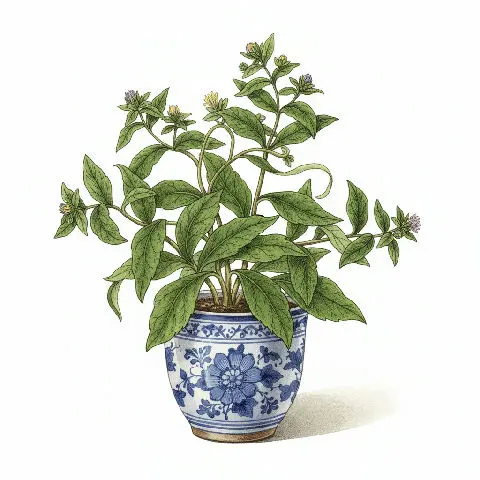
Aster cordifolius, commonly known as Blue Wood Aster or Heart-Leaved Aster, is a captivating perennial wildflower belonging to the Asteraceae family. While historically classified under Aster, modern botanical reclassification often places it within the genus Symphyotrichum, specifically as Symphyotrichum cordifolium.
This robust plant is indigenous to a broad expanse of eastern North America, spanning from Nova Scotia and New Brunswick south to Georgia and Missouri. It flourishes in dappled shade to partial sun environments, typically found along woodland edges, in open forests, and occasionally in disturbed areas, showcasing its adaptability.
Morphologically, Aster cordifolius is distinguished by its characteristic basal leaves, which are broadly cordate (heart-shaped) with serrated margins, a feature from which its specific epithet 'cordifolius' is derived. The stem leaves progressively diminish in size higher up the stalk and are often sessile or have winged petioles. The plant typically attains heights of 0.6 to 1.5 meters (2 to 5 feet) and can form extensive colonies through its vigorous rhizomatous spread, creating a dense, attractive groundcover.
In late summer and autumn, it produces a profusion of small, delicate flowers, ranging in color from blue-violet to white, which collectively create a misty, cloud-like visual effect. Ecologically, this aster is a vital late-season nectar source, providing crucial sustenance for a diverse array of pollinators, including various bee species and butterflies, thereby significantly contributing to local biodiversity and ecosystem health. Its ability to thrive in varied soil conditions and tolerate partial shade makes it a popular choice for native plant gardens, ecological restoration initiatives, and woodland garden designs, where it adds both structural diversity and aesthetic appeal.
Trusted Scientific References
1. Authoritative external sources for Aster cordifolius
1.1 Wikipedia — Aster cordifolius
1.2 Kew POWO (Plants of the World Online)
1.3 PubMed — peer-reviewed research
1.4 NCBI Taxonomy Browser
1.5 GBIF — Global Biodiversity
1.1.Aster Cordifolius — Distinguishing Points
- ✓Heart — shaped basal leaves (cordate), a defining botanical characteristic.
- ✓Produces abundant blue — violet to white flowers in late summer and autumn.
- ✓Native to the — Native to the woodlands of Eastern North America, a true indigenous species.
- ✓Serves as a crucial late — season nectar source for various pollinators like bees and butterflies.
- ✓Historically utilized by — Historically utilized by indigenous North American tribes for diverse medicinal purposes.
- ✓Rich in beneficial — Rich in beneficial phytochemicals, including potent anti-inflammatory flavonoids and triterpenes.
- ✓Highly adaptable, thriving — Highly adaptable, thriving in partial shade and a wide range of well-drained soil types.
- ✓Renowned for its — Renowned for its traditional nervine and antirheumatic properties, offering natural relief.
- ✓Spreads via rhizomes, — Spreads via rhizomes, forming attractive and ecologically beneficial colonies.
- ✓Young leaves are — Young leaves are edible when cooked, providing a nutritional culinary option.
1.2.Aster Cordifolius — At-a-Glance Summary
- ✓Common Name — Blue Wood Aster, Heart-Leaved Aster.
- ✓Scientific Name — Aster cordifolius (Symphyotrichum cordifolium).
- ✓Key Actions — Anti-inflammatory, Antioxidant, Nervine, Antirheumatic.
- ✓Traditional Uses — Alleviates colds, fevers, aches, rheumatism, and nervous tension.
- ✓Habitat — Native to Eastern North American woodland edges and open forests.
- ✓Primary Constituents — Flavonoids, Triterpenes, and Phenolic Acids.
2.Aster Cordifolius — Scientific Identity
3.Aster Cordifolius — Fact Sheet
4.Aster Cordifolius — Physical Description
5.Aster Cordifolius — Origin & Spread
6.Aster Cordifolius — Heritage Uses
7.Aster Cordifolius — Key Phytochemicals
- ✓Flavonoids — Key compounds like quercetin and kaempferol derivatives are present, known for their potent antioxidant, anti-inflammatory, and antiallergic properties.
- ✓Triterpenes — Including various saponins, ursolic acid, and oleanolic acid, which contribute to the plant's anti-inflammatory, adaptogenic, and potential cytotoxic activities.
- ✓Phenolic Acids — Such as caffeic acid and chlorogenic acid, providing significant antioxidant, antimicrobial, and anti-inflammatory benefits, protecting cells from oxidative damage.
- ✓Volatile Oils — Contains aromatic compounds that contribute to its characteristic scent and may have mild antiseptic, carminative, or nervine effects.
- ✓Saponins — Glycosides that can exhibit expectorant properties, aiding in respiratory health, and also possess anti-inflammatory and immune-modulating actions.
- ✓Polysaccharides — Complex carbohydrates that can support immune system function and provide soothing demulcent effects.
- ✓Tannins — Astringent compounds that can help reduce inflammation, tighten tissues, and offer mild antiseptic properties, particularly useful for topical applications.
- ✓Phytosterols — Plant sterols like beta-sitosterol, which are known for their cholesterol-lowering effects and potential anti-inflammatory benefits.
8.Aster Cordifolius — Pharmacological Findings
- ✓Anti-inflammatory Properties — Rich in flavonoids and triterpenes, Aster cordifolius may help reduce inflammation throughout the body, addressing conditions like joint pain and swelling.
- ✓Antioxidant Support — The plant's phytochemicals, including phenolic acids, provide potent antioxidant activity, combating cellular damage caused by free radicals and supporting overall cellular health.
- ✓Antirheumatic Effects — Traditionally employed for relieving symptoms of rheumatism, an infusion of the plant has been used to soothe joint stiffness and discomfort.
- ✓Nervine Action — Possesses a calming effect on the nervous system, making it a traditional remedy for nervous tension, anxiety, and promoting relaxation.
- ✓Cold and Flu Relief — Indigenous North American tribes historically used Aster cordifolius to alleviate symptoms associated with common colds, fevers, and respiratory discomfort.
- ✓Pain Management (Analgesic) — Due to its anti-inflammatory compounds, it may help in mitigating various aches and mild pains, offering natural relief.
- ✓Digestive Aid — The aromatic compounds present in the plant could potentially aid in gentle digestion and soothe minor gastrointestinal discomfort.
- ✓Immune System Modulation — The presence of various bioactive compounds, including polysaccharides, may offer general support to the immune system, enhancing the body's natural defenses.
- ✓Respiratory Support — Traditional applications suggest its use in addressing coughs and congestion, particularly when associated with cold symptoms, possibly acting as a mild expectorant.
8.1.Aster Cordifolius — Therapeutic Indications
9.Aster Cordifolius — Cautions & Contraindications
9.1.Aster Cordifolius — Side Effects & Warnings
- ✓Allergic Reactions — Individuals with sensitivities to the Asteraceae family (e.g., ragweed, chamomile) may experience allergic contact dermatitis or respiratory symptoms.
- ✓Gastrointestinal Upset — High doses or particularly sensitive individuals might encounter mild digestive disturbances such as nausea, stomach discomfort, or diarrhea.
- ✓Skin Irritation — Direct topical application of fresh plant material could potentially cause mild skin irritation or allergic reactions in some individuals.
- ✓Drug Interactions — There is a theoretical potential for interaction with pharmaceutical medications, especially sedatives, anti-inflammatory drugs, or anticoagulants, though specific data is lacking.
- ✓Pregnancy and Lactation — Due to insufficient safety data, use is generally not recommended for pregnant or breastfeeding individuals without explicit medical advice.
9.2.Aster Cordifolius — Clinical Safety Notes
- ✓Professional Consultation — Always seek advice from a qualified healthcare professional or medical herbalist before using Aster cordifolius, particularly if pregnant, nursing, or on medication.
- ✓Allergic Sensitivity — Individuals with known allergies to plants in the Asteraceae family should exercise caution and perform a patch test before extensive use.
- ✓Dosage Adherence — Strictly adhere to recommended dosages; excessive consumption of any herbal remedy can lead to unexpected adverse effects.
- ✓Quality Sourcing — Ensure that all plant material is sourced from reputable suppliers to guarantee purity and prevent potential contamination with other species or pollutants.
- ✓Children and Elderly — Use with increased caution in children and the elderly due to their heightened sensitivity; reduced dosages may be appropriate under supervision.
- ✓Discontinue Use — If any adverse reactions or unusual symptoms occur, discontinue use immediately and consult a healthcare provider.
10.Aster Cordifolius — Preparations & Uses
- ✓Herbal Infusion — Dried leaves and flowering tops are steeped in hot water to create a tea, traditionally consumed for its nervine and antirheumatic properties.
- ✓Tincture Preparation — Plant material (leaves, flowers) is macerated in an alcohol solution to extract concentrated active compounds for internal medicinal use.
- ✓Poultice Application — Freshly crushed leaves can be applied topically as a poultice to soothe localized aches, rheumatic pain, or minor skin irritations.
- ✓Decoction — While less common for the aerial parts, roots or tougher plant material can be simmered in water to extract deeper medicinal compounds.
- ✓Culinary Use — Young, tender leaves can be cooked and consumed as nutritious greens, offering a mild flavor and supplemental dietary benefits.
- ✓Aromatic Steam Inhalation — An infusion can be added to hot water for steam inhalation, providing respiratory comfort during colds and congestion.
- ✓Herbal Bath — A strong infusion added to bathwater can help soothe muscle aches, reduce general body discomfort, and promote overall relaxation.
11.Aster Cordifolius — Garden Cultivation
- ✓Climate & Hardiness — Thrives robustly in USDA Hardiness Zones 3-7, demonstrating excellent tolerance to cold winters.
- ✓Soil Preferences — Adapts well to a range of well-drained soils, including light, medium, and heavy types, with a preference for moisture-retentive and organically rich conditions.
- ✓Light Requirements — Best suited for dappled shade to partial sun exposures, mimicking its native woodland edge habitat; can tolerate full sun if soil moisture is consistently maintained.
- ✓Watering — Requires consistently moist soil, especially during dry spells, but is intolerant of waterlogged conditions which can lead to root rot.
- ✓Propagation — Easily propagated by seed (benefiting from cold stratification), by division of its rhizomatous rootstock in spring or autumn, or via basal cuttings taken in late spring.
- ✓Maintenance & Pests — Generally low maintenance; exhibits natural resistance to rabbit browsing; occasional division helps manage its vigorous spread and maintains plant vigor.
- ✓Ecological Role — A highly valued plant for attracting a diverse array of late-season pollinators, including various species of bees and butterflies, enhancing garden biodiversity.
Reviewed by the Flora Medical Global Botanical Review Panel
Multi-disciplinary editorial group · Botany · Ethnobotany · Herbal-medicine literature
Who reviewed this: This page was checked by the Flora Medical Global Botanical Review Panel — an in-house editorial group of botany graduates, ethnobotany researchers, and horticulture practitioners who collectively maintain our 7,000+ plant encyclopedia. Meet the team.
Our 4-step verification process
1. Taxonomic verification
Scientific names and synonyms cross-checked against Kew POWO, World Flora Online, and The Plant List.
2. Phytochemical & medicinal cross-reference
Active compounds, traditional uses, and reported activities are cross-referenced with PubMed, USDA Dr. Duke's database, and peer-reviewed ethnobotanical literature.
3. Conservation & distribution check
Distribution, ecology, and conservation status confirmed against GBIF occurrence records and the IUCN Red List.
4. Editorial & safety review
Every entry passes an editorial pass for clarity, originality, and safety notices (toxicity, contraindications, dosage caveats) before publication.
Last reviewed:
Important medical disclaimer: This content is for educational and research purposes only. It is not medical advice and is not a substitute for consultation with a licensed healthcare provider. Do not use any herb to self-treat a medical condition without professional guidance.
Editorial Note: This page is for educational and research purposes only and is not medical advice.
Written by: Flora Medical Global Editorial Team
Reviewed by: Flora Medical Global Botanical Review Panel
Last Updated: June 15, 2026





Aster Cordifolius — Comments & Community Reviews
Rate this plant