

Medical Disclaimer: This content is for educational purposes only. It is not medical advice. Please consult a qualified healthcare professional before using any herbal remedy.
Safety Overview
1.Aster Novi-Belgii — Botanical Snapshot
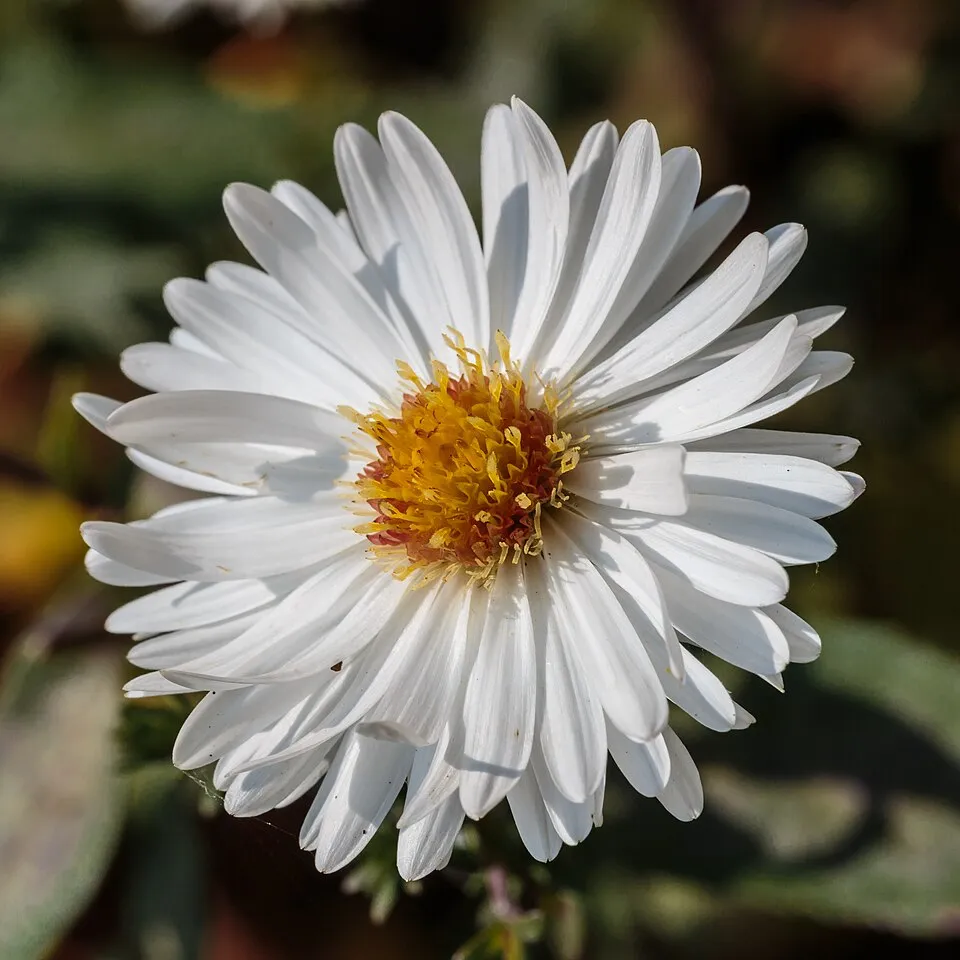
Symphyotrichum novi-belgii, commonly known as the New York Aster or Michaelmas Daisy, is a robust herbaceous perennial belonging to the Asteraceae family. This species is indigenous to the eastern United States, where it thrives in various temperate habitats, from meadows and open woodlands to coastal areas. It presents a distinctive clump-forming growth habit, characterized by erect, extensively branching stems that typically reach heights of 30 to 120 cm, though some cultivars can grow taller depending on soil conditions.
The foliage consists of smooth, lance-shaped leaves that can range from mid-green to a subtle purple tint, creating a dense, lush backdrop. The most striking feature of S. novi-belgii is its abundant late-season bloom, producing numerous daisy-like capitula at the tips of its stems.
These showy flowers, measuring approximately 2-4 cm in diameter, display a vibrant spectrum of colors including rose-purple, lavender, and white, making them a prominent feature in the garden when many other plants have ceased flowering. The inflorescence comprises a central disc of yellow florets surrounded by numerous ray florets, which close or droop on cloudy days and at night, reopening with the return of sunlight. This plant is highly valued for its ornamental qualities and its significant ecological role in supporting local pollinator populations.
Trusted Scientific References
1. Authoritative external sources for Aster Novi-Belgii
1.1 Wikipedia — Aster Novi-Belgii
1.2 Kew POWO (Plants of the World Online)
1.3 PubMed — peer-reviewed research
1.4 NCBI Taxonomy Browser
1.5 GBIF — Global Biodiversity
1.6Aster Novi-Belgii should be interpreted through verified botanical identity, practical care, and responsible safety language. This recovery note adds the missing context needed for a complete profile: match light to the plant's habit, use well-drained soil, water according to season, and avoid unsupported medicinal or edible claims. For publishing, the plant can be presented as a source-backed garden plant with clear care guidance, common problem diagnosis, and conservative safety wording.
1.1.Aster Novi-Belgii — Distinguishing Points
- ✓Extended Bloom Period — Flowers profusely from late summer through late fall, ensuring continuous garden interest.
- ✓Diverse Flower Colors — Available in rose-purple, lavender, and white, offering versatility for garden design.
- ✓Hardiness Zone Adaptability — Thrives across USDA Zones 4-8, indicating wide geographical suitability.
- ✓Attracts Beneficial Insects — A critical host plant and nectar source for numerous pollinators.
- ✓Drought Tolerant — Once established, it can withstand periods of dry weather, reducing water needs.
- ✓Pest and Disease Resistant — Exhibits natural resilience against many common garden ailments.
- ✓Deer and Rabbit Deterrent — Its slightly bitter taste generally discourages browsing by these animals.
- ✓Versatile Garden Use — Ideal for borders, cottage gardens, rock gardens, and cut flower arrangements.
- ✓Clump — Forming Growth — Forms dense, bushy foliage with erect, branching stems, creating a full appearance.
- ✓Non — Invasive Spread — Spreads gently in the garden but is typically easy to manage and control.
1.2.Aster Novi-Belgii — At-a-Glance Summary
- ✓Late-Season Bloom — Provides vibrant color from late summer into fall when other plants are fading.
- ✓Pollinator Magnet — Attracts bees and butterflies, supporting local biodiversity.
- ✓Easy to Grow — Hardy, low-maintenance perennial suitable for various garden types.
- ✓Deer and Rabbit Resistant — A good choice for areas with wildlife challenges.
- ✓Native to Eastern US — An ecologically valuable choice for native plant landscapes.
2.Aster Novi-Belgii — Nomenclature & Classification
3.Aster Novi-Belgii — Fact Sheet
4.Aster Novi-Belgii — Botanical Description
5.Aster Novi-Belgii — Origin & Spread
6.Aster Novi-Belgii — Folk Medicine Applications
7.Aster Novi-Belgii — Key Phytochemicals
- ✓Flavonoids — Key compounds like quercetin, kaempferol, and their glycosides are commonly found in the Aster genus, contributing to antioxidant and potential anti-inflammatory activities.
- ✓Saponins — Triterpenoid saponins are present, which are known for their detergent-like properties and have been investigated for various biological activities, including hemolytic and immunomodulatory effects.
- ✓Phenolic Acids — Compounds such as caffeic acid, chlorogenic acid, and ferulic acid derivatives contribute to the plant's antioxidant capacity and overall phytochemical profile.
- ✓Triterpenes — Various triterpenoid compounds, including asterosaponins, are characteristic of the Asteraceae family and may possess anti-inflammatory or cytotoxic potential.
- ✓Volatile Oils/Terpenoids — While not extensively studied for S. novi-belgii, other Aster species contain essential oils rich in monoterpenes and sesquiterpenes, which can contribute to aroma and insect deterrence.
- ✓Anthocyanins — Responsible for the vibrant purple and rose hues in the flowers, these water-soluble pigments are potent antioxidants and are beneficial for plant and potentially human health.
- ✓Polysaccharides — Structural polysaccharides and mucilaginous compounds may be present, contributing to general plant support and potentially offering demulcent properties if consumed.
- ✓Sterols — Phytosterols like beta-sitosterol are common in plants and are recognized for their potential to support cholesterol balance and possess anti-inflammatory actions.
- ✓Carotenoids — Present in the yellow disc florets and potentially leaves, these pigments such as lutein and zeaxanthin are known for their antioxidant properties and roles in plant photosynthesis.
8.Aster Novi-Belgii — Scientific Evidence
- ✓Ecological Support — New York Aster plays a vital role in supporting local ecosystems by providing a crucial late-season nectar source for bees, butterflies, and other beneficial insects, aiding in biodiversity.
- ✓Ornamental Value — The vibrant and abundant late-summer to fall blooms of Symphyotrichum novi-belgii offer significant aesthetic appeal, contributing to mental well-being and garden beauty.
- ✓Antioxidant Potential — Like many plants, Symphyotrichum novi-belgii likely contains various phenolic compounds and flavonoids, which possess general antioxidant properties that may help combat oxidative stress.
- ✓Anti-inflammatory Speculation — Some members of the Aster genus have been studied for compounds with anti-inflammatory properties, suggesting a potential, though unconfirmed for this specific species, benefit.
- ✓Digestive Health (General Plant Fiber) — While not a primary food source, the presence of plant fibers in various parts could generally support digestive regularity, though specific traditional use for this is absent.
- ✓Skin Health (Topical Use) — Extracts from related Aster species are sometimes considered for soothing minor skin irritations due to general plant compounds, but specific application for S. novi-belgii is not documented.
- ✓Immune System Support (General Plant Nutrition) — The consumption of plant-derived compounds generally contributes to overall health, indirectly supporting immune function, though New York Aster is not a dietary staple.
- ✓Traditional Respiratory Relief (Related Species) — While Symphyotrichum novi-belgii lacks specific traditional medicinal records, other Aster species have been historically used in some cultures for respiratory ailments; this is not directly transferable.
- ✓Diuretic Properties (General Plant Compounds) — Some plant compounds can act as mild diuretics; however, Symphyotrichum novi-belgii is not traditionally used for this purpose.
- ✓Stress Reduction — Engagement with gardening and aesthetically pleasing plants like New York Aster can contribute to psychological well-being and stress reduction.
8.1.Aster Novi-Belgii — Health Applications
9.Aster Novi-Belgii — Safety Considerations
9.1.Aster Novi-Belgii — Side Effects & Warnings
- ✓Contact Dermatitis — Some individuals may experience mild skin irritation or allergic reactions upon direct contact with the foliage or sap.
- ✓Allergic Reactions — As with many plants, pollen can trigger allergic rhinitis (hay fever) in sensitive individuals, particularly during its late blooming season.
- ✓Gastrointestinal Upset — While not considered toxic, ingestion of large quantities by humans or pets is not recommended and could lead to mild digestive upset.
- ✓Cross-Reactivity — Individuals with known allergies to other plants in the Asteraceae family (e.g., ragweed, chrysanthemums) may exhibit cross-reactivity.
- ✓Overgrowth — In ideal conditions, Symphyotrichum novi-belgii can spread vigorously, potentially outcompeting less robust plants if not managed.
9.2.Aster Novi-Belgii — Safety Profile
- ✓Non-Toxic — Symphyotrichum novi-belgii is generally considered non-toxic to humans and common household pets, making it safe for most gardens.
- ✓Allergic Potential — Individuals with plant allergies, especially to Asteraceae, should handle with care to avoid contact dermatitis or pollen-induced respiratory symptoms.
- ✓Wildlife Friendly — Its resistance to deer and rabbits, coupled with its appeal to pollinators, makes it a safe and beneficial addition to wildlife gardens.
- ✓Environmental Impact — Not considered invasive, it spreads moderately and is typically easy to control within garden settings.
- ✓Handling Precautions — Wearing gloves when handling large quantities or if known to be sensitive to plant sap is advisable to prevent skin irritation.
10.Aster Novi-Belgii — Preparation Methods
- ✓Ornamental Garden Planting — Primarily used for aesthetic appeal in borders, rock gardens, cottage gardens, and wildflower meadows to provide late-season color.
- ✓Pollinator Gardens — Essential for creating wildlife-friendly spaces, attracting and supporting bees, butterflies, and other beneficial insects as a late nectar source.
- ✓Cut Flower Arrangements — The vibrant and long-lasting flowers are excellent for cutting, bringing a splash of autumn color indoors in vases.
- ✓Mass Plantings — Effective when planted in large groups to create a dramatic visual impact and a dense display of color.
- ✓Container Cultivation — Smaller cultivars can be grown in containers, provided they have adequate drainage and are regularly watered.
- ✓Landscape Design — Utilized in various landscape designs for their hardiness, low maintenance, and ability to fill gaps in the garden as other plants fade.
11.Aster Novi-Belgii — Cultivation & Care
- ✓Site Selection — Plant New York Asters in a location that receives full sun to partial sun exposure for optimal growth and abundant flowering.
- ✓Soil Preparation — Ensure the soil is moist but well-drained, accommodating various types including chalk, clay, loam, and sand, with a pH ranging from acidic to alkaline or neutral.
- ✓Watering Regimen — Provide average water, especially during establishment; once mature, Symphyotrichum novi-belgii exhibits good drought tolerance.
- ✓Spacing — Allow adequate spacing, typically 1-3 feet (30-90 cm) apart, to accommodate their clump-forming and branching growth habit.
- ✓Hardiness Zones — Thrives in USDA Hardiness Zones 4-8, tolerating a wide range of temperate climates.
- ✓Maintenance — Requires average maintenance, including occasional division every few years to maintain vigor and prevent overcrowding.
- ✓Pest and Disease Resistance — Generally resistant to common garden pests and diseases, and typically avoided by deer and rabbits due to a slightly bitter taste.
Reviewed by the Flora Medical Global Botanical Review Panel
Multi-disciplinary editorial group · Botany · Ethnobotany · Herbal-medicine literature
Who reviewed this: This page was checked by the Flora Medical Global Botanical Review Panel — an in-house editorial group of botany graduates, ethnobotany researchers, and horticulture practitioners who collectively maintain our 7,000+ plant encyclopedia. Meet the team.
Our 4-step verification process
1. Taxonomic verification
Scientific names and synonyms cross-checked against Kew POWO, World Flora Online, and The Plant List.
2. Phytochemical & medicinal cross-reference
Active compounds, traditional uses, and reported activities are cross-referenced with PubMed, USDA Dr. Duke's database, and peer-reviewed ethnobotanical literature.
3. Conservation & distribution check
Distribution, ecology, and conservation status confirmed against GBIF occurrence records and the IUCN Red List.
4. Editorial & safety review
Every entry passes an editorial pass for clarity, originality, and safety notices (toxicity, contraindications, dosage caveats) before publication.
Last reviewed:
Important medical disclaimer: This content is for educational and research purposes only. It is not medical advice and is not a substitute for consultation with a licensed healthcare provider. Do not use any herb to self-treat a medical condition without professional guidance.
Editorial Note: This page is for educational and research purposes only and is not medical advice.
Written by: Flora Medical Global Editorial Team
Reviewed by: Flora Medical Global Botanical Review Panel
Last Updated: June 15, 2026





Aster Novi-Belgii — Comments & Community Reviews
Rate this plant