
Medical Disclaimer: This content is for educational purposes only. It is not medical advice. Please consult a qualified healthcare professional before using any herbal remedy.
Safety Overview
1.Astilbe Chinensis — Botanical Snapshot
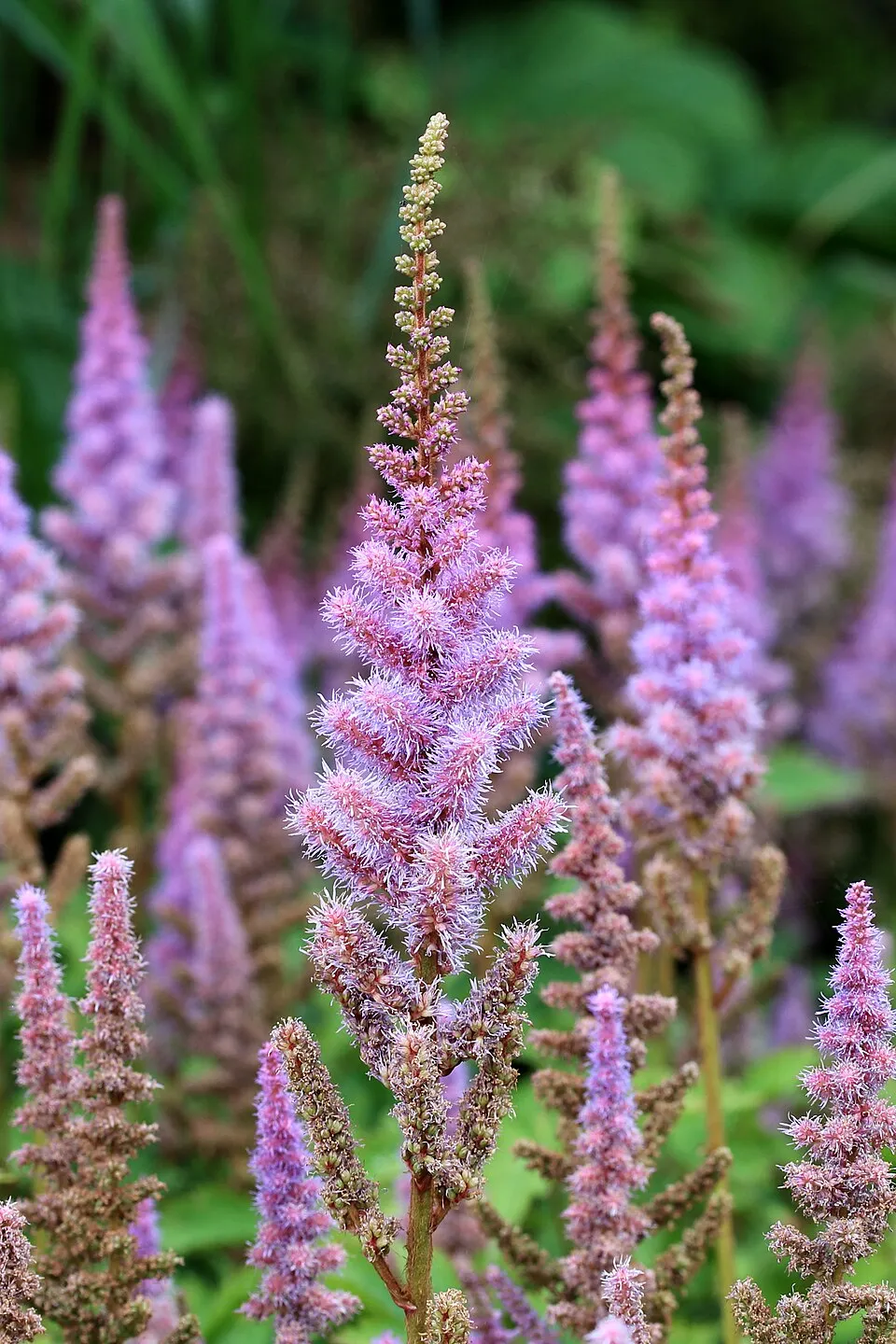
Astilbe chinensis, commonly known as Chinese astilbe, false goat's beard, or tall false-buck's-beard, is a captivating herbaceous perennial belonging to the Saxifragaceae family. This species typically grows in dense clumps, reaching heights of 45 to 90 centimeters. Its foliage is notably attractive, consisting predominantly of basal, ternately compound leaves with sharply-toothed, often biserrated, elliptic to oval leaflets that are frequently hairy, creating a fern-like texture.
The genus name 'Astilbe' originates from Greek, meaning 'without brightness,' referring to the dullness of leaves in some species, contrasting with the vibrant inflorescence of A. chinensis. The tiny, intricate flowers are borne on slender, erect, or arching stems, forming dense, plume-like panicles.
These inflorescences can display a range of colors, from white and pink to various shades of purple or red, blooming profusely in the summer months and persisting as ornamental dried seed heads into autumn. Native to Eastern China, the Japanese archipelago, and Korea, Astilbe chinensis thrives in its natural habitat near shaded streams and rivers, as well as within and along the margins of damp, open broadleaf forests, at altitudes ranging from 400 to 3600 meters. It prefers well-drained, organically rich soils and partial to full shade, though it exhibits more drought tolerance than many of its congeners.
Trusted Scientific References
1. Authoritative external sources for Astilbe Chinensis
1.1 Wikipedia — Astilbe Chinensis
1.2 Kew POWO (Plants of the World Online)
1.3 PubMed — peer-reviewed research
1.4 NCBI Taxonomy Browser
1.5 GBIF — Global Biodiversity
1.6Astilbe Chinensis should be interpreted through verified botanical identity, practical care, and responsible safety language. This recovery note adds the missing context needed for a complete profile: match light to the plant's habit, use well-drained soil, water according to season, and avoid unsupported medicinal or edible claims. For publishing, the plant can be presented as a source-backed garden plant with clear care guidance, common problem diagnosis, and conservative safety wording.
1.1.Astilbe Chinensis — Distinguishing Points
- ✓Striking Panicle Flowers — Displays dense, feathery plumes of minuscule flowers in various colors, providing strong visual interest.
- ✓Fern — like Foliage — Features attractive, deeply cut, often hairy basal leaves that resemble ferns.
- ✓Shade — Loving Perennial — Thrives in partial to full shade, making it ideal for woodland gardens and shaded borders.
- ✓Native to East Asia — Naturally found in damp, forested areas of China, Japan, and Korea.
- ✓Traditional Medicinal Uses — Employed in herbal medicine for its anti-inflammatory, digestive, and diuretic actions.
- ✓Rich in Phytochemicals — Contains beneficial compounds such as flavonoids, saponins, and phenolic acids.
- ✓Drought Tolerant (for Astilbe) — Exhibits greater tolerance to drier conditions compared to other species within its genus.
- ✓Low Maintenance — Generally resistant to pests and diseases, requiring minimal care once established.
- ✓Winter Interest — Dried seed heads can provide architectural interest in the garden during colder months.
- ✓Adaptable to Various Soils — Prefers rich, moist, well-drained soil but can adapt to a range of conditions.
1.2.Astilbe Chinensis — In Brief
- ✓Astilbe chinensis is a striking perennial known for its fern-like foliage and plume-like flowers.
- ✓Native to East Asia, it thrives in shaded, moist forest environments.
- ✓Traditionally used for its anti-inflammatory, digestive, and diuretic properties.
- ✓Rich in flavonoids, saponins, and phenolic acids, contributing to its medicinal value.
- ✓Popular ornamental plant, prized for its aesthetic appeal and hardiness.
- ✓Requires consistent moisture and shade, but is more drought-tolerant than other astilbes.
2.Astilbe Chinensis — Nomenclature & Classification
3.Astilbe Chinensis — Key Data
4.Astilbe Chinensis — Physical Description
5.Astilbe Chinensis — Native Range & Habitat
6.Astilbe Chinensis — Heritage Uses
7.Astilbe Chinensis — Key Phytochemicals
- ✓Flavonoids — Key compounds like quercetin, kaempferol, and anthocyanins contribute significantly to the plant's antioxidant and anti-inflammatory activities by scavenging free radicals and inhibiting pro-inflammatory enzymes.
- ✓Essential Oils — Volatile aromatic compounds, though present in smaller quantities, imbue the plant with subtle fragrance and may possess mild antiseptic and calming properties, contributing to its traditional uses.
- ✓Saponins — Triterpenoid saponins are found, which are known for their expectorant, immune-modulating, and sometimes antimicrobial effects, interacting with cell membranes.
- ✓Phenolic Acids — Compounds such as gallic acid and caffeic acid are present, known for their potent antioxidant capabilities and contributions to the plant's defense mechanisms.
- ✓Tannins — Hydrolyzable and condensed tannins provide astringent properties, which can be beneficial for digestive health and in wound healing, by forming protective layers on mucous membranes.
- ✓Polysaccharides — Complex carbohydrates that can offer immune-modulating benefits and contribute to the plant’s demulcent (soothing) qualities, particularly for mucous membranes.
- ✓Glycosides — Various glycosides are found, which can influence different physiological pathways depending on their aglycone structure, often contributing to the plant's overall therapeutic profile.
- ✓Triterpenes — These compounds, distinct from saponins, often exhibit anti-inflammatory, hepatoprotective, and adaptogenic properties, supporting cellular resilience and overall vitality.
8.Astilbe Chinensis — Scientific Evidence
- ✓Anti-inflammatory Support — Astilbe chinensis has been traditionally valued for its potential to reduce inflammation, likely due to the presence of flavonoids and other phenolic compounds that modulate inflammatory pathways.
- ✓Digestive Aid — Historically, the plant is used in herbal teas to alleviate various gastrointestinal discomforts, promoting smoother digestion and soothing irritated digestive tracts.
- ✓Diuretic Properties — Extracts from Chinese astilbe are believed to encourage increased urine production, supporting urinary tract health and assisting the body in expelling excess fluids and toxins.
- ✓Antioxidant Activity — Rich in antioxidant compounds such as flavonoids, Astilbe chinensis helps combat oxidative stress by neutralizing free radicals, thereby contributing to cellular protection and overall wellness.
- ✓Traditional Cooling Agent — In traditional systems like Ayurveda, this plant is employed for its perceived cooling properties, which are thought to balance 'heat' imbalances and soothe conditions associated with excess pitta dosha.
- ✓Immune System Modulation — Certain constituents, including saponins and polysaccharides, may interact with the immune system, potentially enhancing its response or helping to regulate immune functions.
- ✓Antimicrobial Potential — Preliminary research suggests that some compounds within Astilbe chinensis may possess mild antimicrobial effects, offering protection against various pathogens.
- ✓Respiratory Comfort — Traditional applications sometimes include the use of Astilbe chinensis to help soothe minor respiratory irritations and support clear breathing, particularly in the context of herbal infusions.
- ✓Skin Health Support — The anti-inflammatory and antioxidant properties can also extend to topical applications, potentially aiding in soothing irritated skin and promoting a healthy complexion.
8.1.Astilbe Chinensis — Therapeutic Indications
9.Astilbe Chinensis — Cautions & Contraindications
9.1.Astilbe Chinensis — Reported Side Effects
- ✓Allergic Reactions — Individuals sensitive to plants in the Saxifragaceae family may experience skin irritation or other allergic responses upon contact or ingestion.
- ✓Gastrointestinal Upset — High doses or sensitive individuals may experience mild stomach upset, nausea, or diarrhea.
- ✓Potential for Photosensitivity — Some plant constituents can theoretically increase skin sensitivity to sunlight, though this is not commonly reported for Astilbe chinensis.
- ✓Interaction with Medications — Hypothetically, its diuretic properties could interact with prescription diuretics, and its anti-inflammatory effects might synergize or interfere with NSAIDs or blood thinners.
- ✓Pregnancy and Lactation Concerns — Due to insufficient safety data, use is generally advised against during pregnancy and breastfeeding.
- ✓Liver or Kidney Issues — Individuals with pre-existing liver or kidney conditions should exercise caution and consult a healthcare professional before use.
- ✓Dosage Sensitivity — Exceeding recommended dosages may increase the likelihood or severity of adverse effects, emphasizing the importance of proper guidance.
9.2.Astilbe Chinensis — Safety Overview
- ✓Pregnancy and Breastfeeding — Avoid use during pregnancy and lactation due to a lack of sufficient safety data and potential effects on fetal development or infant health.
- ✓Children — Not recommended for use in infants or young children without explicit medical advice, as pediatric safety has not been established.
- ✓Allergic Sensitivities — Individuals with known allergies to plants in the Saxifragaceae family should avoid Astilbe chinensis to prevent hypersensitivity reactions.
- ✓Pre-existing Conditions — Patients with chronic health conditions, especially those affecting the liver, kidneys, or cardiovascular system, should consult a healthcare provider before use.
- ✓Medication Interactions — Exercise caution if taking diuretics, blood thinners, immunosuppressants, or anti-inflammatory drugs, as interactions are theoretically possible.
- ✓Discontinue Use if Adverse Effects Occur — If any unusual or adverse symptoms develop, such as skin rash, digestive upset, or shortness of breath, discontinue use immediately.
- ✓Professional Guidance — Always consult a qualified medical herbalist or healthcare professional before incorporating Astilbe chinensis into a therapeutic regimen, particularly for internal use.
10.Astilbe Chinensis — Preparations & Uses
- ✓Herbal Tea Infusion — Prepare a soothing infusion by steeping dried leaves or roots in hot water for 10-15 minutes, traditionally used for digestive comfort or as a general tonic.
- ✓Tincture Preparation — Macerate fresh or dried plant material in alcohol to create a concentrated tincture, which can be taken in drops diluted in water for systemic benefits.
- ✓Poultice Application — Crush fresh leaves to form a paste and apply directly to the skin as a poultice to soothe minor irritations or inflammatory conditions topically.
- ✓Decoction of Roots — Boil dried root material in water for a longer period (20-30 minutes) to extract deeper compounds, often used for more robust therapeutic effects.
- ✓Herbal Compress — Soak a cloth in a strong herbal tea or decoction and apply warm to affected areas of the body for localized relief.
- ✓Herbal Bath Additive — Infuse a large quantity of the plant material in hot water, strain, and add the liquid to a bath to create a therapeutic soak, particularly for skin conditions.
- ✓Culinary Accent — While primarily medicinal and ornamental, young, tender leaves might be used sparingly as a bitter accent in some traditional dishes or salads.
- ✓Aromatic Vapor — Inhale the steam from a hot infusion to help clear respiratory passages and soothe congestion, leveraging any volatile compounds present.
11.Astilbe Chinensis — Garden Cultivation
- ✓Site Selection — Plant Astilbe chinensis in a location that receives partial to full shade, ideally with morning sun and afternoon shade, to prevent leaf scorch.
- ✓Soil Preparation — Ensure the soil is rich in organic matter, consistently moist, and well-drained; a slightly acidic to neutral pH (6.0-7.0) is preferred for optimal growth.
- ✓Watering Regimen — Maintain consistent soil moisture, especially during dry periods, as Chinese astilbe dislikes drying out; however, avoid waterlogging to prevent root rot.
- ✓Fertilization — Apply a balanced, slow-release granular fertilizer or organic compost lightly in early spring to support vigorous growth and flowering.
- ✓Pruning and Maintenance — Deadhead spent flower plumes to encourage reblooming and maintain a tidy appearance, or leave them for winter interest; cut back foliage in late fall or early spring.
- ✓Propagation — Propagate by dividing clumps every 3-4 years in early spring, or by sowing seeds indoors in late winter for transplanting after the last frost.
- ✓Pest and Disease Management — Generally resistant, but monitor for common garden pests like slugs or snails in damp conditions, and ensure good air circulation to prevent fungal issues.
- ✓Winter Care — In colder climates, a layer of mulch around the base can help protect the crowns during harsh winters, though it is quite hardy.
Reviewed by the Flora Medical Global Botanical Review Panel
Multi-disciplinary editorial group · Botany · Ethnobotany · Herbal-medicine literature
Who reviewed this: This page was checked by the Flora Medical Global Botanical Review Panel — an in-house editorial group of botany graduates, ethnobotany researchers, and horticulture practitioners who collectively maintain our 7,000+ plant encyclopedia. Meet the team.
Our 4-step verification process
1. Taxonomic verification
Scientific names and synonyms cross-checked against Kew POWO, World Flora Online, and The Plant List.
2. Phytochemical & medicinal cross-reference
Active compounds, traditional uses, and reported activities are cross-referenced with PubMed, USDA Dr. Duke's database, and peer-reviewed ethnobotanical literature.
3. Conservation & distribution check
Distribution, ecology, and conservation status confirmed against GBIF occurrence records and the IUCN Red List.
4. Editorial & safety review
Every entry passes an editorial pass for clarity, originality, and safety notices (toxicity, contraindications, dosage caveats) before publication.
Last reviewed:
Important medical disclaimer: This content is for educational and research purposes only. It is not medical advice and is not a substitute for consultation with a licensed healthcare provider. Do not use any herb to self-treat a medical condition without professional guidance.
Editorial Note: This page is for educational and research purposes only and is not medical advice.
Written by: Flora Medical Global Editorial Team
Reviewed by: Flora Medical Global Botanical Review Panel
Last Updated: June 15, 2026





Astilbe Chinensis — Comments & Community Reviews
Rate this plant