
Medical Disclaimer: This content is for educational purposes only. It is not medical advice. Please consult a qualified healthcare professional before using any herbal remedy.
Safety Overview
1.Astilbe Simplicifolia — Essential Profile
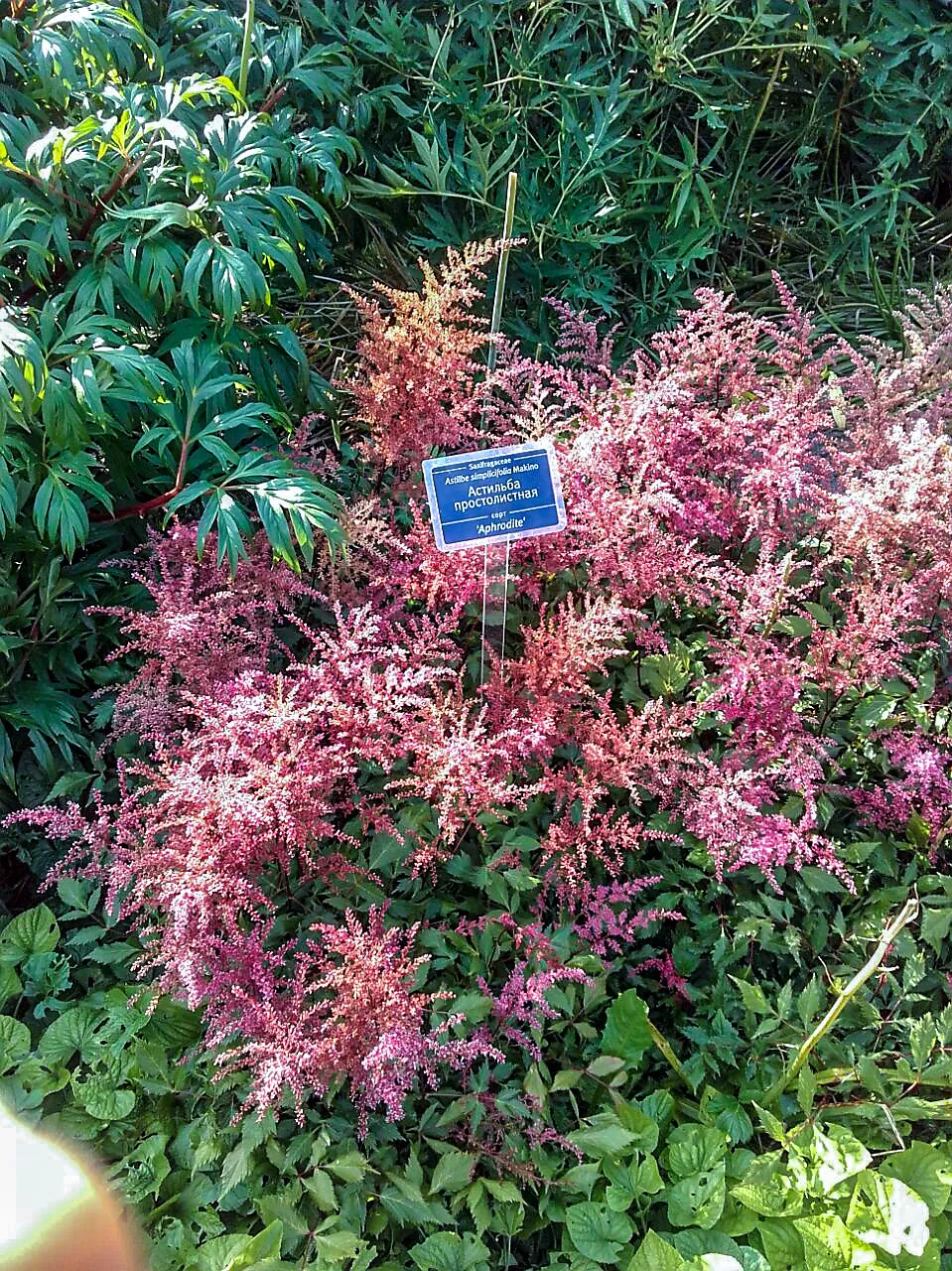
Astilbe simplicifolia, commonly known as Simple-leaf Astilbe, is an elegant perennial herb belonging to the Saxifragaceae family. This species is characterized by its compact, clump-forming growth habit, typically reaching a modest height of 30 to 60 centimeters (1 to 2 feet) with an equivalent spread. Its foliage is particularly distinctive, featuring basal leaves that are deeply lobed to nearly simple, often glossy, and a rich dark green, providing excellent ground cover and textural interest.
Unlike the square stems of the mint family, Astilbe simplicifolia exhibits round, slender stems from which its delicate flower plumes emerge. During its blooming season, usually late summer to early autumn, the plant produces airy, upright, and often arching panicles of tiny, star-shaped flowers, typically in shades of white, soft pink, or sometimes reddish hues, creating a soft, feathery appearance. These delicate inflorescences are held above the foliage, attracting various pollinators.
Native to the mountainous regions of Japan, Astilbe simplicifolia thrives in cool, moist, and shaded environments. Its natural habitat includes woodland edges, stream banks, and other areas with consistently moist, humus-rich, and well-drained soils, often found beneath deciduous trees where it receives dappled sunlight. This species is highly valued in horticulture for its graceful form, attractive foliage, and exquisite floral display, making it a popular choice for shade gardens, woodland settings, and borders.
Trusted Scientific References
1. Authoritative external sources for Astilbe Simplicifolia
1.1 Wikipedia — Astilbe Simplicifolia
1.2 Kew POWO (Plants of the World Online)
1.3 PubMed — peer-reviewed research
1.4 NCBI Taxonomy Browser
1.5 GBIF — Global Biodiversity
1.6Astilbe Simplicifolia should be interpreted through verified botanical identity, practical care, and responsible safety language. This recovery note adds the missing context needed for a complete profile: match light to the plant's habit, use well-drained soil, water according to season, and avoid unsupported medicinal or edible claims. For publishing, the plant can be presented as a source-backed garden plant with clear care guidance, common problem diagnosis, and conservative safety wording.
1.1.Astilbe Simplicifolia — Highlights
- ✓Botanical Name — Astilbe simplicifolia
- ✓Common Name — Simple-leaf Astilbe
- ✓Family — Saxifragaceae
- ✓Growth Habit — Clump-forming perennial
- ✓Foliage — Deeply lobed to simple, glossy dark green leaves
- ✓Flowers — Airy, feathery plumes of white, pink, or reddish flowers
- ✓Light Requirement — Partial to full shade
- ✓Soil Preference — Moist, humus-rich, well-drained soil
- ✓Native Range — Mountains of Japan
- ✓Primary Use — Ornamental garden plant
1.2.Astilbe Simplicifolia — Quick Summary
- ✓Elegant perennial for shade gardens with feathery plumes.
- ✓Rich in flavonoids and phenolic compounds, offering antioxidant potential.
- ✓Prefers moist, humus-rich soil and partial to full shade.
- ✓Primarily ornamental, with limited traditional medicinal uses.
- ✓Generally safe, but caution advised for pregnant/nursing individuals and children.
- ✓Valued for its aesthetic beauty and contribution to biodiversity.
2.Astilbe Simplicifolia — Botanical Identity
3.Astilbe Simplicifolia — Vital Statistics
4.Astilbe Simplicifolia — Botanical Features
5.Astilbe Simplicifolia — Native Range & Habitat
6.Astilbe Simplicifolia — Folk Medicine Applications
7.Astilbe Simplicifolia — Chemical Profile
- ✓Flavonoids — Key compounds include quercetin, kaempferol, and their glycosides, known for their antioxidant, anti-inflammatory, and potential cardioprotective actions.
- ✓Phenolic Acids — Such as gallic acid, caffeic acid, and ferulic acid, contributing to the plant's antioxidant capacity and potentially offering antimicrobial properties.
- ✓Tannins — Primarily hydrolyzable tannins, which confer astringent properties, contributing to potential wound healing and anti-diarrheal effects.
- ✓Triterpenoids — Including various saponins and triterpene acids, which may possess anti-inflammatory and adaptogenic qualities.
- ✓Polysaccharides — Complex carbohydrates that can have immunomodulatory effects and contribute to the plant's structural integrity.
- ✓Volatile Organic Compounds — Trace amounts of essential oil components that contribute to the plant's subtle aroma, though not typically a primary source of medicinal compounds.
- ✓Anthocyanins — Pigments responsible for reddish or pinkish hues in some varieties, also potent antioxidants.
- ✓Lignans — A class of phytoestrogens with potential antioxidant and anticancer properties.
8.Astilbe Simplicifolia — Scientific Evidence
- ✓Antioxidant Support — Astilbe simplicifolia, like many plants rich in phenolic compounds and flavonoids, may offer antioxidant benefits by neutralizing free radicals, contributing to cellular health and overall wellness.
- ✓Anti-inflammatory Potential — Compounds identified in various Astilbe species, such as specific flavonoids and tannins, suggest a potential for anti-inflammatory effects, which could help mitigate inflammatory responses in the body.
- ✓Digestive Comfort — While not a primary medicinal herb, some traditional uses of related Saxifragaceae plants point to mild digestive support, potentially aiding in soothing minor gastrointestinal discomforts.
- ✓Skin Health — The presence of tannins and other astringent compounds might offer benefits for skin health, potentially assisting in wound healing or reducing irritation when applied topically.
- ✓Cardiovascular Wellness — Research into plant-derived phenolic compounds often indicates a positive influence on cardiovascular health, possibly by improving circulation and supporting vascular integrity.
- ✓Immunomodulatory Effects — Certain plant constituents, including polysaccharides and flavonoids, are known to interact with the immune system, potentially offering mild immunomodulatory support.
- ✓Aromatic Properties — The subtle fragrance of the plant, though not as pronounced as some other herbs, can contribute to a pleasant garden environment, indirectly supporting mental well-being and relaxation.
- ✓Ornamental Therapeutic Value — Beyond direct physiological effects, the aesthetic beauty and calming presence of Astilbe simplicifolia in a garden setting can provide significant therapeutic benefits for mental health, stress reduction, and connection to nature.
8.1.Astilbe Simplicifolia — Indications & Uses
9.Astilbe Simplicifolia — Safety Considerations
9.1.Astilbe Simplicifolia — Caution Notes
- ✓Allergic Reactions — Individuals sensitive to plants in the Saxifragaceae family may experience skin irritation or allergic dermatitis upon contact.
- ✓Gastrointestinal Upset — Ingesting large quantities, particularly of unverified preparations, might lead to mild stomach upset or nausea in sensitive individuals.
- ✓Photosensitivity — While rare, some plant compounds can increase skin sensitivity to sunlight in certain individuals.
- ✓Diuretic Effect — High doses of some plant extracts can potentially exhibit a mild diuretic effect.
- ✓Drug Interactions — Theoretical interactions with blood-thinning medications due to potential flavonoid content, though not specifically studied for Astilbe simplicifolia.
- ✓Pregnancy and Lactation — Lack of safety data advises against use during pregnancy or lactation without professional medical guidance.
- ✓Children — Not recommended for internal use in children due to insufficient safety information.
9.2.Astilbe Simplicifolia — Risk Assessment
- ✓Consult Healthcare Professional — Always seek advice from a qualified medical herbalist or doctor before using Astilbe simplicifolia for medicinal purposes, especially if pregnant, nursing, or on medication.
- ✓Patch Test for Topical Use — Before widespread topical application, perform a patch test on a small skin area to check for allergic reactions.
- ✓Avoid During Pregnancy/Lactation — Insufficient safety data mandates avoidance by pregnant or breastfeeding women.
- ✓Not for Internal Use in Children — Due to a lack of research on pediatric safety, internal consumption by children is not advised.
- ✓Dosage — Adhere strictly to recommended dosages from qualified practitioners, as excessive intake may lead to adverse effects.
- ✓Identification — Ensure correct plant identification to avoid confusion with potentially toxic species.
- ✓Quality Control — Source plant material from reputable suppliers to ensure purity and prevent contamination.
10.Astilbe Simplicifolia — Preparations & Uses
- ✓Ornamental Use — Primarily cultivated for its aesthetic appeal in shade gardens, woodland borders, and as a groundcover.
- ✓Herbal Infusion — For general wellness support, a mild infusion of dried leaves can be prepared, though specific medicinal efficacy is limited and not widely established.
- ✓Topical Application — Crushed fresh leaves or a poultice might be used for minor skin irritations, leveraging its potential astringent properties, with caution.
- ✓Tincture — An alcoholic extract of the root or aerial parts could be prepared for concentrated use, adhering to traditional herbal preparation guidelines.
- ✓Decoction — For harder plant parts like roots (if applicable for medicinal use), a decoction can be made by simmering in water to extract beneficial compounds.
- ✓Companion Planting — Utilized in permaculture and ecological gardening for its shade tolerance and contribution to biodiversity.
- ✓Aroma Enhancement — Freshly cut flowers or foliage can be used in floral arrangements to add subtle texture and visual interest to indoor spaces.
11.Astilbe Simplicifolia — Cultivation & Care
- ✓Site Selection — Plant Astilbe simplicifolia in partial to full shade, avoiding intense afternoon sun which can scorch foliage.
- ✓Soil Preparation — Requires consistently moist, well-drained soil rich in organic matter; amend heavy clay or sandy soils with compost.
- ✓Watering — Maintain consistent moisture levels; never allow the soil to dry out completely, especially during hot, dry periods.
- ✓Fertilization — Apply a balanced, slow-release granular fertilizer or compost in early spring to support vigorous growth.
- ✓Propagation — Can be propagated by division in early spring or fall, or by seed, though seed propagation is slower and may not yield true-to-type plants.
- ✓Pruning — Deadhead spent flower plumes for aesthetic purposes, but allow foliage to remain until late fall or early spring to protect the crown.
- ✓Pest and Disease Management — Generally resistant to most pests and diseases, but watch for powdery mildew in humid conditions or root rot in poorly drained soils.
- ✓Winter Care — In colder zones, apply a layer of mulch around the base of the plant to protect roots from extreme temperature fluctuations.
Reviewed by the Flora Medical Global Botanical Review Panel
Multi-disciplinary editorial group · Botany · Ethnobotany · Herbal-medicine literature
Who reviewed this: This page was checked by the Flora Medical Global Botanical Review Panel — an in-house editorial group of botany graduates, ethnobotany researchers, and horticulture practitioners who collectively maintain our 7,000+ plant encyclopedia. Meet the team.
Our 4-step verification process
1. Taxonomic verification
Scientific names and synonyms cross-checked against Kew POWO, World Flora Online, and The Plant List.
2. Phytochemical & medicinal cross-reference
Active compounds, traditional uses, and reported activities are cross-referenced with PubMed, USDA Dr. Duke's database, and peer-reviewed ethnobotanical literature.
3. Conservation & distribution check
Distribution, ecology, and conservation status confirmed against GBIF occurrence records and the IUCN Red List.
4. Editorial & safety review
Every entry passes an editorial pass for clarity, originality, and safety notices (toxicity, contraindications, dosage caveats) before publication.
Last reviewed:
Important medical disclaimer: This content is for educational and research purposes only. It is not medical advice and is not a substitute for consultation with a licensed healthcare provider. Do not use any herb to self-treat a medical condition without professional guidance.
Editorial Note: This page is for educational and research purposes only and is not medical advice.
Written by: Flora Medical Global Editorial Team
Reviewed by: Flora Medical Global Botanical Review Panel
Last Updated: June 15, 2026





Astilbe Simplicifolia — Comments & Community Reviews
Rate this plant