
Medical Disclaimer: This content is for educational purposes only. It is not medical advice. Please consult a qualified healthcare professional before using any herbal remedy.
Safety Overview
1.Ayahuasca Vine — Overview
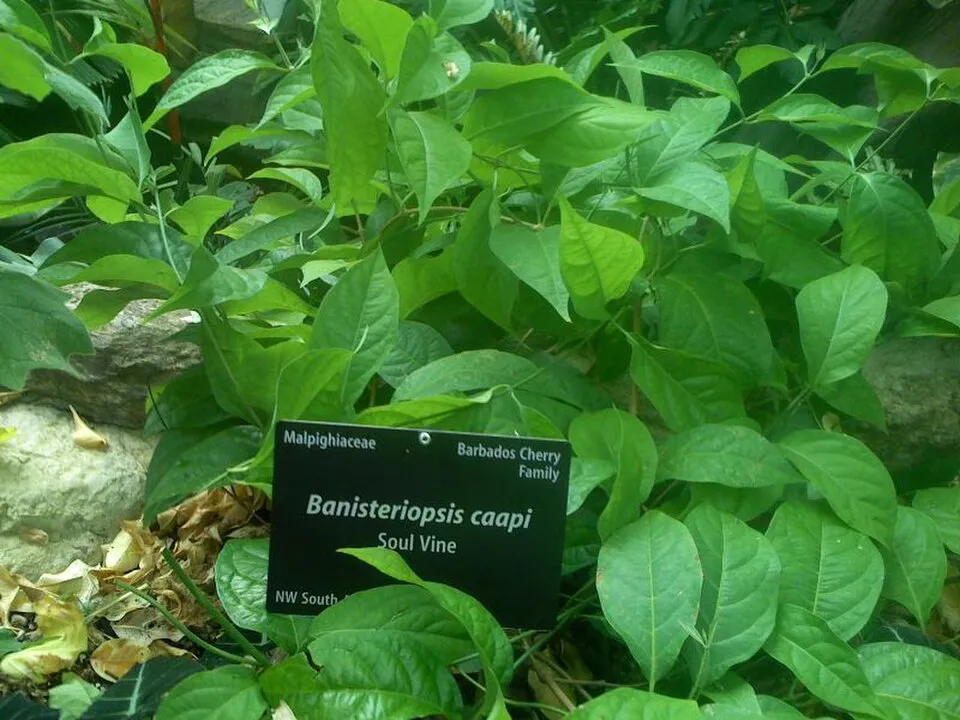
Banisteriopsis caapi, widely known as Ayahuasca Vine, is a robust, woody liana native to the Amazon rainforest, holding immense spiritual and medicinal significance for indigenous communities. This impressive member of the Malpighiaceae family derives its common name, Ayahuasca, from the Quechua language, meaning 'vine of the soul' or 'vine of the dead,' reflecting its profound role in traditional healing and spiritual journeys. Morphologically, the vine is characterized by thick, often gnarled stems that can reach substantial lengths, coiling upwards around towering host trees to capture sunlight within the dense canopy. These stems frequently exhibit an ancient, serpent-like appearance, a powerful metaphor in Amazonian cosmologies.
Its leaves are typically opposite, ranging from elliptic to ovate with entire margins, displaying a vibrant green hue. The flowers are small, delicate, and often pinkish-white, arranged in cymose inflorescences, each bearing five petals and ten stamens. Post-pollination, B. caapi produces distinctive samaroid fruits—winged nuts efficiently dispersed by wind.
Geographically, this species thrives in humid, tropical environments, often along riverbanks, distributed across Amazonian regions including Brazil, Peru, Ecuador, Colombia, Bolivia, and Venezuela. Taxonomically, it belongs to the genus Banisteriopsis, which encompasses numerous tropical vines and shrubs.
Trusted Scientific References
1. Authoritative external sources for Banisteriopsis caapi
1.1 Wikipedia — Banisteriopsis caapi
1.2 Kew POWO (Plants of the World Online)
1.3 PubMed — peer-reviewed research
1.4 NCBI Taxonomy Browser
1.5 GBIF — Global Biodiversity
1.6Ayahuasca Vine should be interpreted through verified botanical identity, practical care, and responsible safety language. This recovery note adds the missing context needed for a complete profile: match light to the plant's habit, use well-drained soil, water according to season, and avoid unsupported medicinal or edible claims. For publishing, the plant can be presented as a source-backed medicinal plant with clear care guidance, common problem diagnosis, and conservative safety wording.
1.1.Ayahuasca Vine — Defining Traits
- ✓Indigenous Amazonian Plant — Native to the Amazon rainforest, central to its biodiversity and cultural heritage.
- ✓Woody Liana — A robust climbing vine, reaching impressive lengths in the rainforest canopy.
- ✓Sacred Entheogen — Historically and culturally revered as a powerful spiritual and healing tool by numerous indigenous tribes.
- ✓Beta — Carboline Rich — Primary active compounds are harmine, harmaline, and tetrahydroharmine, acting as MAO-A inhibitors.
- ✓Neuroactive Properties — Exhibits neuroprotective, neurogenic, and antidepressant potential.
- ✓Anti — Inflammatory Action — Demonstrated anti-inflammatory effects, particularly in brain microglial cells.
- ✓Complex Traditional Preparation — Typically prepared as a decoction, often combined with other plants, in a ceremonial context.
- ✓'Vine of the Soul' — Its Quechua name reflects its profound connection to introspection and altered states of consciousness.
- ✓Therapeutic Research Interest — Subject of increasing scientific study for its potential in treating CNS and mental health conditions.
- ✓Strict Safety Considerations — Demands careful screening, supervised use, and awareness of significant drug interactions.
1.2.Ayahuasca Vine — In Brief
- ✓Sacred Amazonian liana, Banisteriopsis caapi, known as Ayahuasca Vine.
- ✓Rich in beta-carboline alkaloids like harmine, harmaline, and THH.
- ✓Traditionally used for spiritual healing and introspection by indigenous cultures.
- ✓Modern research explores its potential for CNS disorders, neuroprotection, and anti-inflammatory effects.
- ✓Requires careful preparation and strict safety protocols due to potent psychoactive properties.
- ✓Contraindicated with many medications and certain health conditions.
2.Ayahuasca Vine — Systematic Position
3.Ayahuasca Vine — Quick Facts
4.Ayahuasca Vine — Plant Morphology
5.Ayahuasca Vine — Where It Grows
6.Ayahuasca Vine — Historical Applications
7.Ayahuasca Vine — Active Compounds
- ✓Beta-Carboline Alkaloids — Key psychoactive and therapeutic compounds include harmine, harmaline, and tetrahydroharmine (THH), which are known for their reversible monoamine oxidase-A (MAO-A) inhibitory activity and neurogenic effects.
- ✓Harmine — This prominent beta-carboline alkaloid is largely responsible for B. caapi's MAO-A inhibition, contributing to its antidepressant and neuroprotective properties, though it can exhibit cytotoxicity at higher concentrations.
- ✓Harmaline — Another significant beta-carboline, harmaline, also acts as a reversible MAO-A inhibitor and has shown promising anti-inflammatory effects, particularly in microglial cells.
- ✓Tetrahydroharmine (THH) — Distinct from harmine and harmaline, THH functions as a weak serotonin reuptake inhibitor, contributing to mood modulation and potentially stimulating neurogenesis.
- ✓Harmol and Harmalol — These are derivatives of harmine and harmaline, respectively, also present in the vine and contributing to the overall alkaloid profile and biological activities.
- ✓Harmalinic Acid and Tetrahydronorharmine — Other minor beta-carboline derivatives that add to the complex phytochemistry of Banisteriopsis caapi.
- ✓Proanthocyanidins — Compounds such as epicatechin and procyanidin B2 are present, contributing to the plant's antioxidant and anti-inflammatory potential, though in smaller quantities compared to alkaloids.
8.Ayahuasca Vine — Modern Studies
- ✓Central Nervous System (CNS) Support — The compounds in Banisteriopsis caapi exhibit therapeutic potential for various CNS disorders, including depression, anxiety, and neurodegenerative conditions.
- ✓Antidepressant Effects — Studies suggest B. caapi and its constituents may help alleviate symptoms of depression and post-traumatic stress disorder (PTSD) by influencing neurochemical pathways.
- ✓Addiction Treatment Support — Emerging research indicates potential for aiding in the treatment of drug addiction, possibly by modulating neural reward systems and promoting introspection.
- ✓Neuroprotective Properties — Components like harmine and harmaline may offer protection against neurodegenerative diseases such as Parkinson's and Alzheimer's by inhibiting enzymes like DYRK1A.
- ✓Neurogenesis Stimulation — Beta-carboline alkaloids in the vine have been shown to stimulate adult neurogenesis in vitro, suggesting a role in brain repair and plasticity.
- ✓Anti-Inflammatory Action — Extracts and specific compounds from B. caapi, particularly harmaline and certain fractions, demonstrate anti-inflammatory effects in microglial cells, crucial for brain health.
- ✓Cognitive Enhancement — By potentially increasing brain-derived neurotrophic factor (BDNF) levels in the hippocampus, B. caapi may contribute to improved memory and learning.
- ✓Mood Regulation — The presence of beta-carbolines, known for their monoamine oxidase inhibitor (MAOI) activity, can influence neurotransmitter levels, contributing to mood stabilization.
- ✓Spiritual and Psychological Healing — Traditionally used as a sacred plant, it facilitates deep introspection, emotional processing, and spiritual insights, often leading to profound personal transformation.
- ✓Antioxidant Activity — Compounds like proanthocyanidins (epicatechin, procyanidin B2) contribute to the plant's overall antioxidant profile, protecting cells from oxidative stress.
8.1.Ayahuasca Vine — Indications & Uses
9.Ayahuasca Vine — Risk Profile
9.1.Ayahuasca Vine — Warnings
- ✓Nausea and Vomiting — Commonly experienced during traditional use, often considered a 'purging' aspect of the experience.
- ✓Diarrhea — Another frequent gastrointestinal side effect associated with consumption.
- ✓Psychological Distress — Can include anxiety, paranoia, fear, or disorientation, especially in unsupervised settings or with pre-existing conditions.
- ✓Cardiovascular Effects — May include temporary increases in heart rate and blood pressure due to MAO-A inhibition.
- ✓Cytotoxicity — High concentrations of isolated harmine have shown cytotoxicity in cell cultures, highlighting the importance of dosage and preparation.
- ✓Serotonin Syndrome Risk — Potentially severe reaction if combined with serotonergic medications due to MAO-A inhibition.
- ✓Visual Disturbances — Altered visual perception, vivid imagery, and hallucinations are characteristic effects.
9.2.Ayahuasca Vine — Clinical Safety Notes
- ✓Contraindicated with Medications — Absolutely avoid combining with SSRIs, MAOIs, tricyclic antidepressants, stimulants, and certain other psychoactive drugs due to severe interaction risks (e.g., serotonin syndrome).
- ✓Pre-existing Conditions — Individuals with heart conditions, hypertension, severe psychiatric disorders (schizophrenia, bipolar disorder), or neurological conditions should avoid use.
- ✓Pregnancy and Breastfeeding — Contraindicated for pregnant or breastfeeding individuals due to unknown effects on fetal or infant development.
- ✓Supervised Settings Essential — Due to its potent psychoactive effects and potential risks, use should only occur under the direct supervision of experienced facilitators or medical professionals.
- ✓Mental and Emotional Preparation — Requires significant mental and emotional preparation; individuals should be in a stable state of mind before considering use.
- ✓Legal Status — Legal status varies widely by country and region; users must be aware of and comply with local laws.
- ✓Dosage Sensitivity — Individual sensitivity to its compounds can vary greatly, necessitating careful and gradual dosing.
10.Ayahuasca Vine — Application Forms
- ✓Traditional Decoction (Ayahuasca Brew) — The most common method involves boiling the shredded or pounded Banisteriopsis caapi vine bark, often with leaves of Psychotria viridis (containing DMT), for many hours to create a potent psychoactive beverage.
- ✓Vine Bark Preparation — The woody stem bark is typically scraped, pounded, or shredded before being boiled, as this part contains the highest concentration of beta-carboline alkaloids.
- ✓Dosage Variation — Dosage is highly variable, depending on the plant material's potency, the duration of boiling, and the intended ceremonial or therapeutic outcome, always under expert guidance.
- ✓Standalone Infusion — In some traditional contexts, B. caapi vine can be prepared as a milder infusion or decoction without other admixtures for its MAO-inhibiting and neuroprotective properties.
- ✓Ceremonial Context — Usage is almost exclusively within a ceremonial, spiritual, or therapeutic context, guided by experienced shamans or facilitators.
- ✓Oral Administration — The prepared liquid is consumed orally, leading to its characteristic physiological and psychological effects.
- ✓Modern Research Extracts — For scientific studies, isolated compounds or standardized extracts are used in controlled laboratory settings to assess specific biological activities.
11.Ayahuasca Vine — Growth Requirements
- ✓Propagation — Can be propagated from seeds, though stem cuttings are more common and reliable for genetic consistency.
- ✓Climate Requirements — Thrives in humid, tropical environments with consistent warmth, mimicking its native Amazonian conditions.
- ✓Soil Preferences — Prefers rich, well-draining soil with a slightly acidic to neutral pH, high in organic matter.
- ✓Light Conditions — Young plants require partial shade, while mature vines need ample sunlight to flourish and produce robust growth.
- ✓Support Structure — As a liana, it requires a strong support system, such as a large tree, trellis, or pergola, for its climbing habit.
- ✓Watering Regime — Requires consistent moisture, especially during dry periods, but good drainage is essential to prevent root rot.
- ✓Nutrient Needs — Benefits from regular fertilization with organic matter or balanced fertilizers to support vigorous growth.
- ✓Pest and Disease Management — Generally robust, but monitor for common tropical pests and fungal issues in overly humid conditions.
Reviewed by the Flora Medical Global Botanical Review Panel
Multi-disciplinary editorial group · Botany · Ethnobotany · Herbal-medicine literature
Who reviewed this: This page was checked by the Flora Medical Global Botanical Review Panel — an in-house editorial group of botany graduates, ethnobotany researchers, and horticulture practitioners who collectively maintain our 7,000+ plant encyclopedia. Meet the team.
Our 4-step verification process
1. Taxonomic verification
Scientific names and synonyms cross-checked against Kew POWO, World Flora Online, and The Plant List.
2. Phytochemical & medicinal cross-reference
Active compounds, traditional uses, and reported activities are cross-referenced with PubMed, USDA Dr. Duke's database, and peer-reviewed ethnobotanical literature.
3. Conservation & distribution check
Distribution, ecology, and conservation status confirmed against GBIF occurrence records and the IUCN Red List.
4. Editorial & safety review
Every entry passes an editorial pass for clarity, originality, and safety notices (toxicity, contraindications, dosage caveats) before publication.
Last reviewed:
Important medical disclaimer: This content is for educational and research purposes only. It is not medical advice and is not a substitute for consultation with a licensed healthcare provider. Do not use any herb to self-treat a medical condition without professional guidance.
Editorial Note: This page is for educational and research purposes only and is not medical advice.
Written by: Flora Medical Global Editorial Team
Reviewed by: Flora Medical Global Botanical Review Panel
Last Updated: June 15, 2026




Ayahuasca Vine — Comments & Community Reviews
Rate this plant