
Medical Disclaimer: This content is for educational purposes only. It is not medical advice. Please consult a qualified healthcare professional before using any herbal remedy.
Safety Overview
1.Balloon Flower — Introduction & Highlights
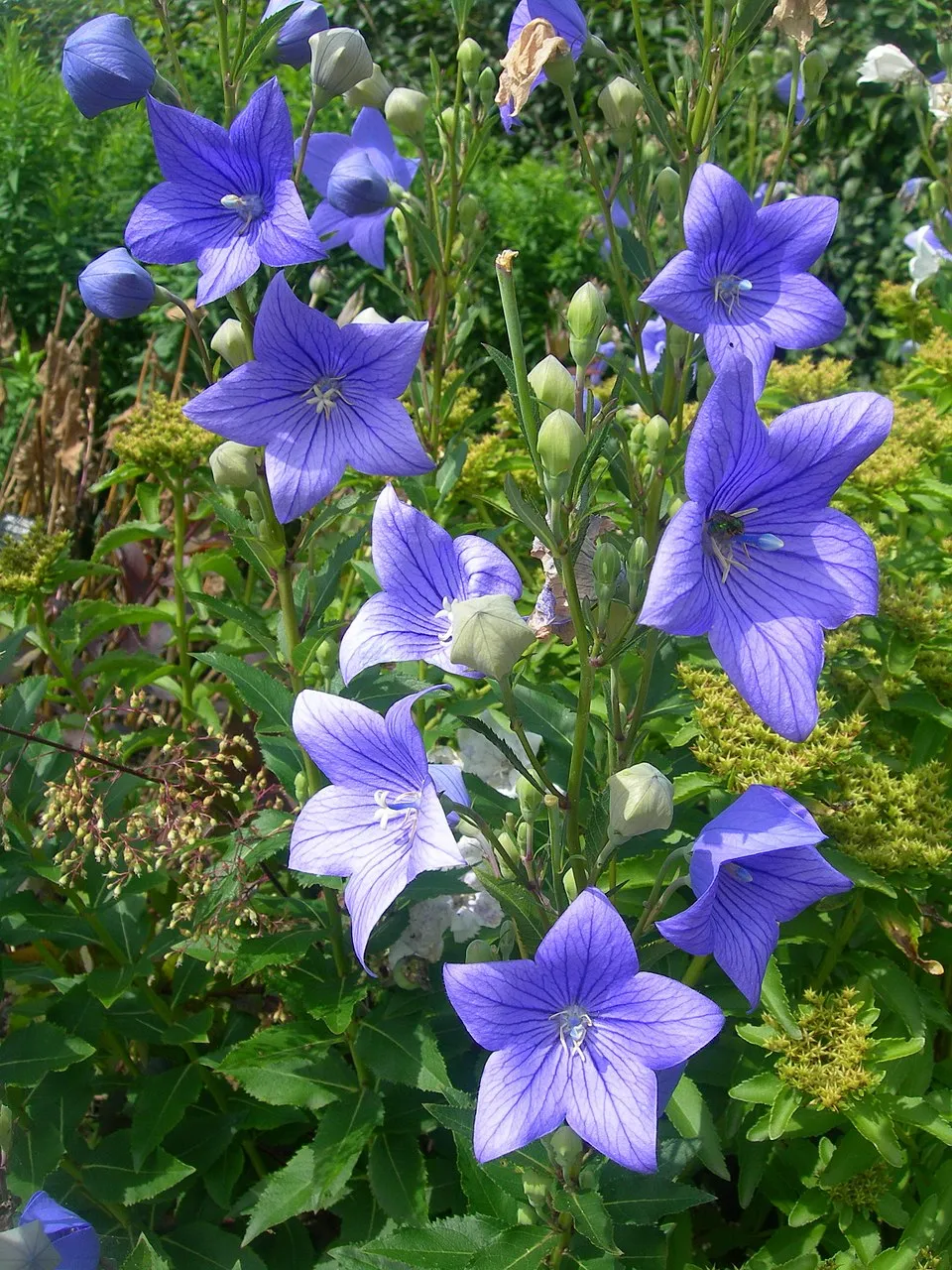
Platycodon grandiflorus, commonly known as Balloon Flower, Chinese Bellflower, or Jie Geng in Traditional Chinese Medicine (TCM), is a captivating perennial herbaceous plant indigenous to East Asia, thriving across China, Korea, Japan, and parts of Siberia. A distinguished member of the Campanulaceae family, its widely recognized common name, 'Balloon Flower,' beautifully captures the essence of its unique, inflated, balloon-like flower buds that elegantly unfurl into broad, campanulate, or bell-shaped, blossoms.
These visually striking flowers typically present in shades of vibrant blue-purple, pristine white, or soft pink, significantly enhancing the aesthetic appeal of gardens globally.
From a botanical perspective, Platycodon grandiflorus generally achieves a height of 40 to 80 centimeters, with some exceptionally vigorous specimens reaching up to 1 meter. Its foliage comprises ovate to lanceolate leaves, frequently exhibiting serrated margins, arranged either alternately or in whorls along the stem.
The plant's robust, often thickened taproot is the primary part valued for its medicinal properties and is also esteemed as an edible vegetable in various culinary traditions. This cylindrical or spindle-shaped taproot is typically harvested during autumn or early spring from plants that have undergone at least two years of maturation, ensuring an optimal concentration of its potent active compounds.
Historically, the medicinal application of P. grandiflorus is deeply interwoven into the ancient pharmacopeias of East Asia. Its earliest documented mention dates back to the revered Chinese text, 'Shennong Ben Cao Jing' (The Divine Farmer's Materia Medica), from the 1st century CE.
This foundational work underscored its principal utility in addressing respiratory conditions, particularly those characterized by persistent cough and excessive phlegm. Beyond its therapeutic applications, its cultural importance is further solidified by its status as a popular ornamental plant, cherished for its distinctive morphology and resilient blooms that adorn perennial borders and rock gardens.
Trusted Scientific References
1. Authoritative external sources for Platycodon grandiflorus (Jacq.) A.DC.
1.1 Wikipedia — Platycodon grandiflorus (Jacq.) A.DC.
1.2 Kew POWO (Plants of the World Online)
1.3 PubMed — peer-reviewed research
1.4 NCBI Taxonomy Browser
1.5 GBIF — Global Biodiversity
1.1.Balloon Flower — Standout Qualities
- ✓Distinctive Balloon — shaped Flower Buds — Uniquely identifiable by its puffy, closed flower buds that resemble balloons before opening.
- ✓Ornamental Value — Cultivated globally for its attractive blue-purple, white, or pink bell-shaped flowers.
- ✓Edible Taproot — The thick, fleshy root is a culinary ingredient in East Asian cuisines, particularly Korean.
- ✓Expectorant Action — Highly regarded in TCM for its ability to clear phlegm and alleviate coughs.
- ✓Anti — inflammatory Properties — Contains potent triterpenoid saponins, notably platycodin, with significant anti-inflammatory effects.
- ✓Antioxidant Rich — Abundant in flavonoids and phenolic acids that provide robust antioxidant protection.
- ✓Hypoglycemic and Hypolipidemic Potential — Research indicates its role in managing blood sugar and cholesterol levels.
- ✓Native to East Asia — Naturally distributed across China, Korea, Japan, and Siberia, reflecting its cultural significance.
- ✓Perennial Herbaceous Plant — A resilient plant that returns year after year, forming clumps.
- ✓Adaptable Growth — Relatively easy to cultivate in various temperate climates.
1.2.Balloon Flower — Concise Overview
- ✓Traditional East Asian medicinal herb and edible vegetable.
- ✓Known for its distinctive balloon-like flower buds.
- ✓Root is rich in platycodin saponins, flavonoids, and phenolic acids.
- ✓Valued for expectorant, anti-inflammatory, and antioxidant properties.
- ✓Used to support respiratory health, immune function, and metabolic balance.
- ✓Requires caution for individuals with diabetes, bleeding disorders, or during pregnancy.
2.Balloon Flower — Scientific Profile
3.Balloon Flower — Botanical Stats
4.Balloon Flower — Plant Morphology
5.Balloon Flower — Geographic Distribution
6.Balloon Flower — Ethnobotanical Uses
7.Balloon Flower — Active Compounds
- ✓Triterpenoid Saponins — Key compounds include platycodin D, platycodin D2, platycodin D3, and platycogenic acid A. These are primarily responsible for the expectorant, anti-inflammatory, and cholesterol-lowering activities of Platycodon grandiflorus.
- ✓Flavonoids — Quercetin, kaempferol, and their glycosides are present, contributing to the plant's antioxidant and anti-inflammatory properties.
- ✓Phenolic Acids — Caffeic acid and ferulic acid derivatives are found, offering significant antioxidant and free-radical scavenging capabilities.
- ✓Polysaccharides — These complex carbohydrates contribute to the immunomodulatory effects and may also play a role in hypoglycemic activity.
- ✓Fatty Acids — The root contains a high proportion of essential fatty acids, notably linoleic acid (up to 63.24%), which is crucial for cellular health and membrane integrity.
- ✓Amino Acids — A wide array of amino acids, including several essential amino acids, supports the plant's nutritional value and overall health benefits.
- ✓Sterols — Compounds like beta-sitosterol are present, which can contribute to cholesterol-lowering effects.
- ✓Vitamins — Contains various vitamins that support general metabolic functions and act as cofactors in numerous biochemical processes.
- ✓Minerals and Trace Elements — Essential elements such as calcium, zinc, potassium, and iron are present, vital for human nutrition and physiological functions.
8.Balloon Flower — Modern Studies
- ✓Expectorant and Antitussive — Balloon Flower root is traditionally used to loosen phlegm in the respiratory tract, making it easier to expel, and to soothe coughs by reducing irritation.
- ✓Anti-inflammatory Action — Platycodin saponins exhibit significant anti-inflammatory effects by modulating immune responses and inhibiting inflammatory mediators.
- ✓Antioxidant Properties — Rich in phenolic compounds and flavonoids, Platycodon grandiflorus helps combat oxidative stress by neutralizing free radicals, protecting cellular integrity.
- ✓Immunomodulatory Effects — Compounds in Balloon Flower can enhance or regulate immune function, potentially boosting the body's natural defenses against pathogens.
- ✓Hypoglycemic Activity — Research suggests that extracts may help lower blood glucose levels, making it of interest for managing metabolic conditions.
- ✓Hypolipidemic Effects — Saponins contribute to reducing serum cholesterol and triglyceride levels, potentially aiding in the prevention of atherosclerosis.
- ✓Hepatoprotective Benefits — Certain constituents have shown protective effects on liver cells, supporting liver health and detoxification processes.
- ✓Anti-allergic Potential — By modulating histamine release and other allergic mediators, Platycodon grandiflorus may help alleviate symptoms of allergic reactions.
- ✓Neuroprotective Effects — Preliminary studies indicate potential for protecting neural cells from damage, offering prospects in neurological health.
- ✓Gastroprotective Qualities — Some compounds may help protect the gastric mucosa and support digestive health.
8.1.Balloon Flower — Health Applications
9.Balloon Flower — Risk Profile
9.1.Balloon Flower — Possible Adverse Reactions
- ✓Gastrointestinal Upset — May cause mild stomach discomfort, nausea, or diarrhea in some individuals, especially with high doses.
- ✓Allergic Reactions — Rare instances of allergic reactions, including skin rash or itching, have been reported.
- ✓Blood Sugar Alterations — Due to its potential hypoglycemic effects, individuals with diabetes should monitor blood sugar levels closely.
- ✓Blood Pressure Changes — Can potentially lower blood pressure, requiring caution for those on hypotensive medications.
- ✓Drug Interactions — May interact with anticoagulant or antiplatelet drugs, increasing the risk of bleeding, and with diabetes medications.
- ✓Pregnancy and Lactation — Lack of sufficient safety data advises against its use during pregnancy and breastfeeding.
- ✓Surgical Risk — Discontinue use at least two weeks before scheduled surgery due to potential effects on blood clotting and blood sugar.
9.2.Balloon Flower — Safety Profile
- ✓Consult Healthcare Provider — Always consult a qualified healthcare professional before using Platycodon grandiflorus, especially if you have existing health conditions or are on medication.
- ✓Dosage Adherence — Adhere strictly to recommended dosages; excessive intake may increase the risk of side effects.
- ✓Pregnancy and Breastfeeding — Avoid use during pregnancy and lactation due to insufficient safety research.
- ✓Diabetes Monitoring — Individuals with diabetes should use with caution and monitor blood glucose levels due to potential hypoglycemic effects.
- ✓Bleeding Disorders — Exercise caution if you have bleeding disorders or are taking blood-thinning medications, as it may affect coagulation.
- ✓Allergy History — Avoid if you have known allergies to plants in the Campanulaceae family.
- ✓Pediatric Use — Not recommended for infants or young children without medical supervision.
10.Balloon Flower — Application Forms
- ✓Decoction for Respiratory Support — The dried root of Balloon Flower is commonly prepared as a decoction by simmering in water to extract its active compounds, traditionally used for coughs and phlegm.
- ✓Culinary Ingredient — Young leaves and roots are consumed as a vegetable in Korean cuisine (Doraji namul), often blanched, seasoned, and served as a side dish or in salads.
- ✓Tinctures and Extracts — Alcohol-based tinctures or standardized extracts are available for a more concentrated form, often used in herbal formulations.
- ✓Teas and Infusions — Sliced or granulated dried root can be steeped in hot water to make a medicinal tea for general wellness.
- ✓Traditional Chinese Medicine (TCM) Formulas — Jie Geng is a key herb in many TCM prescriptions, often combined with other herbs like Glycyrrhiza glabra (licorice root) for synergistic effects.
- ✓Preserved Foods — In East Asia, the root is processed into pickles, preserved fruits, and salted vegetables, extending its shelf life and culinary versatility.
- ✓Health Drinks and Supplements — Modern applications include its incorporation into health beverages, functional foods, and dietary supplements targeting respiratory or immune health.
11.Balloon Flower — Propagation & Care
- ✓Soil Preparation — Thrives in well-drained, fertile soil with a slightly acidic to neutral pH (6.0-7.0); amend heavy clay soils with organic matter to improve drainage.
- ✓Sunlight Requirements — Prefers full sun to partial shade; in hotter climates, afternoon shade can prevent scorching and prolong bloom.
- ✓Propagation — Can be propagated from seeds or by root division; seeds require a cold stratification period for optimal germination.
- ✓Planting Depth and Spacing — Plant seeds about 0.5 cm deep or transplant seedlings with roots fully covered, spacing plants 30-45 cm apart.
- ✓Watering — Requires consistent moisture, especially during dry spells and establishment; avoid waterlogging, which can lead to root rot.
- ✓Fertilization — Benefits from a balanced, slow-release fertilizer in spring or a light feeding with compost tea during the growing season.
- ✓Pest and Disease Management — Generally resistant, but watch for slugs and snails on young foliage; ensure good air circulation to prevent fungal issues.
- ✓Harvesting — Roots are typically harvested in autumn or early spring from plants that are at least two to three years old for maximum potency.
Reviewed by the Flora Medical Global Botanical Review Panel
Multi-disciplinary editorial group · Botany · Ethnobotany · Herbal-medicine literature
Who reviewed this: This page was checked by the Flora Medical Global Botanical Review Panel — an in-house editorial group of botany graduates, ethnobotany researchers, and horticulture practitioners who collectively maintain our 7,000+ plant encyclopedia. Meet the team.
Our 4-step verification process
1. Taxonomic verification
Scientific names and synonyms cross-checked against Kew POWO, World Flora Online, and The Plant List.
2. Phytochemical & medicinal cross-reference
Active compounds, traditional uses, and reported activities are cross-referenced with PubMed, USDA Dr. Duke's database, and peer-reviewed ethnobotanical literature.
3. Conservation & distribution check
Distribution, ecology, and conservation status confirmed against GBIF occurrence records and the IUCN Red List.
4. Editorial & safety review
Every entry passes an editorial pass for clarity, originality, and safety notices (toxicity, contraindications, dosage caveats) before publication.
Last reviewed:
Important medical disclaimer: This content is for educational and research purposes only. It is not medical advice and is not a substitute for consultation with a licensed healthcare provider. Do not use any herb to self-treat a medical condition without professional guidance.
Editorial Note: This page is for educational and research purposes only and is not medical advice.
Written by: Flora Medical Global Editorial Team
Reviewed by: Flora Medical Global Botanical Review Panel
Last Updated: June 15, 2026





Balloon Flower — Comments & Community Reviews
Rate this plant