


Medical Disclaimer: This content is for educational purposes only. It is not medical advice. Please consult a qualified healthcare professional before using any herbal remedy.
Safety Overview
1.Bamboo Clumping — Plant Snapshot
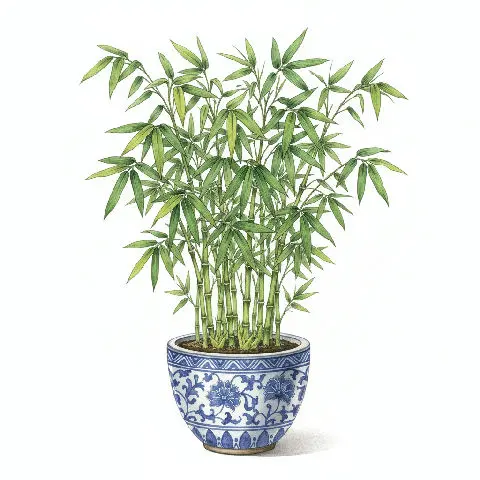
Bambusa multiplex, commonly recognized as Clumping Bamboo, Hedge Bamboo, or Chinese Dwarf Bamboo, is an indispensable woody perennial evergreen belonging to the Poaceae family. This species is indigenous to regions spanning the Eastern Himalayas to Southern China and Taiwan, thriving in diverse natural settings including fields, low hills, mountainsides, and riverbanks. Distinct from its aggressively spreading 'running' bamboo relatives, B. multiplex exhibits a desirable sympodial (clumping) rhizome system, forming dense, compact culm clusters that do not colonize widely. This characteristic makes it exceptionally suitable for controlled landscaping, privacy screens, and ornamental hedges, particularly in urban environments or smaller gardens where space management is crucial.
The slender, arching culms typically reach heights of up to 25 feet with diameters around 1.6 inches, displaying a vibrant green to yellowish-green hue, often adorned with distinctive silver-white banding at the nodes when young. Its delicate, medium to dark green oval leaves contribute to its graceful, textural presence. Historically, across Asia, various parts of this bamboo, including its leaves and young shoots, have been utilized not only for construction and crafts but also within traditional medicinal practices. The botanical epithet 'multiplex' aptly describes its multi-stemmed growth habit, forming numerous culms from a single root system. While specific ethnobotanical records directly linking B.
multiplex to traditional medicine may be less exhaustive than for larger timber bamboos, the genus Bambusa, in general, is highly valued for its phytochemistry. Modern research is increasingly exploring the rich profile of flavonoids, phenolic acids, and particularly the high silica content found in bamboo species, including those related to or morphologically similar to B. multiplex, underscoring its potential health benefits.
Trusted Scientific References
1. Authoritative external sources for Bambusa multiplex
1.1 Wikipedia — Bambusa multiplex
1.2 Kew POWO (Plants of the World Online)
1.3 PubMed — peer-reviewed research
1.4 NCBI Taxonomy Browser
1.5 GBIF — Global Biodiversity
1.1.Bamboo Clumping — Standout Qualities
- ✓Clumping Growth Habit — Non-invasive rhizome system forms dense, contained clumps.
- ✓Evergreen Perennial — Provides year-round foliage and structure.
- ✓Fast — Growing — Quickly establishes as a hedge or screen.
- ✓Ornamental Appeal — Graceful, arching culms and delicate foliage enhance landscape aesthetics.
- ✓High Silica Content — Valued for potential benefits to bone, skin, and connective tissue.
- ✓Antioxidant Rich — Contains flavonoids and phenolic acids that combat oxidative stress.
- ✓Traditional Medicinal Use — Employed in Asian herbalism for various conditions, including inflammation and fever.
- ✓Versatile Landscaping Plant — Excellent for privacy screens, hedges, or accent planting.
- ✓Moderate Size — Reaches up to 25 feet tall with slender culms.
- ✓Drought Tolerant Once Established — Though prefers moist conditions, it shows resilience.
1.2.Bamboo Clumping — Quick Summary
- ✓Bambusa multiplex is a non-invasive, clumping bamboo native to Asia, prized for its ornamental and traditional medicinal uses.
- ✓Rich in silica, flavonoids, and phenolic acids, offering benefits for bone, skin, and connective tissue health, as well as antioxidant and anti-inflammatory support.
- ✓Traditionally used in TCM for cooling properties, fever reduction, and respiratory issues.
- ✓Requires moist, fertile soil and full sun; easy to cultivate as a privacy screen or hedge.
- ✓Available as traditional decoctions, modern extracts, and silica supplements.
- ✓General safety precautions apply, including proper preparation of shoots and consultation for specific health conditions.
2.Bamboo Clumping — Taxonomic Classification
3.Bamboo Clumping — Reference Facts
4.Bamboo Clumping — Morphological Account
5.Bamboo Clumping — Habitat & Distribution
6.Bamboo Clumping — Cultural & Traditional Roles
7.Bamboo Clumping — Bioactive Constituents
- ✓Flavonoids — Key compounds include orientin, vitexin, isoorientin, and isovitexin, recognized for their potent antioxidant and anti-inflammatory activities.
- ✓Phenolic Acids — Gallic acid, ferulic acid, caffeic acid, and p-coumaric acid are present, contributing to the plant's antioxidant and antimicrobial properties.
- ✓Silica (Silicon Dioxide) — A significant constituent, particularly in the culms and leaves, vital for bone health, collagen synthesis, and connective tissue integrity.
- ✓Lignans — These plant compounds possess antioxidant and estrogenic properties, contributing to various physiological effects.
- ✓Triterpenoids — Including compounds like bambusol, known for potential anti-inflammatory and hepatoprotective actions.
- ✓Polysaccharides — Complex carbohydrates that can offer immunomodulatory and prebiotic benefits.
- ✓Amino Acids — Essential and non-essential amino acids are present, supporting protein synthesis and overall metabolic functions.
- ✓Minerals — Contains essential minerals such as potassium, calcium, magnesium, iron, and zinc, crucial for numerous bodily processes.
- ✓Vitamins — Low concentrations of B vitamins and vitamin E may be found, supporting energy metabolism and antioxidant defense.
- ✓Chlorophyll — The green pigment in leaves, known for its antioxidant and detoxifying properties.
8.Bamboo Clumping — Research Insights
- ✓Antioxidant Support — Bambusa multiplex contains flavonoids and phenolic acids that help neutralize free radicals, reducing oxidative stress and cellular damage in the body, which contributes to overall health and disease prevention.
- ✓Anti-inflammatory Properties — Compounds like triterpenoids and lignans found in bamboo may modulate inflammatory pathways, offering relief from chronic inflammatory conditions and supporting joint health.
- ✓Bone and Connective Tissue Health — Rich in organic silica (silicon dioxide), bamboo is often promoted for its role in collagen formation, which is crucial for maintaining the strength and elasticity of bones, cartilage, skin, hair, and nails.
- ✓Skin and Hair Vitality — The high silica content in Clumping Bamboo is believed to support the structural integrity and regeneration of skin cells and hair follicles, promoting a healthy complexion and lustrous hair.
- ✓Detoxification Aid — Traditionally, bamboo has been used to support the body's natural detoxification processes, potentially by promoting healthy digestion and elimination of waste products.
- ✓Digestive Comfort — Certain bamboo components may have a mild demulcent effect, soothing the digestive tract and potentially alleviating minor gastrointestinal discomforts.
- ✓Fever Reduction (Traditional Use) — In some traditional systems like TCM, bamboo preparations are considered 'cooling' and have been historically employed to reduce fever and alleviate heat-related symptoms.
- ✓Respiratory Support — Traditional Chinese Medicine suggests that bamboo extracts can help clear phlegm and ease coughs, supporting respiratory function, particularly in conditions involving excess heat.
- ✓Cardiovascular Health — The presence of antioxidants and potential anti-inflammatory agents may contribute to protecting vascular health and supporting healthy blood circulation.
- ✓Stress and Anxiety Reduction — Some traditional uses suggest a calming effect, potentially due to certain compounds that may influence neurotransmitter activity, contributing to a sense of well-being.
8.1.Bamboo Clumping — Conditions Traditionally Used For
9.Bamboo Clumping — Risk Profile
9.1.Bamboo Clumping — Possible Adverse Reactions
- ✓Allergic Reactions — Individuals sensitive to grasses or other plants in the Poaceae family may experience allergic skin reactions or respiratory symptoms.
- ✓Digestive Upset — Consumption of large quantities of bamboo, especially improperly prepared shoots, may lead to mild gastrointestinal discomfort such as bloating or diarrhea.
- ✓Phytate Content — Raw bamboo shoots contain cyanogenic glycosides which must be properly cooked to render them safe for consumption; improper preparation can lead to toxicity.
- ✓Drug Interactions — Potential exists for interactions with medications, especially those affecting blood clotting or blood sugar, due to its varied phytochemical profile.
- ✓Hypoglycemic Effects — Some compounds in bamboo might have a mild blood sugar-lowering effect, warranting caution for individuals on anti-diabetic medications.
- ✓Kidney Stone Risk — High silica intake over prolonged periods in susceptible individuals theoretically could contribute to kidney stone formation, though evidence is limited for dietary sources.
- ✓Laxative Effect — High fiber content, if consumed excessively, could lead to a mild laxative effect.
9.2.Bamboo Clumping — Toxicity Assessment
- ✓Pregnancy and Lactation — Insufficient research exists on the safety of Bambusa multiplex extracts during pregnancy and breastfeeding; caution is advised.
- ✓Children — Use in children should be approached with caution and under professional guidance due to limited safety data.
- ✓Pre-existing Conditions — Individuals with chronic health conditions, particularly kidney disease or diabetes, should consult a healthcare provider before use.
- ✓Medication Interactions — Consult a physician or herbalist if taking prescription medications, especially anticoagulants, anti-diabetics, or diuretics.
- ✓Allergic Sensitivity — Individuals with known allergies to grasses or other plant materials should exercise caution and perform a patch test if using topically.
- ✓Proper Preparation — If consuming bamboo shoots, ensure they are thoroughly cooked to remove naturally occurring cyanogenic glycosides and reduce phytate content.
- ✓Dosage Adherence — Always follow recommended dosages for supplements or traditional preparations to avoid potential adverse effects and ensure safety.
10.Bamboo Clumping — Application Forms
- ✓Traditional Decoction — Dried leaves or culm shavings are boiled in water to create a medicinal tea, typically consumed for cooling or anti-inflammatory effects.
- ✓Bamboo Succus (Juice) — Freshly expressed juice from young culms or shoots is used in some traditional practices for its purported detoxifying properties.
- ✓Tabashir (Banslochan) — The siliceous exudate found in the nodes of some bamboo species (including related ones) is powdered and used as a source of silica in supplements.
- ✓Herbal Extracts — Modern preparations include concentrated liquid extracts or tinctures made from leaves, capturing the soluble active compounds for easier dosage.
- ✓Topical Applications — Crushed leaves or poultices might be applied externally for skin conditions or minor inflammation, based on traditional practices.
- ✓Dietary Supplementation — Standardized extracts, particularly rich in silica or flavonoids, are encapsulated and marketed for bone, skin, and hair health.
- ✓Culinary Use (Young Shoots) — While primarily ornamental, young shoots of some Bambusa species are edible, though specific preparation for B. multiplex shoots should be verified for edibility and safety.
- ✓Infused Oils — Leaves can be infused into carrier oils for topical use in massage or skincare, leveraging their potential anti-inflammatory and antioxidant benefits.
11.Bamboo Clumping — Propagation & Care
- ✓Site Selection — Prefers full sun to dappled sun exposure for optimal growth, though it can tolerate partial shade.
- ✓Soil Requirements — Thrives in moist, fertile, well-draining soil, ideally enriched with ample organic matter or compost.
- ✓Watering Regimen — Requires consistent watering, especially during its initial growing season, to establish a robust root system.
- ✓Climate and Temperature — Best suited for areas where temperatures do not consistently drop below 15°F (-9°C); it enjoys humid conditions.
- ✓Pruning and Maintenance — Prune in early spring to remove dead or damaged culms, improve air circulation, and stimulate new, vigorous growth.
- ✓Propagation Techniques — Can be propagated effectively by seed, though division of established clumps is a more common and reliable method.
- ✓Non-Invasive Growth — Its clumping rhizome system ensures it remains contained, making it an excellent choice for hedges and screens without aggressive spread.
- ✓Pest and Disease Management — Monitor for common bamboo pests like aphids, scale, spider mites, and mealybugs; potential diseases include sooty mold and culm rot.
Reviewed by the Flora Medical Global Botanical Review Panel
Multi-disciplinary editorial group · Botany · Ethnobotany · Herbal-medicine literature
Who reviewed this: This page was checked by the Flora Medical Global Botanical Review Panel — an in-house editorial group of botany graduates, ethnobotany researchers, and horticulture practitioners who collectively maintain our 7,000+ plant encyclopedia. Meet the team.
Our 4-step verification process
1. Taxonomic verification
Scientific names and synonyms cross-checked against Kew POWO, World Flora Online, and The Plant List.
2. Phytochemical & medicinal cross-reference
Active compounds, traditional uses, and reported activities are cross-referenced with PubMed, USDA Dr. Duke's database, and peer-reviewed ethnobotanical literature.
3. Conservation & distribution check
Distribution, ecology, and conservation status confirmed against GBIF occurrence records and the IUCN Red List.
4. Editorial & safety review
Every entry passes an editorial pass for clarity, originality, and safety notices (toxicity, contraindications, dosage caveats) before publication.
Last reviewed:
Important medical disclaimer: This content is for educational and research purposes only. It is not medical advice and is not a substitute for consultation with a licensed healthcare provider. Do not use any herb to self-treat a medical condition without professional guidance.
Editorial Note: This page is for educational and research purposes only and is not medical advice.
Written by: Flora Medical Global Editorial Team
Reviewed by: Flora Medical Global Botanical Review Panel
Last Updated: June 15, 2026





Bamboo Clumping — Comments & Community Reviews
Rate this plant