


Medical Disclaimer: This content is for educational purposes only. It is not medical advice. Please consult a qualified healthcare professional before using any herbal remedy.
Safety Overview
1.Basil Sweet — Plant Snapshot
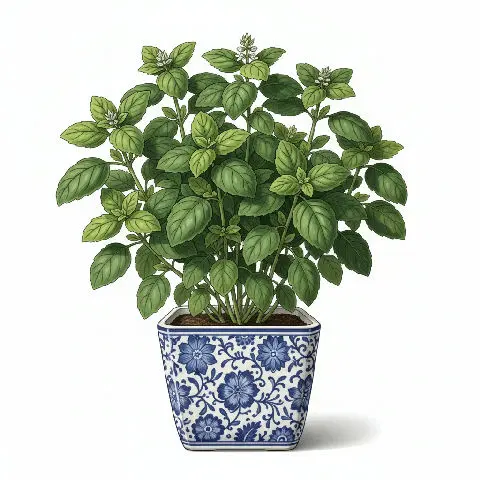
Ocimum basilicum, universally recognized as Sweet Basil, is a cherished aromatic annual herb indigenous to the Lamiaceae, or mint, family. Its native range spans the tropical belts from Central Africa all the way to Southeast Asia, with its historical cultivation tracing back over five millennia, firmly rooted in ancient India.
The very name 'basil' is thought to originate from the Greek 'basileus,' signifying 'king,' a fitting tribute to its noble fragrance and its esteemed role in royal medicinal preparations and luxurious perfumes throughout history.
This vibrant plant typically presents as a bushy specimen, commonly attaining heights of 30 to 60 centimeters. It is easily identified by its lush, bright green leaves, which are characteristically ovate to broadly ovate in shape, often displaying smooth or subtly toothed margins. These leaves are the source of its signature sweet, slightly peppery, and intensely fragrant aroma.
Sweet Basil produces small, delicate, bilabiate flowers, ranging in color from pristine white to soft pale pink, which are elegantly arranged in terminal spikes atop the plant's stems. Its adaptability has led to widespread cultivation globally, making it a staple in diverse culinary traditions and a significant herb in various traditional healing systems.
Trusted Scientific References
1. Authoritative external sources for Ocimum basilicum
1.1 Wikipedia — Ocimum basilicum
1.2 Kew POWO (Plants of the World Online)
1.3 PubMed — peer-reviewed research
1.4 NCBI Taxonomy Browser
1.5 GBIF — Global Biodiversity
1.6Basil Sweet should be interpreted through verified botanical identity, practical care, and responsible safety language. This recovery note adds the missing context needed for a complete profile: match light to the plant's habit, use well-drained soil, water according to season, and avoid unsupported medicinal or edible claims. For publishing, the plant can be presented as a source-backed garden plant with clear care guidance, common problem diagnosis, and conservative safety wording.
1.1.Basil Sweet — Standout Qualities
- ✓Distinctive Sweet — Peppery Aroma — Renowned for its unique, rich, and inviting fragrance.
- ✓Member of Lamiaceae Family — Shares characteristics with other mints, including square stems and opposite leaves.
- ✓Rich Phytochemical Profile — Contains a diverse array of essential oils, flavonoids, and phenolic acids.
- ✓Extensive Traditional Medicine History — Utilized for millennia in Ayurveda, Unani, and TCM.
- ✓Versatile Culinary Herb — A staple in Mediterranean, Asian, and other global cuisines.
- ✓Potent Anti — inflammatory Properties — Helps alleviate pain and swelling through natural compounds.
- ✓Significant Antimicrobial Activity — Effective against various bacteria, fungi, and some viruses.
- ✓Powerful Antioxidant Source — Protects cells from damage caused by free radicals.
- ✓Adaptogenic Potential — Supports the body's ability to cope with stress and maintain balance.
- ✓Easy to Cultivate Annual Herb — Popular among home gardeners for its straightforward growing requirements.
1.2.Basil Sweet — Snapshot Summary
- ✓Sweet Basil (Ocimum basilicum) is a versatile aromatic herb from the mint family.
- ✓Historically valued in traditional medicine for its adaptogenic, anti-inflammatory, and antimicrobial properties.
- ✓Modern research supports its antioxidant, antiviral, and neuroprotective benefits, driven by compounds like eugenol and linalool.
- ✓Widely used in culinary applications and as a source of essential oil for aromatherapy and topical use.
- ✓Requires careful consideration regarding dosage and potential interactions, especially in concentrated forms or for specific health conditions.
- ✓A potent natural resource for both flavor enhancement and holistic well-being.
2.Basil Sweet — Systematic Position
3.Basil Sweet — Quick Facts
4.Basil Sweet — Structural Profile
5.Basil Sweet — Where It Grows
6.Basil Sweet — Ethnobotanical Uses
7.Basil Sweet — Secondary Metabolites
- ✓Phenylpropanoids — Key compounds include Eugenol (C10H12O2), Methyl Chavicol (Estragole, C10H12O), and Methyl Cinnamate. These contribute significantly to the herb's distinct aroma, flavor, and pharmacological effects, notably anti-inflammatory and antioxidant activities.
- ✓Monoterpenes — Linalool (C10H18O) is a prominent monoterpene alcohol known for its sedative, anxiolytic, and antimicrobial properties. Other monoterpenes like Limonene (C10H16) and 1,8-Cineole (Eucalyptol, C10H18O) also contribute to its scent and therapeutic actions.
- ✓Flavonoids — Compounds such as Apigenin, Luteolin, and Quercetin are present, offering potent antioxidant, anti-inflammatory, and anticarcinogenic effects, protecting cells from oxidative damage.
- ✓Phenolic Acids — Rosmarinic acid and Caffeic acid are notable phenolic compounds that contribute to the plant's strong antioxidant and anti-inflammatory capabilities, particularly beneficial for cellular protection.
- ✓Sesquiterpenes — Beta-caryophyllene is one such compound found in Sweet Basil, contributing to its aroma and exhibiting anti-inflammatory and analgesic properties.
- ✓Tannins — These astringent compounds contribute to the plant's antimicrobial and antioxidant activity, and may support digestive health by toning mucous membranes.
- ✓Saponins — Natural detergents found in the plant, saponins may contribute to its adaptogenic and immunomodulatory effects, though in minor concentrations.
- ✓Vitamins and Minerals — Contains essential vitamins like Vitamin K, Vitamin A, and Vitamin C, along with minerals such as iron, calcium, and manganese, supporting general nutritional health.
8.Basil Sweet — Modern Studies
- ✓Adaptogenic Properties — Sweet Basil helps the body adapt to stress, promoting overall balance and resilience against various physical and mental stressors.
- ✓Anti-inflammatory Action — Rich in compounds like eugenol, it significantly reduces inflammation by modulating key inflammatory pathways, easing discomfort from conditions like arthritis.
- ✓Antimicrobial Effects — Its essential oils exhibit potent antibacterial and antifungal activities against a wide spectrum of pathogens, aiding in preventing and treating infections.
- ✓Antioxidant Support — Packed with flavonoids and phenolic compounds, Sweet Basil combats oxidative stress by neutralizing free radicals, protecting cells from damage and supporting cellular health.
- ✓Digestive Aid — Traditionally used as a carminative, it helps alleviate indigestion, bloating, and gas by promoting healthy digestion and soothing the gastrointestinal tract.
- ✓Respiratory Health — It acts as an expectorant, helping to clear congestion and soothe coughs, making it beneficial for respiratory conditions like colds and flu.
- ✓Antiviral Activity — Research indicates its efficacy against certain DNA and RNA viruses, suggesting a role in supporting the immune system during viral infections.
- ✓Neuroprotective Qualities — Constituents in Sweet Basil may help protect brain cells from damage and support cognitive function, contributing to neurological well-being.
- ✓Blood Sugar Regulation — Some studies suggest its potential in managing blood glucose levels, offering benefits for individuals with or at risk of type 2 diabetes.
- ✓Pain Relief — Its analgesic properties, partly due to eugenol, can help alleviate various types of pain, including headaches and muscular discomfort.
8.1.Basil Sweet — Conditions Traditionally Used For
9.Basil Sweet — Risk Profile
9.1.Basil Sweet — Side Effects & Warnings
- ✓Allergic Reactions — Individuals sensitive to the Lamiaceae family may experience skin irritation, rash, or respiratory symptoms upon contact or ingestion.
- ✓Blood Thinning — Due to its eugenol content, Sweet Basil may have anticoagulant effects, increasing the risk of bleeding, especially when combined with blood-thinning medications.
- ✓Hypoglycemic Effects — May lower blood sugar levels, requiring caution for individuals with diabetes or those on hypoglycemic medications.
- ✓Estragole Concerns — High doses of certain basil chemotypes rich in estragole may raise concerns about potential liver toxicity or carcinogenicity, especially with prolonged, concentrated use.
- ✓Uterine Stimulation — Concentrated forms, particularly essential oil, may stimulate uterine contractions, posing a risk during pregnancy.
- ✓Gastric Upset — Excessive consumption, especially of essential oil, can lead to nausea, vomiting, or stomach discomfort in sensitive individuals.
- ✓Drug Interactions — Can interact with sedatives, blood thinners, antidiabetic drugs, and other medications, altering their effects.
9.2.Basil Sweet — Clinical Safety Notes
- ✓Culinary Use Safety — Sweet Basil is generally recognized as safe (GRAS) for culinary purposes when consumed in typical food amounts.
- ✓Essential Oil Dilution — Basil essential oil must always be properly diluted with a carrier oil before topical application to prevent skin irritation.
- ✓Pregnancy and Lactation — Pregnant or breastfeeding individuals should exercise caution and consult a healthcare professional before using concentrated forms of basil, including essential oil.
- ✓Pre-Surgical Discontinuation — Discontinue use of high-dose basil supplements at least two weeks before any scheduled surgery due to potential blood-thinning effects.
- ✓Diabetes Management — Individuals with diabetes should monitor blood glucose closely if using basil therapeutically, as it may affect blood sugar levels.
- ✓Children and Sensitive Individuals — Use with caution in young children or those with known allergies to mint family plants.
- ✓Liver Health Monitoring — For long-term or high-dose use of estragole-rich basil varieties, monitoring liver function may be advisable.
10.Basil Sweet — How to Use
- ✓Fresh Culinary Use — Incorporate fresh Sweet Basil leaves into salads, pasta dishes, sauces like pesto, and as a garnish for various cuisines.
- ✓Herbal Infusion (Tea) — Steep 1-2 teaspoons of fresh or dried basil leaves in hot water for 5-10 minutes to create a soothing herbal tea for digestion or relaxation.
- ✓Tinctures and Extracts — Prepare alcohol-based tinctures from fresh leaves to concentrate the beneficial compounds for long-term medicinal use.
- ✓Essential Oil — Use diffused basil essential oil for aromatherapy to reduce stress or apply topically (diluted) for muscle aches or insect bites.
- ✓Poultices and Compresses — Crush fresh basil leaves to create a poultice applied directly to skin irritations, minor wounds, or insect stings.
- ✓Herbal Syrups — Combine basil infusion with honey or other sweeteners to create a cough syrup for respiratory support.
- ✓Infused Oils and Vinegars — Infuse basil leaves in olive oil or vinegar for culinary purposes, adding a distinctive flavor and preserving some volatile compounds.
- ✓Traditional Decoctions — In some traditional systems, dried basil is boiled in water to create a more potent decoction for specific internal ailments.
11.Basil Sweet — Propagation & Care
- ✓Seed Sowing — Sow Sweet Basil seeds indoors 6-8 weeks before the last frost or directly outdoors after all danger of frost has passed.
- ✓Sunlight Requirement — Ensure plants receive at least 6-8 hours of direct sunlight daily for optimal growth and essential oil production.
- ✓Soil Preference — Plant in well-draining, fertile soil with a pH between 6.0 and 7.0, enriched with organic matter.
- ✓Watering Regimen — Keep the soil consistently moist but not waterlogged; water deeply when the top inch of soil feels dry.
- ✓Pruning and Pinching — Pinch off the central stem once the plant has 6-8 true leaves to encourage bushier growth and prevent premature flowering.
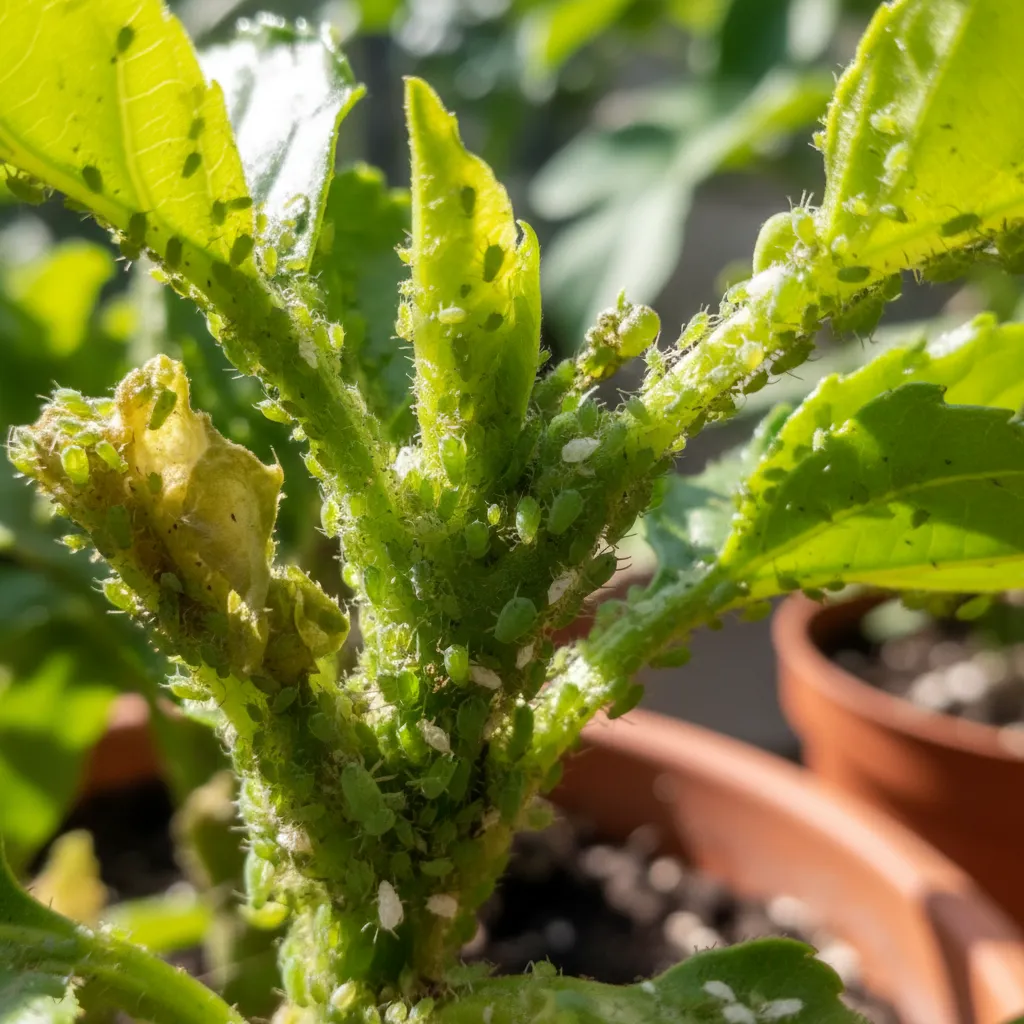
- ✓Pest Management — Monitor for common pests like aphids and spider mites; use organic insecticidal soap or neem oil if necessary.
- ✓Harvesting Technique — Harvest leaves regularly by pinching off the top sets of leaves to encourage continuous production throughout the growing season.
- ✓Climate Consideration — Thrives in warm temperatures; protect from cold drafts and bring indoors or cover if temperatures drop below 10°C (50°F).
Reviewed by the Flora Medical Global Botanical Review Panel
Multi-disciplinary editorial group · Botany · Ethnobotany · Herbal-medicine literature
Who reviewed this: This page was checked by the Flora Medical Global Botanical Review Panel — an in-house editorial group of botany graduates, ethnobotany researchers, and horticulture practitioners who collectively maintain our 7,000+ plant encyclopedia. Meet the team.
Our 4-step verification process
1. Taxonomic verification
Scientific names and synonyms cross-checked against Kew POWO, World Flora Online, and The Plant List.
2. Phytochemical & medicinal cross-reference
Active compounds, traditional uses, and reported activities are cross-referenced with PubMed, USDA Dr. Duke's database, and peer-reviewed ethnobotanical literature.
3. Conservation & distribution check
Distribution, ecology, and conservation status confirmed against GBIF occurrence records and the IUCN Red List.
4. Editorial & safety review
Every entry passes an editorial pass for clarity, originality, and safety notices (toxicity, contraindications, dosage caveats) before publication.
Last reviewed:
Important medical disclaimer: This content is for educational and research purposes only. It is not medical advice and is not a substitute for consultation with a licensed healthcare provider. Do not use any herb to self-treat a medical condition without professional guidance.
Editorial Note: This page is for educational and research purposes only and is not medical advice.
Written by: Flora Medical Global Editorial Team
Reviewed by: Flora Medical Global Botanical Review Panel
Last Updated: June 15, 2026





Basil Sweet — Comments & Community Reviews
Rate this plant