


Medical Disclaimer: This content is for educational purposes only. It is not medical advice. Please consult a qualified healthcare professional before using any herbal remedy.
Safety Overview
1.Bean Bush — Botanical Snapshot
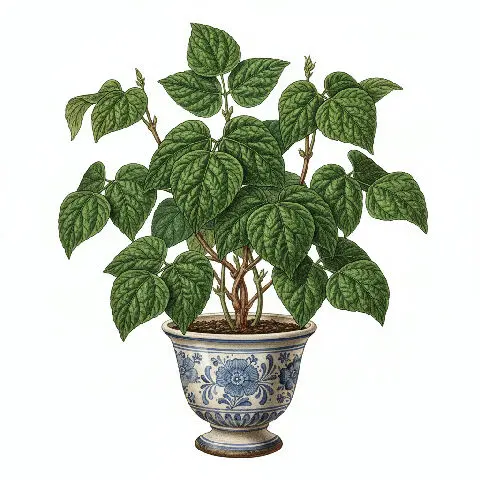
Phaseolus vulgaris, universally known as the common bean or bush bean, is a profoundly significant herbaceous annual plant within the Fabaceae family, cultivated globally for its versatile edible components, including dry seeds, green pods, and young leaves. Its origins trace back to Mesoamerica, with independent domestication events occurring in both Peru and Mexico approximately 5,000 to 8,000 years ago.
This ancient lineage underscores its role as a fundamental pillar of global agriculture and human nutrition. Following its introduction to Europe by Spanish explorers in the 15th and 16th centuries, the plant rapidly spread across Africa and Asia, solidifying its status as a dietary staple worldwide.
Botanically, Phaseolus vulgaris is characterized by its symbiotic relationship with Rhizobium bacteria, enabling nitrogen fixation in its root nodules and enriching soil fertility. Bush bean varieties typically exhibit a compact, determinate growth habit, producing their yield concurrently and eliminating the need for staking, a key distinction from indeterminate pole bean types. The plant features trifoliate leaves, composed of ovate leaflets, and self-pollinating flowers that range in color from white, pink, purple, to bicolored.
These flowers mature into pods, each housing several seeds. The genetic diversity within P. vulgaris is remarkable, leading to an extensive array of cultivars such as kidney, pinto, navy, black, and green (snap) beans, each varying in size, shape, and color.
Nutritionally, it is an exceptional source of protein, dietary fiber, complex carbohydrates, and vital micronutrients including folate, iron, magnesium, and potassium, making it an indispensable food source, especially in plant-based diets and for global food security.
Trusted Scientific References
1. Authoritative external sources for Phaseolus vulgaris
1.1 Wikipedia — Phaseolus vulgaris
1.2 Kew POWO (Plants of the World Online)
1.3 PubMed — peer-reviewed research
1.4 NCBI Taxonomy Browser
1.5 GBIF — Global Biodiversity
1.1.Bean Bush — Notable Characteristics
- ✓Nitrogen — fixing legume, enriching soil fertility.
- ✓High content of — High content of dietary fiber, promoting digestive health.
- ✓Excellent source of plant — based protein and essential amino acids.
- ✓Contains alpha — amylase inhibitors (phaseolamin) for starch blocking.
- ✓Rich in vital — Rich in vital minerals like iron, magnesium, and potassium.
- ✓Significant source of — Significant source of folate (Vitamin B9).
- ✓Diverse range of — Diverse range of cultivars, including kidney, pinto, black, and navy beans.
- ✓Requires thorough cooking — Requires thorough cooking to neutralize naturally occurring toxic lectins.
- ✓Originates from Mesoamerica, — Originates from Mesoamerica, now cultivated worldwide.
- ✓Contributes to blood — Contributes to blood sugar stability and cholesterol reduction.
1.2.Bean Bush — Snapshot Summary
- ✓Global dietary staple, rich in protein, fiber, and micronutrients.
- ✓Contains alpha-amylase inhibitors, beneficial for weight management and blood sugar control.
- ✓Raw beans are toxic due to lectins; thorough cooking is critical for safety.
- ✓Supports digestive health, cardiovascular function, and provides antioxidant protection.
- ✓Caution advised for individuals on diabetes medication and during pregnancy/breastfeeding.
2.Bean Bush — Botanical Identity
3.Bean Bush — Fact Sheet
4.Bean Bush — Botanical Features
5.Bean Bush — Ecological Habitat
6.Bean Bush — Heritage Uses
7.Bean Bush — Chemical Profile
- ✓Dietary Fiber — Comprising both soluble and insoluble fractions, fiber aids in digestion, regulates blood glucose, and lowers cholesterol by binding to bile acids and promoting satiety.
- ✓Proteins — A rich source of plant-based proteins, providing essential amino acids crucial for tissue repair, enzyme function, and overall metabolic processes, with globulins and albumins being prominent.
- ✓Complex Carbohydrates — Primarily starches and oligosaccharides (like raffinose and stachyose); these provide sustained energy release and serve as prebiotics for gut bacteria, though oligosaccharides can cause flatulence.
- ✓Lectins (Phytohemagglutinins) — Glycoproteins present in raw beans; they are toxic and cause erythroagglutination and gastrointestinal distress, but are denatured by thorough cooking.
- ✓Α-Amylase Inhibitors — Glycoproteins, specifically phaseolamin, that block the activity of the enzyme alpha-amylase, reducing the digestion and absorption of dietary starches.
- ✓Phenolic Compounds — Includes flavonoids (e.g., anthocyanins, kaempferol, quercetin) and phenolic acids; these compounds exhibit strong antioxidant, anti-inflammatory, and potential anticarcinogenic activities.
- ✓Saponins — Triterpenoid glycosides found in the seed coat; they contribute to cholesterol-lowering effects and may possess immunomodulatory and anticancer properties.
- ✓Minerals — Abundant in essential minerals such as iron, magnesium, potassium, zinc, calcium, and phosphorus, vital for numerous physiological functions including bone health, nerve transmission, and fluid balance.
- ✓Vitamins — Rich in folate (Vitamin B9), crucial for DNA synthesis and cell division, and also contains other B vitamins and Vitamin K, supporting metabolism and blood clotting.
- ✓Phytoestrogens — Compounds like isoflavones may be present, offering mild estrogenic activity that could contribute to bone health and hormone balance.
8.Bean Bush — Scientific Evidence
- ✓Weight Management — Phaseolus vulgaris extract, particularly its alpha-amylase inhibitors, helps reduce the absorption of complex carbohydrates, thereby contributing to lower caloric intake and supporting weight loss and waist circumference reduction in overweight and obese individuals.
- ✓Blood Sugar Regulation — The high dietary fiber content and alpha-amylase inhibitors in beans can help slow down glucose absorption, leading to more stable blood sugar levels and potentially aiding in the management of Type 2 Diabetes.
- ✓Cholesterol Reduction — Soluble dietary fiber found abundantly in common beans binds to cholesterol in the digestive tract, facilitating its excretion and contributing to lower levels of LDL ('bad') cholesterol.
- ✓Digestive Health Support — Both soluble and insoluble fibers promote regular bowel movements, prevent constipation, and support a healthy gut microbiome by acting as prebiotics, which benefits overall digestive function.
- ✓Cardiovascular Health Enhancement — Rich in potassium, magnesium, and fiber, and having a low glycemic index, common beans contribute to maintaining healthy blood pressure, reducing inflammation, and improving lipid profiles, thus supporting heart health.
- ✓Antioxidant Protection — The presence of phenolic compounds, including flavonoids and anthocyanins (especially in darker varieties), provides potent antioxidant activity, combating free radicals and reducing cellular oxidative stress.
- ✓Cancer Risk Reduction — The high fiber content and various phytochemicals (e.g., phenolic compounds, saponins) in Phaseolus vulgaris may help reduce the risk of certain cancers, particularly colorectal cancer, by promoting gut health and exhibiting antiproliferative effects.
- ✓Bone Health Maintenance — Essential minerals like magnesium and calcium, along with potential phytoestrogens, contribute to bone density and strength, aiding in the prevention of conditions like osteoporosis.
- ✓Anemia Prevention — Common beans are a significant source of non-heme iron and folate, both crucial for red blood cell formation and preventing iron-deficiency anemia.
- ✓Protein Source — As an excellent plant-based protein source, Phaseolus vulgaris provides essential amino acids vital for muscle repair, growth, and overall cellular function, making it a cornerstone for vegetarian and vegan diets.
8.1.Bean Bush — Indications & Uses
9.Bean Bush — Safety & Side Effects
9.1.Bean Bush — Possible Adverse Reactions
- ✓Gastrointestinal Distress (Raw Beans) — Ingestion of raw or undercooked Phaseolus vulgaris can cause severe nausea, vomiting, diarrhea, and abdominal cramps due to high levels of phytohemagglutinin (lectins).
- ✓Flatulence and Bloating — Cooked beans can lead to increased gas production and abdominal discomfort in some individuals due to the fermentation of indigestible oligosaccharides (raffinose, stachyose) by gut bacteria.
- ✓Allergic Reactions — Although rare, allergic responses such as angioedema, anaphylaxis, or contact dermatitis can occur in sensitive individuals upon exposure to bean proteins.
- ✓Hypoglycemia — Bean extracts, particularly those with alpha-amylase inhibitors, might lower blood sugar levels, potentially causing hypoglycemia if taken with antidiabetes medications.
- ✓Nutrient Malabsorption — Phytates in beans can interfere with the absorption of essential minerals like iron, zinc, and calcium, although proper soaking and cooking significantly reduce phytate levels.
- ✓Stomach Upset — Some individuals may experience general stomach upset or indigestion even from properly cooked beans, especially when consumed in large quantities.
9.2.Bean Bush — Safety Overview
- ✓Thorough Cooking Essential — Raw Phaseolus vulgaris contains toxic lectins (phytohemagglutinins) that must be neutralized by thorough soaking and boiling for at least 10 minutes to prevent severe gastrointestinal illness.
- ✓Pregnancy and Breastfeeding — There is insufficient reliable information regarding the safety of Phaseolus vulgaris extracts during pregnancy and breastfeeding; therefore, it is advisable to avoid supplemental use.
- ✓Diabetes Management — Individuals with diabetes should monitor their blood sugar closely if consuming bean extracts, as they may lower blood glucose and interact with antidiabetes medications, potentially causing hypoglycemia.
- ✓Medication Interactions — Exercise caution when combining bean extracts with antidiabetes drugs due to a moderate interaction risk that could lead to overly low blood sugar levels.
- ✓Children — Cooked common beans are generally safe and nutritious for children; however, bean extracts or supplements are not recommended without specific medical advice.
- ✓Individual Sensitivity — Start with small portions of beans to assess individual tolerance, especially concerning flatulence and digestive discomfort, which can vary widely among individuals.
- ✓Reputable Sources — When using Phaseolus vulgaris extracts, ensure they are from reputable manufacturers that adhere to quality control standards to guarantee product safety and efficacy.
10.Bean Bush — Preparation Methods
- ✓Culinary Preparation (Cooked Beans) — Dry beans must be thoroughly soaked for several hours, then boiled vigorously for at least 10 minutes, followed by simmering until tender, to neutralize toxic lectins.
- ✓Green Bean Consumption — Snap beans are typically steamed, boiled, sautéed, or stir-fried, requiring less cooking time than dry beans but still benefiting from heat to enhance digestibility.
- ✓Bean Pod Extracts — Standardized extracts of Phaseolus vulgaris, often in capsule form, are utilized for their alpha-amylase inhibiting properties, primarily for weight management and blood sugar control.
- ✓Bean Flour Production — Dried beans can be ground into flour, which is used in baking, as a thickener, or to fortify various food products, offering a gluten-free protein source.
- ✓Traditional Foodways — In various cultures, beans are prepared in stews, soups, porridges, and fermented products like tempeh, enhancing their digestibility and nutrient availability.
- ✓Sprouting — Soaking and sprouting beans can increase their nutritional value and digestibility, reducing anti-nutrients, and they can be added to salads or sandwiches (ensure proper hygiene to prevent bacterial growth).
- ✓Dosing for Extracts — For specific conditions like weight management, typical adult doses of standardized extracts range from 800-1000 mg taken orally two or three times daily before meals, for up to 12 weeks, as advised by a healthcare provider.
11.Bean Bush — Garden Cultivation
- ✓Climate and Soil — Phaseolus vulgaris thrives in warm climates as an annual, requiring well-drained, fertile soil with a pH range of 6.0 to 7.0 for optimal growth.
- ✓Planting — Seeds are typically direct-sown after the last frost date, planted 1-2 inches deep and 3-6 inches apart, with rows spaced 18-24 inches apart.
- ✓Watering — Consistent moisture is crucial, especially during flowering and pod development; avoid overwatering which can lead to root rot.
- ✓Sunlight — Requires full sun exposure, meaning at least 6-8 hours of direct sunlight daily for robust growth and yield.
- ✓Fertilization — Due to its nitrogen-fixing capabilities, P. vulgaris has a low nitrogen requirement; a balanced fertilizer can be applied at planting if soil fertility is poor.
- ✓Pest and Disease Management — Implement crop rotation and monitor for common pests like aphids and bean beetles, and diseases such as rust and powdery mildew, using organic methods when possible.
- ✓Harvest — Green beans are harvested young and tender, while dry beans are left on the plant until pods are dry, brittle, and the seeds rattle inside.
Reviewed by the Flora Medical Global Botanical Review Panel
Multi-disciplinary editorial group · Botany · Ethnobotany · Herbal-medicine literature
Who reviewed this: This page was checked by the Flora Medical Global Botanical Review Panel — an in-house editorial group of botany graduates, ethnobotany researchers, and horticulture practitioners who collectively maintain our 7,000+ plant encyclopedia. Meet the team.
Our 4-step verification process
1. Taxonomic verification
Scientific names and synonyms cross-checked against Kew POWO, World Flora Online, and The Plant List.
2. Phytochemical & medicinal cross-reference
Active compounds, traditional uses, and reported activities are cross-referenced with PubMed, USDA Dr. Duke's database, and peer-reviewed ethnobotanical literature.
3. Conservation & distribution check
Distribution, ecology, and conservation status confirmed against GBIF occurrence records and the IUCN Red List.
4. Editorial & safety review
Every entry passes an editorial pass for clarity, originality, and safety notices (toxicity, contraindications, dosage caveats) before publication.
Last reviewed:
Important medical disclaimer: This content is for educational and research purposes only. It is not medical advice and is not a substitute for consultation with a licensed healthcare provider. Do not use any herb to self-treat a medical condition without professional guidance.
Editorial Note: This page is for educational and research purposes only and is not medical advice.
Written by: Flora Medical Global Editorial Team
Reviewed by: Flora Medical Global Botanical Review Panel
Last Updated: June 15, 2026





Bean Bush — Comments & Community Reviews
Rate this plant