


Medical Disclaimer: This content is for educational purposes only. It is not medical advice. Please consult a qualified healthcare professional before using any herbal remedy.
Safety Overview
1.Bell Pepper — Overview
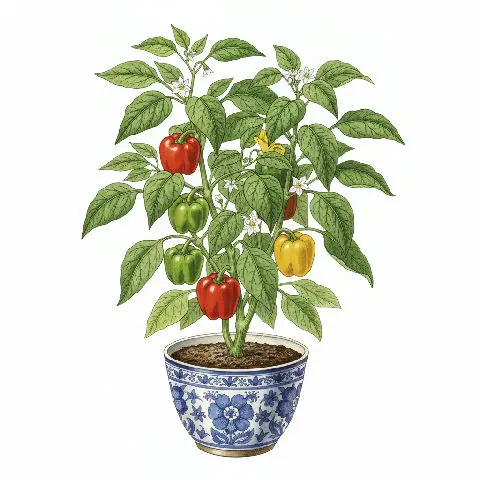
Capsicum annuum, universally recognized as bell pepper, sweet pepper, or simply capsicum, is a highly domesticated species within the Solanaceae family, which also includes tomatoes and potatoes. Native to the Americas, with its origins traced back to regions spanning from Mexico to Bolivia, archaeological findings in Peruvian caves indicate its cultivation and consumption by ancient civilizations over 6,000 years ago. Unlike its fiery Capsicum relatives, the bell pepper is distinguished by its complete or near-complete absence of capsaicin, the compound responsible for the heat in chili peppers, resulting in its characteristic mild, sweet flavor. Christopher Columbus introduced this versatile plant to Europe in the late 15th century, facilitating its rapid global dissemination and adaptation to diverse agro-climatic zones.
Botanically, Capsicum annuum is typically grown as an annual in temperate climates but can persist as a perennial in tropical and subtropical environments. The plant itself is a small, bushy herbaceous shrub, generally reaching heights of 0.5 to 1.5 meters, adorned with simple, ovate to lanceolate leaves. Its flowers are typically small, white, and star-shaped, leading to the development of its prominent fruits – botanically classified as berries. These fruits exhibit remarkable diversity in size, shape, and a vibrant spectrum of colors including green, red, yellow, orange, purple, brown, and white, each signifying different stages of ripeness and varying nutrient profiles.
Red bell peppers, for instance, are fully ripened and boast significantly higher concentrations of vitamins and antioxidants compared to their green, unripe counterparts. The plant thrives in well-drained, fertile soil and requires ample sunlight for optimal growth and fruit production, making it a staple in gardens and agricultural fields worldwide.
Trusted Scientific References
1. Authoritative external sources for Capsicum annuum
1.1 Wikipedia — Capsicum annuum
1.2 Kew POWO (Plants of the World Online)
1.3 PubMed — peer-reviewed research
1.4 NCBI Taxonomy Browser
1.5 GBIF — Global Biodiversity
1.1.Bell Pepper — Defining Traits
- ✓Capsaicin — Free — Known for its mild, sweet flavor, unlike pungent chili peppers.
- ✓Rich in Vitamin C — Contains significantly high levels, especially red varieties, boosting immunity.
- ✓Abundant in Antioxidants — Packed with carotenoids (lutein, zeaxanthin) and flavonoids.
- ✓Versatile Culinary Ingredient — Used raw, cooked, roasted, or stuffed in diverse cuisines worldwide.
- ✓Wide Color Spectrum — Available in green, red, yellow, orange, purple, offering varying nutrient profiles.
- ✓Supports Eye Health — Carotenoids help protect against macular degeneration and cataracts.
- ✓Anti — inflammatory Benefits — Phytonutrients contribute to reducing inflammation in the body.
- ✓Good Source of Fiber — Aids in healthy digestion and gut regularity.
- ✓Low Calorie and Hydrating — A healthy addition to any diet, contributing to hydration.
1.2.Bell Pepper — In Brief
- ✓Nutrient-dense vegetable rich in vitamins, especially Vitamin C and A.
- ✓Potent antioxidant and anti-inflammatory properties due to carotenoids and flavonoids.
- ✓Supports immune function, eye health, and cardiovascular well-being.
- ✓Mild, sweet flavor due to absence of capsaicin, making it highly versatile in cuisine.
- ✓Cultivated globally, available in various colors, each offering unique nutritional benefits.
- ✓Generally safe for consumption with minimal side effects, primarily digestive or rare allergies.
2.Bell Pepper — Scientific Profile
3.Bell Pepper — Reference Facts
4.Bell Pepper — Structural Profile
5.Bell Pepper — Where It Grows
6.Bell Pepper — Cultural & Traditional Roles
7.Bell Pepper — Active Compounds
- ✓Vitamins — Notably high in Vitamin C (ascorbic acid), a powerful antioxidant and immune booster; also contains significant Vitamin A (primarily as beta-carotene), Vitamin E (alpha-tocopherol), Vitamin B6 (pyridoxine), and folate (Vitamin B9), crucial for metabolism and cellular health.
- ✓Carotenoids — Abundant in various carotenoids such as beta-carotene (precursor to Vitamin A), lutein, zeaxanthin, violaxanthin, capsanthin, and cryptoxanthin, which are potent antioxidants and vital for vision and skin health.
- ✓Flavonoids — Contains a range of flavonoids, including quercetin, luteolin, hesperidin, and rutin, known for their anti-inflammatory, antioxidant, and cardioprotective properties.
- ✓Phenolic Acids — Includes compounds like caffeic acid, p-coumaric acid, and ferulic acid, which contribute to the overall antioxidant capacity and protective effects against oxidative stress.
- ✓Dietary Fiber — Provides soluble and insoluble fibers, important for digestive health, blood sugar regulation, and cholesterol management.
- ✓Minerals — A good source of potassium, essential for blood pressure control and fluid balance, along with smaller amounts of magnesium, manganese, and phosphorus.
- ✓Capsaicinoids — Bell peppers are characterized by the absence or extremely low levels of capsaicin and related compounds, distinguishing them from pungent chili peppers and contributing to their mild flavor profile.
- ✓Sugars — Contains natural sugars, primarily fructose and glucose, contributing to their characteristic sweet taste, especially in ripened fruits.
- ✓Organic Acids — Malic acid and citric acid are present, contributing to the flavor profile and potentially influencing nutrient bioavailability.
8.Bell Pepper — What Research Suggests
- ✓Potent Antioxidant Activity — Bell peppers are exceptionally rich in antioxidants like Vitamin C, carotenoids, and flavonoids, which combat free radicals, reducing oxidative stress and protecting cells from damage.
- ✓Enhances Immune Function — The high Vitamin C content, crucial for immune cell function and antibody production, strengthens the body's defenses against infections and illnesses.
- ✓Supports Cardiovascular Health — Compounds such as potassium and flavonoids contribute to healthy blood pressure regulation and improved blood vessel function, potentially reducing the risk of heart disease.
- ✓Promotes Eye Health — Abundant in carotenoids like lutein and zeaxanthin, bell peppers help protect the retina from oxidative damage and blue light, lowering the risk of age-related macular degeneration and cataracts.
- ✓Aids in Iron Absorption — The significant amount of Vitamin C present dramatically enhances the absorption of non-heme iron from plant-based foods, crucial for preventing iron-deficiency anemia.
- ✓Possesses Anti-inflammatory Properties — Flavonoids and other phytonutrients in bell peppers exert anti-inflammatory effects, which may help mitigate chronic inflammatory conditions.
- ✓May Have Anti-cancer Potential — The combination of antioxidants, particularly carotenoids and flavonoids, has been studied for its potential to inhibit the growth of certain cancer cells and offer chemopreventive effects.
- ✓Supports Digestive Health — Bell peppers provide dietary fiber, which aids in maintaining a healthy digestive system, promoting regularity, and preventing constipation.
- ✓Contributes to Skin Health — Vitamin C is essential for collagen synthesis, promoting skin elasticity and integrity, while antioxidants protect against UV damage and premature aging.
- ✓Rich in Essential Vitamins and Minerals — Beyond Vitamin C, bell peppers supply Vitamin A (as beta-carotene), Vitamin B6, Vitamin E, and folate, all vital for various metabolic processes and overall well-being.
8.1.Bell Pepper — Conditions Traditionally Used For
9.Bell Pepper — Adverse Effects
9.1.Bell Pepper — Caution Notes
- ✓Allergic Reactions — While rare, some individuals may experience oral allergy syndrome symptoms like itching or swelling of the mouth, throat, or lips, particularly those sensitive to birch pollen.
- ✓Digestive Upset — High fiber content can cause mild digestive discomfort, such as bloating or gas, in sensitive individuals or when consumed in very large quantities.
- ✓Skin Irritation — Though lacking capsaicin, handling large quantities of bell peppers, particularly green ones, might cause mild skin irritation in highly sensitive individuals due to other plant compounds.
- ✓Drug Interactions — Generally considered safe with no significant drug interactions; however, individuals on specific medications should consult a healthcare professional regarding dietary changes.
- ✓Pesticide Residue — Non-organic bell peppers may contain pesticide residues; washing thoroughly or opting for organic varieties is recommended.
- ✓Nightshade Sensitivity — Individuals with a sensitivity to the Solanaceae (nightshade) family might experience exacerbated symptoms from bell pepper consumption, though this is less common than with other nightshades.
9.2.Bell Pepper — Safety Overview
- ✓Generally Recognized As Safe (GRAS) — Bell peppers are widely consumed as a food and are considered safe for the general population when eaten in typical dietary amounts.
- ✓Pregnancy and Lactation — Safe for consumption during pregnancy and lactation, providing essential vitamins and minerals beneficial for both mother and child.
- ✓Children — Bell peppers are a healthy and safe addition to children's diets, offering important nutrients for growth and development.
- ✓Storage — Store fresh bell peppers in the refrigerator crisper drawer to maintain freshness and nutrient content; consume within 1-2 weeks.
- ✓Preparation — Always wash bell peppers thoroughly under running water before consumption to remove any surface dirt or potential residues.
- ✓Cooking Effects — While some heat-sensitive nutrients like Vitamin C can be reduced by prolonged cooking, many antioxidants remain stable or become more bioavailable.
- ✓Allergen Information — Individuals with known allergies to other Solanaceae family members or pollen should exercise caution and consult a healthcare provider if concerns arise.
10.Bell Pepper — How to Use
- ✓Raw Consumption — Enjoy sliced bell peppers fresh in salads, as crunchy snacks with dips, or in sandwiches and wraps for a burst of flavor and nutrients.
- ✓Roasting and Grilling — Roasting or grilling bell peppers enhances their sweetness and smoky flavor, making them ideal for side dishes, antipasto, or as a pizza topping.
- ✓Sautéing and Stir-Frying — Quickly sautéed or stir-fried bell peppers add vibrant color, texture, and nutritional value to various Asian and Mediterranean dishes.
- ✓Stuffed Bell Peppers — Halved bell peppers can be filled with grains, meats, vegetables, and cheeses, then baked until tender for a hearty meal.
- ✓Soups and Stews — Incorporate chopped bell peppers into soups, stews, and chili for added depth of flavor, color, and essential nutrients.
- ✓Sauces and Purees — Blend roasted bell peppers into savory sauces for pasta, pizza, or as a base for spreads like romesco and muhammara.
- ✓Juicing and Smoothies — Add bell peppers to vegetable juices or fruit smoothies for an extra dose of vitamins and antioxidants, though their flavor can be strong.
- ✓Pickling — Bell peppers can be pickled to preserve them, offering a tangy addition to sandwiches, salads, or as a condiment.
11.Bell Pepper — Growth Requirements
- ✓Soil Requirements — Thrives in well-drained, fertile loamy soil with a pH between 6.0 and 6.8, enriched with organic matter.
- ✓Climate and Light — Requires warm temperatures (21-29°C) and at least 6-8 hours of direct sunlight daily for optimal growth and fruit development.
- ✓Watering — Needs consistent moisture; water deeply and regularly, especially during flowering and fruiting, avoiding waterlogging.
- ✓Propagation — Typically started from seeds indoors 8-10 weeks before the last frost, then transplanted outdoors when soil temperatures are consistently warm.
- ✓Fertilization — Benefits from balanced fertilization, with a higher phosphorus and potassium content during flowering and fruiting stages.
- ✓Pest and Disease Management — Monitor for common pests like aphids and cutworms; practice crop rotation and ensure good air circulation to prevent fungal diseases.
- ✓Support — Taller varieties may require staking or caging to support heavy fruit loads and prevent stem breakage.
- ✓Harvesting — Harvest fruits when they reach desired size and color, typically 60-90 days after transplanting, by cutting the stem rather than pulling.
Reviewed by the Flora Medical Global Botanical Review Panel
Multi-disciplinary editorial group · Botany · Ethnobotany · Herbal-medicine literature
Who reviewed this: This page was checked by the Flora Medical Global Botanical Review Panel — an in-house editorial group of botany graduates, ethnobotany researchers, and horticulture practitioners who collectively maintain our 7,000+ plant encyclopedia. Meet the team.
Our 4-step verification process
1. Taxonomic verification
Scientific names and synonyms cross-checked against Kew POWO, World Flora Online, and The Plant List.
2. Phytochemical & medicinal cross-reference
Active compounds, traditional uses, and reported activities are cross-referenced with PubMed, USDA Dr. Duke's database, and peer-reviewed ethnobotanical literature.
3. Conservation & distribution check
Distribution, ecology, and conservation status confirmed against GBIF occurrence records and the IUCN Red List.
4. Editorial & safety review
Every entry passes an editorial pass for clarity, originality, and safety notices (toxicity, contraindications, dosage caveats) before publication.
Last reviewed:
Important medical disclaimer: This content is for educational and research purposes only. It is not medical advice and is not a substitute for consultation with a licensed healthcare provider. Do not use any herb to self-treat a medical condition without professional guidance.
Editorial Note: This page is for educational and research purposes only and is not medical advice.
Written by: Flora Medical Global Editorial Team
Reviewed by: Flora Medical Global Botanical Review Panel
Last Updated: June 15, 2026





Bell Pepper — Comments & Community Reviews
Rate this plant