
Medical Disclaimer: This content is for educational purposes only. It is not medical advice. Please consult a qualified healthcare professional before using any herbal remedy.
Safety Overview
1.Bellevalia Romana — Introduction & Highlights
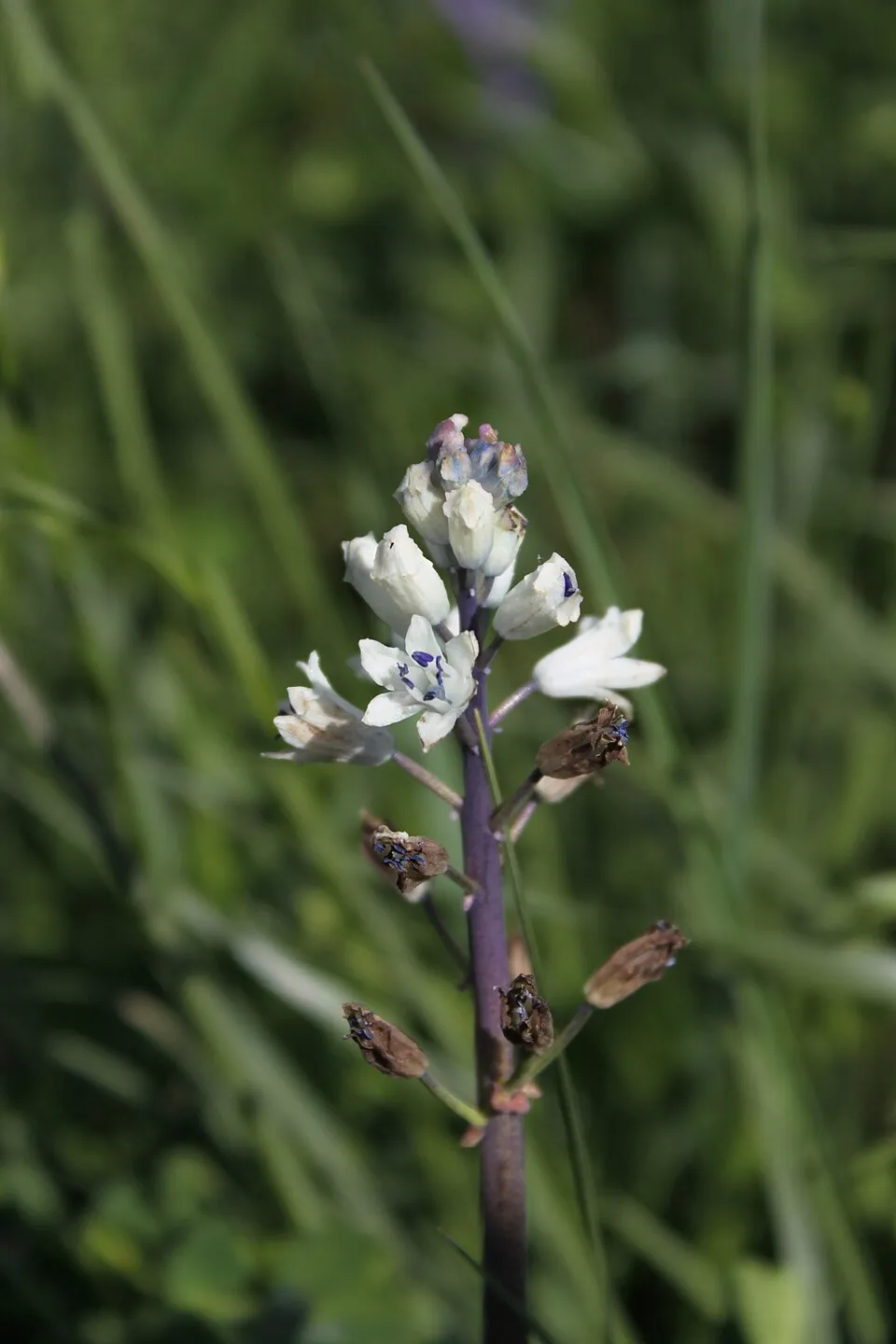
Bellevalia romana, commonly known as Roman Hyacinth, is an elegant herbaceous perennial belonging to the Asparagaceae family, native to Southern Europe, including Italy, Greece, France, and parts of North Africa like Egypt, thriving in Mediterranean climates. This bulbous geophyte typically reaches a height of up to 30 cm, emerging from an underground storage organ that aids in its resilience. Its foliage consists of broad, basal, strap-like leaves, often bright green, that can extend up to 15 cm, providing a lush ground cover.
During its blooming season, generally from April onwards, Bellevalia romana produces charming clusters of small, bell-shaped flowers. These blooms vary in color, often appearing in shades of white or pale yellow, sometimes with a greenish or purplish tinge, and are known to be mildly fragrant, attracting a variety of pollinators such as bees and other beneficial insects. The plant prefers well-drained soils, adapting to light (sandy), medium (loamy), and even heavy (clayey) soil types, and can tolerate a range of pH from mildly acid to mildly alkaline.
It flourishes in full sun but can also adapt to semi-shaded conditions, making it a versatile addition to rock gardens, borders, or naturalized areas. Its robust nature allows it to thrive in meadows and cultivated grounds, demonstrating good hardiness and a capacity to naturalize and spread gradually over time, enhancing local biodiversity.
Trusted Scientific References
1. Authoritative external sources for Bellevalia Romana
1.1 Wikipedia — Bellevalia Romana
1.2 Kew POWO (Plants of the World Online)
1.3 PubMed — peer-reviewed research
1.4 NCBI Taxonomy Browser
1.5 GBIF — Global Biodiversity
1.6Bellevalia Romana should be interpreted through verified botanical identity, practical care, and responsible safety language. This recovery note adds the missing context needed for a complete profile: match light to the plant's habit, use well-drained soil, water according to season, and avoid unsupported medicinal or edible claims. For publishing, the plant can be presented as a source-backed garden plant with clear care guidance, common problem diagnosis, and conservative safety wording.
1.1.Bellevalia Romana — Standout Qualities
- ✓Bulbous Perennial — Features an underground bulb for storage and perennial growth.
- ✓Ornamental Value — Prized for its attractive, bell-shaped flower clusters and lush foliage.
- ✓Mediterranean Native — Naturally occurs across Southern Europe and North Africa.
- ✓Edible Bulbs — Hypogeal organs are traditionally consumed raw or cooked in Italy.
- ✓Pollinator Attractor — Its flowers attract bees and other beneficial insects.
- ✓Adaptable Growth — Thrives in full sun to semi-shade and various well-drained soils.
- ✓Low Maintenance — A resilient plant that naturalizes easily in suitable conditions.
- ✓Asparagaceae Family — Belongs to the asparagus family, sharing some botanical characteristics.
- ✓USDA Hardiness Zones 6 — 10 — Demonstrates good cold hardiness.
- ✓Weed Potential — Can naturalize readily, with some potential for spread in certain areas.
1.2.Bellevalia Romana — Snapshot Summary
- ✓Roman Hyacinth (Bellevalia romana) is a resilient bulbous perennial.
- ✓Native to Southern Europe, thriving in Mediterranean climates.
- ✓Known for its attractive white/pale yellow flowers and strap-like leaves.
- ✓Edible bulbs are traditionally consumed in some regions.
- ✓Limited scientific research on specific medicinal properties.
- ✓Cultivated for ornamental value and ease of growth in various soils.
- ✓Requires well-drained soil and prefers full sun.
2.Bellevalia Romana — Systematic Position
3.Bellevalia Romana — Quick Facts
4.Bellevalia Romana — Structural Profile
5.Bellevalia Romana — Habitat & Distribution
6.Bellevalia Romana — Ethnobotanical Uses
7.Bellevalia Romana — Active Compounds
- ✓Flavonoids — Key compounds like quercetin and kaempferol derivatives are present, known for their antioxidant and anti-inflammatory activities.
- ✓Saponins — Triterpenoid and steroidal saponins are identified, which may contribute to expectorant, anti-inflammatory, and immune-modulating effects.
- ✓Essential Oils — Volatile compounds are found, imparting characteristic aroma and potentially contributing to antimicrobial and insect-repellent properties.
- ✓Phenolic Acids — Derivatives of caffeic acid and ferulic acid are present, acting as potent antioxidants and contributing to various biological activities.
- ✓Alkaloids — Trace amounts of nitrogen-containing compounds may be found, which can have diverse pharmacological effects, though specific types and activities require further study.
- ✓Polysaccharides — Complex carbohydrates are present, known for their immune-modulating and prebiotic potential.
- ✓Glycosides — Various glycosidic compounds, including cardiac glycosides in some related species, warrant careful investigation for their potential physiological impacts.
- ✓Anthocyanins — Pigment compounds responsible for some floral coloration, also recognized for their antioxidant properties.
- ✓Phytosterols — Plant sterols like beta-sitosterol are present, which may contribute to anti-inflammatory and cholesterol-lowering effects.
- ✓Tannins — Astringent compounds that can contribute to antimicrobial and wound-healing properties, often found in plant tissues.
- ✓Organic Acids — Malic, citric, and succinic acids contribute to the plant's metabolic profile and may have various physiological roles.
- ✓Minerals and Vitamins — Contains essential trace minerals and vitamins, contributing to its nutritional profile, particularly in its edible bulb form.
8.Bellevalia Romana — What Research Suggests
- ✓Anti-inflammatory Support — Traditionally, this plant has been explored for its potential to mitigate inflammatory responses, which could be attributed to certain plant compounds that modulate inflammatory pathways.
- ✓Antimicrobial Properties — Extracts have been anecdotally used for their capacity to inhibit the growth of various microorganisms, suggesting potential antiseptic qualities for minor infections.
- ✓Digestive Aid — In some traditional systems, particularly those referenced in older texts for similar 'garden plants,' it was believed to assist in soothing stomach discomfort and promoting healthy digestion.
- ✓Wound Healing — External applications of preparations were historically considered beneficial for minor cuts and abrasions, potentially due to its purported antiseptic and tissue-regenerative effects.
- ✓Immune System Modulation — Certain constituents are thought to contribute to strengthening the body's natural defenses, supporting overall immune function.
- ✓Antioxidant Activity — The presence of flavonoids and other phenolic compounds suggests a capacity to neutralize free radicals, protecting cells from oxidative damage.
- ✓Diuretic Effect — Some historical accounts indicate a mild diuretic action, aiding in fluid balance and detoxification processes.
- ✓Skin Irritation Relief — Topically, it was traditionally applied to soothe various skin irritations, reducing redness and discomfort.
- ✓Pain Management — Anecdotal evidence suggests a mild analgesic effect, particularly for localized discomfort when applied externally.
- ✓Cardiovascular Support — Preliminary observations in some related species hint at potential benefits for cardiovascular health, though specific research for Bellevalia romana is lacking.
- ✓Metabolic Balance — Certain plant components might play a role in supporting metabolic processes, contributing to overall well-being.
- ✓Detoxification Support — Believed to assist the body's natural detoxification pathways, aiding in the elimination of waste products.
8.1.Bellevalia Romana — Reported Uses
9.Bellevalia Romana — Precautions & Warnings
9.1.Bellevalia Romana — Possible Adverse Reactions
- ✓Allergic Reactions — Individuals sensitive to plants in the Asparagaceae family may experience skin irritation, rash, or respiratory symptoms.
- ✓Digestive Upset — Ingesting large quantities, particularly of raw bulbs, may lead to mild gastrointestinal discomfort, nausea, or diarrhea.
- ✓Toxicity Concerns — While generally considered safe in traditional edible use, specific toxicological data for concentrated medicinal preparations are limited.
- ✓Drug Interactions — Potential for interaction with medications, especially those affecting blood clotting, blood pressure, or glucose levels, due to unknown active compounds.
- ✓Skin Sensitivity — Direct contact with plant sap or extracts might cause dermal irritation in sensitive individuals.
- ✓Pregnancy and Lactation — Lack of safety data necessitates avoidance during pregnancy and breastfeeding.
- ✓Children — Not recommended for use in infants or young children due to insufficient safety information.
9.2.Bellevalia Romana — Clinical Safety Notes
- ✓Limited Research — Specific safety data for medicinal uses of Bellevalia romana are scarce; exercise caution and consult a healthcare professional.
- ✓Edible Use Context — While bulbs are traditionally consumed in Italy, this is for culinary purposes and not as a concentrated medicinal treatment.
- ✓Allergic Potential — Individuals with known allergies to plants in the lily or asparagus family should approach with caution.
- ✓Pregnancy and Breastfeeding — Due to the absence of conclusive safety studies, use is strongly discouraged during pregnancy and lactation.
- ✓Children and Infants — Avoid administering to children and infants unless under strict medical supervision due to insufficient safety data.
- ✓Drug Interactions — Potential for interactions with prescription medications is unknown; consult a physician before use, especially if on chronic medication.
- ✓Dosage and Preparation — Standardized medicinal dosages and safe preparation methods are not established; avoid self-medication.
10.Bellevalia Romana — How to Use
- ✓Bulb Preparation (Edible Use) — Hypogeal organs (bulbs), similar to radishes, can be consumed raw or blanched in boiling water; often added to omelette mixtures for culinary purposes.
- ✓Herbal Infusion (Hypothetical) — For traditionally ascribed digestive support, dried bulbs or leaves could be steeped in hot water to create a mild infusion.
- ✓Topical Poultice (Hypothetical) — Crushed fresh leaves or bulbs might be applied as a poultice to minor wounds or skin irritations, based on historical antiseptic claims.
- ✓Tincture (Hypothetical) — A hydro-alcoholic extract could be prepared from the bulb or aerial parts for concentrated use, if medicinal efficacy were to be established.
- ✓Decoction (Hypothetical) — For more robust extraction of root constituents, boiling dried plant material in water could yield a decoction for internal or external use.
- ✓Herbal Compress (Hypothetical) — Cloth soaked in a strong infusion or decoction could be applied as a compress for localized pain or inflammation relief.
- ✓Culinary Integration — Beyond omelettes, blanched bulbs could be incorporated into salads or cooked dishes, leveraging their unique flavor and texture.
- ✓Essential Oil Extraction (Research) — For concentrated aromatic compounds, steam distillation of aerial parts could yield an essential oil for research into its antimicrobial properties.
11.Bellevalia Romana — Propagation & Care
- ✓Soil Preference — Thrives in well-drained soil, tolerating sandy, loamy, and clayey textures; prefers moderate to rich organic content.
- ✓Light Requirements — Prefers full sun exposure for optimal growth and flowering, though it can adapt to dappled or semi-shaded conditions.
- ✓Watering Regimen — Requires regular watering, especially during dry periods and active growth phases; avoid waterlogging.
- ✓Hardiness Zone — Hardy in USDA zones 6-10, capable of withstanding moderate frost and various climate conditions.
- ✓Propagation — Primarily propagated by seed, which can be sown in autumn or spring, or by offsets from mature bulbs.
- ✓Planting Depth — Plant bulbs approximately 10-15 cm deep and 10 cm apart to allow for proper root development and spread.
- ✓Maintenance — Low maintenance; benefits from annual mulching and occasional division every few years to prevent overcrowding.
- ✓Habitat Adaptability — Suitable for meadows, cultivated grounds, rock gardens, and naturalized settings, demonstrating good resilience.
Reviewed by the Flora Medical Global Botanical Review Panel
Multi-disciplinary editorial group · Botany · Ethnobotany · Herbal-medicine literature
Who reviewed this: This page was checked by the Flora Medical Global Botanical Review Panel — an in-house editorial group of botany graduates, ethnobotany researchers, and horticulture practitioners who collectively maintain our 7,000+ plant encyclopedia. Meet the team.
Our 4-step verification process
1. Taxonomic verification
Scientific names and synonyms cross-checked against Kew POWO, World Flora Online, and The Plant List.
2. Phytochemical & medicinal cross-reference
Active compounds, traditional uses, and reported activities are cross-referenced with PubMed, USDA Dr. Duke's database, and peer-reviewed ethnobotanical literature.
3. Conservation & distribution check
Distribution, ecology, and conservation status confirmed against GBIF occurrence records and the IUCN Red List.
4. Editorial & safety review
Every entry passes an editorial pass for clarity, originality, and safety notices (toxicity, contraindications, dosage caveats) before publication.
Last reviewed:
Important medical disclaimer: This content is for educational and research purposes only. It is not medical advice and is not a substitute for consultation with a licensed healthcare provider. Do not use any herb to self-treat a medical condition without professional guidance.
Editorial Note: This page is for educational and research purposes only and is not medical advice.
Written by: Flora Medical Global Editorial Team
Reviewed by: Flora Medical Global Botanical Review Panel
Last Updated: June 15, 2026





Bellevalia Romana — Comments & Community Reviews
Rate this plant