
Medical Disclaimer: This content is for educational purposes only. It is not medical advice. Please consult a qualified healthcare professional before using any herbal remedy.
Safety Overview
1.Berberis Julianae — Essential Profile
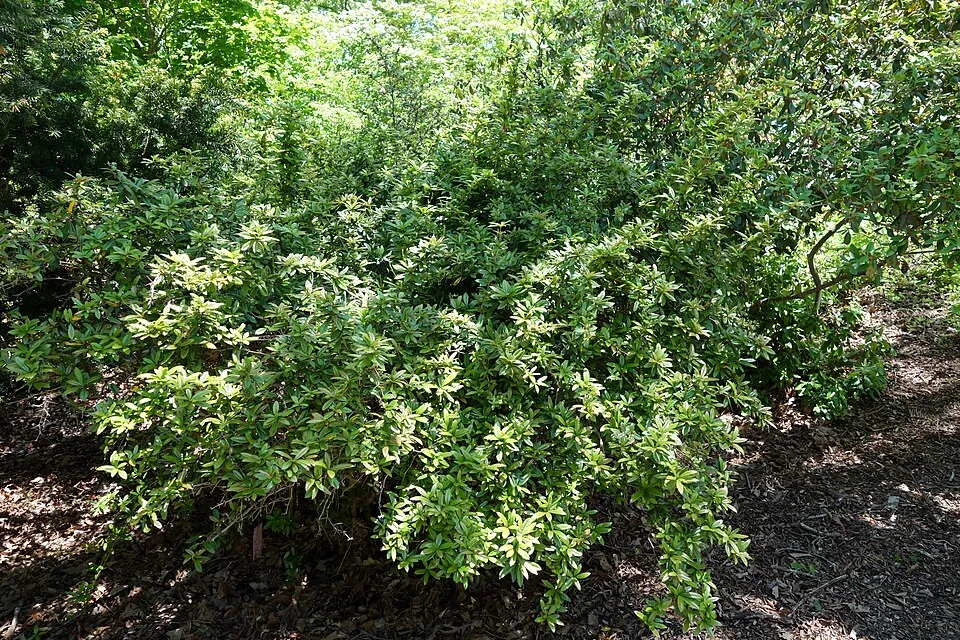
Berberis julianae, commonly known as Chinese Barberry, Juliana’s Barberry, or Wintergreen Barberry, is a robust, evergreen shrub native to the mountainous regions of central China. This resilient member of the Berberidaceae family typically reaches heights of 6 to 10 feet, forming dense, spiny thickets. Its distinctive foliage consists of large, coriaceous (leathery) leaves that are sharply serrated, concolorous (uniform in color), and arranged in clusters on short shoots. While primarily evergreen, the leaves may sometimes exhibit an attractive bronze tint in autumn, adding to its ornamental appeal.
The stems are heavily armed with prominent triple spines at each node, making it an effective barrier plant. In spring, Berberis julianae produces clusters of small, fragrant yellow flowers, which are later succeeded by purplish-black berries that persist into winter, providing a food source for wildlife. This adaptable shrub thrives in moist, well-drained, slightly acidic soils, tolerating both full sun and partial shade. It demonstrates remarkable resistance to drought, deer, and urban pollution, contributing to its widespread use in landscaping.
Introduced to cultivation in the United Kingdom in the early 20th century, Berberis julianae has since naturalized and is considered invasive in several eastern states of the United States, highlighting the importance of responsible planting. Its scientific name, Berberis julianae, was bestowed by Camillo Schneider in honor of his wife.
Trusted Scientific References
1. Authoritative external sources for Berberis julianae
1.1 Wikipedia — Berberis julianae
1.2 Kew POWO (Plants of the World Online)
1.3 PubMed — peer-reviewed research
1.4 NCBI Taxonomy Browser
1.5 GBIF — Global Biodiversity
1.6Berberis Julianae should be interpreted through verified botanical identity, practical care, and responsible safety language. This recovery note adds the missing context needed for a complete profile: match light to the plant's habit, use well-drained soil, water according to season, and avoid unsupported medicinal or edible claims. For publishing, the plant can be presented as a source-backed garden plant with clear care guidance, common problem diagnosis, and conservative safety wording.
1.1.Berberis Julianae — Distinguishing Points
- ✓Botanical Name — Berberis julianae
- ✓Common Names — Chinese Barberry, Juliana’s Barberry, Wintergreen Barberry
- ✓Plant Family — Berberidaceae
- ✓Key Bioactive Compound — Berberine (isoquinoline alkaloid)
- ✓Growth Habit — Dense, evergreen shrub reaching 6-10 feet in height
- ✓Distinctive Feature — Sharp, triple spines at nodes and sharply serrated, leathery leaves
- ✓Environmental Tolerance — Highly tolerant of drought, deer, and urban conditions
- ✓Traditional Uses — Primarily for antimicrobial, anti-inflammatory, and digestive support (based on genus)
- ✓Invasive Potential — Considered invasive in some regions outside its native range due to its hardiness and spread.
- ✓Medicinal Parts — Primarily the root and stem bark are utilized for their rich alkaloid content.
1.2.Berberis Julianae — In Brief
- ✓Berberis julianae is an evergreen shrub native to central China, characterized by its spiny branches and yellow flowers.
- ✓It is a source of potent isoquinoline alkaloids, most notably berberine, which confers significant medicinal benefits.
- ✓Renowned for its antimicrobial, anti-inflammatory, antioxidant, and blood sugar regulating properties, impacting diverse health areas.
- ✓Cultivation requires moist, well-drained, slightly acidic soil in full sun to partial shade, and it is notably cold and drought tolerant.
- ✓Critical safety considerations include contraindications during pregnancy and lactation, and potential interactions with various pharmaceutical drugs.
2.Berberis Julianae — Botanical Identity
3.Berberis Julianae — Fact Sheet
4.Berberis Julianae — Botanical Features
5.Berberis Julianae — Ecological Habitat
6.Berberis Julianae — Folk Medicine Applications
7.Berberis Julianae — Key Phytochemicals
- ✓Alkaloids — Primarily berberine, along with palmatine, jatrorrhizine, and oxyacanthine, which are responsible for the plant's significant antimicrobial, anti-inflammatory, and metabolic regulatory activities.
- ✓Flavonoids — Compounds such as quercetin and kaempferol derivatives contribute to the plant's antioxidant and anti-inflammatory effects.
- ✓Terpenes — Various diterpenes and triterpenes are present, offering additional anti-inflammatory, protective, and potentially anticarcinogenic properties.
- ✓Phenolic Acids — Including caffeic acid and chlorogenic acid, these compounds provide strong antioxidant capabilities, protecting cells from oxidative stress.
- ✓Saponins — Glycosides that may possess immunomodulatory effects and contribute to cholesterol metabolism regulation.
- ✓Tannins — Astringent compounds that can help reduce inflammation and provide relief for digestive disturbances.
- ✓Polysaccharides — Complex carbohydrates that support immune system function and overall cellular health.
- ✓Organic Acids — Malic acid and citric acid are present, contributing to the plant's overall metabolic profile and potentially offering mild diuretic actions.
8.Berberis Julianae — Pharmacological Findings
- ✓Antimicrobial Action — Berberis julianae, like many species in its genus, contains berberine, an isoquinoline alkaloid known for its broad-spectrum antimicrobial activity against bacteria, viruses, fungi, and parasites.
- ✓Anti-inflammatory Properties — The plant's rich array of phytochemicals, including berberine and flavonoids, helps modulate inflammatory pathways, potentially reducing swelling and pain in various conditions.
- ✓Antioxidant Support — Flavonoids and phenolic acids present in Berberis julianae act as potent antioxidants, scavenging harmful free radicals and protecting cellular structures from oxidative damage.
- ✓Blood Sugar Regulation — Berberine has been extensively studied for its ability to improve insulin sensitivity, reduce glucose production in the liver, and enhance glucose uptake, making it beneficial for metabolic health.
- ✓Cardiovascular Health — Extracts may contribute to improved heart health by helping to lower LDL cholesterol, triglycerides, and potentially supporting healthy blood pressure levels.
- ✓Digestive Aid — Traditionally, Berberis species have been used to support gastrointestinal health, alleviating symptoms of diarrhea and promoting a balanced gut microbiome due to their antimicrobial effects.
- ✓Liver Support — The active compounds can assist in liver detoxification processes and may offer hepatoprotective effects against various forms of liver stress.
- ✓Immune Modulation — By influencing immune cell activity and reducing pathogen load, Berberis julianae can help bolster the body's natural defense mechanisms.
- ✓Skin Health — While not a primary use for this specific species, the anti-inflammatory and antimicrobial properties of Berberis could theoretically support the management of certain skin ailments when used appropriately.
- ✓Weight Management — Emerging research suggests that berberine may play a role in supporting weight loss and reducing obesity-related metabolic markers by influencing fat metabolism.
8.1.Berberis Julianae — Conditions Traditionally Used For
9.Berberis Julianae — Safety Considerations
9.1.Berberis Julianae — Warnings
- ✓Gastrointestinal Upset — Nausea, vomiting, diarrhea, or constipation are common, particularly with higher doses of berberine-containing preparations.
- ✓Abdominal Cramps — Some individuals may experience stomach discomfort, cramping, or bloating.
- ✓Hypotension — Can significantly lower blood pressure, posing a risk for individuals already on antihypertensive medication.
- ✓Hypoglycemia — May cause a considerable drop in blood sugar, which is particularly concerning for diabetics using glucose-lowering drugs.
- ✓Allergic Reactions — Although rare, allergic responses such as skin rashes, itching, or hives can occur in sensitive individuals.
- ✓Drug Interactions — Berberine can interact with numerous medications, including blood thinners, immunosuppressants, and drugs metabolized by the CYP450 enzyme system.
- ✓Jaundice in Infants — Berberine is contraindicated in pregnant and lactating women due to its ability to displace bilirubin, potentially leading to kernicterus in newborns.
9.2.Berberis Julianae — Toxicity Assessment
- ✓Pregnancy and Lactation — Absolutely contraindicated for pregnant or breastfeeding women due to the risk of kernicterus in infants caused by berberine.
- ✓Children — Not recommended for use in young children due to insufficient safety data and potential for adverse effects.
- ✓Medication Interactions — Individuals taking any prescription medications, especially for diabetes, blood pressure, or blood clotting, must consult a healthcare professional before use.
- ✓Pre-existing Conditions — Exercise extreme caution if you have underlying liver disease, kidney impairment, or blood disorders.
- ✓Dosage Adherence — Strictly adhere to recommended dosages from a qualified herbalist or healthcare provider; exceeding limits can lead to severe adverse reactions.
- ✓Long-term Use — Due to limited long-term safety data, intermittent use or cycling of Berberis preparations may be advisable rather than continuous prolonged administration.
- ✓Driving/Operating Machinery — Discontinue use and seek medical advice if experiencing dizziness, drowsiness, or any other side effects that could impair cognitive function.
10.Berberis Julianae — Preparation Methods
- ✓Decoction — The root or stem bark can be prepared as a decoction by simmering in water, a traditional method for extracting water-soluble alkaloids for internal use.
- ✓Tincture — An alcohol-based extract of the root or bark, allowing for a concentrated form that can be easily dosed and has a long shelf life.
- ✓Capsules/Tablets — Standardized extracts, particularly of berberine, are widely available in capsule or tablet form for precise internal dosing.
- ✓Topical Ointment/Cream — Infused oils or extracts can be incorporated into ointments or creams for external application to skin irritations, leveraging its antimicrobial properties.
- ✓Infusion — While less common for medicinal Berberis (which typically uses bark/roots), young leaves can be steeped in hot water to create a mild herbal infusion.
- ✓Poultice — Crushed fresh root or bark material, mixed with a binder, can be applied directly to the skin for localized anti-inflammatory or antiseptic effects.
- ✓Syrup — A decoction can be combined with honey or glycerin to create a palatable syrup, often used for throat discomfort or as a general tonic.
- ✓Gargle — A diluted decoction or tincture can be used as a gargle for oral hygiene or to soothe sore throats, capitalizing on its antimicrobial properties.
11.Berberis Julianae — How to Grow
- ✓Site Selection — Choose a location with full sun to partial shade; optimal light conditions encourage vigorous growth and flowering.
- ✓Soil Requirements — Plant in moist, well-drained, slightly acidic soil that is rich in organic matter to support root development.
- ✓Watering — Provide regular watering, especially during dry spells, to maintain consistent soil moisture, but ensure good drainage to prevent waterlogging.
- ✓Fertilization — Apply a balanced, slow-release granular fertilizer in early spring to promote healthy growth and vibrant foliage.
- ✓Pruning — Prune as needed after the spring flowering period to maintain the desired shape, remove any dead or damaged branches, and encourage denser growth.
- ✓Propagation — Can be successfully propagated from semi-hardwood stem cuttings taken in late summer or by sowing seeds, though seed germination can be slow.
- ✓Pest and Disease Management — Berberis julianae is generally robust and resistant to most pests and diseases; however, monitor for common shrub issues and address as necessary.
- ✓Hardiness — This species is very cold-hardy and, once established, exhibits good drought tolerance, making it suitable for various climates.
Reviewed by the Flora Medical Global Botanical Review Panel
Multi-disciplinary editorial group · Botany · Ethnobotany · Herbal-medicine literature
Who reviewed this: This page was checked by the Flora Medical Global Botanical Review Panel — an in-house editorial group of botany graduates, ethnobotany researchers, and horticulture practitioners who collectively maintain our 7,000+ plant encyclopedia. Meet the team.
Our 4-step verification process
1. Taxonomic verification
Scientific names and synonyms cross-checked against Kew POWO, World Flora Online, and The Plant List.
2. Phytochemical & medicinal cross-reference
Active compounds, traditional uses, and reported activities are cross-referenced with PubMed, USDA Dr. Duke's database, and peer-reviewed ethnobotanical literature.
3. Conservation & distribution check
Distribution, ecology, and conservation status confirmed against GBIF occurrence records and the IUCN Red List.
4. Editorial & safety review
Every entry passes an editorial pass for clarity, originality, and safety notices (toxicity, contraindications, dosage caveats) before publication.
Last reviewed:
Important medical disclaimer: This content is for educational and research purposes only. It is not medical advice and is not a substitute for consultation with a licensed healthcare provider. Do not use any herb to self-treat a medical condition without professional guidance.
Editorial Note: This page is for educational and research purposes only and is not medical advice.
Written by: Flora Medical Global Editorial Team
Reviewed by: Flora Medical Global Botanical Review Panel
Last Updated: June 15, 2026





Berberis Julianae — Comments & Community Reviews
Rate this plant