
Medical Disclaimer: This content is for educational purposes only. It is not medical advice. Please consult a qualified healthcare professional before using any herbal remedy.
Safety Overview
1.Berberis Thunbergii — Botanical Snapshot
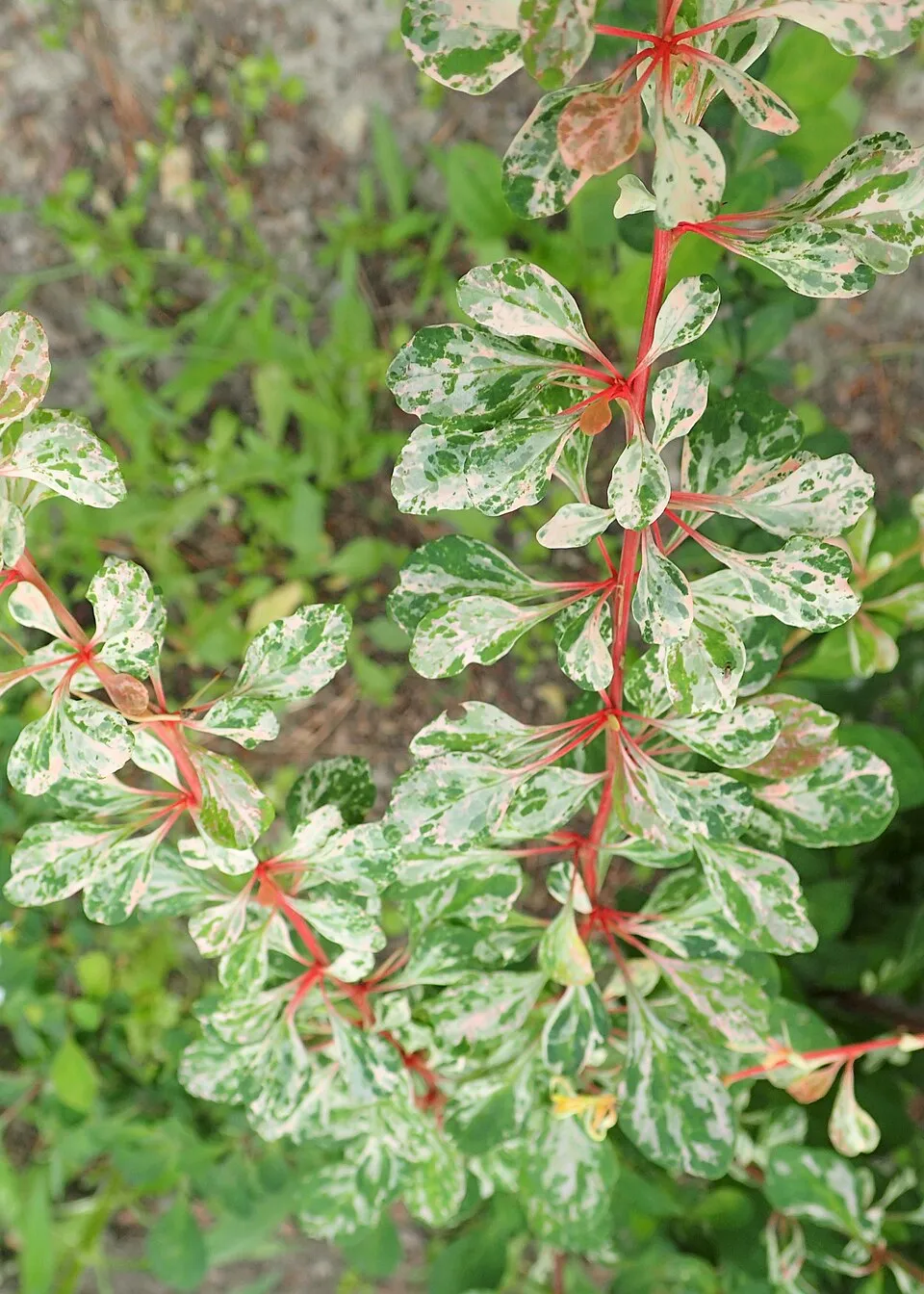
Berberis thunbergii, commonly known as Japanese Barberry or Thunberg's Barberry, is a deciduous shrub belonging to the Berberidaceae family. Native to Asia, this species typically grows to a height of 3 to 6 feet and spreads 4 to 7 feet wide, forming a dense, rounded habit. Its morphology is characterized by small, slightly blue-green to reddish leaves that transform into vibrant fall colors.
A distinctive feature is the presence of a single, sharp spine at each node along its stems. In mid to late spring, Berberis thunbergii produces delicate yellow flowers, often appearing in clusters, which later mature into showy, bright red berries. These berries are a significant ornamental feature, frequently persisting on the shrub well into the winter months.
While aesthetically valued, particularly for its hardiness and vibrant foliage, this plant is recognized as an invasive species in many regions, including North Carolina, where it can form dense thickets that outcompete native flora and alter soil pH. It thrives in full sun to partial shade, requiring at least six hours of daylight, and demonstrates remarkable adaptability to various soil types, provided they are well-drained. The species is also notably tolerant of drought, deer, and urban environmental conditions, contributing to its widespread use in landscaping despite its ecological concerns.
Trusted Scientific References
1. Authoritative external sources for Berberis thunbergii
1.1 Wikipedia — Berberis thunbergii
1.2 Kew POWO (Plants of the World Online)
1.3 PubMed — peer-reviewed research
1.4 NCBI Taxonomy Browser
1.5 GBIF — Global Biodiversity
1.6Berberis Thunbergii should be interpreted through verified botanical identity, practical care, and responsible safety language. This recovery note adds the missing context needed for a complete profile: match light to the plant's habit, use well-drained soil, water according to season, and avoid unsupported medicinal or edible claims. For publishing, the plant can be presented as a source-backed garden plant with clear care guidance, common problem diagnosis, and conservative safety wording.
1.1.Berberis Thunbergii — Distinguishing Points
- ✓Deciduous Shrub — Loses its leaves in the fall, revealing bright red berries.
- ✓Vibrant Fall Color — Leaves turn attractive shades of red and orange in autumn.
- ✓Showy Red Berries — Bright red fruit persists through winter, providing ornamental value.
- ✓Thorny Stems — Features a single sharp spine at each node, a key identification characteristic.
- ✓Yellow Spring Flowers — Small, clustered yellow flowers appear in mid to late spring.
- ✓Adaptable and Hardy — Tolerates a wide range of soil conditions, drought, and urban environments.
- ✓Invasive Species — Recognized for its aggressive spread and ecological impact in many areas.
- ✓Rich in Alkaloids — Contains berberine, a potent compound with diverse medicinal properties.
- ✓Traditional Medicinal Uses — Employed in various ancient healing systems for centuries.
- ✓Low Maintenance — Generally easy to grow once established, requiring minimal care.
1.2.Berberis Thunbergii — Snapshot Summary
- ✓Berberis thunbergii, or Japanese Barberry, is a deciduous shrub native to Asia, known for its red berries and thorny stems.
- ✓Traditionally used in Ayurveda, Unani, and TCM for its anti-inflammatory, antiseptic, and digestive properties.
- ✓Rich in alkaloids like berberine, flavonoids, and tannins, which are responsible for its diverse medicinal actions.
- ✓Offers benefits for digestion, respiratory health, skin conditions, and possesses mild analgesic effects.
- ✓Requires well-drained soil and full sun; however, it is recognized as an invasive species in many regions.
- ✓Contraindicated in pregnancy and requires caution due to potential drug interactions and gastrointestinal side effects.
2.Berberis Thunbergii — Scientific Identity
3.Berberis Thunbergii — Fact Sheet
4.Berberis Thunbergii — Botanical Features
5.Berberis Thunbergii — Origin & Spread
6.Berberis Thunbergii — Traditional Uses
7.Berberis Thunbergii — Key Phytochemicals
- ✓Alkaloids — Berberine (C20H18NO4+), palmatine, jatrorrhizine, and columbamine are prominent, primarily responsible for the plant's antimicrobial, anti-inflammatory, and metabolic regulatory activities.
- ✓Flavonoids — Quercetin, kaempferol derivatives, and other glycosides contribute significantly to the plant's antioxidant, anti-inflammatory, and cardioprotective properties.
- ✓Tannins — Both hydrolysable and condensed tannins are present, imparting astringent properties useful for wound healing and reducing inflammation in mucous membranes.
- ✓Essential Oils — Volatile compounds are found in the leaves and berries, contributing to the plant's aroma and possessing mild antiseptic and calming effects.
- ✓Phenolic Acids — Caffeic acid, chlorogenic acid, and ferulic acid are examples that contribute to the plant's overall antioxidant capacity and protective cellular functions.
- ✓Saponins — These compounds may contribute to the plant's expectorant and anti-inflammatory actions, though their specific roles are less studied in Berberis thunbergii.
- ✓Sterols — Plant sterols are present, which may have implications for cholesterol management and anti-inflammatory responses.
- ✓Polysaccharides — Complex carbohydrates that can contribute to immunomodulatory effects and overall plant health benefits.
8.Berberis Thunbergii — Scientific Evidence
- ✓Anti-inflammatory — The presence of alkaloids like berberine in Berberis thunbergii contributes to its potent anti-inflammatory effects by modulating inflammatory pathways and cytokine production.
- ✓Antiseptic Properties — Berberine and other compounds exhibit broad-spectrum antimicrobial activity, making the plant useful for preventing infections in minor wounds and supporting overall hygiene.
- ✓Digestive Aid — Traditionally, Japanese Barberry has been used to stimulate bile production and improve gut motility, thereby aiding digestion and alleviating symptoms of indigestion.
- ✓Respiratory Health Support — Extracts from the plant may help soothe respiratory passages and reduce inflammation in the airways, contributing to enhanced respiratory function.
- ✓Mild Analgesic Effects — Certain constituents in Berberis thunbergii are believed to possess mild pain-relieving properties, offering relief from minor aches and discomfort.
- ✓Wound Healing — Applied topically, the leaves and flowers can act as a poultice to accelerate the healing of minor cuts, abrasions, and skin irritations due to their soothing and antiseptic qualities.
- ✓Skin Condition Management — The anti-inflammatory and antimicrobial actions make it beneficial for addressing various skin irritations and promoting a healthy epidermal barrier.
- ✓Liver Support — Berberine is known for its hepatoprotective effects, helping to support liver function and detoxification processes.
- ✓Metabolic Regulation — Emerging research on berberine, a key alkaloid, suggests potential benefits in regulating blood glucose and lipid levels, contributing to metabolic health.
- ✓Antioxidant Activity — Flavonoids and other phenolic compounds provide significant antioxidant protection, scavenging free radicals and reducing oxidative stress in the body.
- ✓Cardiovascular Health — Some traditional uses and modern studies indicate potential for supporting cardiovascular health by influencing cholesterol levels and vascular function.
- ✓Traditional Chinese Medicine (TCM) — In TCM, it is used to clear heat, dry dampness, and promote the circulation of Qi, addressing imbalances like digestive issues and inflammatory conditions.
8.1.Berberis Thunbergii — Reported Uses
9.Berberis Thunbergii — Cautions & Contraindications
9.1.Berberis Thunbergii — Warnings
- ✓Gastrointestinal Upset — High doses may lead to nausea, vomiting, diarrhea, or abdominal discomfort in sensitive individuals.
- ✓Allergic Reactions — Rare cases of skin rash or other allergic responses may occur in susceptible individuals.
- ✓Hypotension — Due to its potential cardiovascular effects, it may lower blood pressure, which could be problematic for individuals already on hypotensive medications.
- ✓Uterine Contractions — Berberine can stimulate uterine contractions, making it contraindicated during pregnancy.
- ✓Photosensitivity — Some individuals may experience increased sensitivity to sunlight when consuming Berberis extracts, though this is uncommon.
- ✓Spines — The sharp spines on the stems pose a physical hazard, potentially causing scratches or punctures during handling or gardening activities.
- ✓Drug Interactions — May interact with certain medications, including anticoagulants, blood pressure drugs, and drugs metabolized by the cytochrome P450 system.
9.2.Berberis Thunbergii — Safety Overview
- ✓Pregnancy and Lactation — Absolutely contraindicated during pregnancy due to uterine stimulant effects; avoid during lactation due to lack of safety data.
- ✓Children — Not recommended for infants or young children due to potential toxicity and lack of specific pediatric dosing guidelines.
- ✓Drug Interactions — Exercise extreme caution and consult a healthcare professional if taking prescription medications, especially anticoagulants, anti-diabetics, or immunosuppressants.
- ✓Pre-existing Conditions — Individuals with liver disease, kidney disease, or cardiovascular conditions should use with medical supervision due to potential systemic effects.
- ✓Dosage Adherence — Adhere strictly to recommended dosages; excessive intake can lead to adverse effects and potential toxicity.
- ✓Topical Use — Perform a patch test before extensive topical application to check for skin sensitivity or allergic reactions.
- ✓Invasiveness — Be aware of its invasive nature when planting; consider sterile cultivars or native alternatives to prevent ecological harm.
10.Berberis Thunbergii — Preparation Methods
- ✓Decoction for Internal Use — Prepare a decoction from dried root bark or stems by simmering in water to extract beneficial compounds for digestive or anti-inflammatory support.
- ✓Tincture Preparation — Macerate dried plant parts in alcohol to create a concentrated tincture, allowing for easy internal administration in controlled doses.
- ✓Topical Poultice — Crush fresh leaves or flowers and apply directly to minor wounds, cuts, or skin irritations for their antiseptic and soothing properties.
- ✓Infused Oil — Infuse dried leaves and berries in a carrier oil (e.g., olive oil) to create a topical preparation for massages or skin applications.
- ✓Herbal Tea — Infuse dried leaves or berries in hot water to make a mild herbal tea, traditionally used for digestive comfort or as a general tonic.
- ✓Aromatherapy — While less common for B. thunbergii specifically, essential oils from Berberis species may be diffused for relaxation or stress relief, though caution is advised regarding specific plant sourcing.
- ✓Capsule or Tablet Form — Standardized extracts of key alkaloids, particularly berberine, are available in capsule or tablet form for convenient and precise dosing.
- ✓Mouthwash/Gargle — A diluted decoction can be used as a mouthwash or gargle for oral hygiene or to soothe minor throat irritations.
11.Berberis Thunbergii — How to Grow
- ✓Soil Preference — Thrives in well-drained, loamy soil that is rich in organic matter, avoiding heavy clay or waterlogged conditions.
- ✓Light Requirements — Prefers full sun to partial shade, ideally receiving at least 6 hours of direct sunlight daily for optimal growth and berry production.
- ✓Watering Schedule — Maintain consistent soil moisture, especially during dry periods, but allow the topsoil to dry slightly between waterings to prevent root rot.
- ✓Pruning Techniques — Regular pruning is recommended to maintain a bushy form, remove dead or damaged branches, and control its size, particularly important for managing its invasive tendencies.
- ✓Fertilization — Apply a balanced, slow-release fertilizer in early spring to support vigorous foliage and flowering throughout the growing season.
- ✓Propagation — Can be propagated by seeds, which are dispersed by birds, or by root suckers, contributing to its invasive spread; sterile cultivars are recommended to mitigate this.
- ✓Pest and Disease Management — Generally robust, but monitor for common issues like aphids, scale insects, and occasional fungal spots, addressing them with appropriate organic or chemical treatments.
- ✓Invasive Species Consideration — Due to its invasive nature, consider planting sterile cultivars or native alternatives to Japanese Barberry to protect local ecosystems.
Reviewed by the Flora Medical Global Botanical Review Panel
Multi-disciplinary editorial group · Botany · Ethnobotany · Herbal-medicine literature
Who reviewed this: This page was checked by the Flora Medical Global Botanical Review Panel — an in-house editorial group of botany graduates, ethnobotany researchers, and horticulture practitioners who collectively maintain our 7,000+ plant encyclopedia. Meet the team.
Our 4-step verification process
1. Taxonomic verification
Scientific names and synonyms cross-checked against Kew POWO, World Flora Online, and The Plant List.
2. Phytochemical & medicinal cross-reference
Active compounds, traditional uses, and reported activities are cross-referenced with PubMed, USDA Dr. Duke's database, and peer-reviewed ethnobotanical literature.
3. Conservation & distribution check
Distribution, ecology, and conservation status confirmed against GBIF occurrence records and the IUCN Red List.
4. Editorial & safety review
Every entry passes an editorial pass for clarity, originality, and safety notices (toxicity, contraindications, dosage caveats) before publication.
Last reviewed:
Important medical disclaimer: This content is for educational and research purposes only. It is not medical advice and is not a substitute for consultation with a licensed healthcare provider. Do not use any herb to self-treat a medical condition without professional guidance.
Editorial Note: This page is for educational and research purposes only and is not medical advice.
Written by: Flora Medical Global Editorial Team
Reviewed by: Flora Medical Global Botanical Review Panel
Last Updated: June 15, 2026





Berberis Thunbergii — Comments & Community Reviews
Rate this plant