

Medical Disclaimer: This content is for educational purposes only. It is not medical advice. Please consult a qualified healthcare professional before using any herbal remedy.
Safety Overview
1.Betula Papyrifera — Essential Profile
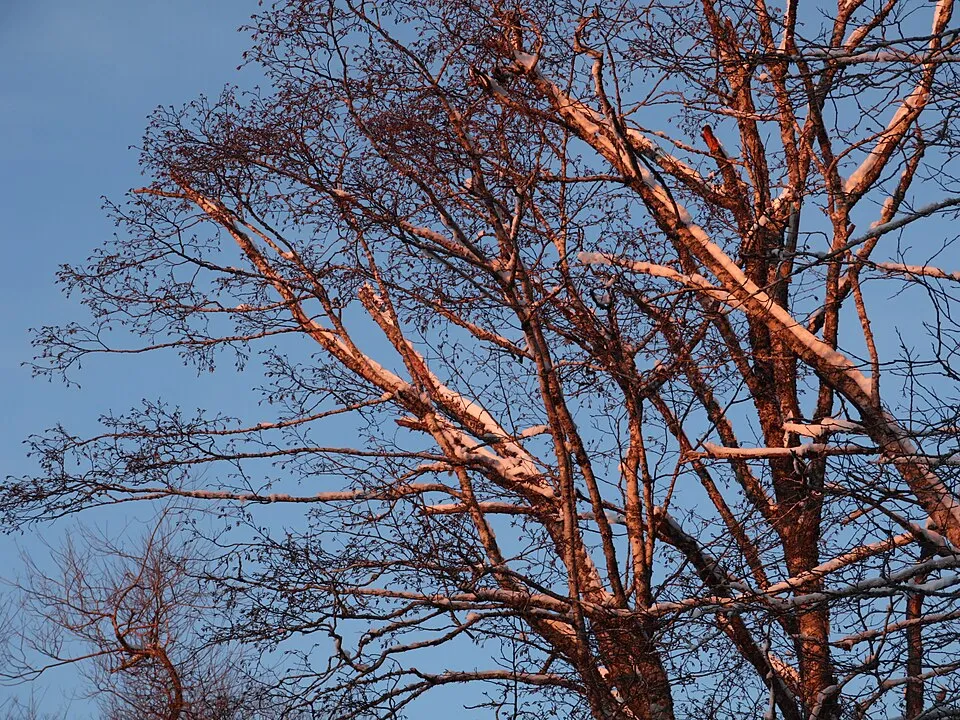
Betula papyrifera, commonly known as Paper Birch, Canoe Birch, or White Birch, is a striking deciduous tree celebrated for its distinctive brilliant white bark that exfoliates in papery strips, often revealing an orange-brown inner layer. This species typically grows into a loosely pyramidal shape when young, maturing into an irregular oval or rounded crown, frequently retaining its lower branches. It can be cultivated as a single-trunked specimen, which tends to be taller, or as a multi-stemmed tree, resulting in a shorter stature and a more irregular crown.
Native to the cool, northern regions of North America, including much of Canada, Alaska, and the northern United States, Betula papyrifera is well-adapted to its native habitat where summer temperatures rarely exceed 24°C (75°F) and root zones are insulated by snow in winter. It is a pioneer species, meaning it is one of the first to colonize disturbed areas, exhibiting rapid growth in its early years. The tree produces tiny, monoecious flowers in separate catkins during early spring; the greenish female flowers develop into drooping, cone-like fruits containing numerous small, winged seeds that mature in late summer.
Its leaves turn a vibrant yellow in autumn, adding significant seasonal interest. Paper Birch thrives in moist, acidic, sandy or rocky, well-drained soils, tolerating a range of soil types but preferring full sun for optimal foliage color and vigor, though it appreciates partial afternoon shade in warmer climates to mitigate heat stress.
Trusted Scientific References
1. Authoritative external sources for Betula papyrifera
1.1 Wikipedia — Betula papyrifera
1.2 Kew POWO (Plants of the World Online)
1.3 PubMed — peer-reviewed research
1.4 NCBI Taxonomy Browser
1.5 GBIF — Global Biodiversity
1.6Betula Papyrifera should be interpreted through verified botanical identity, practical care, and responsible safety language. This recovery note adds the missing context needed for a complete profile: match light to the plant's habit, use well-drained soil, water according to season, and avoid unsupported medicinal or edible claims. For publishing, the plant can be presented as a source-backed garden plant with clear care guidance, common problem diagnosis, and conservative safety wording.
1.1.Betula Papyrifera — Distinguishing Points
- ✓Exfoliating White Bark — A hallmark feature, revealing orange-brown inner bark.
- ✓Deciduous Tree — Known for its vibrant yellow fall foliage.
- ✓Northern Hardiness — Thrives in cold climates, state tree of New Hampshire.
- ✓Pioneer Species — Quickly colonizes disturbed areas, exhibiting rapid initial growth.
- ✓Medicinal Properties — Bark and leaves traditionally used for various therapeutic purposes.
- ✓Rich in Betulin — A key triterpenoid with significant pharmacological interest.
- ✓Wildlife Friendly — Serves as a larval host plant for butterflies like the Eastern Tiger Swallowtail.
- ✓Multi — stemmed or Single Trunk — Adaptable growth habit suitable for various landscapes.
- ✓Catkin Flowers — Produces monoecious catkins in early spring, followed by winged seeds.
- ✓Easy to Transplant — A relatively forgiving tree for landscape establishment.
1.2.Betula Papyrifera — In Brief
- ✓Iconic white, peeling bark makes Paper Birch a distinctive tree.
- ✓Native to cool, northern North American climates.
- ✓Traditionally used for its diuretic, anti-inflammatory, and antiseptic properties.
- ✓Rich in triterpenoids (betulin) and salicylates.
- ✓Supports kidney function, skin health, and pain relief.
- ✓Requires moist, acidic, well-drained soil and cool temperatures.
2.Betula Papyrifera — Scientific Identity
3.Betula Papyrifera — Fact Sheet
4.Betula Papyrifera — Physical Description
5.Betula Papyrifera — Native Range & Habitat
6.Betula Papyrifera — Folk Medicine Applications
7.Betula Papyrifera — Phytochemistry
- ✓Triterpenoids — Notably Betulin and Betulinic acid, highly concentrated in the bark, are recognized for their potent anti-inflammatory, antiviral, anticancer, and hepatoprotective activities.
- ✓Salicylates — Including Methyl salicylate, found in bark and leaves, which acts as a natural analgesic and anti-inflammatory agent, similar to aspirin.
- ✓Flavonoids — Such as quercetin, kaempferol derivatives, and other glycosides, contributing antioxidant and anti-inflammatory benefits.
- ✓Tannins — High concentrations of gallotannins and other polyphenols, providing astringent, antiseptic, and antioxidant effects beneficial for tissue health.
- ✓Volatile Oils — A complex mixture of monoterpenes and sesquiterpenes, contributing to the plant's characteristic aroma and offering mild antimicrobial properties.
- ✓Phenolic Acids — Including caffeic acid and chlorogenic acid, which possess antioxidant and anti-inflammatory properties.
- ✓Sterols — Compounds like beta-sitosterol, known for their cholesterol-lowering and anti-inflammatory potential.
- ✓Saponins — Glycosides that can have expectorant and diuretic effects, contributing to the plant's traditional uses.
- ✓Resins — Complex mixtures present in the bark, contributing to its protective qualities and traditional applications.
8.Betula Papyrifera — Evidence-Based Benefits
- ✓Diuretic Properties — Extracts from Betula papyrifera bark and leaves are traditionally used to promote urine flow, aiding in the detoxification process and supporting kidney function.
- ✓Anti-inflammatory Action — The presence of compounds like betulin and methyl salicylate contributes to reducing inflammation throughout the body, offering relief for conditions such as arthritis.
- ✓Analgesic Effects — Methyl salicylate, a natural precursor to aspirin, provides pain-relieving properties, making it useful for alleviating minor aches and muscle soreness.
- ✓Antiseptic Qualities — Birch bark and leaf preparations exhibit mild antiseptic activity, beneficial for cleansing minor wounds and supporting skin health.
- ✓Astringent Benefits — Tannins in the bark and leaves provide astringent effects, which can help tighten tissues, reduce secretions, and protect skin from irritation.
- ✓Skin Health Support — Traditionally applied topically, Paper Birch extracts can soothe skin irritations, eczema, and psoriasis due to their anti-inflammatory and antiseptic compounds.
- ✓Detoxification Aid — By enhancing kidney function and fluid elimination, Betula papyrifera supports the body's natural detoxification pathways.
- ✓Wound Healing — The combination of antiseptic and astringent properties assists in the healing of minor cuts, scrapes, and skin lesions.
- ✓Gout and Rheumatism Relief — Its diuretic and anti-inflammatory actions may help reduce the accumulation of uric acid and alleviate joint pain associated with gout and rheumatism.
- ✓Antifungal Activity — Preliminary research on betulin and other triterpenes suggests potential antifungal properties, contributing to its traditional use in various remedies.
8.1.Betula Papyrifera — Conditions Traditionally Used For
9.Betula Papyrifera — Safety Considerations
9.1.Betula Papyrifera — Side Effects & Warnings
- ✓Allergic Reactions — Individuals sensitive to salicylates or birch pollen may experience allergic reactions, including skin rashes, itching, or respiratory issues.
- ✓Gastrointestinal Upset — High doses of birch preparations, especially bark, can lead to stomach upset, nausea, or diarrhea in some individuals.
- ✓Kidney Irritation — While generally safe as a diuretic, excessive use or use in individuals with pre-existing kidney conditions could potentially irritate the kidneys.
- ✓Drug Interactions — Due to its salicylate content, birch may interact with anticoagulant medications, increasing the risk of bleeding.
- ✓Photosensitivity — Some individuals may experience increased skin sensitivity to sunlight when using birch preparations topically.
- ✓Hypotension — Large quantities may cause a temporary drop in blood pressure due to diuretic effects.
- ✓Skin Irritation — Topical application might cause irritation in sensitive individuals, especially with concentrated extracts.
9.2.Betula Papyrifera — Safety Overview
- ✓Pregnancy and Lactation — Avoid use during pregnancy and breastfeeding due to insufficient safety data and potential effects on uterine contractions or infant health.
- ✓Kidney Disease — Contraindicated in individuals with severe kidney disease or compromised renal function, as diuretic effects could exacerbate conditions.
- ✓Salicylate Sensitivity — Individuals with aspirin allergy or sensitivity to salicylates should avoid birch preparations due to potential cross-reactivity.
- ✓Bleeding Disorders and Surgery — Discontinue use at least two weeks before surgery due to potential anticoagulant effects that may increase bleeding risk.
- ✓Children — Not recommended for use in young children, especially for internal consumption, without professional medical advice.
- ✓Autoimmune Conditions — Use with caution in individuals with autoimmune disorders, as birch may modulate immune responses.
- ✓Hydration Status — Ensure adequate hydration when using birch as a diuretic to prevent electrolyte imbalance and dehydration.
10.Betula Papyrifera — Preparation Methods
- ✓Bark Decoction — Prepare a tea by simmering dried bark in water for 15-20 minutes, traditionally used for its diuretic and anti-inflammatory properties.
- ✓Leaf Infusion — Steep dried leaves in hot water for 5-10 minutes to create a mild tea, often consumed for its detoxifying and astringent effects.
- ✓Topical Poultice — Crush fresh or rehydrated bark/leaves and apply directly to skin for wound healing, soothing irritations, or reducing localized inflammation.
- ✓Tincture Preparation — Macerate bark or leaves in alcohol for several weeks to extract active compounds, then filter and use drops for internal or external application.
- ✓Birch Sap Collection — Tap the tree in early spring to collect its nutrient-rich sap, consumed fresh as a tonic or fermented into beverages.
- ✓Ointments and Salves — Infuse birch bark in carrier oils, then combine with beeswax to create topical preparations for skin conditions, muscle aches, and joint pain.
- ✓Steam Inhalation — Add birch leaves to hot water for steam inhalation to help clear respiratory passages, leveraging its mild antiseptic properties.
- ✓Bath Additive — Infuse bark or leaves in bathwater to soothe irritated skin and promote relaxation.
11.Betula Papyrifera — Garden Cultivation
- ✓Soil Preference — Thrives in moist, acidic, sandy or rocky, well-drained soils; tolerates a range of soil types but avoids heavy clay.
- ✓Sunlight Requirements — Prefers full sun for optimal growth and foliage color, but benefits from afternoon partial shade in warmer climates to prevent heat stress.
- ✓Climate Suitability — Best suited for cool northern climates (USDA Zone 2-7) where summer temperatures are moderate and root zones are naturally cool.
- ✓Watering Regimen — Requires consistent moisture; avoid waterlogging but ensure the root zone remains damp, especially during dry spells.
- ✓Mulching Practices — Apply bark mulch around the base to help retain soil moisture and keep the shallow root system cool, mimicking its natural forest floor habitat.
- ✓Pruning Guidelines — Minimal pruning is needed; if necessary, prune during the dormant season after leaf fall but before sap begins to run in late winter or early spring to prevent bleeding.
- ✓Pest and Disease Management — Monitor for common issues like bronze birch borer, aphids, and leaf miners, which can stress the tree, particularly in unsuitable climates.
- ✓Transplanting Ease — Generally easy to transplant, making it a popular choice for landscape use.
Reviewed by the Flora Medical Global Botanical Review Panel
Multi-disciplinary editorial group · Botany · Ethnobotany · Herbal-medicine literature
Who reviewed this: This page was checked by the Flora Medical Global Botanical Review Panel — an in-house editorial group of botany graduates, ethnobotany researchers, and horticulture practitioners who collectively maintain our 7,000+ plant encyclopedia. Meet the team.
Our 4-step verification process
1. Taxonomic verification
Scientific names and synonyms cross-checked against Kew POWO, World Flora Online, and The Plant List.
2. Phytochemical & medicinal cross-reference
Active compounds, traditional uses, and reported activities are cross-referenced with PubMed, USDA Dr. Duke's database, and peer-reviewed ethnobotanical literature.
3. Conservation & distribution check
Distribution, ecology, and conservation status confirmed against GBIF occurrence records and the IUCN Red List.
4. Editorial & safety review
Every entry passes an editorial pass for clarity, originality, and safety notices (toxicity, contraindications, dosage caveats) before publication.
Last reviewed:
Important medical disclaimer: This content is for educational and research purposes only. It is not medical advice and is not a substitute for consultation with a licensed healthcare provider. Do not use any herb to self-treat a medical condition without professional guidance.
Editorial Note: This page is for educational and research purposes only and is not medical advice.
Written by: Flora Medical Global Editorial Team
Reviewed by: Flora Medical Global Botanical Review Panel
Last Updated: June 15, 2026





Betula Papyrifera — Comments & Community Reviews
Rate this plant