
Medical Disclaimer: This content is for educational purposes only. It is not medical advice. Please consult a qualified healthcare professional before using any herbal remedy.
Safety Overview
1.Betula Pendula — Introduction & Highlights
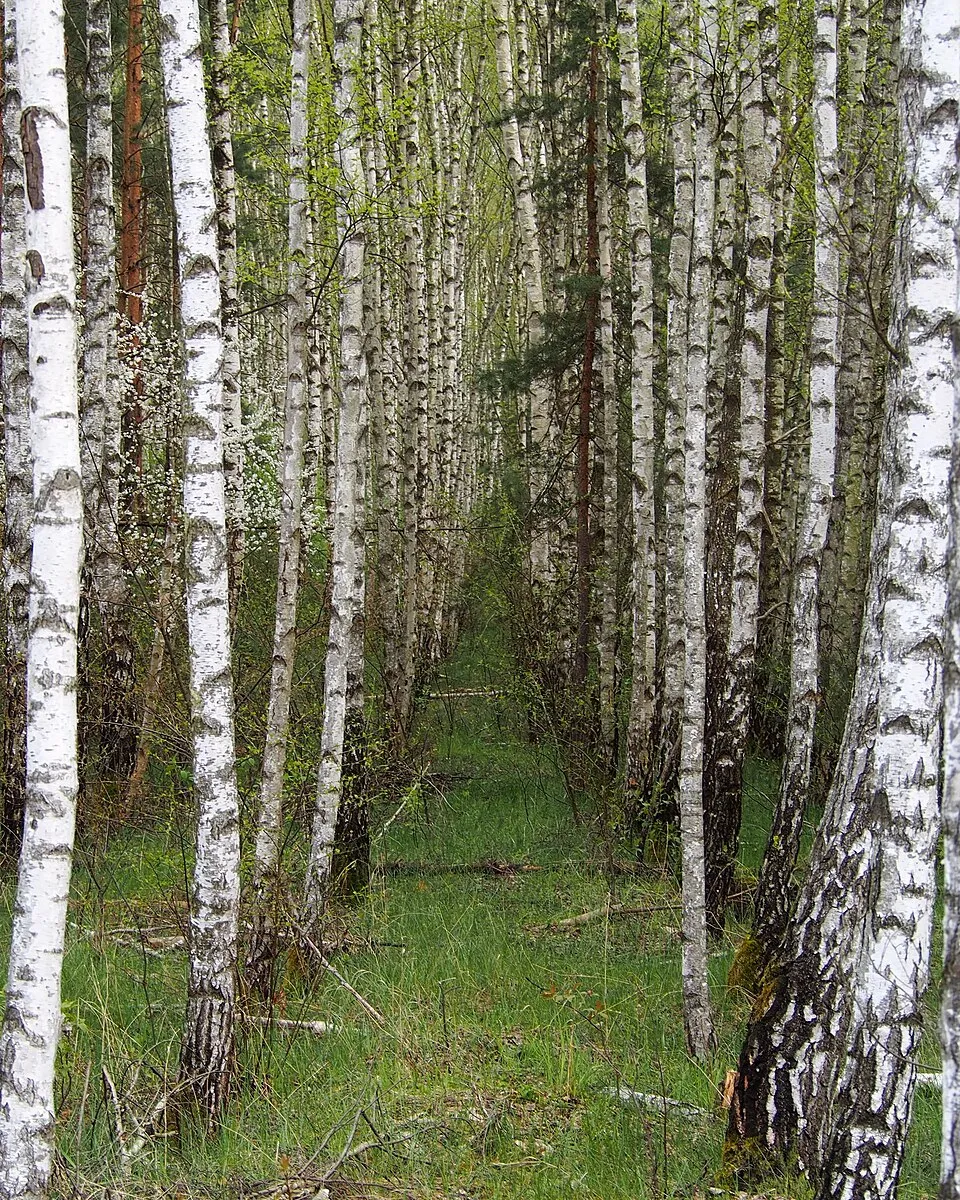
Betula pendula, commonly known as Silver Birch or European White Birch, is a striking deciduous tree belonging to the Betulaceae family, renowned for its distinctive papery white bark that peels in horizontal strips, especially on mature specimens. This elegant tree typically grows to heights of 15-25 meters, characterized by its slender, often pendulous branches that give it a graceful, weeping appearance. Its leaves are rhombic-ovate, bright green, with doubly serrated margins, turning a brilliant golden-yellow in autumn.
The flowers appear in early spring as catkins; male catkins are long and pendulous, while female catkins are shorter and erect, developing into small winged nutlets that are dispersed by wind. Silver Birch is a pioneer species, thriving in a variety of well-drained soils, from sandy to loamy, and prefers full sun to partial shade. It is widely distributed across Europe and parts of northern Asia, often found in woodlands, heathlands, and as an ornamental tree in parks and gardens.
Its adaptability and rapid growth make it a common sight across temperate regions, contributing significantly to local biodiversity and ecological succession. The tree’s resilience and aesthetic appeal have made it a culturally significant species in many regions.
Trusted Scientific References
1. Authoritative external sources for Betula pendula
1.1 Wikipedia — Betula pendula
1.2 Kew POWO (Plants of the World Online)
1.3 PubMed — peer-reviewed research
1.4 NCBI Taxonomy Browser
1.5 GBIF — Global Biodiversity
1.6Betula Pendula should be interpreted through verified botanical identity, practical care, and responsible safety language. This recovery note adds the missing context needed for a complete profile: match light to the plant's habit, use well-drained soil, water according to season, and avoid unsupported medicinal or edible claims. For publishing, the plant can be presented as a source-backed garden plant with clear care guidance, common problem diagnosis, and conservative safety wording.
1.1.Betula Pendula — Defining Traits
- ✓Distinctive White Bark — Iconic peeling white bark, a hallmark of Betula pendula, providing aesthetic appeal and medicinal compounds.
- ✓Rich in Betulin and Betulinic Acid — Primary bioactive triterpenoids in the bark, extensively researched for anti-inflammatory and anti-cancer properties.
- ✓Potent Anti — inflammatory Action — Efficacious in managing inflammatory conditions, including arthritis and skin irritations.
- ✓Natural Diuretic — Leaves are traditionally used to promote urine flow, aiding in detoxification and alleviating edema.
- ✓Antioxidant Powerhouse — High content of flavonoids and phenolic acids combats oxidative stress and protects cellular health.
- ✓Dermatological Benefits — Extracts are valued in skincare for soothing, healing, and protecting the skin.
- ✓Immunomodulatory Effects — Supports and balances the immune system, enhancing overall resilience.
- ✓Versatile Traditional Use — Employed across various cultures for remedies ranging from internal tinctures to topical poultices and refreshing sap.
- ✓Pioneer Species — Ecologically important, thriving in diverse environments and contributing to forest regeneration.
- ✓Ornamental and Medicinal — Valued both for its striking beauty in landscapes and its profound therapeutic potential.
1.2.Betula Pendula — In Brief
- ✓Silver Birch (Betula pendula) is a versatile medicinal plant, cherished for its distinctive bark and therapeutic properties.
- ✓Rich in triterpenoids (betulin, betulinic acid) and flavonoids, it offers significant anti-inflammatory, antioxidant, and immunomodulatory benefits.
- ✓Traditionally used for urinary tract health, joint pain, and skin conditions, modern research highlights its potential in dermatological and anti-cancer applications.
- ✓Preparations include leaf infusions, bark decoctions, and topical creams, with birch sap prized as a detoxifying tonic.
- ✓Exercise caution with use, especially for those with allergies, kidney issues, or during pregnancy, and always consult a healthcare professional.
2.Betula Pendula — Taxonomic Classification
3.Betula Pendula — Botanical Stats
4.Betula Pendula — Structural Profile
5.Betula Pendula — Geographic Distribution
6.Betula Pendula — Cultural & Traditional Roles
7.Betula Pendula — Bioactive Constituents
- ✓Triterpenoids — Key compounds include betulin, betulinic acid, lupeol, and papyriferic acid, primarily found in the bark. These exhibit significant anti-inflammatory, antiviral, and anticancer activities.
- ✓Flavonoids — Present in leaves, these include quercetin, kaempferol, myricetin, and their glycosides (e.g., hyperoside). They are potent antioxidants and contribute to anti-inflammatory and immunomodulatory effects.
- ✓Phenolic Acids — Derivatives like caffeic acid, p-coumaric acid, and ferulic acid are found in various parts of the plant, contributing to antioxidant and anti-inflammatory properties.
- ✓Diarylheptanoids — A unique class of compounds found in Betula species, such as platyphylloside, demonstrating antioxidant and anti-inflammatory potential.
- ✓Lignans — Present in the wood and bark, these compounds possess antioxidant and potentially estrogenic activities.
- ✓Tannins — Catechin and gallocatechin derivatives are found in bark and leaves, contributing to astringent and antimicrobial effects.
- ✓Saponins — These glycosides are present in small amounts and may contribute to the diuretic and expectorant properties.
- ✓Essential Oils — Trace amounts in leaves and bark, containing monoterpenes and sesquiterpenes, which contribute to the plant's aroma and some antimicrobial actions.
- ✓Polysaccharides — Found in the sap and wood, these can have immunomodulatory effects.
8.Betula Pendula — What Research Suggests
- ✓Anti-inflammatory — Betula pendula extracts, particularly from bark and leaves, contain triterpenoids like betulin and betulinic acid, which inhibit pro-inflammatory mediators, offering relief in conditions such as arthritis and general inflammation.
- ✓Immunomodulatory — Compounds in birch, including flavonoids and triterpenoids, have been shown to modulate immune responses, potentially enhancing the body's defense mechanisms and balancing immune function.
- ✓Antimicrobial — Bark and leaf extracts exhibit broad-spectrum antimicrobial activity against bacteria, fungi, and viruses, attributed to betulinic acid and other phenolic compounds, useful for topical infections.
- ✓Antiviral — Specific triterpenoids, notably betulinic acid, demonstrate activity against certain viruses, including herpes simplex virus type 1 (HSV-1), by interfering with viral replication.
- ✓Antioxidant — Rich in flavonoids and phenolic acids, Silver Birch provides significant antioxidant protection, neutralizing free radicals and reducing oxidative stress throughout the body.
- ✓Antidiabetic Potential — Preliminary research suggests that certain birch extracts may help regulate blood glucose levels, offering potential support for metabolic health.
- ✓Dermatological Support — Used topically, birch extracts can soothe skin irritations, promote wound healing, and improve skin barrier function, beneficial for conditions like eczema and psoriasis.
- ✓Gastroprotective — Compounds within Betula pendula have shown gastroprotective effects, helping to protect the stomach lining from damage and supporting digestive comfort.
- ✓Hepatoprotective — Studies indicate that birch extracts may help protect liver cells from damage caused by toxins, supporting overall liver health and function.
- ✓Antiarthritic — Given its potent anti-inflammatory properties, Betula pendula has been traditionally and experimentally recognized for alleviating symptoms associated with degenerative joint diseases like osteoarthritis.
- ✓Anticancer Potential — Betulin and betulinic acid have been extensively studied for their anti-carcinogenic effects, including inducing apoptosis in various cancer cell lines and inhibiting tumor growth.
- ✓Diuretic and Detoxicant — Birch leaves are traditionally used as a mild diuretic, promoting urine flow and aiding in the elimination of toxins and excess fluid from the body, supporting kidney and urinary tract health.
8.1.Betula Pendula — Reported Uses
9.Betula Pendula — Risk Profile
9.1.Betula Pendula — Possible Adverse Reactions
- ✓Allergic Reactions — Individuals sensitive to birch pollen may experience cross-reactivity, leading to allergic symptoms like rhinitis or skin rashes.
- ✓Diuretic Effects — Excessive consumption, particularly of leaf preparations, may lead to increased urination and potential electrolyte imbalance or dehydration.
- ✓Kidney Irritation — In rare cases, high doses or prolonged use, especially with pre-existing kidney conditions, might irritate the kidneys.
- ✓Gastrointestinal Upset — Some individuals may experience mild stomach upset, nausea, or diarrhea, particularly with bark preparations.
- ✓Skin Sensitivity — Topical application may cause contact dermatitis or irritation in sensitive individuals; a patch test is recommended.
- ✓Drug Interactions — May interact with diuretic medications, increasing their effect, or with anti-inflammatory drugs.
9.2.Betula Pendula — Toxicity Assessment
- ✓Pregnancy and Breastfeeding — Avoid use during pregnancy and lactation due to insufficient safety data and potential diuretic effects.
- ✓Kidney or Heart Conditions — Individuals with severe kidney disease, heart failure, or edema caused by impaired heart or kidney function should avoid birch preparations due to diuretic action.
- ✓Allergy Warning — Contraindicated in individuals with known allergies to birch pollen or other members of the Betulaceae family.
- ✓Dehydration Risk — Monitor hydration levels when using birch as a diuretic; ensure adequate fluid intake.
- ✓Consultation with Healthcare Professional — Always consult a qualified healthcare provider before using Betula pendula, especially if taking medications or having underlying health conditions.
- ✓Topical Patch Test — For topical applications, perform a patch test on a small skin area to check for sensitivity before widespread use.
10.Betula Pendula — How to Use
- ✓Leaf Infusion (Tea) — Steep 1-2 teaspoons of dried birch leaves in hot water for 10-15 minutes; traditionally used as a diuretic and for urinary tract support.
- ✓Bark Decoction — Simmer birch bark in water for 15-20 minutes; used for its anti-inflammatory properties, often for joint pain or skin conditions.
- ✓Tincture — A concentrated alcoholic extract of birch leaves or bark; typically taken in drops mixed with water for systemic benefits.
- ✓Topical Poultice — Crushed fresh leaves or powdered bark mixed with water can be applied directly to the skin for wounds, rashes, or minor irritations.
- ✓Birch Sap Collection — Collected in early spring by tapping the tree; consumed as a refreshing tonic, believed to support detoxification and provide minerals.
- ✓Ointments and Creams — Extracts from birch bark are incorporated into dermatological preparations for conditions like eczema, psoriasis, and wound healing.
- ✓Bath Additive — Infusions of birch leaves or bark can be added to bathwater to soothe irritated skin and promote relaxation.
11.Betula Pendula — Growing Guide
- ✓Soil Preference — Thrives in well-drained, acidic to neutral soil, rich in organic matter. Avoid heavy, waterlogged clay soils.
- ✓Light Requirements — Prefers full sun for optimal growth, but can tolerate partial shade, especially in hotter climates.
- ✓Watering Schedule — Requires regular watering, particularly during dry spells and in its establishment phase; avoid overwatering to prevent root rot.
- ✓Fertilization — Benefit from a balanced organic fertilizer application in early spring, especially for young trees or in nutrient-poor soils.
- ✓Propagation — Can be propagated from seeds, which require a period of cold stratification, or from softwood cuttings taken in early summer.
- ✓Pruning — Minimal pruning is needed; remove dead or crossing branches in late summer or early autumn to prevent sap bleed.
- ✓Hardiness Zones — Highly adaptable and cold-hardy, typically thriving in USDA zones 2-7.
Reviewed by the Flora Medical Global Botanical Review Panel
Multi-disciplinary editorial group · Botany · Ethnobotany · Herbal-medicine literature
Who reviewed this: This page was checked by the Flora Medical Global Botanical Review Panel — an in-house editorial group of botany graduates, ethnobotany researchers, and horticulture practitioners who collectively maintain our 7,000+ plant encyclopedia. Meet the team.
Our 4-step verification process
1. Taxonomic verification
Scientific names and synonyms cross-checked against Kew POWO, World Flora Online, and The Plant List.
2. Phytochemical & medicinal cross-reference
Active compounds, traditional uses, and reported activities are cross-referenced with PubMed, USDA Dr. Duke's database, and peer-reviewed ethnobotanical literature.
3. Conservation & distribution check
Distribution, ecology, and conservation status confirmed against GBIF occurrence records and the IUCN Red List.
4. Editorial & safety review
Every entry passes an editorial pass for clarity, originality, and safety notices (toxicity, contraindications, dosage caveats) before publication.
Last reviewed:
Important medical disclaimer: This content is for educational and research purposes only. It is not medical advice and is not a substitute for consultation with a licensed healthcare provider. Do not use any herb to self-treat a medical condition without professional guidance.
Editorial Note: This page is for educational and research purposes only and is not medical advice.
Written by: Flora Medical Global Editorial Team
Reviewed by: Flora Medical Global Botanical Review Panel
Last Updated: June 15, 2026





Betula Pendula — Comments & Community Reviews
Rate this plant