


Medical Disclaimer: This content is for educational purposes only. It is not medical advice. Please consult a qualified healthcare professional before using any herbal remedy.
Safety Overview
1.Bidens — Introduction & Highlights
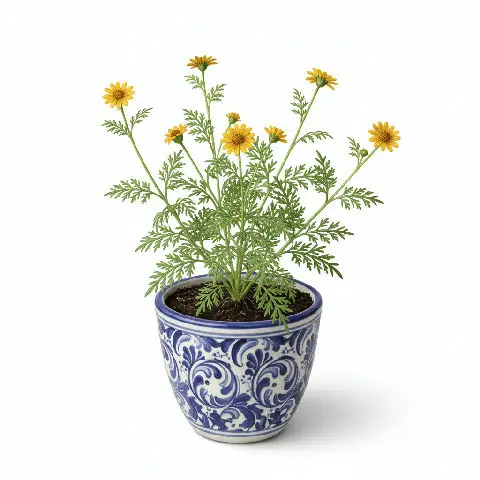
Bidens ferulifolia, commonly known as Apache Beggarticks, Yellow Bidens, or Fern-leaved Bidens, is a captivating annual or short-lived perennial herb belonging to the expansive Asteraceae family. This botanical specimen is indigenous to the arid and semi-arid landscapes of the southwestern United States and Mexico, where it thrives in challenging conditions. Morphologically, it is characterized by its profusion of vibrant, daisy-like yellow blooms that appear continuously from late spring through the first frost, set against finely divided, fern-like foliage.
The genus name 'Bidens' is rooted in Latin, combining 'bis' (two) and 'dens' (tooth), a direct reference to the distinctive two prominent, often barbed awns found on its achenes, which are crucial for seed dispersal by clinging to passing animals or clothing. The specific epithet 'ferulifolia' aptly describes its delicate, fern-like leaves. While historically celebrated more for its ornamental value in horticulture – gracing rock gardens, xeriscapes, containers, and hanging baskets – Bidens ferulifolia also plays an important ecological role, attracting a diverse array of pollinators such as bees and butterflies.
Despite having a shorter documented history of medicinal use compared to its widespread relative, Bidens pilosa, contemporary pharmacological investigations into B. ferulifolia are increasingly revealing a rich phytochemical profile. This includes a notable presence of flavonoids and chalcones, compounds associated with potential anti-inflammatory, antioxidant, and antimicrobial activities, positioning this plant as a subject of growing therapeutic interest.
Trusted Scientific References
1. Authoritative external sources for Bidens ferulifolia
1.1 Wikipedia — Bidens ferulifolia
1.2 Kew POWO (Plants of the World Online)
1.3 PubMed — peer-reviewed research
1.4 NCBI Taxonomy Browser
1.5 GBIF — Global Biodiversity
1.6Bidens should be interpreted through verified botanical identity, practical care, and responsible safety language. This recovery note adds the missing context needed for a complete profile: match light to the plant's habit, use well-drained soil, water according to season, and avoid unsupported medicinal or edible claims. For publishing, the plant can be presented as a source-backed garden plant with clear care guidance, common problem diagnosis, and conservative safety wording.
1.1.Bidens — Defining Traits
- ✓Botanical Name — Bidens ferulifolia
- ✓Family — Asteraceae (Daisy Family)
- ✓Common Names — Apache Beggarticks, Yellow Bidens, Fern-leaved Bidens
- ✓Native Region — Southwestern United States and Mexico
- ✓Key Phytochemicals — Flavonoids, Chalcones, Polyacetylenes
- ✓Primary Uses — Ornamental horticulture, Emerging medicinal research
- ✓Growth Habit — Annual or short-lived perennial herb
- ✓Flower Color — Bright, cheerful yellow
- ✓Drought Tolerance — High, suitable for dry climates
- ✓Pollinator Attractor — Attracts bees and butterflies
1.2.Bidens — At-a-Glance Summary
- ✓Ornamental and Emerging Medicinal Plant — Celebrated for its vibrant blooms and increasingly recognized for its therapeutic potential.
- ✓Rich Phytochemical Profile — Contains beneficial flavonoids, chalcones, and polyacetylenes, driving its bioactivity.
- ✓Potential Anti-inflammatory & Antioxidant — Research suggests protective cellular activities against inflammation and oxidative stress.
- ✓Drought-Tolerant & Easy to Grow — A popular choice for low-maintenance gardening and xeriscapes.
- ✓Caution Advised for Medicinal Use — Consult healthcare professionals due to limited specific human clinical trials for B. ferulifolia.
2.Bidens — Systematic Position
3.Bidens — Reference Facts
4.Bidens — Plant Morphology
5.Bidens — Where It Grows
6.Bidens — Cultural & Traditional Roles
7.Bidens — Active Compounds
- ✓Flavonoids — Key compounds include quercetin, luteolin, and apigenin, which are potent antioxidants and anti-inflammatory agents recognized for their cell-protective roles.
- ✓Chalcones — Notably butein and okanin, these compounds are responsible for significant anti-inflammatory and antioxidant activities, contributing to the plant's therapeutic potential.
- ✓Polyacetylenes — Such as phenylheptatriyne and bidensyne, these are characteristic of the Bidens genus and are known for their antimicrobial, cytotoxic, and anti-malarial effects.
- ✓Phenolic Acids — Caffeic acid and p-coumaric acid are abundant, contributing substantially to the plant's overall antioxidant and anti-inflammatory profiles.
- ✓Terpenes — A diverse group including diterpenes and triterpenes, which exhibit various biological activities, from anti-inflammatory to antimicrobial properties.
- ✓Phytosterols — Beta-sitosterol is present, recognized for its potential cholesterol-lowering effects and immune-modulating properties.
- ✓Fatty Acids — Essential fatty acids like linoleic acid and oleic acid are found, contributing to nutritional value and cellular health.
- ✓Aurones — These minor flavonoid-like pigments contribute to the vibrant yellow color of the flowers and may possess additional biological activities.
- ✓Flavone Glycosides — Glycosylated forms of flavonoids, which often enhance the solubility, bioavailability, and stability of the active compounds.
8.Bidens — What Research Suggests
- ✓Anti-inflammatory Support — Chalcones and flavonoids present in Bidens ferulifolia may help modulate inflammatory pathways, offering relief from systemic and localized inflammation.
- ✓Antioxidant Activity — Rich in phenolic compounds, Bidens ferulifolia effectively neutralizes free radicals, thereby protecting cells from oxidative damage.
- ✓Antimicrobial Properties — Extracts have shown potential in inhibiting the growth of certain bacteria and fungi, suggesting use against microbial infections.
- ✓Immune System Modulation — Compounds within the Bidens genus are known to influence various aspects of the immune response, potentially bolstering natural defenses.
- ✓Skin Health Benefits — The combined antioxidant and anti-inflammatory effects could contribute to maintaining skin integrity and aiding in the recovery from minor irritations.
- ✓Digestive Comfort — Traditional uses of related Bidens species suggest its potential to alleviate mild digestive discomfort and support gut health.
- ✓Cardiovascular Support — Flavonoids and other phenolics may play a role in promoting vascular health and maintaining healthy blood circulation.
- ✓Metabolic Balance — Preliminary research on Bidens species indicates a potential for contributing to healthy glucose metabolism and overall metabolic regulation.
- ✓Pain Management — Through its anti-inflammatory action, Bidens ferulifolia may help in alleviating minor aches and pains associated with inflammatory conditions.
- ✓Wound Healing — The antioxidant and antimicrobial properties of the plant could synergistically support the natural wound healing process, protecting against infection and reducing inflammation.
8.1.Bidens — Health Applications
9.Bidens — Adverse Effects
9.1.Bidens — Caution Notes
- ✓Allergic Reactions — Individuals sensitive to plants in the Asteraceae family (e.g., ragweed, chamomile) may experience allergic reactions such as skin rashes or respiratory symptoms.
- ✓Photosensitivity — Some compounds within the Bidens genus might potentially increase skin sensitivity to sunlight, particularly with prolonged or high-dose internal use.
- ✓Gastrointestinal Upset — High doses or consumption by sensitive individuals may lead to mild stomach discomfort, nausea, or diarrhea.
- ✓Drug Interactions — Potential exists for interactions with anticoagulant medications, anti-diabetic drugs, or hypotensive agents due to its active compounds.
- ✓Pregnancy and Lactation — Due to insufficient research on its safety, use by pregnant or breastfeeding individuals is generally not recommended.
- ✓Hypoglycemia Risk — For individuals already on blood sugar-lowering medications, Bidens ferulifolia might have an additive effect, potentially leading to hypoglycemia.
9.2.Bidens — Safety Profile
- ✓Professional Consultation — Always consult a qualified healthcare provider or medical herbalist before using Bidens ferulifolia medicinally, especially with pre-existing health conditions.
- ✓Allergic Sensitivity — Individuals with known allergies to plants in the Asteraceae family should avoid using Bidens ferulifolia to prevent allergic reactions.
- ✓Pregnancy and Breastfeeding — Lack of sufficient safety data necessitates avoidance of this plant during pregnancy and while breastfeeding.
- ✓Pediatric Use — Not recommended for infants or young children due to the absence of specific safety and dosage guidelines for this age group.
- ✓Drug Interaction Monitoring — Exercise caution and seek medical advice if taking blood thinners, diabetes medications, or blood pressure-lowering drugs, as interactions are possible.
- ✓Topical Application — Always perform a patch test on a small, inconspicuous area of skin before widespread topical application to check for any sensitivity or allergic reaction.
- ✓Dosage Adherence — Adhere strictly to recommended dosages, if available, and do not exceed them without professional guidance.
10.Bidens — Application Forms
- ✓Herbal Tea Infusion — Dried leaves and flowers can be steeped in hot water to create an herbal tea for general wellness support, often used in traditions for related Bidens species.
- ✓Tincture Preparation — Fresh or dried aerial parts can be macerated in an alcohol-based solvent to produce a concentrated tincture for internal use.
- ✓Topical Poultice — Crushed fresh leaves or a paste made from dried powder can be applied externally as a poultice for minor skin irritations, insect bites, or wounds.
- ✓Decoction — Tougher parts like roots, if used, could be boiled in water for a longer period to extract more robust compounds, traditionally for stronger effects.
- ✓Culinary Use (Limited) — While related Bidens species have young shoots and leaves consumed as vegetables, specific culinary use of B. ferulifolia is less common and should be approached with caution.
- ✓Extract Capsules/Tablets — Standardized extracts of Bidens ferulifolia, if commercially available, could be consumed in capsule or tablet form for precise dosing.
- ✓Infused Oils for Topical Application — Dried flowers and leaves can be infused into carrier oils, which are then used in salves, creams, or massage oils for skin conditions.
11.Bidens — Growth Requirements
- ✓Sunlight — Requires full sun exposure (at least 6 hours daily) for optimal growth and prolific flowering.
- ✓Soil Requirements — Thrives in well-drained soil; highly adaptable to various soil types, including sandy or poor soils, making it excellent for xeriscapes.
- ✓Watering — Drought-tolerant once established, requiring only moderate watering; avoid overwatering to prevent root rot.
- ✓Propagation — Easily propagated from seeds, which germinate readily, or from stem cuttings taken in spring or early summer.
- ✓Fertilization — Has low nutrient requirements; a light application of balanced fertilizer in spring is usually sufficient, or none in rich soil.
- ✓Maintenance — Deadhead spent flowers regularly to encourage continuous blooming and prevent self-seeding, though some self-seeding is desirable for annual renewal.
- ✓Pest and Disease Resistance — Generally robust and resistant to most common garden pests and diseases, requiring minimal intervention.
- ✓Container Growing — Excellent choice for containers, hanging baskets, and as a cheerful groundcover due to its compact habit and continuous flowering.
Reviewed by the Flora Medical Global Botanical Review Panel
Multi-disciplinary editorial group · Botany · Ethnobotany · Herbal-medicine literature
Who reviewed this: This page was checked by the Flora Medical Global Botanical Review Panel — an in-house editorial group of botany graduates, ethnobotany researchers, and horticulture practitioners who collectively maintain our 7,000+ plant encyclopedia. Meet the team.
Our 4-step verification process
1. Taxonomic verification
Scientific names and synonyms cross-checked against Kew POWO, World Flora Online, and The Plant List.
2. Phytochemical & medicinal cross-reference
Active compounds, traditional uses, and reported activities are cross-referenced with PubMed, USDA Dr. Duke's database, and peer-reviewed ethnobotanical literature.
3. Conservation & distribution check
Distribution, ecology, and conservation status confirmed against GBIF occurrence records and the IUCN Red List.
4. Editorial & safety review
Every entry passes an editorial pass for clarity, originality, and safety notices (toxicity, contraindications, dosage caveats) before publication.
Last reviewed:
Important medical disclaimer: This content is for educational and research purposes only. It is not medical advice and is not a substitute for consultation with a licensed healthcare provider. Do not use any herb to self-treat a medical condition without professional guidance.
Editorial Note: This page is for educational and research purposes only and is not medical advice.
Written by: Flora Medical Global Editorial Team
Reviewed by: Flora Medical Global Botanical Review Panel
Last Updated: June 15, 2026





Bidens — Comments & Community Reviews
Rate this plant