

Medical Disclaimer: This content is for educational purposes only. It is not medical advice. Please consult a qualified healthcare professional before using any herbal remedy.
Safety Overview
1.Bidens Ferulifolia — At a Glance
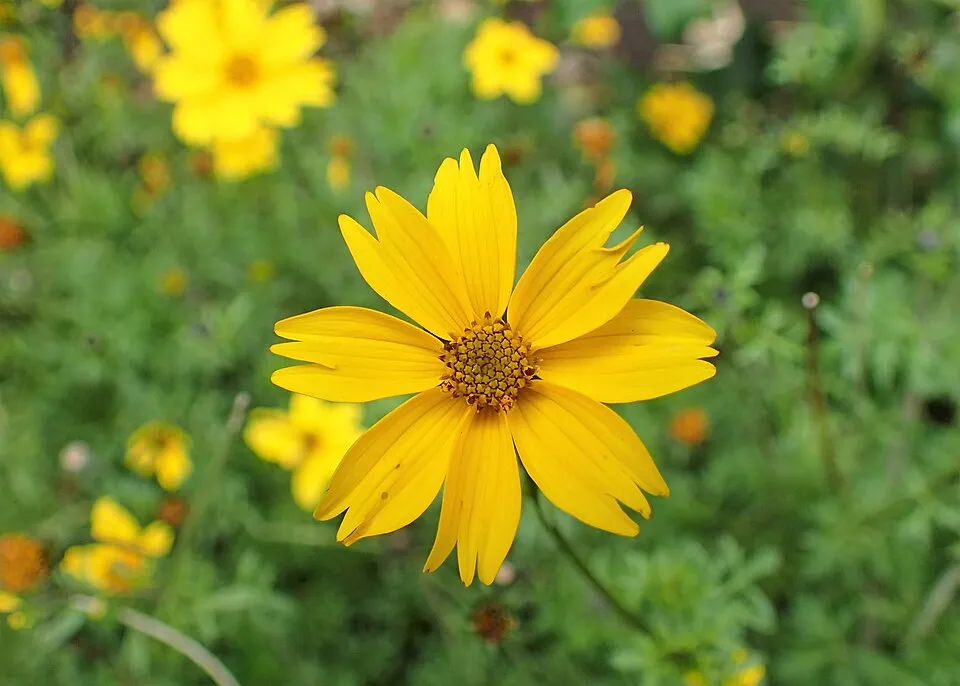
Bidens ferulifolia, commonly known as Apache beggarticks or fern-leaved beggarticks, is a captivating perennial herbaceous plant belonging to the Asteraceae family. Native to North America, particularly abundant in Mexico, this species thrives in diverse environments, from arid plains to subtropical regions. It typically reaches a height of 0.5 to 1 meter, showcasing a graceful, upright growth habit.
Its distinctive foliage features deeply lobed, fern-like leaves that are arranged alternately along the stems, presenting a lush green texture. The leaves are smooth and possess a slightly glossy sheen, contributing to its ornamental appeal.
During its prolific flowering season, Bidens ferulifolia produces an abundance of small, vibrant, daisy-like flowers. These blooms typically display bright yellow petals surrounding a central disk of florets, although variations with soft purple hues can occasionally be observed in cultivated forms. These attractive flowers are a magnet for various pollinators, including bees and butterflies, playing a vital role in local biodiversity.
The plant demonstrates remarkable adaptability, flourishing in well-drained soils, from loamy to sandy compositions, especially those enriched with organic matter. While it prefers ample sunlight, it can tolerate partial shade, making it a versatile choice for garden settings. Its natural resilience to drought once established, coupled with its ability to establish ground cover and prevent soil erosion, underscores its value not only in decorative landscaping but also in sustainable ecological practices.
Trusted Scientific References
1. Authoritative external sources for Bidens Ferulifolia
1.1 Wikipedia — Bidens Ferulifolia
1.2 Kew POWO (Plants of the World Online)
1.3 PubMed — peer-reviewed research
1.4 NCBI Taxonomy Browser
1.5 GBIF — Global Biodiversity
1.6Bidens Ferulifolia should be interpreted through verified botanical identity, practical care, and responsible safety language. This recovery note adds the missing context needed for a complete profile: match light to the plant's habit, use well-drained soil, water according to season, and avoid unsupported medicinal or edible claims. For publishing, the plant can be presented as a source-backed garden plant with clear care guidance, common problem diagnosis, and conservative safety wording.
1.1.Bidens Ferulifolia — Notable Characteristics
- ✓Scientific Name — Bidens ferulifolia
- ✓Common Names — Apache beggarticks, fern-leaved beggarticks
- ✓Plant Family — Asteraceae (Daisy family)
- ✓Native Habitat — North America, primarily Mexico
- ✓Growth Habit — Perennial herbaceous plant, 0.5-1 meter tall
- ✓Distinctive Foliage — Deeply lobed, fern-like green leaves
- ✓Floral Characteristics — Bright yellow, daisy-like flowers, attracting pollinators
- ✓Key Phytochemicals — Flavonoids, chalcones, polyacetylenes, phenolic acids
- ✓Traditional Uses — Anti-inflammatory, analgesic, antimicrobial, wound healing
- ✓Ecological Role — Ornamental garden plant, ground cover, supports biodiversity
1.2.Bidens Ferulifolia — At-a-Glance Summary
- ✓Bidens ferulifolia, or Apache beggarticks, is a North American native perennial.
- ✓Valued for both its ornamental beauty and traditional medicinal uses.
- ✓Rich in bioactive compounds like flavonoids, chalcones, and polyacetylenes.
- ✓Traditionally used for anti-inflammatory, analgesic, and wound-healing purposes.
- ✓Modern research explores its antioxidant and potential antidiabetic properties.
- ✓Requires well-drained soil and full sun, relatively easy to cultivate.
2.Bidens Ferulifolia — Scientific Identity
3.Bidens Ferulifolia — Fact Sheet
4.Bidens Ferulifolia — Physical Description
5.Bidens Ferulifolia — Origin & Spread
6.Bidens Ferulifolia — Heritage Uses
7.Bidens Ferulifolia — Key Phytochemicals
- ✓Flavonoids — Key compounds include quercetin, luteolin, apigenin, and their glycosides, known for potent antioxidant, anti-inflammatory, and antiallergic properties, crucial for cellular protection.
- ✓Chalcones — Specific to the Asteraceae family, these flavonoid precursors such as butein and okanin exhibit significant anti-inflammatory, antimicrobial, and cytotoxic activities.
- ✓Polyacetylenes — Compounds like phenylheptatriyne (PHT) are present, recognized for their strong antimicrobial, antifungal, and cytotoxic effects, contributing to the plant's defensive mechanisms.
- ✓Caffeic Acid Derivatives — Chlorogenic acid and other caffeoylquinic acids are prominent, offering robust antioxidant, anti-inflammatory, and potential antidiabetic benefits by modulating glucose metabolism.
- ✓Alkaloids — While less dominant than phenolics, various nitrogen-containing compounds are present, which can contribute to diverse pharmacological actions.
- ✓Tannins — These astringent compounds provide antioxidant and anti-inflammatory effects, and their presence contributes to the plant's traditional use in wound healing and digestive support.
- ✓Essential Oils — Volatile compounds, though in small quantities, contribute to the plant's characteristic aroma and may possess mild antimicrobial and insect-repellent properties.
- ✓Carotenoids — Found in the vibrant yellow flowers, these pigments act as antioxidants and play a role in plant defense against oxidative stress, also offering benefits for vision and immune health.
- ✓Triterpenes and Saponins — These compounds may contribute to anti-inflammatory, adaptogenic, and immune-modulating effects, supporting overall physiological balance.
- ✓Phenolic Acids — Beyond caffeic acid derivatives, other phenolic acids like ferulic acid provide additional antioxidant and anti-inflammatory support, enhancing the plant's therapeutic profile.
8.Bidens Ferulifolia — Scientific Evidence
- ✓Anti-inflammatory Support — Bidens ferulifolia contains potent flavonoids and chalcones that may help modulate inflammatory pathways, offering relief from various inflammatory conditions.
- ✓Analgesic Properties — Traditionally used to alleviate pain, its compounds are believed to interact with pain receptors or reduce inflammatory mediators, providing natural pain relief.
- ✓Antimicrobial Action — Extracts have demonstrated activity against certain bacteria and fungi, suggesting potential in combating microbial infections both internally and externally.
- ✓Wound Healing Acceleration — Applied topically as poultices, the plant aids in the healing of minor cuts, abrasions, and skin irritations by promoting tissue regeneration and reducing infection risk.
- ✓Digestive Health Enhancement — Traditional remedies suggest mild carminative and digestive stimulant effects, helping to soothe digestive discomfort and improve gut function.
- ✓Antioxidant Defense — Rich in phenolic compounds, Bidens ferulifolia helps neutralize harmful free radicals, protecting cells from oxidative stress and supporting overall cellular health.
- ✓Immunomodulatory Effects — Certain constituents may help regulate the immune system, potentially enhancing the body's natural defense mechanisms against pathogens and imbalances.
- ✓Potential Antidiabetic Effects — Preliminary research on related Bidens species suggests a role in blood glucose regulation, offering promise for managing metabolic health.
- ✓Hepatoprotective Benefits — The plant's antioxidant capacity may contribute to liver protection, supporting its detoxification processes and overall function.
- ✓Cardioprotective Support — Through its antioxidant and anti-inflammatory actions, Bidens ferulifolia may contribute to cardiovascular health by protecting blood vessels and heart tissue.
- ✓Diuretic Activity — Historically, some Bidens species have been used to promote urine flow, aiding in the body's natural elimination of excess fluids and toxins.
- ✓Skin Health Revitalization — Beyond wound healing, its anti-inflammatory and antioxidant properties can help improve various skin conditions, promoting a clearer and healthier complexion.
8.1.Bidens Ferulifolia — Conditions Traditionally Used For
9.Bidens Ferulifolia — Safety Considerations
9.1.Bidens Ferulifolia — Possible Adverse Reactions
- ✓Allergic Reactions — Individuals sensitive to the Asteraceae family may experience allergic contact dermatitis, skin rashes, or respiratory symptoms.
- ✓Gastrointestinal Upset — High doses or sensitive individuals may experience mild stomach upset, nausea, or diarrhea.
- ✓Photosensitivity — Some plant compounds could potentially increase skin sensitivity to sunlight, though this is less common with Bidens ferulifolia.
- ✓Drug Interactions — May interact with anticoagulant medications due to potential blood-thinning properties or antidiabetic drugs by affecting blood sugar levels.
- ✓Hypotension — Due to potential hypotensive effects, individuals with low blood pressure or on blood pressure medication should use with caution.
- ✓Hypoglycemia — If consumed in large quantities, it might lower blood sugar, posing a risk for diabetics or those prone to hypoglycemia.
- ✓Pregnancy and Lactation — Lack of sufficient safety data advises against use during pregnancy and breastfeeding.
9.2.Bidens Ferulifolia — Safety Overview
- ✓Consult Healthcare Professional — Always seek advice from a qualified healthcare provider before using Bidens ferulifolia, especially if you have pre-existing conditions or are on medication.
- ✓Allergy Alert — Exercise caution if you have known allergies to plants in the Asteraceae family, such as ragweed, marigolds, or daisies.
- ✓Pregnancy and Breastfeeding — Avoid use during pregnancy and lactation due to insufficient research on its safety for these populations.
- ✓Medication Interactions — Monitor for potential interactions with blood thinners, antidiabetic drugs, and blood pressure medications; adjust dosages under medical supervision.
- ✓Children's Use — Not recommended for use in infants and young children without expert medical guidance due to limited safety data.
- ✓Autoimmune Conditions — Individuals with autoimmune disorders should use with caution, as immunomodulatory plants can sometimes exacerbate conditions.
- ✓Dosage Adherence — Strictly follow recommended dosages from qualified herbalists or product labels to minimize the risk of adverse effects.
10.Bidens Ferulifolia — Usage Guide
- ✓Herbal Infusion (Tea) — Dried leaves and flowers can be steeped in hot water for 5-10 minutes to create a medicinal tea, often used for digestive support or as a general tonic.
- ✓Decoction — Roots or tougher plant parts can be simmered in water for a longer period (15-30 minutes) to extract deeper compounds, suitable for more potent internal remedies.
- ✓Topical Poultice — Fresh, crushed leaves are applied directly to the skin for minor wounds, insect bites, or skin irritations to reduce inflammation and promote healing.
- ✓Tincture — The aerial parts or roots can be macerated in an alcohol-based solution to create a concentrated liquid extract, used internally with drops or externally as a compress.
- ✓Salve or Ointment — Infused oil from Bidens ferulifolia can be combined with beeswax to create a topical balm for prolonged application on skin conditions, muscle aches, or joint pain.
- ✓Herbal Compress — A cloth soaked in a strong infusion or decoction is applied warm to affected areas for localized anti-inflammatory or analgesic effects.
- ✓Culinary Use (Limited) — While primarily medicinal, young leaves of some Bidens species are consumed; ensure correct identification and safety before any culinary application.
11.Bidens Ferulifolia — Cultivation & Care
- ✓Climate Preference — Thrives in warm, temperate to subtropical climates; can be grown as an annual in cooler regions or overwintered indoors.
- ✓Sunlight Requirements — Prefers full sun exposure (at least 6 hours daily) for optimal growth and abundant flowering, though it tolerates partial shade.
- ✓Soil Conditions — Adaptable to various soil types but favors well-drained, fertile loamy to sandy soils with a good organic content and a pH range of 6.0 to 7.0.
- ✓Watering Regimen — Requires regular watering to maintain consistently moist soil, especially during dry periods, but is drought-tolerant once established.
- ✓Propagation — Easily propagated from seeds sown in spring or from softwood cuttings taken during the growing season; germinates readily.
- ✓Fertilization — Benefits from a balanced, slow-release fertilizer at the start of the growing season or periodic feeding with a liquid organic fertilizer.
- ✓Pests and Diseases — Generally robust, but occasional issues with aphids or powdery mildew can be managed with organic pest control or appropriate fungicides.
- ✓Pruning and Maintenance — Deadheading spent flowers encourages continuous blooming; light pruning can help maintain a bushy, compact form.
Reviewed by the Flora Medical Global Botanical Review Panel
Multi-disciplinary editorial group · Botany · Ethnobotany · Herbal-medicine literature
Who reviewed this: This page was checked by the Flora Medical Global Botanical Review Panel — an in-house editorial group of botany graduates, ethnobotany researchers, and horticulture practitioners who collectively maintain our 7,000+ plant encyclopedia. Meet the team.
Our 4-step verification process
1. Taxonomic verification
Scientific names and synonyms cross-checked against Kew POWO, World Flora Online, and The Plant List.
2. Phytochemical & medicinal cross-reference
Active compounds, traditional uses, and reported activities are cross-referenced with PubMed, USDA Dr. Duke's database, and peer-reviewed ethnobotanical literature.
3. Conservation & distribution check
Distribution, ecology, and conservation status confirmed against GBIF occurrence records and the IUCN Red List.
4. Editorial & safety review
Every entry passes an editorial pass for clarity, originality, and safety notices (toxicity, contraindications, dosage caveats) before publication.
Last reviewed:
Important medical disclaimer: This content is for educational and research purposes only. It is not medical advice and is not a substitute for consultation with a licensed healthcare provider. Do not use any herb to self-treat a medical condition without professional guidance.
Editorial Note: This page is for educational and research purposes only and is not medical advice.
Written by: Flora Medical Global Editorial Team
Reviewed by: Flora Medical Global Botanical Review Panel
Last Updated: June 15, 2026





Bidens Ferulifolia — Comments & Community Reviews
Rate this plant