


Medical Disclaimer: This content is for educational purposes only. It is not medical advice. Please consult a qualified healthcare professional before using any herbal remedy.
Safety Overview
1.Bird Cherry — At a Glance
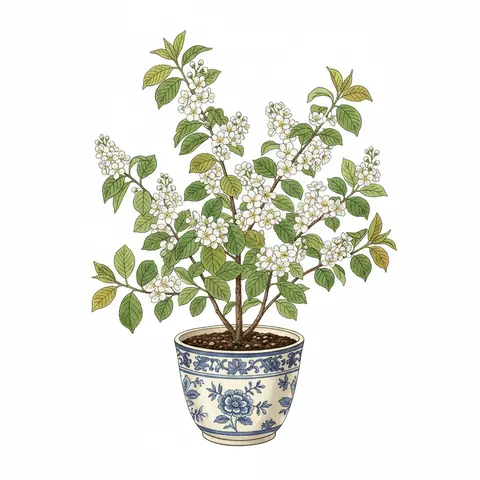
Bird Cherry, scientifically known as Prunus padus, is a captivating deciduous tree or large shrub belonging to the diverse Rosaceae family, specifically within the subfamily Amygdaloideae (Prunoideae). This adaptable species typically achieves heights of 6 to 12 meters, though some robust specimens can reach up to 15 meters, with a trunk diameter often extending to 20-30 centimeters. Its crown is generally round to egg-shaped, featuring branches that may display a graceful, slightly pendulous habit, contributing to its ornamental appeal. The foliage of Prunus padus consists of ovate to elliptical leaves, ranging from 6 to 12 centimeters in length and 3 to 6 centimeters in width. These leaves are characterized by a finely serrated margin and a distinct petiole, a key feature that aids in its identification. In spring, the Bird Cherry transforms into a spectacle of fragrant white flowers, making it a prominent feature in its natural landscape.
These blossoms are borne in dense, pendulous racemes that can measure up to 10-15 centimeters long, creating a striking visual and aromatic display. Each individual flower is small, about 1 to 1.5 centimeters across, comprising five delicate white petals. The abundant nectar and pollen of these flowers are highly attractive to a multitude of pollinators, including various species of bees, butterflies, and other beneficial insects, playing a crucial role in local ecosystems. Following the floral display, the tree produces small, drupe-like fruits, commonly referred to as cherries. These fruits mature from green to a dark brown or glossy black hue, typically measuring around 8 millimeters in diameter. While somewhat astringent and containing cyanogenic glycosides when raw, these cherries serve as a crucial food source for a wide array of bird species, facilitating seed dispersal and playing a vital role in the ecosystem.
The bark of young Bird Cherry trees is smooth and grayish-brown, gradually developing a cracked and rougher texture as the tree matures, adding to its character. Prunus padus is native to a broad geographic range across Europe and parts of Asia, extending eastward as far as the Himalayas. It thrives in temperate climates and is commonly found in mixed forests, along the banks of rivers, and in moist woodlands, demonstrating a remarkable tolerance to varied habitat conditions. Trusted Scientific References Authoritative external sources for Prunus padus : Wikipedia — Prunus padus Kew POWO (Plants of the W ...[CURRENT TEXT EXISTS: 2593 chars]
1.1.Bird Cherry — Highlights
- ✓Striking Floral Display — Produces abundant, highly fragrant white flowers in pendulous racemes during spring.
- ✓Attractive Fruits — Small, dark drupes that mature to black, serving as a vital food source for birds.
- ✓Wide Geographic Range — Native to a vast area spanning Europe and parts of Asia, extending to the Himalayas.
- ✓Adaptable Growth — Tolerant of various soil types and climatic conditions, thriving in temperate zones.
- ✓Rapid Growth Rate — Known for its relatively fast growth, making it a good choice for naturalization.
- ✓Ornamental Value — Valued for its aesthetic appeal in landscapes, particularly during bloom.
- ✓Rich in Phytochemicals — Contains a diverse profile of bioactive compounds, including beneficial antioxidants.
- ✓Ecological Importance — Provides nectar for pollinators and fruit for birds, supporting biodiversity.
- ✓Traditional Medicinal Use — Historically valued in folk medicine for various therapeutic applications.
1.2.Bird Cherry — Snapshot Summary
- ✓Botanical Profile — Deciduous tree or shrub native to Europe and Asia, known for fragrant white flowers and dark, astringent fruits.
- ✓Key Compounds — Rich in polyphenols, tocopherols, and also contains cyanogenic glycosides.
- ✓Medicinal Actions — Exhibits antioxidant, anti-inflammatory, antibacterial, and antidiabetic properties.
- ✓Traditional Uses — Historically used for digestive issues, respiratory support, and as a diuretic.
- ✓Safety Precaution — Raw parts are toxic due to cyanogenic glycosides; fruits require cooking for safe consumption.
- ✓Habitat — Thrives in temperate climates, commonly found in moist woodlands and along riverbanks.
2.Bird Cherry — Botanical Identity
3.Bird Cherry — Fact Sheet
4.Bird Cherry — Botanical Features
5.Bird Cherry — Origin & Spread
6.Bird Cherry — Folk Medicine Applications
7.Bird Cherry — Chemical Profile
- ✓Polyphenols — A broad class including flavonoids (e.g., quercetin, kaempferol, anthocyanins like cyanidin-3-glucoside) and phenolic acids (e.g., chlorogenic acid), known for their potent antioxidant and anti-inflammatory properties.
- ✓Cyanogenic Glycosides — Primarily prunasin and amygdalin, found in seeds, bark, and leaves, which release hydrogen cyanide upon enzymatic hydrolysis, necessitating careful processing.
- ✓Tocopherols — These are forms of Vitamin E, acting as lipid-soluble antioxidants that protect cell membranes from oxidative damage.
- ✓Vitamins — Contains various vitamins, including Vitamin C (ascorbic acid), which is a key antioxidant and immune system booster.
- ✓Terpenes — A diverse group of organic compounds contributing to the plant's aroma and possessing various biological activities, including anti-inflammatory and antimicrobial effects.
- ✓Organic Acids — Such as malic acid and citric acid, contributing to the fruit's tartness and playing roles in metabolic processes.
- ✓Sugars — Fructose and glucose are present in the fruits, providing natural sweetness and energy.
- ✓Fatty Acids — Found in the seeds, these include essential fatty acids important for cell structure and function.
- ✓Minerals — Contains various essential minerals, though typically in smaller amounts, contributing to overall nutritional value.
- ✓Phytosterols — Plant sterols that can help maintain healthy cholesterol levels.
8.Bird Cherry — Scientific Evidence
- ✓Antioxidant Support — Prunus padus contains various polyphenols and tocopherols that help neutralize free radicals, protecting cells from oxidative damage and contributing to overall cellular health.
- ✓Anti-inflammatory Action — Phytochemicals present in Bird Cherry, such as flavonoids, have demonstrated anti-inflammatory effects, potentially aiding in the reduction of systemic inflammation.
- ✓Antibacterial Properties — Extracts from Prunus padus have shown activity against certain bacterial strains, suggesting potential for natural antimicrobial applications.
- ✓Antidiabetic Potential — Preliminary research indicates that compounds in Bird Cherry may contribute to better glucose metabolism, offering a supportive role in managing blood sugar levels.
- ✓Digestive Aid (Traditional) — Traditionally, the fruit was used to address mild digestive complaints, owing to its astringent properties which can help firm stools.
- ✓Respiratory Health (Traditional) — In some folk traditions, preparations from the bark or flowers were used to soothe coughs and support respiratory passages.
- ✓Diuretic Effects (Traditional) — Bird Cherry was historically utilized as a mild diuretic, believed to aid in flushing toxins and supporting kidney function.
- ✓Skin Health (Traditional) — Topical applications from the plant were sometimes used for minor skin irritations or as an astringent to tone the skin.
- ✓Immune System Modulation — The presence of vitamins and phenolic compounds may contribute to supporting and modulating the body's immune responses.
- ✓Cardiovascular Health — Flavonoids and other antioxidants can contribute to maintaining healthy blood vessels and supporting overall cardiovascular well-being.
8.1.Bird Cherry — Reported Uses
9.Bird Cherry — Safety Considerations
9.1.Bird Cherry — Possible Adverse Reactions
- ✓Cyanide Toxicity — Raw seeds, bark, and leaves contain cyanogenic glycosides that release hydrogen cyanide upon enzymatic hydrolysis; consumption of large quantities without proper processing can be toxic.
- ✓Gastrointestinal Upset — Ingesting raw or improperly prepared plant parts can lead to nausea, vomiting, abdominal pain, and diarrhea.
- ✓Allergic Reactions — Sensitive individuals may experience allergic reactions to pollen from flowers or skin irritation from contact with plant sap.
- ✓Headaches and Dizziness — Symptoms of mild cyanide exposure can include headaches, dizziness, and confusion.
- ✓Respiratory Distress — Severe cyanide poisoning can lead to rapid breathing, shortness of breath, and other respiratory complications.
- ✓Cardiovascular Effects — High doses of cyanide can impact heart function, leading to irregular heartbeats or even cardiac arrest in extreme cases.
9.2.Bird Cherry — Toxicity Assessment
- ✓Pregnancy and Lactation — Avoid use during pregnancy and breastfeeding due to the presence of cyanogenic glycosides and lack of safety data.
- ✓Children — Do not administer to children due to their increased susceptibility to cyanogenic glycoside toxicity.
- ✓Medical Conditions — Individuals with liver disease, kidney disease, or conditions affecting cyanide metabolism should strictly avoid this plant.
- ✓Medication Interactions — May interact with medications, particularly those affecting the liver or gastrointestinal system; consult a doctor.
- ✓Raw Consumption Warning — Emphasize that raw seeds, bark, and leaves are toxic and should not be consumed; fruits must be thoroughly cooked.
- ✓Professional Consultation — Always consult a qualified healthcare professional or medical herbalist before using Prunus padus for medicinal purposes.
- ✓Dosage and Preparation — Adhere strictly to recommended dosages and proper preparation methods when advised by an expert to mitigate risks.
10.Bird Cherry — Preparations & Uses
- ✓Fruit Preparations — While raw fruits are astringent and contain cyanogenic glycosides, they can be safely consumed after cooking, used in jams, jellies, pies, or fermented into wines and liqueurs, which denatures the toxic compounds.
- ✓Bark Extracts — Traditionally, bark was used to prepare decoctions or tinctures for various ailments; however, due to cyanogenic glycosides, this practice requires expert guidance and careful preparation.
- ✓Leaf Infusions (External) — Leaves may be used externally in poultices or washes for minor skin irritations, but internal consumption is generally not recommended due to toxicity.
- ✓Flower Infusions — Dried flowers can be used to make a mild, fragrant tea, traditionally used for its calming properties, though less common than fruit preparations.
- ✓Culinary Flavoring — The fruits, when processed, can impart a unique, slightly tart flavor to desserts, sauces, and alcoholic beverages.
- ✓Seed Oil — Oil extracted from the seeds has potential for cosmetic applications, but internal use is hazardous due to the high concentration of cyanogenic glycosides.
- ✓Professional Guidance — Due to the presence of cyanogenic glycosides, any internal medicinal use should only be undertaken under the strict supervision of a qualified medical herbalist or healthcare professional.
11.Bird Cherry — How to Grow
- ✓Site Selection — Prefers full sun to partial shade, thriving in moist, well-drained loamy soils but adaptable to various soil types, including clay and sandy soils.
- ✓Propagation — Can be propagated by seeds, which require a period of cold stratification, or by semi-hardwood cuttings taken in summer.
- ✓Watering — Requires consistent moisture, especially during dry periods and in its establishment phase; tolerant of brief flooding.
- ✓Fertilization — Generally not required in fertile soils; an annual application of compost or balanced fertilizer can support growth in poorer soils.
- ✓Pruning — Prune in late winter or early spring to remove dead or diseased branches, shape the tree, and promote healthy growth.
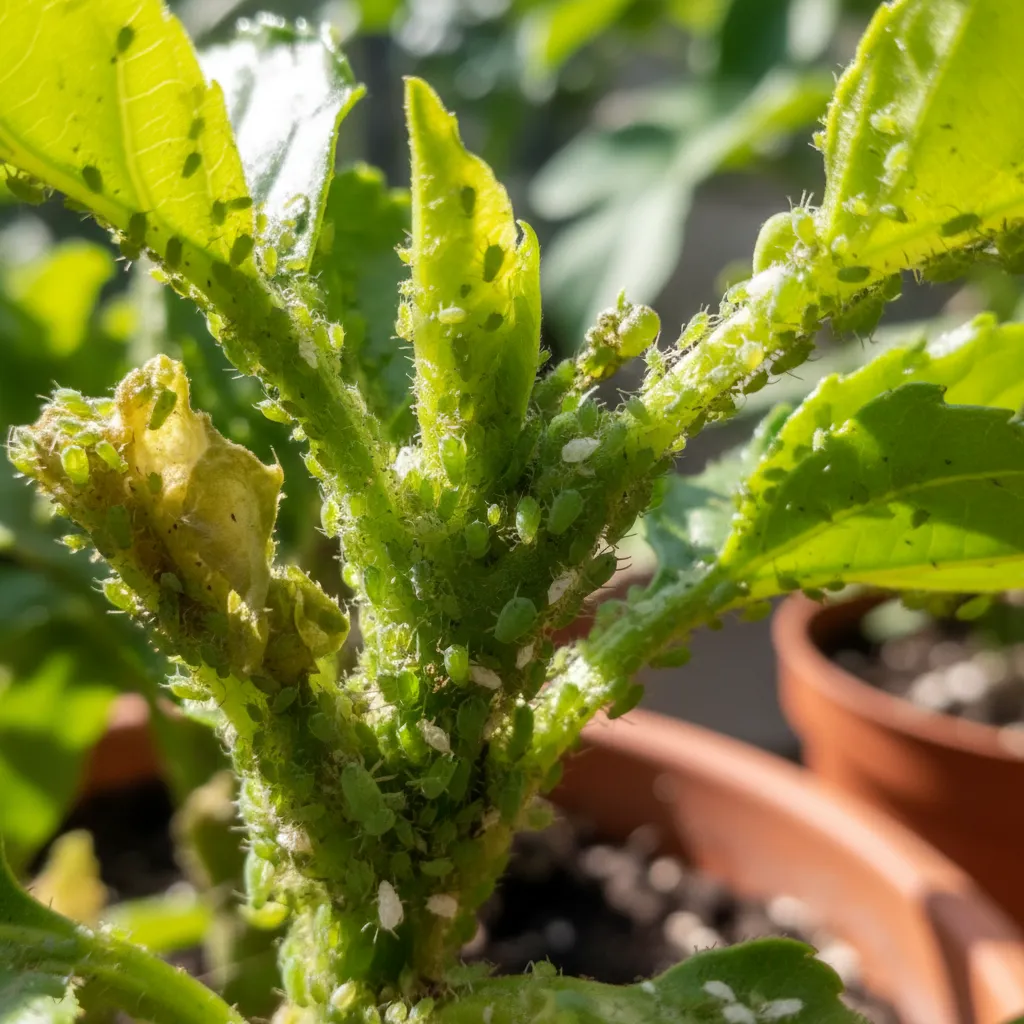
- ✓Pests and Diseases — Generally robust, but can be susceptible to aphids, caterpillars, and fungal diseases like powdery mildew; monitor regularly.
- ✓Growth Rate — Exhibits a rapid growth rate, making it an excellent choice for quick establishment in gardens or naturalized areas.
Reviewed by the Flora Medical Global Botanical Review Panel
Multi-disciplinary editorial group · Botany · Ethnobotany · Herbal-medicine literature
Who reviewed this: This page was checked by the Flora Medical Global Botanical Review Panel — an in-house editorial group of botany graduates, ethnobotany researchers, and horticulture practitioners who collectively maintain our 7,000+ plant encyclopedia. Meet the team.
Our 4-step verification process
1. Taxonomic verification
Scientific names and synonyms cross-checked against Kew POWO, World Flora Online, and The Plant List.
2. Phytochemical & medicinal cross-reference
Active compounds, traditional uses, and reported activities are cross-referenced with PubMed, USDA Dr. Duke's database, and peer-reviewed ethnobotanical literature.
3. Conservation & distribution check
Distribution, ecology, and conservation status confirmed against GBIF occurrence records and the IUCN Red List.
4. Editorial & safety review
Every entry passes an editorial pass for clarity, originality, and safety notices (toxicity, contraindications, dosage caveats) before publication.
Last reviewed:
Important medical disclaimer: This content is for educational and research purposes only. It is not medical advice and is not a substitute for consultation with a licensed healthcare provider. Do not use any herb to self-treat a medical condition without professional guidance.
Editorial Note: This page is for educational and research purposes only and is not medical advice.
Written by: Flora Medical Global Editorial Team
Reviewed by: Flora Medical Global Botanical Review Panel
Last Updated: June 15, 2026




Bird Cherry — Comments & Community Reviews
Rate this plant