


Medical Disclaimer: This content is for educational purposes only. It is not medical advice. Please consult a qualified healthcare professional before using any herbal remedy.
Safety Overview
1.Bridelia — Introduction & Highlights
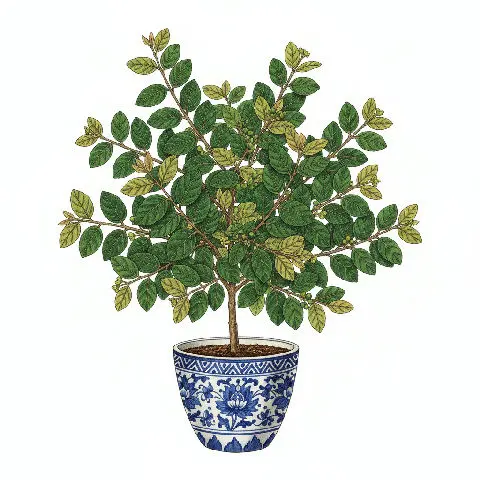
Bridelia retusa, widely recognized as Bridelia or Ekavira in traditional Ayurvedic practice, is a robust deciduous shrub or a small to medium-sized tree belonging to the esteemed Phyllanthaceae family. This species thrives across the tropical and subtropical regions of Asia, with a natural habitat spanning India, Sri Lanka, and various parts of Southeast Asia.
Typically reaching heights of 3 to 7 meters, mature specimens can occasionally grow up to an impressive 15 meters, characterized by slender, often gracefully drooping branches that form a dense, luxuriant canopy. Its bark is a distinctive greyish-brown, presenting a rough texture marked by vertical fissures, which, when incised, reveals a striking yellowish inner layer.
The leaves of Bridelia retusa are simple, arranged alternately along the stem, and exhibit an elliptic-oblong shape, typically measuring between 5 and 10 cm in length. Their surface is notably smooth and glossy, displaying a vibrant bright green hue, often with a pointed tip. After significant rainfall, they may exhibit a slight, characteristic droop.
The inconspicuous greenish-yellow flowers of Bridelia retusa usually emerge in compact clusters during the monsoon season. These flowers are unisexual, meaning both male and female reproductive structures are found on the same tree, facilitating efficient self-pollination.
Following successful fertilization, the plant develops small, fleshy drupes, approximately 1 cm in diameter. These fruits undergo a captivating color transformation, transitioning from reddish to a deep, lustrous dark purple as they ripen.
While technically edible, they are not typically consumed as a primary food source. Bridelia retusa showcases remarkable adaptability, flourishing in a diverse range of well-drained soils, from sandy to loamy compositions, and is frequently found in dry to moist deciduous forests.
Trusted Scientific References
1. Authoritative external sources for Bridelia retusa
1.1 Wikipedia — Bridelia retusa
1.2 Kew POWO (Plants of the World Online)
1.3 PubMed — peer-reviewed research
1.4 NCBI Taxonomy Browser
1.5 GBIF — Global Biodiversity
1.1.Bridelia — Defining Traits
- ✓Traditional Ayurvedic Significance — Highly valued in Ayurveda as Ekavira for its astringent and bitter properties.
- ✓Deciduous Tree/Shrub — A resilient plant native to tropical and subtropical Asia, thriving in diverse environments.
- ✓Tannin — Rich Bark — Bark is a primary medicinal part, known for high concentrations of gallic and ellagic acids.
- ✓Multifaceted Therapeutic Actions — Offers anti-diarrheal, anti-inflammatory, antimicrobial, and antioxidant benefits.
- ✓Diverse Plant Parts Used — Bark, leaves, and fruit seeds are all utilized in traditional medicine.
- ✓Adaptable Growth — Flourishes in various well-drained soils and monsoon climates, making it relatively easy to cultivate.
- ✓Distinctive Morphology — Features greyish-brown fissured bark, glossy elliptic leaves, and small dark purple drupes.
- ✓Historical Use — Documented in classical Ayurvedic texts and folk traditions for centuries.
- ✓Modern Research Interest — Gaining attention for its phytochemical profile and potential pharmacological applications.
- ✓Eco — friendly — A sustainable source of traditional medicine, often found in natural forests.
1.2.Bridelia — Quick Summary
- ✓Bridelia retusa (Ekavira) is a versatile Ayurvedic herb from the Phyllanthaceae family.
- ✓Key benefits include anti-diarrheal, anti-inflammatory, and antimicrobial actions.
- ✓Rich in tannins, flavonoids, and steroids, contributing to its diverse therapeutic effects.
- ✓Traditionally used for digestive issues, skin conditions, and joint pain.
- ✓Available as bark powder, leaf extracts, tinctures, and topical preparations.
- ✓Requires careful dosage and is contraindicated in pregnancy and lactation.
2.Bridelia — Taxonomic Classification
3.Bridelia — Botanical Stats
4.Bridelia — Plant Morphology
5.Bridelia — Where It Grows
6.Bridelia — Historical Applications
7.Bridelia — Active Compounds
- ✓Tannins — Major components like gallic acid, ellagic acid, and casuarinin are abundant in the bark, contributing to its strong astringent and antimicrobial properties by precipitating proteins and inhibiting microbial growth.
- ✓Flavonoids — Present in leaf extracts, compounds such as quercetin and kaempferol exhibit significant antioxidant activities, scavenging free radicals and potentially supporting skin health.
- ✓Steroids — Stigmasterol and other related steroids have been identified, which may modulate inflammatory pathways through the inhibition of cyclooxygenase enzymes, offering anti-inflammatory effects.
- ✓Alkaloids — Bridelianin, isolated from fruit kernels, has shown mild analgesic effects in animal models, suggesting pain-relieving potential.
- ✓Sesquiterpenes — Detected through GC-MS analyses, these volatile organic compounds may contribute to the plant's aroma and possess various biological activities, including potential hepatoprotective effects.
- ✓Triterpenes — Also identified in phytochemical screenings, triterpenes are known for a wide range of pharmacological activities, including anti-inflammatory and hepatoprotective properties, aligning with traditional uses.
- ✓Phenolic Acids — Beyond tannins, other phenolic acids contribute to the plant's antioxidant capacity and may play a role in its anti-inflammatory and antimicrobial actions.
- ✓Saponins — While less prominent, certain saponins might be present, contributing to expectorant or anti-inflammatory effects, though their exact role in Bridelia retusa is under ongoing investigation.
8.Bridelia — Modern Studies
- ✓Anti-diarrheal — High tannin content in Bridelia retusa bark helps precipitate proteins in the gut, reducing fluid secretion and firming stools, offering significant relief from chronic non-specific diarrhea.
- ✓Eczema Relief — Topical application of bark extract ointment soothes inflammation and provides a protective barrier, reducing itchiness and lesion size in mild-to-moderate eczema.
- ✓Joint Pain and Swelling Reduction — Fruit seed poultices and kernel extracts, rich in compounds like bridelianin, exhibit analgesic and anti-inflammatory effects, easing arthritis pain and swelling.
- ✓Liver Support — Leaf extracts demonstrate hepatoprotective properties, safeguarding hepatic cells against damage and elevating protective enzyme levels, aligning with traditional uses for jaundice and detoxification.
- ✓Antimicrobial Activity — In vitro studies reveal significant inhibition of bacteria like Staphylococcus aureus and Escherichia coli, suggesting potential for treating minor infections and preventing wound contamination.
- ✓Antioxidant Properties — Bridelia retusa leaf extract possesses free-radical scavenging capacity, helping to combat oxidative stress and contributing to overall cellular health.
- ✓Digestive Toning — Formulations combining Bridelia retusa with other herbs like Triphala traditionally regulate bowel movements and improve digestive fire without harsh purgation, addressing chronic constipation.
- ✓Gum Health Improvement — Anecdotal reports suggest that rinses made from leaf powder can promote healthier gums, potentially due to its astringent and antimicrobial actions.
- ✓Anti-Ulcer Potential — Some traditional uses hint at potential anti-ulcer benefits when consumed on an empty stomach, though rigorous scientific validation is still needed.
- ✓Vaginal Discharge Reduction — Decoctions of Bridelia retusa used as a sitz bath are traditionally employed to reduce excessive vaginal discharge, likely due to its astringent properties.
8.1.Bridelia — Health Applications
9.Bridelia — Risk Profile
9.1.Bridelia — Caution Notes
- ✓Digestive Upset — High tannin content may cause constipation or stomach discomfort in sensitive individuals or with excessive dosage.
- ✓Dryness — Its astringent nature can lead to excessive dryness, particularly in individuals with Vata imbalances or dry skin conditions.
- ✓Allergic Reactions — Rare instances of skin irritation or allergic responses may occur with topical application or internal use.
- ✓Drug Interactions — Potential to interact with medications due to its effects on digestion or liver enzymes; consult a healthcare provider.
- ✓Pregnancy and Lactation — Lack of sufficient safety data; generally advised against use during pregnancy and breastfeeding.
- ✓Blood Sugar — May influence blood sugar levels, requiring caution in individuals with diabetes or those on hypoglycemic medications.
9.2.Bridelia — Safety Profile
- ✓Professional Consultation — Always consult a qualified medical herbalist or Ayurvedic practitioner before using Bridelia retusa, especially for chronic conditions or if on other medications.
- ✓Dosage Adherence — Strictly adhere to recommended dosages to minimize potential side effects, as excessive intake can lead to adverse reactions.
- ✓Pregnancy and Breastfeeding — Contraindicated during pregnancy and lactation due to insufficient safety research and potential abortifacient properties in some Bridelia species.
- ✓Children — Not recommended for use in infants and young children without expert medical supervision.
- ✓Pre-existing Conditions — Individuals with severe digestive disorders, liver disease, or kidney conditions should exercise extreme caution or avoid use.
- ✓Allergic History — Discontinue use immediately if any signs of allergic reaction, such as rash, itching, or swelling, appear.
- ✓Duration of Use — Long-term continuous use without breaks is generally discouraged; periodic breaks are advisable to prevent potential accumulation or side effects.
10.Bridelia — Application Forms
- ✓Bark Decoction — Powdered bark (1-3g) boiled in water (200ml) and consumed twice daily for digestive issues like diarrhea or as a general tonic.
- ✓Leaf Extract — Concentrated liquid extracts from leaves are used internally for liver support or externally for skin conditions.
- ✓Topical Ointment — A 10% bark extract ointment applied directly to affected skin areas for eczema, fungal infections, or minor wounds.
- ✓Fruit Seed Poultice — Ground seeds, sometimes mixed with tamarind, applied topically to joints to reduce swelling and pain associated with arthritis.
- ✓Leaf Powder Rinse — Powdered leaves steeped in hot water, cooled, and used as a mouth rinse for gum health or as a gargle for throat discomfort.
- ✓Sitz Bath Decoction — A stronger decoction of bark or leaves prepared and used as a sitz bath for addressing vaginal discharge or other perineal discomforts.
- ✓Combination Formulations — Often combined with other Ayurvedic herbs like Pippali for digestive balance or Triphala for comprehensive bowel regulation.
- ✓Standardized Tinctures — Alcohol-based tinctures of bark or leaves, typically taken in drops, offer a concentrated and easily administered form for various internal uses.
11.Bridelia — Growth Requirements
- ✓Soil Preference — Thrives in well-drained soils, adapting to sandy, loamy, and even rocky compositions, but prefers slightly acidic to neutral pH.
- ✓Climate — Best suited for tropical and subtropical climates, tolerating both dry and moist deciduous forest environments, often found in monsoon regions.
- ✓Sunlight — Requires full sun exposure for optimal growth, though it can tolerate partial shade, especially in hotter regions.
- ✓Watering — Established trees are drought-tolerant but benefit from moderate watering during prolonged dry spells; young plants need consistent moisture.
- ✓Propagation — Primarily propagated by seeds, which have a good germination rate, or by stem cuttings, which can be rooted with appropriate hormone treatment.
- ✓Maintenance — Generally low maintenance, requiring minimal pruning to shape or remove dead branches; resistant to most common pests and diseases.
- ✓Fertilizer — Benefits from annual application of organic compost or a balanced slow-release fertilizer, especially during its active growing season.
Reviewed by the Flora Medical Global Botanical Review Panel
Multi-disciplinary editorial group · Botany · Ethnobotany · Herbal-medicine literature
Who reviewed this: This page was checked by the Flora Medical Global Botanical Review Panel — an in-house editorial group of botany graduates, ethnobotany researchers, and horticulture practitioners who collectively maintain our 7,000+ plant encyclopedia. Meet the team.
Our 4-step verification process
1. Taxonomic verification
Scientific names and synonyms cross-checked against Kew POWO, World Flora Online, and The Plant List.
2. Phytochemical & medicinal cross-reference
Active compounds, traditional uses, and reported activities are cross-referenced with PubMed, USDA Dr. Duke's database, and peer-reviewed ethnobotanical literature.
3. Conservation & distribution check
Distribution, ecology, and conservation status confirmed against GBIF occurrence records and the IUCN Red List.
4. Editorial & safety review
Every entry passes an editorial pass for clarity, originality, and safety notices (toxicity, contraindications, dosage caveats) before publication.
Last reviewed:
Important medical disclaimer: This content is for educational and research purposes only. It is not medical advice and is not a substitute for consultation with a licensed healthcare provider. Do not use any herb to self-treat a medical condition without professional guidance.
Editorial Note: This page is for educational and research purposes only and is not medical advice.
Written by: Flora Medical Global Editorial Team
Reviewed by: Flora Medical Global Botanical Review Panel
Last Updated: June 15, 2026





Bridelia — Comments & Community Reviews
Rate this plant