


Medical Disclaimer: This content is for educational purposes only. It is not medical advice. Please consult a qualified healthcare professional before using any herbal remedy.
Safety Overview
1.Brighamia Insignis — Essential Profile
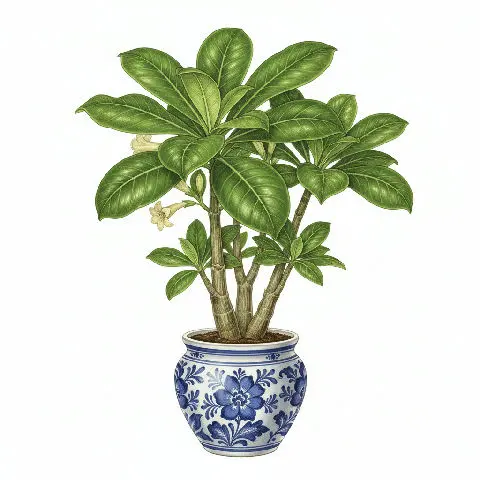
Brighamia insignis, affectionately known as the Hawaiian Palm or Cabbage on a Stick, is a critically endangered succulent endemic to the rugged, windswept sea cliffs of Kauaʻi and Niʻihau in the Hawaiian archipelago. This unique plant belongs to the Campanulaceae family, also known as the Bellflower family, a testament to its distinctive floral morphology.
Its evolutionary journey is a remarkable tale of island adaptation, having diversified from a singular colonizing ancestor to thrive in a narrow ecological niche.
Morphologically, Brighamia insignis presents a striking appearance: a thick, often unbranched, succulent stem that can reach heights of over ten feet, topped by a dense rosette of glossy, ovate leaves, typically five to eight inches long. Its vibrant yellow, tubular flowers, arranged in clusters of three to eight, are not only showy but also emit a delightful sweet fragrance reminiscent of honeysuckle or citrus.
Blooming occurs sporadically throughout the year in cultivation, though wild populations primarily flower in September and October.
The plant's semi-succulent leaves and swollen stem are crucial adaptations, allowing it to store water and endure prolonged periods of drought, strong winds, and salt spray characteristic of its coastal habitat. Despite its resilience, Brighamia insignis faces severe threats.
Habitat degradation, the proliferation of invasive alien species, and the catastrophic loss of its natural, co-evolved pollinator – the now-extinct Sphingid moth (Manduca blackburni) – have pushed it to the brink of extinction. Conservation efforts are intense, focusing on meticulous hand-pollination to ensure seed production and the establishment of ex situ populations in botanical gardens worldwide, serving as a vital genetic safeguard for this botanical treasure.
Trusted Scientific References
1. Authoritative external sources for Brighamia insignis
1.1 Wikipedia — Brighamia insignis
1.2 Kew POWO (Plants of the World Online)
1.3 PubMed — peer-reviewed research
1.4 NCBI Taxonomy Browser
1.5 GBIF — Global Biodiversity
1.1.Brighamia Insignis — Notable Characteristics
- ✓Critically Endangered Endemic — Critically Endangered Endemic Species
- ✓Distinctive Succulent Morphology — Distinctive Succulent Morphology (thick stem, leaf rosette)
- ✓Fragrant Yellow Tubular — Fragrant Yellow Tubular Flowers
- ✓Specialized Pollination (historically — Specialized Pollination (historically Sphingid moth, now manual)
- ✓Adaptive to Arid — Adaptive to Arid Cliff Habitats
- ✓Cultural Significance in — Cultural Significance in Early Hawaiian Practices (lei, limited traditional remedy)
- ✓Focus of Intensive — Focus of Intensive Conservation Efforts
- ✓Valuable Ornamental and — Valuable Ornamental and Specimen Plant
- ✓Drought, Wind, and — Drought, Wind, and Salt Spray Tolerant
- ✓Member of the — Member of the Bellflower (Campanulaceae) Family
1.2.Brighamia Insignis — Quick Summary
- ✓Critically endangered Hawaiian endemic succulent, known as Hawaiian Palm.
- ✓Distinctive thick stem, rosette of leaves, and fragrant yellow tubular flowers.
- ✓Faces severe threats from habitat loss and the extinction of its natural pollinator.
- ✓Conservation efforts include intensive hand-pollination and ex situ cultivation.
- ✓Limited historical traditional use (e.g., for 'consumption'), but no modern medicinal research.
- ✓Valued primarily for its unique horticultural appeal and ecological significance.
2.Brighamia Insignis — Botanical Identity
3.Brighamia Insignis — Vital Statistics
4.Brighamia Insignis — Physical Description
5.Brighamia Insignis — Ecological Habitat
6.Brighamia Insignis — Heritage Uses
7.Brighamia Insignis — Phytochemistry
- ✓Specific phytochemical investigations into Brighamia insignis are severely limited due to its critically endangered status and the emphasis on conservation rather than destructive analysis. However, based on its succulent nature and family (Campanulaceae), certain compound categories are likely present.
- ✓Polysaccharides — Likely present in its succulent tissues, contributing to water retention and potentially offering mucilaginous properties for internal moisture regulation.
- ✓Flavonoids — Common plant pigments and potent antioxidants, potentially present for UV protection in its exposed cliff habitat and general cellular defense, though specific profiles are unstudied.
- ✓Terpenoids — A diverse group of compounds, some of which contribute to the plant's characteristic honeysuckle- or citrus-like flower fragrance and may play a role in defense mechanisms against herbivores.
- ✓Alkaloids — While not definitively identified, many plant families, including some within Campanulaceae, contain alkaloids which can exhibit various physiological activities.
- ✓Saponins — Compounds known for their foam-forming properties and potential role in plant defense, sometimes found in certain species within the Campanulaceae family.
- ✓Phenolic Acids — Ubiquitous plant compounds with antioxidant and antimicrobial properties, likely present in the leaves and stem for cellular protection and structural integrity.
- ✓Iridoids — A class of monoterpenoids found in some Campanulaceae species, often involved in plant defense against herbivores due to their bitter taste.
- ✓Waxes and Lipids — Abundantly present on the waxy leaf surfaces of Brighamia insignis, crucial for minimizing water loss through transpiration in its arid, windswept environment.
- ✓Carbohydrates — Primary energy storage and structural components within the plant, particularly concentrated in its thick, succulent stem.
8.Brighamia Insignis — Evidence-Based Benefits
- ✓While modern research on Brighamia insignis is overwhelmingly focused on its critical conservation status, historical accounts suggest limited traditional uses among early Hawaiians, though these are not supported by scientific study due to the plant's rarity and protection.
- ✓Traditional Hawaiian Use for Consumption — Early Hawaiians reportedly consumed Brighamia insignis raw, believing it to be a remedy for 'consumption,' a term historically encompassing various pulmonary conditions.
- ✓General Health Support (Historical) — Beyond specific ailments, the plant was also used by native Hawaiians as a general tonic for 'various other diseases,' indicating a broader traditional belief in its restorative properties.
- ✓Potential Hydration Support (Speculative) — As a succulent, Brighamia insignis stores water in its thick stem and leaves, which could theoretically have been seen as beneficial for hydration in traditional contexts, though not a documented medicinal use.
- ✓Respiratory Wellness (Traditional Interpretation) — The historical use for 'consumption' suggests an association with respiratory health, potentially offering traditional comfort or support for lung-related issues.
- ✓Nutritional Value (Hypothetical) — While not studied, the consumption of the plant raw might have provided some trace nutrients, contributing to general well-being in a traditional diet.
- ✓Cultural Significance — Though not a direct medicinal benefit, its role in early Hawaiian practices, even if limited, highlights its cultural value and connection to traditional healing perspectives.
- ✓Ecological Role — It provides a unique ecological niche, supporting biodiversity in its native habitat, which is an indirect 'benefit' to the ecosystem's health.
- ✓Horticultural Value — Its striking appearance and adaptability to cultivation make it a valuable specimen plant, contributing to ex situ conservation and public awareness.
8.1.Brighamia Insignis — Indications & Uses
9.Brighamia Insignis — Safety Considerations
9.1.Brighamia Insignis — Reported Side Effects
- ✓Due to its critically endangered status and lack of medicinal research, documented side effects from human consumption are non-existent. The following relate to its conservation and cultivation:
- ✓Not for Internal Consumption — Ingestion of Brighamia insignis is strongly discouraged due to its rarity, lack of safety data, and the severe implications for its conservation.
- ✓Conservation Impact — Unauthorized collection or disturbance of wild plants for any purpose is illegal and has catastrophic consequences for the species' survival.
- ✓Potential Skin Irritation (Hypothetical) — Like some plants in the Campanulaceae family, sap may hypothetically cause mild skin irritation in sensitive individuals, though not specifically documented.
- ✓Pest Vulnerability — Plants in cultivation are highly susceptible to pests like carmine spider mites, slugs, and snails, which can cause significant damage and even plant death.
- ✓Rot from Overwatering — Improper watering or inadequate drainage is a common issue in cultivation, leading to rapid root and stem rot, which is often fatal.
- ✓Reproductive Failure — Without manual pollination, the plant will not produce seeds, leading to a 'side effect' of reproductive failure and impeding conservation efforts.
9.2.Brighamia Insignis — Toxicity Assessment
- ✓Conservation Priority — Brighamia insignis is critically endangered; its primary safety profile revolves around ensuring its survival through protected cultivation and habitat preservation, not human use.
- ✓Avoid Ingestion — There is no scientific basis or safety data to support the internal consumption of this plant; ingestion is not recommended under any circumstances.
- ✓Legal Protection — As a federally listed endangered species, any unauthorized collection, harm, or trade of Brighamia insignis is strictly illegal and subject to severe penalties.
- ✓Handle with Care — When handling for horticultural or conservation purposes, general plant safety practices apply, such as wearing gloves to prevent potential minor skin irritation from sap.
- ✓Ex Situ Preservation — Safely maintaining populations in botanical gardens and controlled environments is crucial for its long-term survival and genetic integrity.
- ✓Pest Management — For cultivators, safe and effective pest control methods are essential to protect plants from common threats like spider mites and slugs without harming the plant or environment.
- ✓Environmental Impact — Ensure cultivation practices do not introduce invasive species or pathogens to its native habitat.
10.Brighamia Insignis — Usage Guide
- ✓Given the critically endangered status of Brighamia insignis, its primary 'usage' methods revolve around conservation and ethical horticultural appreciation.
- ✓Specimen Plant Cultivation — Primarily grown as a unique ornamental specimen in botanical gardens and private collections, usually in containers that mimic its natural habitat.
- ✓Ex Situ Conservation — Propagated and maintained in controlled environments, such as seed banks and botanical gardens, to preserve its genetic diversity and prevent extinction.
- ✓Hand Pollination Techniques — Conservationists meticulously hand-pollinate the flowers to ensure viable seed production, a critical method for species propagation and survival.
- ✓Seed Collection and Storage — Seeds are carefully collected and stored in specialized seed banks under controlled conditions to safeguard against future losses and for potential reintroduction efforts.
- ✓Educational Display — Frequently featured in educational exhibits to raise public awareness about Hawaiian endemic flora, the challenges of biodiversity loss, and the importance of conservation.
- ✓Habitat Restoration — Carefully propagated plants are occasionally used in supervised reintroduction programs to bolster wild populations within protected natural habitats.
- ✓Aromatic Appreciation — The fragrant yellow flowers can be enjoyed for their sweet, pleasant scent in horticultural settings without the need for harvesting or disturbance.
- ✓Photography and Documentation — Used extensively for botanical photography and scientific documentation to study its life cycle, morphology, and ecological interactions.
11.Brighamia Insignis — How to Grow
- ✓Excellent Drainage — Requires a well-aerated soil mix, such as those formulated for succulents and cacti, with black cinder being an excellent component.
- ✓Controlled Watering — Allow soil to dry slightly between waterings; overwatering can easily lead to root and stem rot or fungal infections.
- ✓Adequate Light — Thrives in full sun to partial sun conditions; a balance of both often yields the best growth.
- ✓Regular Fertilization — Responds well to monthly applications of half-strength foliar fertilizer or slow-release fertilizer twice a year, with high phosphorus varieties promoting blooming.
- ✓Pest Management — Vigilant protection from common pests like carmine spider mites, slugs, and snails (especially African snails) is crucial, as they can rapidly defoliate and kill the plant.
- ✓Pruning for Aesthetics — Remove lower yellowing or browning leaves to maintain a clean appearance and direct plant energy.
- ✓Manual Pollination — In cultivation, hand pollination is essential for fruit and seed production due to the absence of its natural pollinator.
- ✓Container Growing — Often best cultivated in pots to ensure optimal drainage and protect against ground-dwelling pests, especially in non-native environments.
Reviewed by the Flora Medical Global Botanical Review Panel
Multi-disciplinary editorial group · Botany · Ethnobotany · Herbal-medicine literature
Who reviewed this: This page was checked by the Flora Medical Global Botanical Review Panel — an in-house editorial group of botany graduates, ethnobotany researchers, and horticulture practitioners who collectively maintain our 7,000+ plant encyclopedia. Meet the team.
Our 4-step verification process
1. Taxonomic verification
Scientific names and synonyms cross-checked against Kew POWO, World Flora Online, and The Plant List.
2. Phytochemical & medicinal cross-reference
Active compounds, traditional uses, and reported activities are cross-referenced with PubMed, USDA Dr. Duke's database, and peer-reviewed ethnobotanical literature.
3. Conservation & distribution check
Distribution, ecology, and conservation status confirmed against GBIF occurrence records and the IUCN Red List.
4. Editorial & safety review
Every entry passes an editorial pass for clarity, originality, and safety notices (toxicity, contraindications, dosage caveats) before publication.
Last reviewed:
Important medical disclaimer: This content is for educational and research purposes only. It is not medical advice and is not a substitute for consultation with a licensed healthcare provider. Do not use any herb to self-treat a medical condition without professional guidance.
Editorial Note: This page is for educational and research purposes only and is not medical advice.
Written by: Flora Medical Global Editorial Team
Reviewed by: Flora Medical Global Botanical Review Panel
Last Updated: June 15, 2026





Brighamia Insignis — Comments & Community Reviews
Rate this plant