
Medical Disclaimer: This content is for educational purposes only. It is not medical advice. Please consult a qualified healthcare professional before using any herbal remedy.
Safety Overview
1.Brimeura Amethystina — Botanical Snapshot
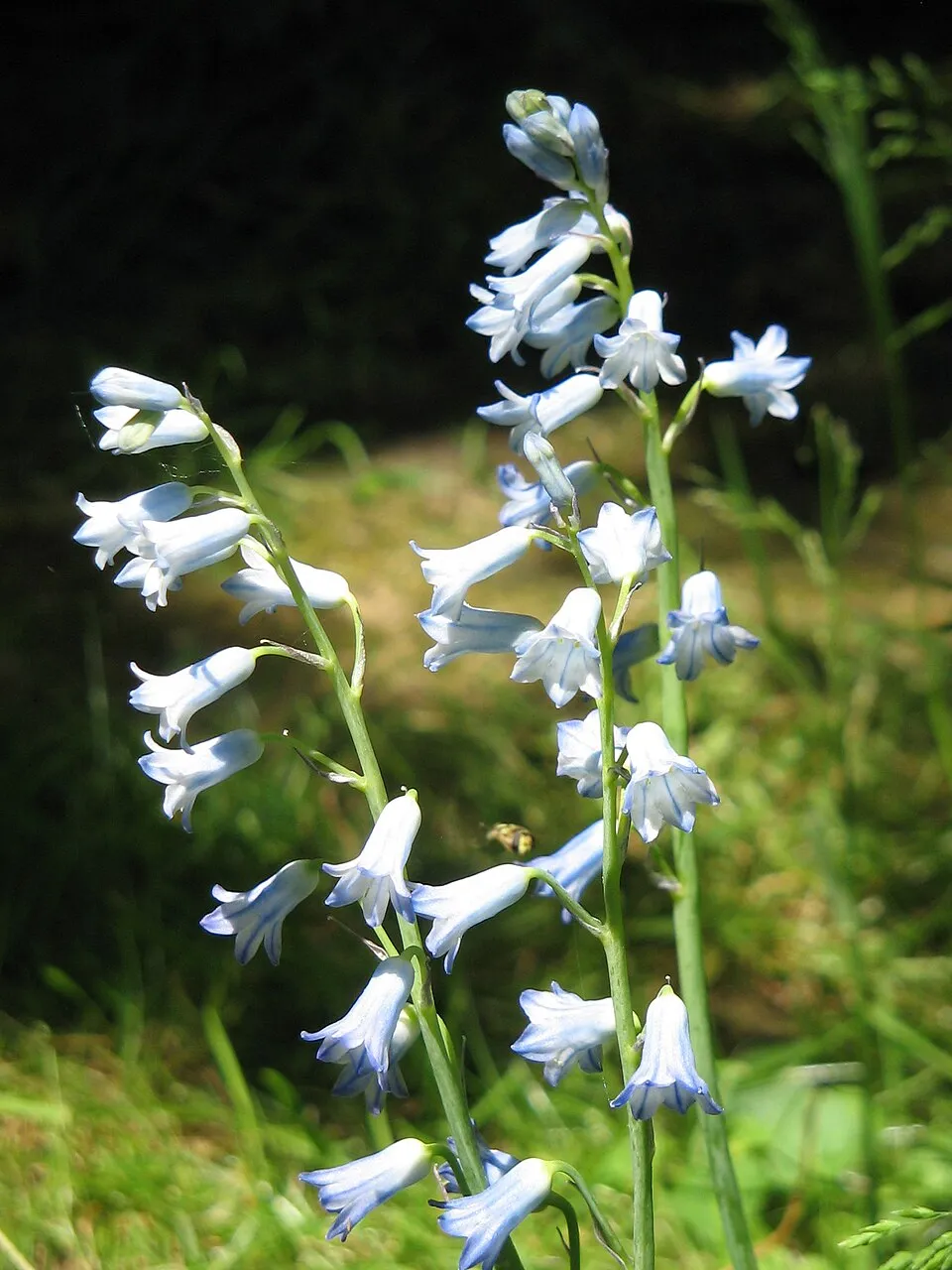
Brimeura amethystina, commonly known as the amethyst hyacinth, is an enchanting bulbous herbaceous perennial belonging to the Asparagaceae family, specifically within the Scilloideae subfamily. This delicate species is indigenous to the rocky and grassy terrains of the Northern Pyrenees and northeastern Spain, where it thrives in its natural habitat. Typically growing to a modest height of 10 to 20 centimeters (4 to 8 inches), it presents a charming display of narrow, grass-like linear leaves that emerge from a small bulb.
The plant's aesthetic appeal is highlighted during its spring flowering phase, when it produces widely-spaced, bell-shaped flowers. These blooms exhibit a captivating spectrum of colors, ranging from pale blue and dark blue to various shades of violet, with a notable white cultivar known as 'Alba' also existing. Historically, Brimeura amethystina was classified under the genus Hyacinthus, underscoring its close botanical relationship to true hyacinths before its reclassification.
Its adaptability to naturalizing conditions and its distinct floral beauty have earned it recognition, including the prestigious Royal Horticultural Society's Award of Garden Merit in the UK, making it a valued ornamental plant for rock gardens and borders.
Trusted Scientific References
1. Authoritative external sources for Brimeura Amethystina
1.1 Wikipedia — Brimeura Amethystina
1.2 Kew POWO (Plants of the World Online)
1.3 PubMed — peer-reviewed research
1.4 NCBI Taxonomy Browser
1.5 GBIF — Global Biodiversity
1.6Brimeura Amethystina should be interpreted through verified botanical identity, practical care, and responsible safety language. This recovery note adds the missing context needed for a complete profile: match light to the plant's habit, use well-drained soil, water according to season, and avoid unsupported medicinal or edible claims. For publishing, the plant can be presented as a source-backed garden plant with clear care guidance, common problem diagnosis, and conservative safety wording.
1.1.Brimeura Amethystina — Notable Characteristics
- ✓Bulbous Perennial — Grows from a bulb, returning year after year.
- ✓Amethyst Flowers — Bell-shaped blooms in shades of blue, violet, and white.
- ✓Pyrenean Native — Indigenous to the Northern Pyrenees and northeastern Spain.
- ✓Grass — like Foliage — Slender, linear leaves provide a delicate texture.
- ✓Spring Bloomer — Offers early season color to gardens and naturalized areas.
- ✓Ornamental Value — Highly prized for its aesthetic appeal in horticulture.
- ✓RHS Award of Garden Merit — Recognized for its excellent garden performance.
- ✓Well — Drained Soil Preference — Thrives in gritty or sandy, organic-rich substrates.
- ✓Drought Tolerant (Summer Dormancy) — Requires dry conditions during its dormant phase.
- ✓Asparagaceae Family — Belongs to the asparagus family, related to hyacinths.
1.2.Brimeura Amethystina — Concise Overview
- ✓Amethyst Hyacinth (Brimeura amethystina) is an ornamental bulbous perennial native to the Pyrenees.
- ✓Features bell-shaped blue-violet flowers and grass-like leaves, blooming in spring.
- ✓Primarily valued for its aesthetic appeal in gardens and landscapes, earning the RHS Award of Garden Merit.
- ✓Limited scientific research exists regarding its medicinal properties or chemical constituents.
- ✓Hypothetical medicinal benefits are extrapolated from common plant compounds like flavonoids and phenolics.
- ✓Caution is advised for any internal use due to insufficient safety and efficacy data.
2.Brimeura Amethystina — Scientific Identity
3.Brimeura Amethystina — Key Data
4.Brimeura Amethystina — Botanical Features
5.Brimeura Amethystina — Origin & Spread
6.Brimeura Amethystina — Folk Medicine Applications
7.Brimeura Amethystina — Key Phytochemicals
- ✓Flavonoids — These widely distributed plant secondary metabolites, such as quercetin and kaempferol derivatives, are known for their potent antioxidant, anti-inflammatory, and potentially neuroprotective activities. While not specifically documented for Brimeura amethystina, their presence is common in the Asparagaceae family.
- ✓Phenolic Compounds — Including various phenolic acids like gallic acid and caffeic acid, these compounds contribute significantly to a plant's antioxidant capacity and may offer anti-inflammatory and antimicrobial benefits.
- ✓Saponins — These glycosides are known for their detergent-like properties and can exhibit a range of biological activities, including immunomodulatory and hypocholesterolemic effects, though their specific role in Brimeura amethystina requires investigation.
- ✓Alkaloids — While often associated with more potent pharmacological effects, the presence of trace alkaloids in Brimeura amethystina is a possibility, deserving of phytochemical screening for potential bioactivity.
- ✓Polysaccharides — Complex carbohydrates found in plant cell walls and storage organs can have immunomodulatory, prebiotic, and anti-inflammatory properties, contributing to overall plant health and potentially human health.
- ✓Anthocyanins — These pigments are responsible for the blue, violet, and red hues in many flowers, including potentially Brimeura amethystina, and are potent antioxidants with vision-protective qualities.
- ✓Trace Minerals — As with most plants, Brimeura amethystina likely accumulates essential trace minerals from its soil, which are vital for various metabolic processes in biological systems.
- ✓Organic Acids — Compounds like citric and malic acid can contribute to the plant's metabolism and potentially offer mild digestive or antioxidant effects if consumed.
8.Brimeura Amethystina — Evidence-Based Benefits
- ✓Potential Antioxidant Support — While specific medicinal research on Brimeura amethystina is limited, plants containing a rich profile of phenolic compounds and flavonoids often exhibit significant antioxidant activity, which can help neutralize free radicals and mitigate cellular damage.
- ✓Hypothetical Anti-inflammatory Properties — Certain phytochemicals, such as flavonoids and some phenolic acids potentially present in Brimeura amethystina, are known for their anti-inflammatory effects, which could theoretically aid in reducing inflammation.
- ✓Digestive Comfort (General Plant Properties) — Many herbaceous plants are traditionally recognized for supporting digestive health. Should Brimeura amethystina possess similar compounds, it might hypothetically contribute to easing minor gastrointestinal discomfort.
- ✓Calming and Sedative Potential — Some plant extracts are known to exert mild calming effects on the nervous system. If Brimeura amethystina contains specific alkaloids or essential oil components, it could potentially offer a subtle sense of relaxation.
- ✓Antimicrobial Activity (In Vitro Potential) — Plants are a rich source of compounds with antimicrobial properties. Future studies might explore if extracts from Brimeura amethystina demonstrate inhibitory effects against certain bacteria or fungi in laboratory settings.
- ✓Immunomodulatory Effects — Polysaccharides and other complex carbohydrates found in various plants can influence immune system function. Investigations could hypothetically explore if Brimeura amethystina possesses compounds that modulate immune responses.
- ✓Cardiovascular Health Support — Flavonoids and antioxidants are often associated with promoting cardiovascular well-being by improving blood vessel function and reducing oxidative stress, a potential area for future inquiry.
- ✓Skin Health Applications — Topically, plant extracts with anti-inflammatory and antioxidant properties are sometimes used to soothe skin irritations or promote healthy skin regeneration, a speculative application for Brimeura amethystina.
- ✓Potential Anti-cancer Research Interest — Due to the presence of various bioactive compounds in plants, including some flavonoids, there is ongoing research into their potential role in cancer prevention or therapy. This remains a highly speculative area for Brimeura amethystina, requiring extensive study.
8.1.Brimeura Amethystina — Therapeutic Indications
9.Brimeura Amethystina — Safety & Side Effects
9.1.Brimeura Amethystina — Warnings
- ✓Allergic Reactions — Individuals sensitive to plants in the Asparagaceae family may experience contact dermatitis or other allergic responses upon skin contact.
- ✓Gastrointestinal Upset — If hypothetically ingested in large quantities, Brimeura amethystina might cause mild stomach discomfort, nausea, or diarrhea, common with many unstudied plant materials.
- ✓Unidentified Toxicity — Due to limited research on its internal consumption, potential toxic compounds or adverse reactions from ingestion cannot be definitively ruled out.
- ✓Drug Interactions — Should any bioactive compounds be present, there is a theoretical risk of interactions with prescription medications, particularly those affecting the cardiovascular or nervous systems.
- ✓Bulb Toxicity — Many bulbous plants contain compounds that can be toxic if ingested; caution is advised regarding the consumption of Brimeura amethystina bulbs.
- ✓Photosensitivity — Some plant compounds can increase skin sensitivity to sunlight, though this is not specifically documented for Brimeura amethystina.
9.2.Brimeura Amethystina — Toxicity Assessment
- ✓Lack of Human Clinical Data — Comprehensive human clinical trials on the safety and efficacy of Brimeura amethystina for medicinal use are currently unavailable, necessitating extreme caution.
- ✓Expert Consultation — Individuals considering any internal use of this plant, even hypothetically, should consult a qualified medical herbalist or healthcare professional.
- ✓Proper Identification — Ensure accurate botanical identification of Brimeura amethystina to avoid confusion with potentially toxic look-alike species.
- ✓Pregnancy and Lactation — Due to the absence of safety data, pregnant or lactating women should strictly avoid any internal use of Brimeura amethystina.
- ✓Children and Vulnerable Populations — Avoid administering Brimeura amethystina to children, the elderly, or individuals with compromised health without explicit medical guidance.
- ✓External Use Caution — While primarily ornamental, exercise caution with skin contact, especially for individuals with known plant allergies or sensitive skin.
- ✓Dosage Unknown — Without scientific studies, safe and effective dosages for any purported medicinal use of Brimeura amethystina are entirely unknown.
10.Brimeura Amethystina — Preparation Methods
- ✓Ornamental Gardening — Primarily utilized as an attractive garden plant, ideal for rock gardens, borders, naturalizing in lawns, or container planting due to its charming bell-shaped flowers.
- ✓Landscape Enhancement — Planted in drifts or clusters, Brimeura amethystina creates a visually appealing display, adding early spring color to various landscape designs.
- ✓Cut Flowers — The delicate flowers can be harvested for small, ephemeral indoor arrangements, bringing a touch of natural beauty indoors.
- ✓Educational Display — Used in botanical gardens and educational settings to showcase native Pyrenean flora and the diversity of the Asparagaceae family.
- ✓Habitat Restoration — Potentially used in ecological restoration projects within its native range to re-establish local plant communities.
- ✓(Hypothetical) Topical Application — If future research identifies beneficial skin compounds, extracts might be formulated into balms or compresses for external use.
- ✓(Hypothetical) Infusion Preparation — Should medicinal properties be confirmed, a gentle infusion of dried leaves or flowers could be considered for internal use, under expert guidance.
- ✓(Hypothetical) Tincture Formulation — Alcohol-based tinctures might be prepared from plant parts to concentrate potential bioactive compounds for internal use, pending safety and efficacy data.
11.Brimeura Amethystina — Cultivation & Care
- ✓Site Selection — Brimeura amethystina prefers full sun to partial shade, ideally in rocky or grassy areas mirroring its natural Pyrenean habitat.
- ✓Soil Requirements — Thrives in well-drained soil rich in organic matter; sandy or gritty soils are preferred to prevent waterlogging, especially around its bulb.
- ✓Planting Depth — Plant bulbs approximately 5-10 cm (2-4 inches) deep and 5-8 cm (2-3 inches) apart in autumn for spring flowering.
- ✓Watering — Requires moderate watering during its active growth period in spring, but prefers to remain dry during its summer dormancy to prevent bulb rot.
- ✓Fertilization — A light application of balanced, slow-release granular fertilizer in early spring can support vigorous growth and flowering.
- ✓Winter Hardiness — Generally hardy in temperate climates, tolerating cold conditions, but mulching in colder regions can offer additional protection.
- ✓Propagation — Primarily propagated by offsets from mature bulbs or by seeds, which can take several years to reach flowering maturity.
- ✓Pest and Disease Management — Generally robust, but ensure good air circulation and drainage to prevent fungal issues; monitor for common bulb pests.
Reviewed by the Flora Medical Global Botanical Review Panel
Multi-disciplinary editorial group · Botany · Ethnobotany · Herbal-medicine literature
Who reviewed this: This page was checked by the Flora Medical Global Botanical Review Panel — an in-house editorial group of botany graduates, ethnobotany researchers, and horticulture practitioners who collectively maintain our 7,000+ plant encyclopedia. Meet the team.
Our 4-step verification process
1. Taxonomic verification
Scientific names and synonyms cross-checked against Kew POWO, World Flora Online, and The Plant List.
2. Phytochemical & medicinal cross-reference
Active compounds, traditional uses, and reported activities are cross-referenced with PubMed, USDA Dr. Duke's database, and peer-reviewed ethnobotanical literature.
3. Conservation & distribution check
Distribution, ecology, and conservation status confirmed against GBIF occurrence records and the IUCN Red List.
4. Editorial & safety review
Every entry passes an editorial pass for clarity, originality, and safety notices (toxicity, contraindications, dosage caveats) before publication.
Last reviewed:
Important medical disclaimer: This content is for educational and research purposes only. It is not medical advice and is not a substitute for consultation with a licensed healthcare provider. Do not use any herb to self-treat a medical condition without professional guidance.
Editorial Note: This page is for educational and research purposes only and is not medical advice.
Written by: Flora Medical Global Editorial Team
Reviewed by: Flora Medical Global Botanical Review Panel
Last Updated: June 15, 2026





Brimeura Amethystina — Comments & Community Reviews
Rate this plant