

Medical Disclaimer: This content is for educational purposes only. It is not medical advice. Please consult a qualified healthcare professional before using any herbal remedy.
Safety Overview
1.Buddleja Alternifolia — Botanical Snapshot
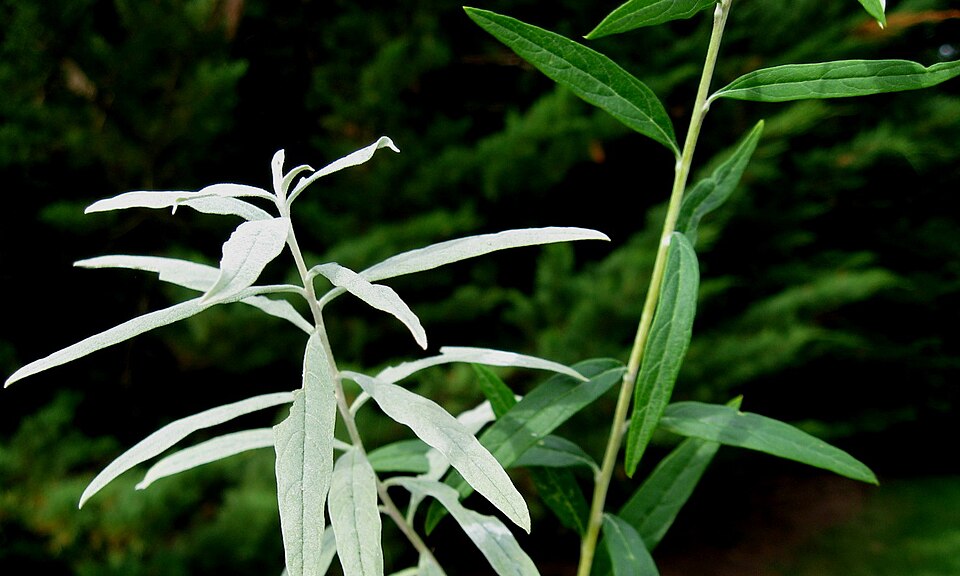
Buddleja alternifolia, commonly known as the Alternate Leaf Butterfly Bush, Fountain Butterfly Bush, or Weeping Butterfly Bush, is a captivating broadleaf deciduous shrub native to the arid and semi-arid regions of Tibet and North and East Central China. It typically thrives in thickets along river banks and dry river beds, showcasing remarkable adaptability. This multi-stemmed plant is distinguished by its graceful, pendulous, and arching stems, which give it a unique weeping willow-like habit, growing to an impressive height of 8 to 15 feet and spreading 10 to 18 feet wide.
Unlike many other Buddleja species, its narrow, lance-shaped leaves are alternately arranged along the stem, a key identifying feature. The leaves exhibit a striking dark green to silvery green on the upper surface and a dense gray tomentose (hairy) texture on the undersides. In late spring to early summer, the shrub bursts into bloom with clusters of sweetly fragrant, lilac-purple, tubular flowers.
These small flowers are tightly packed in short clusters, spirally arranged along the previous year's wood, creating the appearance of long panicles. Historically classified within the figwort family (Scrophulariaceae), Buddleja alternifolia is renowned for its winter hardiness, tolerating USDA Plant Hardiness Zones 5 to 9, making it a robust and attractive addition to diverse landscapes.
Trusted Scientific References
1. Authoritative external sources for Buddleja alternifolia
1.1 Wikipedia — Buddleja alternifolia
1.2 Kew POWO (Plants of the World Online)
1.3 PubMed — peer-reviewed research
1.4 NCBI Taxonomy Browser
1.5 GBIF — Global Biodiversity
1.6Buddleja Alternifolia should be interpreted through verified botanical identity, practical care, and responsible safety language. This recovery note adds the missing context needed for a complete profile: match light to the plant's habit, use well-drained soil, water according to season, and avoid unsupported medicinal or edible claims. For publishing, the plant can be presented as a source-backed garden plant with clear care guidance, common problem diagnosis, and conservative safety wording.
1.1.Buddleja Alternifolia — Notable Characteristics
- ✓Weeping, arching growth — Weeping, arching growth habit, resembling a fountain or willow.
- ✓Distinctive alternate leaf — Distinctive alternate leaf arrangement, setting it apart from other Buddleja species.
- ✓Abundant clusters of fragrant lilac — purple tubular flowers blooming on old wood.
- ✓Exceptional winter hardiness, suitable for USDA Zones 5 — 9.
- ✓Rich in bioactive compounds offering anti — inflammatory and antioxidant benefits.
- ✓Traditional applications for — Traditional applications for digestive health and topical wound care.
- ✓Attracts a variety — Attracts a variety of pollinators, including butterflies and hummingbirds.
- ✓Tolerant of a — Tolerant of a wide range of soil conditions, including dry and poor soils.
- ✓Relatively low maintenance — Relatively low maintenance once established, with good drought tolerance.
- ✓Generally deer resistant, — Generally deer resistant, making it a good choice for landscapes prone to browsing.
1.2.Buddleja Alternifolia — Snapshot Summary
- ✓Buddleja alternifolia is an ornamental and medicinal shrub with a graceful weeping habit and fragrant lilac flowers.
- ✓Renowned for its potent anti-inflammatory and antioxidant properties, supporting cellular health.
- ✓Traditionally used in Ayurveda and general folk medicine for digestive issues and topical skin healing.
- ✓Contains beneficial compounds like flavonoids, saponins, tannins, and iridoids.
- ✓Relatively easy to cultivate, preferring full sun and well-drained soil, and is quite winter hardy.
- ✓Attracts butterflies and hummingbirds, making it valuable for ecological gardens.
2.Buddleja Alternifolia — Nomenclature & Classification
3.Buddleja Alternifolia — Vital Statistics
4.Buddleja Alternifolia — Botanical Features
5.Buddleja Alternifolia — Ecological Habitat
6.Buddleja Alternifolia — Traditional Uses
7.Buddleja Alternifolia — Key Phytochemicals
- ✓Flavonoids — Key compounds include luteolin, apigenin, quercetin, and their glycosides, known for potent antioxidant, anti-inflammatory, and neuroprotective activities.
- ✓Saponins — These glycosidic compounds contribute to the plant's foaming properties and may possess expectorant, immune-modulating, and hypocholesterolemic effects.
- ✓Tannins — Predominantly condensed tannins, responsible for the plant's astringent properties, contributing to wound healing, anti-diarrheal effects, and antimicrobial actions.
- ✓Alkaloids — A diverse group of nitrogen-containing compounds, which can exhibit various pharmacological activities, though specific alkaloids in B. alternifolia require further elucidation.
- ✓Iridoids — Such as verbascoside (acteoside), common in many plants of the Plantaginaceae family, offering significant anti-inflammatory, antioxidant, and immunomodulatory benefits.
- ✓Phenolic Acids — Including caffeic acid, chlorogenic acid, and their derivatives, which are powerful antioxidants and contribute to the plant's anti-inflammatory and antimicrobial profile.
- ✓Triterpenes — Pentacyclic triterpenes and their glycosides may contribute to anti-inflammatory, hepatoprotective, and adaptogenic properties.
- ✓Glycosides — Various glycosides, including cardiac glycosides and phenylpropanoid glycosides, which can have diverse biological effects ranging from cardioprotective to antimicrobial.
- ✓Essential Oils — Trace amounts of volatile compounds, which may contribute to the plant's fragrance and possess mild antiseptic or insect-repellent properties.
8.Buddleja Alternifolia — Evidence-Based Benefits
- ✓Anti-inflammatory Properties — Buddleja alternifolia extracts have demonstrated significant anti-inflammatory effects by modulating inflammatory pathways, making it beneficial for various inflammatory conditions.
- ✓Antioxidant Activity — Rich in phenolic compounds and flavonoids, this plant effectively scavenges free radicals, protecting cells from oxidative stress and supporting overall cellular health.
- ✓Digestive Aid — Traditionally, the plant has been utilized to soothe gastrointestinal discomfort, improve digestion, and stimulate appetite, particularly in Ayurvedic practices.
- ✓Wound Healing Support — Its soothing and astringent properties make it valuable in topical applications for minor skin irritations, cuts, and abrasions, promoting faster recovery and reducing inflammation.
- ✓Antimicrobial Action — Certain constituents within Buddleja alternifolia exhibit antimicrobial activity, which may help in combating bacterial or fungal infections topically or internally.
- ✓Astringent Effects — The presence of tannins contributes to its astringent qualities, useful for toning tissues and reducing excessive secretions, such as in cases of mild diarrhea or bleeding.
- ✓Immune System Modulation — Preliminary research suggests that some compounds may help modulate the immune response, offering potential support for the body's natural defenses.
- ✓Pain Relief — Anecdotal evidence and traditional uses indicate a potential for mild analgesic properties, helping to alleviate minor aches and discomfort.
- ✓Skin Soothing — Applied externally, its extracts can calm irritated skin, reduce redness, and provide relief from various dermatological conditions due to its anti-inflammatory and soothing compounds.
- ✓Liver Protective Effects — Some studies on related Buddleja species suggest hepatoprotective potential, although specific research on B. alternifolia is ongoing.
8.1.Buddleja Alternifolia — Reported Uses
9.Buddleja Alternifolia — Safety & Side Effects
9.1.Buddleja Alternifolia — Warnings
- ✓Allergic Reactions — Individuals sensitive to plants in the Plantaginaceae or Scrophulariaceae family may experience skin rashes, itching, or respiratory issues upon contact or ingestion.
- ✓Gastrointestinal Upset — High doses of Buddleja alternifolia preparations may lead to mild stomach discomfort, nausea, or diarrhea.
- ✓Drug Interactions — Potential interactions with certain medications, particularly blood thinners or sedatives, due to the presence of various active compounds like flavonoids and alkaloids.
- ✓Photosensitivity — Some individuals might experience increased skin sensitivity to sunlight, especially with topical application of concentrated extracts.
- ✓Hypotension — Certain compounds could potentially lower blood pressure, which might be a concern for individuals already on antihypertensive medication.
- ✓Liver or Kidney Stress — While rare, extremely high or prolonged dosages of any herbal remedy should be monitored for potential strain on liver or kidney function.
9.2.Buddleja Alternifolia — Safety Overview
- ✓Pregnancy and Lactation — Avoid use during pregnancy and breastfeeding due to insufficient safety data and the presence of potentially bioactive compounds.
- ✓Pediatric Use — Not recommended for infants and young children; consult a qualified healthcare practitioner for appropriate guidance for older children.
- ✓Pre-existing Conditions — Individuals with chronic health conditions, especially liver, kidney, or cardiovascular diseases, should consult a healthcare professional before use.
- ✓Allergic Sensitivities — Exercise caution if there is a known allergy to Buddleja species or closely related plants; perform a patch test for topical applications.
- ✓Dosage Adherence — Always adhere strictly to recommended dosages and duration of use; excessive intake may lead to adverse effects.
- ✓Professional Consultation — It is advisable to consult a qualified medical herbalist or healthcare provider before incorporating Buddleja alternifolia into a therapeutic regimen.
- ✓Purity and Source — Ensure that any plant material or extract is sourced from reputable suppliers to guarantee purity, authenticity, and freedom from contaminants.
10.Buddleja Alternifolia — Preparation Methods
- ✓Herbal Infusion (Tea) — Dried leaves and flowers can be steeped in hot water to create a tea for digestive support and general well-being.
- ✓Decoction — Roots or tougher plant parts can be simmered in water to extract beneficial compounds, often used for more concentrated internal remedies or topical washes.
- ✓Tincture — Fresh or dried plant material can be macerated in alcohol to create a potent liquid extract, allowing for precise dosing for systemic effects.
- ✓Poultice — Crushed fresh leaves or a paste from dried powdered leaves can be applied directly to minor skin irritations, wounds, or inflammatory areas for soothing relief.
- ✓Salve or Ointment — Infused oils made from the plant can be incorporated into salves or ointments for topical application on skin conditions, cuts, and abrasions.
- ✓Compress — A cloth soaked in a strong infusion or decoction can be applied externally to reduce swelling and inflammation or to cleanse minor wounds.
- ✓Herbal Bath — Adding a strong infusion of the plant to bathwater can provide a soothing and therapeutic experience for widespread skin irritations or muscle aches.
- ✓Powdered Herb — Dried and powdered plant material can be encapsulated for internal use as a dietary supplement, following professional guidance.
11.Buddleja Alternifolia — Cultivation & Care
- ✓Soil Preference — Thrive in loose, organic-rich, well-drained soil, tolerating a wide range including dry soil, poor soils, or clay, with a pH range of 6.0 to 7.5.
- ✓Light Requirements — Optimal flowering occurs in full sun; partial shade may lead to reduced bloom production.
- ✓Watering Regimen — Requires moderate watering, allowing the soil to dry slightly between waterings; intolerant of wet or waterlogged conditions.
- ✓Pruning Technique — For best flowering and to maintain its weeping habit, prune lightly in late spring or early summer after flowering, removing no more than one-third of the oldest stems as it blooms on previous year's wood.
- ✓Fertilization — Apply a balanced, slow-release fertilizer in early spring to support vigorous growth and abundant flowering.
- ✓Propagation — Easily propagated by semi-hardwood cuttings taken during the growing season.
- ✓Hardiness — This species is notably winter hardy, thriving in USDA Plant Hardiness Zones 5 to 9.
- ✓Pest and Disease Management — Generally resistant to serious pests and diseases, though susceptible to common garden issues like aphids, spider mites, and occasional leaf spot.
Reviewed by the Flora Medical Global Botanical Review Panel
Multi-disciplinary editorial group · Botany · Ethnobotany · Herbal-medicine literature
Who reviewed this: This page was checked by the Flora Medical Global Botanical Review Panel — an in-house editorial group of botany graduates, ethnobotany researchers, and horticulture practitioners who collectively maintain our 7,000+ plant encyclopedia. Meet the team.
Our 4-step verification process
1. Taxonomic verification
Scientific names and synonyms cross-checked against Kew POWO, World Flora Online, and The Plant List.
2. Phytochemical & medicinal cross-reference
Active compounds, traditional uses, and reported activities are cross-referenced with PubMed, USDA Dr. Duke's database, and peer-reviewed ethnobotanical literature.
3. Conservation & distribution check
Distribution, ecology, and conservation status confirmed against GBIF occurrence records and the IUCN Red List.
4. Editorial & safety review
Every entry passes an editorial pass for clarity, originality, and safety notices (toxicity, contraindications, dosage caveats) before publication.
Last reviewed:
Important medical disclaimer: This content is for educational and research purposes only. It is not medical advice and is not a substitute for consultation with a licensed healthcare provider. Do not use any herb to self-treat a medical condition without professional guidance.
Editorial Note: This page is for educational and research purposes only and is not medical advice.
Written by: Flora Medical Global Editorial Team
Reviewed by: Flora Medical Global Botanical Review Panel
Last Updated: June 15, 2026





Buddleja Alternifolia — Comments & Community Reviews
Rate this plant