

Medical Disclaimer: This content is for educational purposes only. It is not medical advice. Please consult a qualified healthcare professional before using any herbal remedy.
Safety Overview
1.Bulbine Frutescens — At a Glance
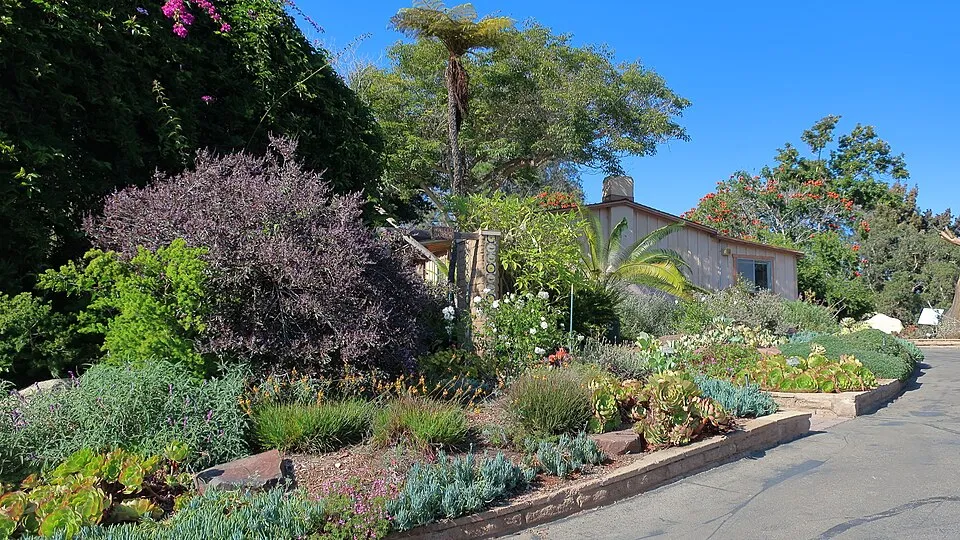
Bulbine frutescens, commonly known as Stalked Bulbine or Burn Jelly Plant, is a resilient herbaceous succulent native to the grasslands and coastal regions of Southern Africa, particularly South Africa. This striking member of the Asphodelaceae family typically forms clumps, growing up to 60-90 cm in height, characterized by its fleshy, linear, bright green leaves that emerge from a basal rosette. Unlike the previously described broad, ovate leaves, Bulbine frutescens boasts slender, cylindrical foliage, similar to a miniature Aloe.
From late spring through autumn, it produces tall, slender racemes adorned with numerous star-shaped flowers, predominantly bright yellow or orange, each with distinctive fuzzy stamens, which attract a variety of pollinators. The plant thrives in warm, temperate climates, exhibiting remarkable drought tolerance once established. It prefers well-drained, sandy or loamy soils and ample sunlight, making it an excellent choice for xeriscaping, rock gardens, or container cultivation.
Its adaptability to various soil conditions and minimal water requirements contribute to its popularity in both ornamental and medicinal gardens worldwide. The plant's clear, mucilaginous sap within its leaves is a key feature, historically valued for its soothing and healing properties.
Trusted Scientific References
1. Authoritative external sources for Bulbine Frutescens
1.1 Wikipedia — Bulbine Frutescens
1.2 Kew POWO (Plants of the World Online)
1.3 PubMed — peer-reviewed research
1.4 NCBI Taxonomy Browser
1.5 GBIF — Global Biodiversity
1.6Bulbine Frutescens should be interpreted through verified botanical identity, practical care, and responsible safety language. This recovery note adds the missing context needed for a complete profile: match light to the plant's habit, use well-drained soil, water according to season, and avoid unsupported medicinal or edible claims. For publishing, the plant can be presented as a source-backed garden plant with clear care guidance, common problem diagnosis, and conservative safety wording.
1.1.Bulbine Frutescens — Notable Characteristics
- ✓Indigenous to Southern — Indigenous to Southern Africa, especially South Africa.
- ✓Succulent, drought — tolerant herbaceous perennial.
- ✓Commonly known as — Commonly known as Burn Jelly Plant or Stalked Bulbine.
- ✓Produces vibrant yellow or orange star — shaped flowers.
- ✓Contains a clear, — Contains a clear, mucilaginous leaf gel with healing properties.
- ✓Scientifically validated for — Scientifically validated for promoting collagen synthesis and tissue repair.
- ✓Exhibits significant anti — inflammatory and antimicrobial activities.
- ✓Recognised for its — Recognised for its adaptogenic potential in healing processes.
- ✓Low — maintenance and attractive ornamental garden plant.
- ✓Versatile in traditional — Versatile in traditional African medicine for dermatological conditions.
1.2.Bulbine Frutescens — Quick Summary
- ✓Southern African succulent known as the Burn Jelly Plant.
- ✓Renowned for its potent wound healing and skin soothing properties.
- ✓Rich in saponins, flavonoids, and anthraquinones that promote tissue repair.
- ✓Primarily used topically for minor burns, cuts, rashes, and insect bites.
- ✓Scientific research supports its anti-inflammatory and antimicrobial actions.
- ✓Generally safe for external use, with caution advised for internal consumption.
2.Bulbine Frutescens — Scientific Identity
3.Bulbine Frutescens — Vital Statistics
4.Bulbine Frutescens — Botanical Description
5.Bulbine Frutescens — Native Range & Habitat
6.Bulbine Frutescens — Folk Medicine Applications
7.Bulbine Frutescens — Phytochemistry
- ✓Saponins — These triterpenoid glycosides are abundant in Bulbine frutescens and are critical for its wound healing, anti-inflammatory, and adaptogenic properties, influencing tissue repair pathways.
- ✓Terpenoids — A diverse group of organic compounds contributing to the plant's medicinal profile, often associated with anti-inflammatory and antimicrobial actions.
- ✓Flavonoids — Key compounds include luteolin and apigenin, recognized for their potent antioxidant activity, reducing oxidative stress, and contributing to anti-inflammatory responses.
- ✓Anthraquinones — Such as naphthoquinones, bulbine-emodin, and aloe-emodin, these compounds are crucial for wound healing, mediating hydroxyproline activation, and supporting tissue granulation and re-epithelialization.
- ✓Knipholones — A class of phenylanthraquinones found in Bulbine species, contributing to their antioxidant and potentially anti-inflammatory effects.
- ✓Polysaccharides — The mucilaginous gel contains polysaccharides that provide moisturizing, soothing, and protective benefits to the skin, aiding in the physical barrier function.
- ✓Phenolic Acids — These compounds offer additional antioxidant capacity, scavenging free radicals and supporting cellular integrity during healing processes.
- ✓Glycosides — Various glycosides are present, contributing to the plant's overall pharmacological activities through diverse mechanisms.
- ✓Minerals and Vitamins — Trace amounts of essential minerals and vitamins support cellular metabolism and immune function, which are vital for effective wound recovery.
8.Bulbine Frutescens — Pharmacological Findings
- ✓Wound Healing — Bulbine frutescens safely mediates tissue healing and the coagulation cascade, promoting the expression of collagen type-I and III, increasing wound tensile strength, and inducing tissue granulation and re-epithelialization.
- ✓Anti-inflammatory Action — Bioactive compounds in Bulbine frutescens, such as flavonoids and saponins, contribute to its anti-inflammatory effects by mediating anti-cytokine interleukin-10 (IL-10) mRNA.
- ✓Skin Soothing Properties — The mucilaginous gel from the leaves is traditionally applied topically to soothe minor burns, rashes, insect bites, and other skin irritations, providing immediate relief.
- ✓Antioxidant Support — Rich in flavonoids like luteolin and apigenin, Bulbine frutescens offers antioxidant benefits, protecting cells from oxidative stress and supporting overall skin health.
- ✓Antimicrobial Activity — Specific compounds, including naphthoquinones and anthraquinones, exhibit antimicrobial properties that can help prevent infection in minor wounds and skin abrasions.
- ✓Adaptogenic Potential — The plant is recognized for its adaptogenic qualities, assisting the body in responding to various stressors and promoting physiological balance, particularly in the context of tissue repair.
- ✓Scar Tissue Formation Modulation — Specialized biomarker compounds like naphthoquinones and aloe-emodin mediate the activation of hydroxyproline and TGFβ1, influencing higher protein complexes and optimal scar tissue formation.
- ✓Myofibroblast Differentiation — The plant's constituents support myofibroblast differentiation, a crucial process for wound contraction and closure, contributing to effective tissue regeneration.
- ✓Digestive Comfort (Traditional Use) — Historically, in some traditional practices, preparations from Bulbine frutescens were used internally to alleviate digestive discomfort, though modern research primarily focuses on topical applications.
- ✓Respiratory Health Support (Traditional Use) — Traditional medicine systems have also employed Bulbine frutescens to support respiratory health, suggesting expectorant or soothing properties, although scientific validation is limited.
8.1.Bulbine Frutescens — Conditions Traditionally Used For
9.Bulbine Frutescens — Safety Considerations
9.1.Bulbine Frutescens — Reported Side Effects
- ✓Skin Irritation — Some individuals may experience mild skin irritation or allergic reactions, especially with initial topical application; a patch test is recommended.
- ✓Photosensitivity — There is a theoretical risk of photosensitivity in susceptible individuals, particularly with prolonged sun exposure after topical application of certain plant compounds.
- ✓Gastrointestinal Upset — Ingesting large quantities of Bulbine frutescens, though not commonly recommended, may lead to gastrointestinal discomfort, nausea, or diarrhea.
- ✓Medication Interactions — Potential interactions with anticoagulant medications due to its influence on the coagulation cascade, requiring caution and professional consultation.
- ✓Pregnancy and Lactation Concerns — Insufficient safety data exists regarding use during pregnancy and lactation; therefore, it is best to avoid use or consult a healthcare provider.
- ✓Cytotoxicity Concerns — While beneficial for wound healing, further clinical studies are needed to fully ascertain its cytotoxicity profile, especially for long-term or high-dose internal use.
- ✓Over-application Topically — Excessive or prolonged topical application, especially under occlusive dressings, could lead to skin maceration or secondary infections.
9.2.Bulbine Frutescens — Toxicity Assessment
- ✓Patch Test — Always perform a small patch test on an inconspicuous area of skin before widespread topical application to check for allergic reactions or sensitivities.
- ✓External Use Predominance — Primarily recommended for external use; internal consumption should only be undertaken under the guidance of a qualified medical herbalist.
- ✓Avoid Open/Deep Wounds — Do not apply to deep, heavily bleeding, or infected wounds without medical consultation, as it is not a substitute for professional medical care.
- ✓Pregnancy/Lactation Caution — Pregnant or breastfeeding individuals should avoid using Bulbine frutescens due to a lack of comprehensive safety data, or consult a healthcare professional.
- ✓Children and Vulnerable Populations — Use with caution in young children or individuals with compromised immune systems; consult a pediatrician or specialist.
- ✓Medication Review — Individuals on prescription medications, especially anticoagulants, should consult their doctor before using Bulbine frutescens to avoid potential interactions.
- ✓Storage — Store fresh leaves or prepared gel in a cool, dark place or refrigerate to maintain potency and prevent spoilage; discard if discoloration or odor occurs.
10.Bulbine Frutescens — Preparation Methods
- ✓Topical Gel Application — For minor burns, cuts, insect bites, and rashes, gently squeeze a fresh leaf to extract the clear, mucilaginous gel and apply directly to the affected area.
- ✓Poultice Preparation — Crush fresh leaves to create a poultice, which can be applied to larger superficial wounds or skin irritations and secured with a bandage.
- ✓Infusion (External) — Steep fresh or dried leaves in hot water to create an infusion, which can be used as a soothing wash or compress for irritated skin.
- ✓Herbal Ointments and Creams — Incorporate Bulbine frutescens extracts or fresh gel into homemade or commercial ointments and creams for sustained topical application.
- ✓Tincture — An alcohol-based extract can be prepared from the leaves for concentrated topical application or, with expert guidance, for specific internal uses in traditional systems.
- ✓Fresh Leaf Juice — Pressing fresh leaves yields a juice that can be diluted and applied to the scalp for hair health or used in dilute form for gargling (traditional use).
- ✓Commercial Extracts — Standardized extracts are available in various forms and should be used according to manufacturer's instructions or professional herbalist advice.
- ✓Internal Use (with Caution) — While traditional uses suggest internal consumption for digestive or respiratory issues, this should only be done under the strict supervision of a qualified medical herbalist due to limited modern safety data.
11.Bulbine Frutescens — Cultivation & Care
- ✓Soil Preference — Thrives in well-drained, sandy or loamy soils, ideally enriched with organic matter to ensure good aeration and moderate fertility.
- ✓Sunlight Requirements — Prefers full sun to partial shade for optimal growth and flowering; too little sun can result in leggy growth and sparse blooms.
- ✓Watering Schedule — Drought-tolerant once established, requiring moderate watering; allow the soil to dry out completely between watering sessions to prevent root rot.
- ✓Temperature and Hardiness — Best suited for warm, temperate climates; it is frost-sensitive and should be protected or brought indoors in regions with cold winters.
- ✓Propagation Techniques — Easily propagated by seeds, stem cuttings, or by dividing established clumps, which is ideal for increasing plant stock.
- ✓Fertilization — Benefits from a balanced organic fertilizer applied sparingly (e.g., monthly) during the active growing season (spring and summer) to support robust health.
- ✓Pruning Practices — Remove spent flower stalks to encourage continuous blooming and prune any yellowing or damaged leaves to maintain plant vigor and appearance.
- ✓Pest and Disease Management — Generally robust and resistant to most pests and diseases, though overwatering can lead to fungal issues or root rot.
Reviewed by the Flora Medical Global Botanical Review Panel
Multi-disciplinary editorial group · Botany · Ethnobotany · Herbal-medicine literature
Who reviewed this: This page was checked by the Flora Medical Global Botanical Review Panel — an in-house editorial group of botany graduates, ethnobotany researchers, and horticulture practitioners who collectively maintain our 7,000+ plant encyclopedia. Meet the team.
Our 4-step verification process
1. Taxonomic verification
Scientific names and synonyms cross-checked against Kew POWO, World Flora Online, and The Plant List.
2. Phytochemical & medicinal cross-reference
Active compounds, traditional uses, and reported activities are cross-referenced with PubMed, USDA Dr. Duke's database, and peer-reviewed ethnobotanical literature.
3. Conservation & distribution check
Distribution, ecology, and conservation status confirmed against GBIF occurrence records and the IUCN Red List.
4. Editorial & safety review
Every entry passes an editorial pass for clarity, originality, and safety notices (toxicity, contraindications, dosage caveats) before publication.
Last reviewed:
Important medical disclaimer: This content is for educational and research purposes only. It is not medical advice and is not a substitute for consultation with a licensed healthcare provider. Do not use any herb to self-treat a medical condition without professional guidance.
Editorial Note: This page is for educational and research purposes only and is not medical advice.
Written by: Flora Medical Global Editorial Team
Reviewed by: Flora Medical Global Botanical Review Panel
Last Updated: June 15, 2026





Bulbine Frutescens — Comments & Community Reviews
Rate this plant