


Medical Disclaimer: This content is for educational purposes only. It is not medical advice. Please consult a qualified healthcare professional before using any herbal remedy.
Safety Overview
1.Butia — Overview
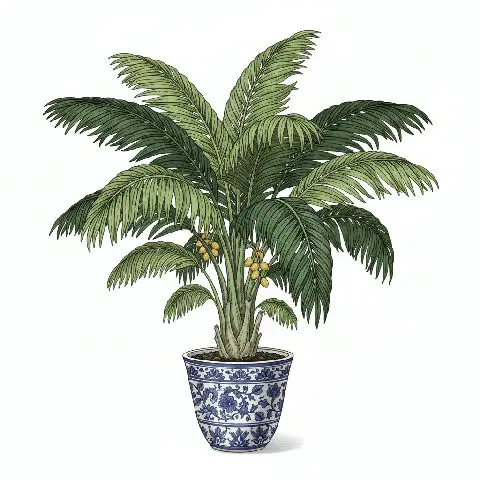
Butia capitata, commonly recognized as the Jelly Palm, Pindo Palm, or Wine Palm, is an esteemed member of the Arecaceae family, indigenous to the subtropical landscapes of South America, particularly thriving across Brazil, Uruguay, and Argentina. This captivating palm species is characterized by its robust, solitary trunk, typically attaining heights of 3 to 6 meters, though some mature specimens can reach over 8 meters.
The trunk often retains persistent leaf bases, creating a distinctive, textured pattern. Its striking arching, pinnate leaves display a beautiful blue-green to grayish-green hue, extending up to 2-3 meters in length and forming an elegant, feather-like canopy.
Ecologically, Butia capitata flourishes in open grasslands (campos) and savannas, demonstrating a remarkable adaptability to well-drained, sandy, or gravelly soils and impressive drought tolerance once established. Historically, its significance is deeply rooted in the culinary traditions of indigenous populations and early settlers, who have long gathered and utilized its highly prized fruit. The common name 'Jelly Palm' directly alludes to the fruit's popular and enduring use in crafting exquisite jellies, jams, and wines, a practice that highlights its historical and ongoing cultural relevance.
The fruit itself is a small, round to oval drupe, measuring 2-4 cm in diameter, borne in large, pendulous clusters that ripen from green to a vibrant orangish-yellow. Its complex flavor profile, often likened to a unique fusion of pineapple, apricot, and banana, makes it a highly sought-after ingredient in various culinary applications.
Trusted Scientific References
1. Authoritative external sources for Butia capitata
1.1 Wikipedia — Butia capitata
1.2 Kew POWO (Plants of the World Online)
1.3 PubMed — peer-reviewed research
1.4 NCBI Taxonomy Browser
1.5 GBIF — Global Biodiversity
1.6Butia should be interpreted through verified botanical identity, practical care, and responsible safety language. This recovery note adds the missing context needed for a complete profile: match light to the plant's habit, use well-drained soil, water according to season, and avoid unsupported medicinal or edible claims. For publishing, the plant can be presented as a source-backed garden plant with clear care guidance, common problem diagnosis, and conservative safety wording.
1.1.Butia — Defining Traits
- ✓Edible Fruit — Produces delicious, aromatic fruit with a blend of pineapple, apricot, and banana flavors.
- ✓Culinary Versatility — Primarily used for jellies, jams, wines, juices, and fresh consumption.
- ✓High in Antioxidants — Rich source of carotenoids, flavonoids, and phenolic acids.
- ✓Drought Tolerant — Highly adaptable to dry conditions once established, making it resilient.
- ✓Ornamental Value — Attractive blue-green, arching pinnate leaves and distinctive trunk.
- ✓Subtropical Adaptation — Thrives in warm climates, tolerating light frosts.
- ✓Distinctive Trunk — Stout, solitary trunk often covered with persistent leaf bases.
- ✓Native to South America — Historically and culturally significant in its native regions.
- ✓Arecaceae Family — A prominent member of the palm family.
1.2.Butia — Snapshot Summary
- ✓Butia capitata, or Jelly Palm, is a South American palm prized for its edible, flavorful fruit.
- ✓Fruit boasts a unique taste profile, used extensively in jellies, jams, and wines.
- ✓Rich in antioxidants, carotenoids, and dietary fiber, offering nutritional benefits.
- ✓Supports digestive health, immune function, and provides antioxidant protection.
- ✓Generally safe for consumption, with rare potential for allergic reactions or digestive upset.
- ✓Valued for both its ornamental beauty and culinary versatility in subtropical regions.
2.Butia — Systematic Position
3.Butia — Reference Facts
4.Butia — Structural Profile
5.Butia — Where It Grows
6.Butia — Cultural & Traditional Roles
7.Butia — Bioactive Constituents
- ✓Carotenoids — Abundant in the fruit, including beta-carotene (a Vitamin A precursor), lutein, and zeaxanthin, which are powerful antioxidants crucial for vision and cell protection.
- ✓Flavonoids — Various flavonoid compounds, such as anthocyanins (contributing to fruit color) and quercetin derivatives, provide significant antioxidant and potential anti-inflammatory properties.
- ✓Phenolic Acids — Contains compounds like gallic acid, caffeic acid, and ferulic acid, contributing to the fruit's antioxidant capacity and protective effects against oxidative damage.
- ✓Ascorbic Acid (Vitamin C) — A vital water-soluble vitamin present in the fruit, known for its immune-boosting, antioxidant, and collagen synthesis roles.
- ✓Dietary Fiber — Both soluble and insoluble fibers are present, essential for digestive health, blood sugar regulation, and satiety.
- ✓Organic Acids — Malic acid, citric acid, and tartaric acid contribute to the fruit's characteristic flavor profile and may have metabolic benefits.
- ✓Sugars — Primarily fructose and glucose, providing natural sweetness and readily available energy.
- ✓Minerals — Essential minerals like potassium, magnesium, calcium, and phosphorus are found, vital for various physiological functions including electrolyte balance and bone health.
- ✓Fatty Acids — Small amounts of beneficial fatty acids are present, particularly in the seeds, contributing to overall nutritional value.
- ✓Volatile Organic Compounds — Responsible for the fruit's complex aromatic profile, including esters and aldehydes that impart its distinctive pineapple, apricot, and banana notes.
8.Butia — What Research Suggests
- ✓Antioxidant Support — The fruit of Butia capitata is notably rich in carotenoids and phenolic compounds, which act as potent antioxidants, helping to neutralize free radicals and mitigate oxidative stress in the body.
- ✓Digestive Health Enhancement — With its substantial dietary fiber content, Jelly Palm fruit supports healthy digestive function, promoting regular bowel movements and contributing to gut microbiota balance.
- ✓Immune System Boost — The presence of Vitamin C and various antioxidants in Butia capitata fruit contributes to a strengthened immune response, aiding the body's natural defense mechanisms.
- ✓Ocular Health Maintenance — Carotenoids like lutein and zeaxanthin, found in the fruit, are crucial for eye health, potentially reducing the risk of age-related macular degeneration and protecting against blue light damage.
- ✓Cardiovascular System Support — The cumulative effect of antioxidants and fiber can contribute to cardiovascular wellness by helping to manage cholesterol levels and reduce oxidative damage to blood vessels.
- ✓Skin Health Promotion — Antioxidants such as beta-carotene, a precursor to Vitamin A, are vital for maintaining healthy skin, protecting it from environmental damage and supporting cell regeneration.
- ✓Anti-inflammatory Potential — While not a direct anti-inflammatory agent, the broad spectrum of antioxidant compounds in the fruit may indirectly help to modulate inflammatory pathways within the body.
- ✓Natural Energy Source — The fruit's natural sugars provide a readily available energy source, making it a nutritious snack for sustained vitality without artificial additives.
- ✓Mineral Contribution — Butia capitata fruit contains essential minerals like potassium and magnesium, vital for electrolyte balance, muscle function, and overall cellular health.
- ✓Vitamin A Precursor — Beta-carotene content makes the Jelly Palm fruit a natural source for Vitamin A production in the body, essential for vision, immune function, and skin integrity.
8.1.Butia — Conditions Traditionally Used For
9.Butia — Adverse Effects
9.1.Butia — Possible Adverse Reactions
- ✓Allergic Reactions — Though rare, individuals sensitive to other palm fruits or tropical produce may experience allergic reactions like skin rash or digestive upset.
- ✓Digestive Discomfort — Excessive consumption, particularly of the raw fruit, may lead to mild digestive discomfort such as bloating or gas due to high fiber content.
- ✓Blood Sugar Impact — Due to its natural sugar content, individuals with diabetes should consume the fruit in moderation and monitor their blood sugar levels.
- ✓Weight Gain — Overconsumption of fruit-derived products like jellies or wines, which often contain added sugars, could contribute to caloric excess and weight gain.
- ✓Dental Erosion — The organic acids present in the fruit, if consumed frequently and in large quantities, could potentially contribute to dental enamel erosion.
- ✓Interaction with Medications — While generally safe as a food, theoretical interactions with medications are always possible, especially with very high intakes; consult a healthcare provider.
9.2.Butia — Risk Assessment
- ✓General Consumption — Butia capitata fruit is widely consumed as a food and is generally recognized as safe (GRAS) for most healthy individuals.
- ✓Pregnancy and Lactation — Culinary use in moderation is generally considered safe; however, due to limited specific medicinal research, high-dose therapeutic use is not recommended without professional advice.
- ✓Children — Safe for consumption by children as part of a balanced diet, similar to other fruits, but in appropriate portion sizes.
- ✓Allergies — Individuals with known allergies to fruits, particularly tropical varieties, should exercise caution and observe for adverse reactions.
- ✓Diabetic Considerations — Diabetics should monitor their intake due to the natural sugar content and consult their physician for dietary guidance.
- ✓Pesticide Residues — When sourcing, prefer organically grown fruit or ensure proper washing to minimize exposure to potential pesticide residues.
- ✓Storage and Preparation — Ensure fruit is ripe, free from mold, and prepared hygienically to prevent foodborne illnesses.
10.Butia — Application Forms
- ✓Fresh Consumption — The ripe fruit can be eaten fresh, providing a unique tropical flavor profile reminiscent of pineapple, apricot, and banana.
- ✓Jellies and Jams — The high pectin content of the fruit makes it ideal for preparing delicious jellies and jams, a traditional and popular use.
- ✓Wines and Ciders — Fermented fruit juice is used to produce distinctive wines and ciders, cherished for their unique taste and aroma.
- ✓Juices and Smoothies — The fruit pulp can be extracted to make refreshing juices or incorporated into smoothies for a nutritional boost.
- ✓Desserts and Pastries — Pulp can be used in various dessert applications, including pies, tarts, ice creams, and other baked goods.
- ✓Syrups and Sauces — Cooked down pulp can create sweet syrups or savory sauces to accompany dishes, enhancing their flavor.
- ✓Herbal Infusions (Limited) — While not a primary medicinal herb, infusions of certain parts might be explored for their antioxidant properties, though culinary uses are dominant.
- ✓Traditional Fermented Beverages — Beyond wine, indigenous communities have historically used the fruit to prepare various local fermented drinks.
11.Butia — Growth Requirements
- ✓Soil Preference — Thrives in well-drained, sandy, or gravelly soils, but adaptable to various soil types provided drainage is good.
- ✓Sun Exposure — Requires full sun exposure for optimal growth and fruit production, tolerating partial shade but with reduced vigor.
- ✓Water Requirements — Drought-tolerant once established, but benefits from moderate watering, especially during dry periods and fruit development.
- ✓Temperature Tolerance — Prefers subtropical climates; mature plants can tolerate brief periods of light frost, down to approximately -10°C (14°F).
- ✓Propagation — Primarily propagated by seed, which can have a slow and erratic germination rate, often requiring warm temperatures and scarification.
- ✓Fertilization — Benefits from a balanced palm-specific fertilizer applied during the growing season to support healthy foliage and fruit development.
- ✓Pruning — Minimal pruning is needed, mainly to remove dead or damaged fronds to maintain aesthetic appeal and plant health.
- ✓Pest and Disease Management — Generally robust, but occasional issues with scale insects or nutrient deficiencies can occur, requiring appropriate treatment.
Reviewed by the Flora Medical Global Botanical Review Panel
Multi-disciplinary editorial group · Botany · Ethnobotany · Herbal-medicine literature
Who reviewed this: This page was checked by the Flora Medical Global Botanical Review Panel — an in-house editorial group of botany graduates, ethnobotany researchers, and horticulture practitioners who collectively maintain our 7,000+ plant encyclopedia. Meet the team.
Our 4-step verification process
1. Taxonomic verification
Scientific names and synonyms cross-checked against Kew POWO, World Flora Online, and The Plant List.
2. Phytochemical & medicinal cross-reference
Active compounds, traditional uses, and reported activities are cross-referenced with PubMed, USDA Dr. Duke's database, and peer-reviewed ethnobotanical literature.
3. Conservation & distribution check
Distribution, ecology, and conservation status confirmed against GBIF occurrence records and the IUCN Red List.
4. Editorial & safety review
Every entry passes an editorial pass for clarity, originality, and safety notices (toxicity, contraindications, dosage caveats) before publication.
Last reviewed:
Important medical disclaimer: This content is for educational and research purposes only. It is not medical advice and is not a substitute for consultation with a licensed healthcare provider. Do not use any herb to self-treat a medical condition without professional guidance.
Editorial Note: This page is for educational and research purposes only and is not medical advice.
Written by: Flora Medical Global Editorial Team
Reviewed by: Flora Medical Global Botanical Review Panel
Last Updated: June 15, 2026





Butia — Comments & Community Reviews
Rate this plant