
Medical Disclaimer: This content is for educational purposes only. It is not medical advice. Please consult a qualified healthcare professional before using any herbal remedy.
Safety Overview
1.Butterfly Bush — At a Glance
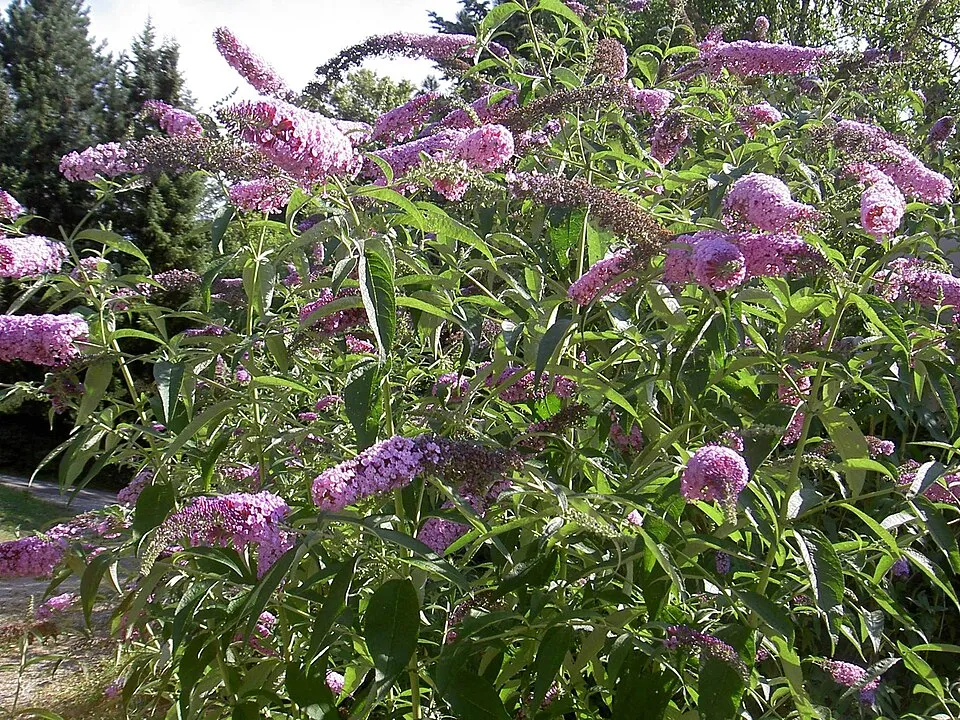
Buddleja davidii, widely recognized as Butterfly Bush or Summer Lilac, is a vigorous, deciduous to semi-evergreen shrub native to the mountainous regions of Sichuan, Hubei, and Tibet in central China. This species was introduced to Western horticulture in the late 19th century by Father Armand David, a French missionary and naturalist, whose name it bears. Its rapid ascent in popularity is attributed to its striking, fragrant flower spikes that are a magnet for butterflies and other beneficial pollinators, hence its evocative common name. Taxonomically, Buddleja davidii is a member of the family Scrophulariaceae, though historically it was placed in Buddlejaceae.
Morphologically, it is characterized by its gracefully arching stems, lanceolate to ovate leaves with serrated margins and a distinctive woolly underside, and dense, terminal panicles of small, tubular flowers. These blooms present a spectrum of colors, including various shades of purple, lilac, white, and pink, frequently featuring a vibrant orange throat. The shrub is known for its robust growth, typically reaching heights of 2-5 meters with a similar spread, and demonstrates remarkable adaptability to diverse soil conditions. However, its prolific seed production, with winged, lightweight seeds capable of widespread dispersal by wind and water, coupled with a high germination rate and ability to re-sprout from cut stems, has led to its classification as an invasive species in numerous regions globally, including parts of Europe, North America, Australia, and New Zealand.
This invasive potential means it readily outcompetes native flora, posing a significant ecological challenge. Despite its environmental concerns, pharmacological research has revealed a rich profile of bioactive compounds, such as flavonoids, iridoid glycosides, and polyphenols, which underpin its documented traditional uses and ongoing scientific investigation into its antioxidant, anti-inflammatory, and antimicrobial properties.
Trusted Scientific References
1. Authoritative external sources for Buddleja davidii
1.1 Wikipedia — Buddleja davidii
1.2 Kew POWO (Plants of the World Online)
1.3 PubMed — peer-reviewed research
1.4 NCBI Taxonomy Browser
1.5 GBIF — Global Biodiversity
1.1.Butterfly Bush — Notable Characteristics
- ✓Showy, fragrant flower — Showy, fragrant flower spikes in various colors (purple, lilac, white, pink).
- ✓Highly attractive to — Highly attractive to butterflies and other pollinators, contributing to biodiversity.
- ✓Native to central — Native to central China, introduced to Western horticulture in the late 19th century.
- ✓Traditional uses recorded — Traditional uses recorded in Chinese medicine, particularly for ophthalmic and inflammatory conditions.
- ✓Rich phytochemical profile — Rich phytochemical profile including potent antioxidant and anti-inflammatory compounds like verbascoside.
- ✓Vigorous, fast — growing deciduous shrub, capable of reaching 2-5 meters in height and spread.
- ✓Classified as an — Classified as an invasive species in many parts of the world, outcompeting native flora.
- ✓Exhibits high tolerance — Exhibits high tolerance to drought, heat, and a wide range of soil conditions.
- ✓Flowers on new — Flowers on new wood, making early spring pruning essential for dense blooming.
- ✓Generally deer and — Generally deer and rabbit resistant, making it a robust garden plant in suitable climates.
1.2.Butterfly Bush — In Brief
- ✓Butterfly Bush is a beautiful, fragrant shrub native to China, highly attractive to pollinators.
- ✓Traditionally used in Chinese medicine for eye conditions and inflammation.
- ✓Rich in bioactive compounds like verbascoside, flavonoids, and iridoids, offering antioxidant and anti-inflammatory benefits.
- ✓Classified as an invasive species in many regions due to its vigorous growth and prolific seed production.
- ✓Requires full sun and well-drained soil, with heavy early spring pruning for optimal flowering.
- ✓Medicinal use should be approached with caution and professional guidance due to limited human clinical data and potential interactions.
2.Butterfly Bush — Botanical Identity
3.Butterfly Bush — Fact Sheet
4.Butterfly Bush — Botanical Features
5.Butterfly Bush — Ecological Habitat
6.Butterfly Bush — Heritage Uses
7.Butterfly Bush — Key Phytochemicals
- ✓Flavonoids — Key compounds include luteolin, apigenin, acacetin, quercetin, and kaempferol derivatives, which are primarily responsible for the plant's antioxidant and anti-inflammatory activities.
- ✓Iridoid Glycosides — Notable examples are verbascoside (acteoside), buddlejosides, and gardoside. These compounds are potent anti-inflammatory agents and contribute to the plant's antioxidant and antimicrobial effects.
- ✓Phenylpropanoid Glycosides — Verbascoside, also known as acteoside, is a prominent phenylpropanoid glycoside found in Buddleja davidii, recognized for its strong anti-inflammatory and free radical scavenging properties.
- ✓Polyphenols — A broad category including phenolic acids like caffeic acid, contributing significantly to the plant's overall antioxidant capacity and protective effects against oxidative stress.
- ✓Terpenoids — Various triterpenoids and diterpenoids may be present, potentially contributing to anti-inflammatory and other biological activities, though in lower concentrations compared to flavonoids and iridoids.
- ✓Essential Oils — Small amounts of volatile compounds contribute to the flowers' fragrance and may possess mild antimicrobial or insect-repellent properties.
- ✓Glycosides — Beyond iridoids, other types of glycosides are found, which can have diverse pharmacological effects, including cardiovascular or diuretic actions.
- ✓Lignans — Present in minor quantities, lignans are known for their antioxidant and potential anticancer properties.
8.Butterfly Bush — Evidence-Based Benefits
- ✓Antioxidant Support — Rich in flavonoids and polyphenols, Butterfly Bush helps neutralize free radicals, protecting cells from oxidative damage and supporting overall cellular health.
- ✓Anti-inflammatory Action — Compounds like verbascoside (acteoside) and other iridoid glycosides contribute to its anti-inflammatory effects, potentially alleviating discomfort from inflammatory conditions.
- ✓Antimicrobial Properties — Extracts have demonstrated inhibitory activity against certain bacteria and fungi in vitro, suggesting potential for supporting the body's defense against pathogens.
- ✓Ophthalmic Health (Traditional TCM) — Traditionally, the flowers of Buddleja davidii have been used in Chinese medicine to address various eye ailments, including redness and irritation, though modern clinical evidence is limited.
- ✓Wound Healing (Traditional) — Due to its anti-inflammatory and potential antimicrobial properties, traditional applications included poultices for minor wounds and skin irritations.
- ✓Pain Relief (Traditional) — In some traditional practices, the plant was used to mitigate mild pain, likely through its anti-inflammatory mechanisms.
- ✓Detoxification Support (Traditional) — Historically, certain preparations were believed to aid in expelling toxins and reducing swelling, possibly linked to its diuretic properties.
- ✓Immunomodulatory Potential — Some phytochemicals present in Butterfly Bush may interact with the immune system, potentially modulating immune responses, though this area requires further research.
8.1.Butterfly Bush — Health Applications
9.Butterfly Bush — Safety Considerations
9.1.Butterfly Bush — Possible Adverse Reactions
- ✓Allergic Reactions — Individuals sensitive to plants in the Scrophulariaceae family may experience allergic skin reactions (contact dermatitis) or respiratory issues from pollen.
- ✓Digestive Upset — Ingesting large quantities of plant material, though uncommon, might lead to mild gastrointestinal discomfort such as nausea or stomach upset.
- ✓Potential for Drug Interactions — Due to its anti-inflammatory and antioxidant compounds, there's a theoretical risk of interaction with anticoagulant medications or other drugs, altering their efficacy.
- ✓Eye Irritation — While traditionally used for eyes, direct application of improperly prepared or unfiltered solutions can introduce irritants or pathogens, causing irritation.
- ✓Toxicity Concerns — Though generally considered low toxicity, long-term or high-dose internal use has not been extensively studied in humans, warranting caution.
- ✓Skin Sensitivity — Some individuals may experience skin irritation upon direct contact with the sap or foliage, particularly if they have sensitive skin.
9.2.Butterfly Bush — Safety Overview
- ✓Professional Consultation — Always consult a qualified healthcare practitioner or medical herbalist before using Buddleja davidii for medicinal purposes, especially for internal use.
- ✓Pregnancy and Lactation — Avoid use during pregnancy and breastfeeding due to insufficient safety data and potential effects on hormonal balance or fetal development.
- ✓Children — Not recommended for use in infants or young children, as safety and appropriate dosages have not been established.
- ✓Allergy Caution — Individuals with known allergies to other plants in the figwort family (Scrophulariaceae) should exercise caution due to potential cross-reactivity.
- ✓Invasive Species Responsibility — When cultivating, choose sterile cultivars or native alternatives to prevent ecological harm; do not harvest from wild invasive populations for medicinal use.
- ✓Dosage and Preparation — Adhere strictly to recommended dosages and preparation methods, particularly for internal consumption, and avoid self-medication.
- ✓Topical Use — For topical applications, perform a patch test on a small area of skin first to check for sensitivity or allergic reactions.
10.Butterfly Bush — Usage Guide
- ✓Herbal Infusion (Tea) — Dried flowers can be steeped in hot water to prepare a tea, traditionally used for internal consumption or as an eyewash (ensure proper filtration if used for eyes).
- ✓Decoction — The flowers or leaves can be simmered in water to create a more concentrated extract, often used in traditional remedies for internal or external application.
- ✓Tincture — Alcohol-based extracts are made by soaking plant material in alcohol, providing a potent form for internal use under professional guidance.
- ✓Topical Poultice — Crushed fresh leaves or flowers can be applied directly to the skin as a poultice for minor skin irritations or wounds, utilizing its anti-inflammatory and mild antiseptic properties.
- ✓Herbal Compress/Wash — Infusions or decoctions can be cooled and used as a compress or wash for inflamed skin, minor cuts, or eye discomfort (always ensure sterility for eye applications).
- ✓Standardized Extracts — Modern preparations may involve concentrated extracts standardized to specific active compounds like verbascoside, available in capsule or liquid form.
- ✓Culinary Use (Limited) — While not a common culinary herb, some parts might be used sparingly in specific traditional contexts, though this is rare and not widely recommended.
- ✓Aromatherapy (Limited) — The fragrant flowers could potentially be used in aromatherapy, though its primary medicinal use is not typically through essential oil extraction.
11.Butterfly Bush — Cultivation & Care
- ✓Site Selection — Plant in full sun (at least 6 hours daily) for optimal flowering and growth.
- ✓Soil Requirements — Prefers moist, well-drained soil; adapts to various soil types but amend heavy clay to improve drainage.
- ✓Watering — Water regularly, especially during dry spells and establishment; established plants show good drought tolerance.
- ✓Pruning — Prune heavily in early spring (late winter in warmer zones) to about 1-2 feet from the ground to encourage vigorous new growth and abundant summer flowers, as blooms appear on new wood.
- ✓Fertilization — Generally not required in fertile soils; a balanced slow-release fertilizer can be applied in spring if growth is poor.
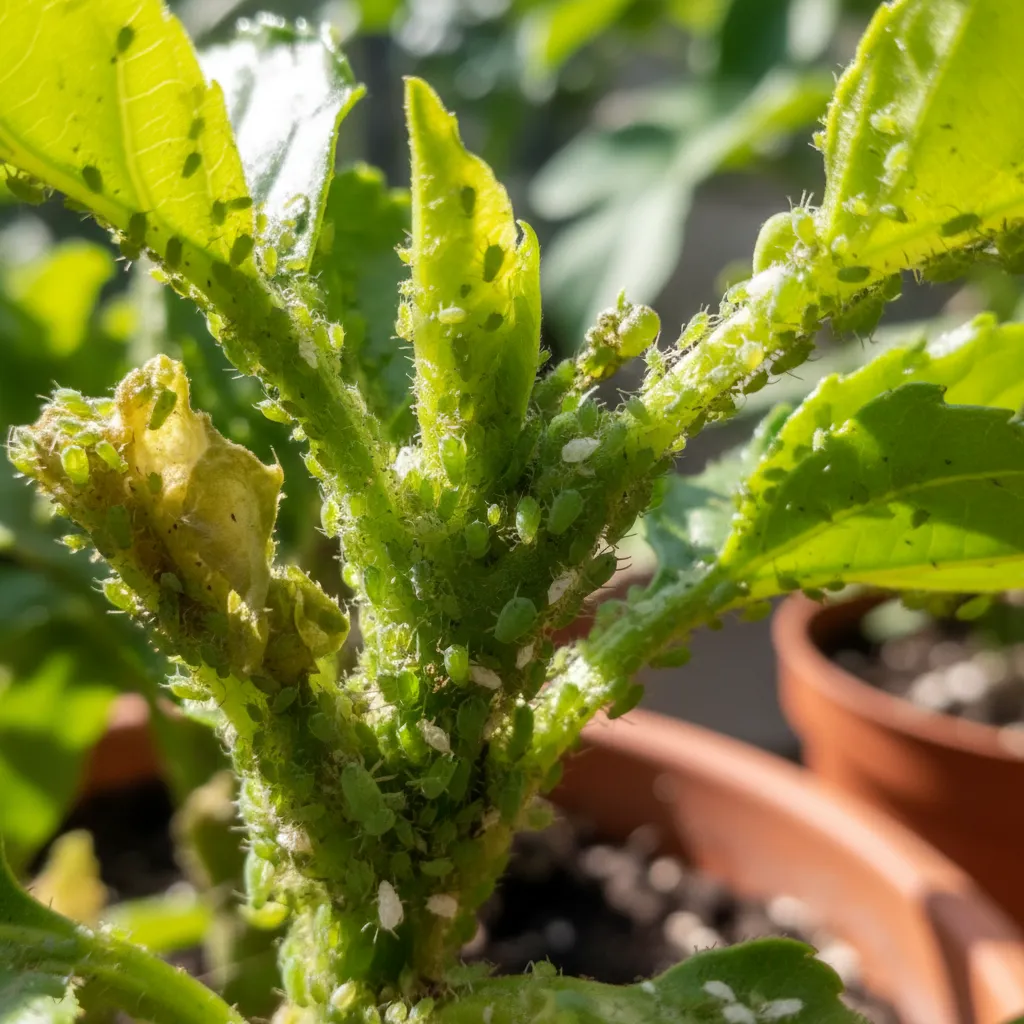
- ✓Pest and Disease Management — Relatively pest-free; watch for spider mites during dry, hot periods; generally resistant to deer and rabbits.
- ✓Invasive Species Awareness — Due to its invasive nature, consider planting sterile cultivars or native alternatives in regions where it is problematic.
- ✓Propagation — Easily propagated from softwood cuttings taken in summer or from seeds, though seed propagation is not recommended in invasive areas.
Reviewed by the Flora Medical Global Botanical Review Panel
Multi-disciplinary editorial group · Botany · Ethnobotany · Herbal-medicine literature
Who reviewed this: This page was checked by the Flora Medical Global Botanical Review Panel — an in-house editorial group of botany graduates, ethnobotany researchers, and horticulture practitioners who collectively maintain our 7,000+ plant encyclopedia. Meet the team.
Our 4-step verification process
1. Taxonomic verification
Scientific names and synonyms cross-checked against Kew POWO, World Flora Online, and The Plant List.
2. Phytochemical & medicinal cross-reference
Active compounds, traditional uses, and reported activities are cross-referenced with PubMed, USDA Dr. Duke's database, and peer-reviewed ethnobotanical literature.
3. Conservation & distribution check
Distribution, ecology, and conservation status confirmed against GBIF occurrence records and the IUCN Red List.
4. Editorial & safety review
Every entry passes an editorial pass for clarity, originality, and safety notices (toxicity, contraindications, dosage caveats) before publication.
Last reviewed:
Important medical disclaimer: This content is for educational and research purposes only. It is not medical advice and is not a substitute for consultation with a licensed healthcare provider. Do not use any herb to self-treat a medical condition without professional guidance.
Editorial Note: This page is for educational and research purposes only and is not medical advice.
Written by: Flora Medical Global Editorial Team
Reviewed by: Flora Medical Global Botanical Review Panel
Last Updated: June 15, 2026





Butterfly Bush — Comments & Community Reviews
Rate this plant