


Medical Disclaimer: This content is for educational purposes only. It is not medical advice. Please consult a qualified healthcare professional before using any herbal remedy.
Safety Overview
1.Cabbage — Introduction & Highlights
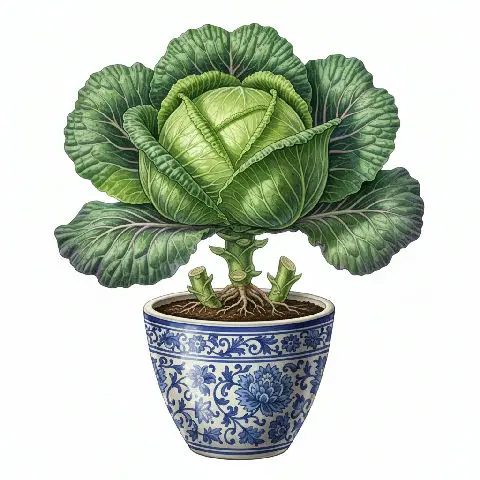
Cabbage, botanically known as Brassica oleracea var. capitata, is a widely cultivated leafy green or purple biennial plant typically grown as an annual vegetable for its distinctive dense-leaved head. It belongs to the expansive Brassicaceae family, often recognized as the cruciferous vegetable family due to the characteristic cross-like arrangement of its four petals in flowering stages. Originating from the wild mustard plant, Brassica oleracea L., native to the coastal regions of southern and western Europe, Cabbage boasts a rich history of cultivation spanning over 4,000 years, with archaeological evidence tracing its use back to Neolithic settlements. The plant's morphology is characterized by a compact, globular, conical, or flattened head, formed by tightly overlapping leaves.
These leaves can vary significantly in color, ranging from pale green to dark green, red, or vibrant purple, depending on the specific cultivar. Texturally, leaves can be smooth, as seen in white and pointed cabbages (f. alba, f. acuta), or crinkled, characteristic of Savoy cabbages (f. sabauda).
Red cabbages (f. rubra) are particularly noted for their high anthocyanin content, which imparts their distinct coloration. Cabbage thrives as a cool-season crop in temperate climates, demonstrating robust adaptability to various well-drained, fertile soil types, which has facilitated its widespread global distribution. Its introduction to the Americas by Jacques Cartier in 1541 further cemented its status as a global dietary staple.
Trusted Scientific References
1. Authoritative external sources for Brassica oleracea var. capitata
1.1 Wikipedia — Brassica oleracea var. capitata
1.2 Kew POWO (Plants of the World Online)
1.3 PubMed — peer-reviewed research
1.4 NCBI Taxonomy Browser
1.5 GBIF — Global Biodiversity
1.6Cabbage should be interpreted through verified botanical identity, practical care, and responsible safety language. This recovery note adds the missing context needed for a complete profile: match light to the plant's habit, use well-drained soil, water according to season, and avoid unsupported medicinal or edible claims. For publishing, the plant can be presented as a source-backed garden plant with clear care guidance, common problem diagnosis, and conservative safety wording.
1.1.Cabbage — Key Features
- ✓Cruciferous Vegetable — Member of the Brassicaceae family, known for its health-promoting compounds.
- ✓Rich in Glucosinolates — Precursors to powerful bioactive compounds like sulforaphane and indole-3-carbinol.
- ✓High in Vitamins C and K — Essential for immune function, bone health, and blood clotting.
- ✓Excellent Source of Dietary Fiber — Supports digestive health and satiety.
- ✓Abundant in Antioxidants — Contains phenolics, flavonoids, and anthocyanins that combat oxidative stress.
- ✓Chemopreventive Potential — Compounds are studied for their roles in cancer prevention.
- ✓Culinary Versatility — Consumed raw, cooked, fermented, and juiced worldwide.
- ✓Historical Medicinal Use — Valued by ancient civilizations for its perceived healing properties.
- ✓Diverse Cultivars — Available in various shapes, colors (green, red, purple), and textures.
- ✓Cool — Season Crop — Thrives in temperate climates, adaptable to various growing conditions.
1.2.Cabbage — Quick Summary
- ✓Cabbage (Brassica oleracea var. capitata) is a highly nutritious cruciferous vegetable with a rich history.
- ✓It is a powerhouse of vitamins (C, K), fiber, and unique phytochemicals like glucosinolates, isothiocyanates, and indoles.
- ✓Offers significant medicinal benefits, including chemopreventive, antioxidant, anti-inflammatory, and digestive support.
- ✓Diverse cultivars exist, such as white, red, Savoy, and conical Cabbage, each with distinct nutritional profiles.
- ✓Versatile in culinary applications, from raw salads and fermented dishes to cooked preparations.
- ✓Generally safe, but mindful consumption is advised for specific health conditions or medication interactions.
2.Cabbage — Systematic Position
3.Cabbage — Botanical Stats
4.Cabbage — Morphological Account
5.Cabbage — Habitat & Distribution
6.Cabbage — Ethnobotanical Uses
7.Cabbage — Bioactive Constituents
- ✓Glucosinolates — These sulfur-containing compounds are characteristic of Brassica vegetables, including sinigrin, glucoraphanin, and glucoiberin, which are precursors to bioactive isothiocyanates (e.g., sulforaphane) and indoles (e.g., indole-3-carbinol) with potent chemopreventive and antioxidant activities.
- ✓Isothiocyanates — Formed from glucosinolate hydrolysis, key compounds like sulforaphane are extensively researched for their anticancer, anti-inflammatory, and detoxification enzyme-inducing properties.
- ✓Indoles — Indole-3-carbinol (I3C) is another significant hydrolysis product of glucosinolates, known for its role in estrogen metabolism and potential anticancer effects.
- ✓Phenolic Compounds — Cabbage is rich in various phenolics, including flavonoids (e.g., quercetin, kaempferol) and anthocyanins (especially in red cabbage), contributing to its antioxidant and anti-inflammatory benefits.
- ✓Anthocyanins — These pigments are responsible for the vibrant red and purple hues of certain Cabbage cultivars and possess strong antioxidant and anti-inflammatory properties.
- ✓Vitamin C (Ascorbic Acid) — A powerful water-soluble antioxidant essential for immune function, collagen synthesis, and protecting cells from oxidative damage.
- ✓Vitamin K (Phylloquinone) — Crucial for blood clotting and bone health, Cabbage provides significant amounts of this fat-soluble vitamin.
- ✓Dietary Fiber — Both soluble and insoluble fibers are abundant, supporting digestive health, regulating blood sugar levels, and contributing to satiety.
- ✓Carotenoids — Including beta-carotene (a precursor to Vitamin A) and lutein, these compounds act as antioxidants and are beneficial for vision health.
- ✓Minerals — Contains essential minerals such as potassium, calcium, magnesium, and manganese, vital for various physiological functions.
- ✓B-Vitamins — Provides several B-vitamins, including folate, B6, and riboflavin, which are important for energy metabolism and nervous system health.
8.Cabbage — Modern Studies
- ✓Chemopreventive Properties — Cabbage contains glucosinolates, which convert into isothiocyanates like sulforaphane and indoles (e.g., indole-3-carbinol) during digestion, compounds studied for their potential to inhibit cancer cell growth and support detoxification pathways.
- ✓Antioxidant Activity — Rich in Vitamin C, phenolic compounds, and anthocyanins (especially in red cabbage), it helps combat oxidative stress by neutralizing free radicals, thereby protecting cells from damage.
- ✓Anti-inflammatory Effects — Specific phytochemicals in Cabbage, including sulforaphane and flavonoids, exhibit anti-inflammatory properties that may help reduce chronic inflammation throughout the body.
- ✓Digestive Health Support — Its high dietary fiber content aids in promoting regular bowel movements, preventing constipation, and supporting a healthy gut microbiome, contributing to overall gastrointestinal well-being.
- ✓Cardiovascular Health — The presence of fiber, potassium, and antioxidants helps maintain healthy blood pressure, reduce cholesterol levels, and improve blood vessel function, supporting heart health.
- ✓Immune System Enhancement — Vitamin C is crucial for immune function, stimulating the production of white blood cells and enhancing the body's defense against infections.
- ✓Bone Health — Cabbage is an excellent source of Vitamin K, which plays a vital role in bone metabolism and calcium regulation, essential for maintaining strong and healthy bones.
- ✓Detoxification Support — Glucosinolates and their derivatives activate liver enzymes responsible for detoxifying harmful substances and xenobiotics, aiding the body's natural cleansing processes.
- ✓Anti-ulcer Properties — Traditional uses and some studies suggest that Cabbage juice may help heal stomach and duodenal ulcers due to its glutamine content and ability to protect the gastric lining.
- ✓Weight Management — Low in calories and high in fiber, Cabbage promotes satiety, helping to reduce overall calorie intake and support healthy weight management efforts.
8.1.Cabbage — Indications & Uses
9.Cabbage — Precautions & Warnings
9.1.Cabbage — Caution Notes
- ✓Gas and Bloating — High fiber content and complex sugars (like raffinose) can cause flatulence and bloating, especially in sensitive individuals.
- ✓Thyroid Function — Raw Cabbage contains goitrogens, which can interfere with thyroid hormone production in very high quantities, particularly in individuals with pre-existing thyroid conditions.
- ✓Anticoagulant Interaction — High Vitamin K content can interfere with anticoagulant medications like warfarin, potentially reducing their effectiveness.
- ✓Digestive Discomfort — Overconsumption, especially of raw Cabbage, may lead to temporary digestive upset or diarrhea in some people.
- ✓Allergic Reactions — Although rare, some individuals may experience allergic reactions, including skin rashes or gastrointestinal symptoms.
- ✓Pesticide Residues — Non-organic Cabbage may contain pesticide residues; always wash thoroughly before consumption.
9.2.Cabbage — Toxicity Assessment
- ✓Generally Safe for Consumption — Cabbage is widely regarded as safe for most individuals when consumed in moderate dietary amounts.
- ✓Cooking Reduces Goitrogens — Cooking Cabbage significantly reduces its goitrogenic compounds, making it safer for those concerned about thyroid health.
- ✓Moderate Intake for Anticoagulants — Individuals on anticoagulant therapy should maintain a consistent, moderate intake of Vitamin K-rich foods like Cabbage and consult their healthcare provider.
- ✓Introduce Gradually — For those new to high-fiber foods, introduce Cabbage gradually into the diet to minimize gas and bloating.
- ✓Wash Thoroughly — Always wash Cabbage heads thoroughly under running water to remove dirt, pests, and potential pesticide residues.
- ✓Consult a Healthcare Professional — Individuals with specific medical conditions, such as thyroid disorders or those on medication, should consult their doctor before making significant dietary changes involving Cabbage.
10.Cabbage — Preparation & Dosage
- ✓Raw Consumption — Enjoy shredded Cabbage in salads, coleslaws, or as a crisp topping for tacos and sandwiches, preserving its maximum nutrient content.
- ✓Cooked Dishes — Steam, boil, sauté, stir-fry, or roast Cabbage for use in soups, stews, casseroles, or as a flavorful side dish.
- ✓Fermented Preparations — Ferment Cabbage to create sauerkraut or kimchi, which enhances its probiotic content and improves nutrient bioavailability.
- ✓Juicing — Extract Cabbage juice, often combined with other vegetables, as a traditional remedy for digestive issues or as a nutrient-dense beverage.
- ✓Poultices — Traditionally, raw Cabbage leaves can be crushed and applied externally as a poultice to soothe inflammation, bruises, or minor skin irritations.
- ✓Wraps — Use large, tender Cabbage leaves as a low-carb alternative to tortillas or bread for wraps and rolls, often after blanching them slightly.
- ✓Pickling — Pickle Cabbage with vinegar and spices for a tangy condiment, extending its shelf life and adding a distinct flavor profile.
11.Cabbage — Growth Requirements
- ✓Seed Starting — Cabbage is typically started from seeds indoors 4-6 weeks before the last frost, or directly sown outdoors in cooler climates.
- ✓Soil Requirements — Thrives in fertile, well-drained soil with a pH between 6.0 and 7.0, enriched with organic matter.
- ✓Planting — Transplant seedlings when they are 4-6 inches tall, spacing them 18-24 inches apart in rows, allowing ample room for head development.
- ✓Watering — Requires consistent moisture; water regularly, especially during dry periods, to ensure steady growth and prevent splitting of heads.
- ✓Fertilization — Benefits from balanced fertilization, particularly nitrogen, during its growth cycle to support lush leaf development.
- ✓Pest and Disease Management — Protect from common pests like cabbage worms and aphids, and diseases such as black rot, through crop rotation, netting, and organic pest control methods.
- ✓Harvesting — Harvest when heads are firm and solid, typically 70-100 days after planting, by cutting the stem at the base.
- ✓Crop Rotation — Practice crop rotation to prevent soil-borne diseases and nutrient depletion, avoiding planting Cabbage or other Brassicas in the same spot for at least 3-4 years.
Reviewed by the Flora Medical Global Botanical Review Panel
Multi-disciplinary editorial group · Botany · Ethnobotany · Herbal-medicine literature
Who reviewed this: This page was checked by the Flora Medical Global Botanical Review Panel — an in-house editorial group of botany graduates, ethnobotany researchers, and horticulture practitioners who collectively maintain our 7,000+ plant encyclopedia. Meet the team.
Our 4-step verification process
1. Taxonomic verification
Scientific names and synonyms cross-checked against Kew POWO, World Flora Online, and The Plant List.
2. Phytochemical & medicinal cross-reference
Active compounds, traditional uses, and reported activities are cross-referenced with PubMed, USDA Dr. Duke's database, and peer-reviewed ethnobotanical literature.
3. Conservation & distribution check
Distribution, ecology, and conservation status confirmed against GBIF occurrence records and the IUCN Red List.
4. Editorial & safety review
Every entry passes an editorial pass for clarity, originality, and safety notices (toxicity, contraindications, dosage caveats) before publication.
Last reviewed:
Important medical disclaimer: This content is for educational and research purposes only. It is not medical advice and is not a substitute for consultation with a licensed healthcare provider. Do not use any herb to self-treat a medical condition without professional guidance.
Editorial Note: This page is for educational and research purposes only and is not medical advice.
Written by: Flora Medical Global Editorial Team
Reviewed by: Flora Medical Global Botanical Review Panel
Last Updated: June 15, 2026





Cabbage — Comments & Community Reviews
Rate this plant